One of the government's former behavioural scientists reveals how you can do what you want, whilst everybody tries to influence you into doing what they want.
Inspired by the process of creating a library for his fifteenth-century home near the Loire, in France, Alberto Manguel, the acclaimed writer on books and reading, has taken up the subject of libraries.
In this landmark work, four of the world's leading scholar-activists issue an urgent call for a truly intersectional, internationalist, abolitionist feminism.
Describes approaches to understanding cultures in higher education, paying particular attention to cultures and cultural construction at departmental level.
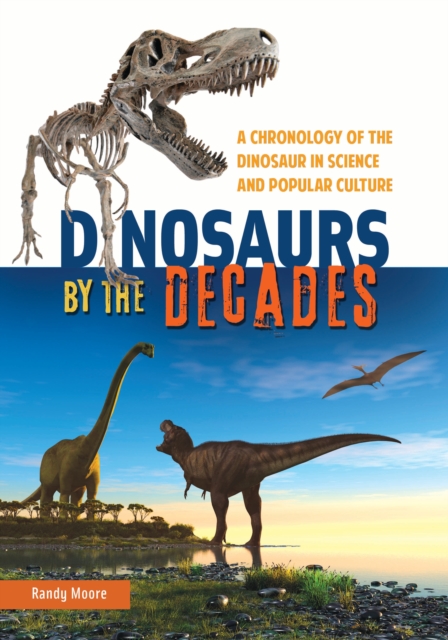
Providing an appealing chronology of "e;all things dinosaur,"e; this book covers these ancient creatures' roles and surprising importance in science, religion, and society at large.
Drawing on new research in the Stanley Kubrick Archive at the University of the Arts London, Kr mer's study explores the production, marketing and reception as well as the themes and style of A Clockwork Orange against the backdrop of Kubrick's previous work and of wider developments in cinema, culture and society from the 1950s to the early 1970s.
This book provides an intriguing look at the long history of the changing definitions of what it means to "e;be a man,"e; identifying both the continuity and disparity in these ideals and explaining the contemporary crisis of masculinity.
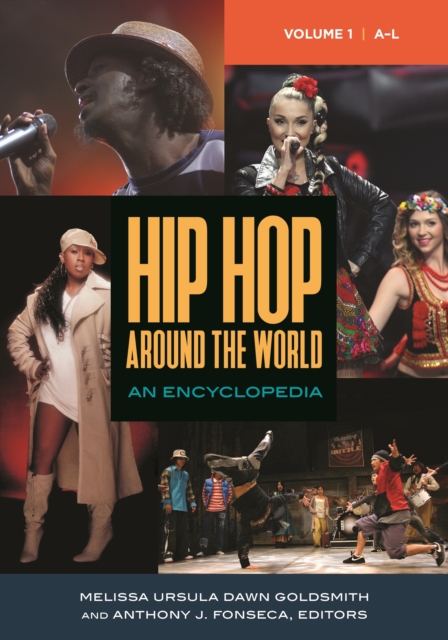
This book sources interviews with scholars, urban designers, music experts, financial analysts, retailers, and hip hop celebrities to chronicle the compelling story of how hip hop transformed the fashion world and exploded into a $3 billion clothing industry.
This book spans three centuries of popular entertainment and everyday culture, showcasing both mainstream and submerged channels and voices to examine how once reviled business values gained supremacy and poisoned the American spirit.
Profiling 48 classic American foods ranging from junk and fast food to main dishes to desserts, this book reveals what made these dishes iconic in American pop culture.
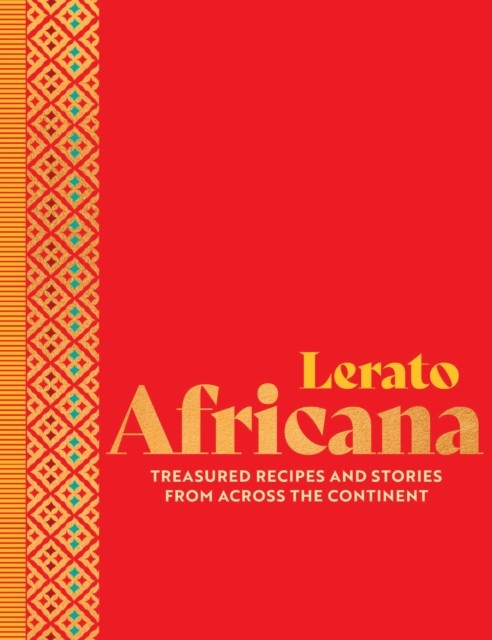
A culinary expedition celebrating cooking from across the African continentAfricana travels the continent showcasing its vibrant and varied cuisines that are rich in flavour, diverse in culture and steeped in tradition.
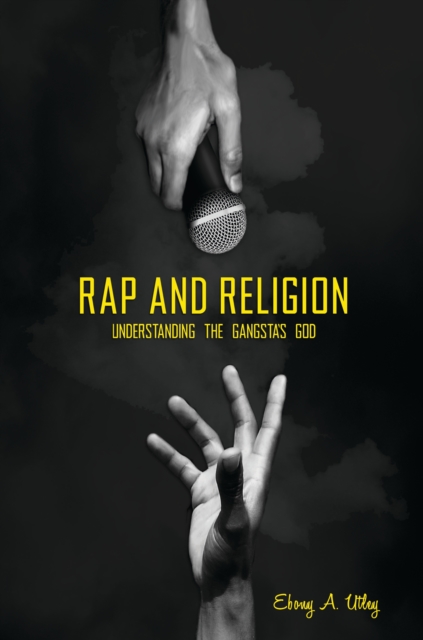
This book provides an enlightening, representative account of how rappers talk about God in their lyrics-and why a sense of religion plays an intrinsic role within hip hop culture.
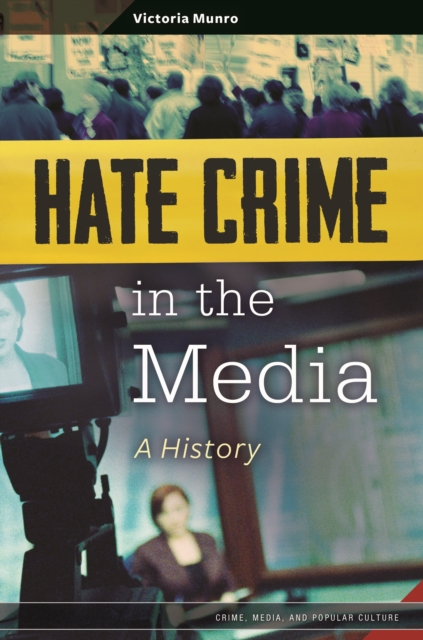
A powerful, uncompromising explanation of how subtle sources of hatred contained throughout our media and culture have resulted in a tolerance for hate crimes in America.
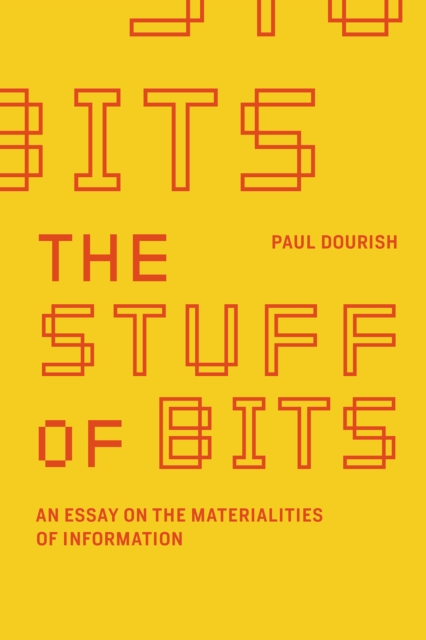
An argument that the material arrangements of information—how it is represented and interpreted—matter significantly for our experience of information and information systems.
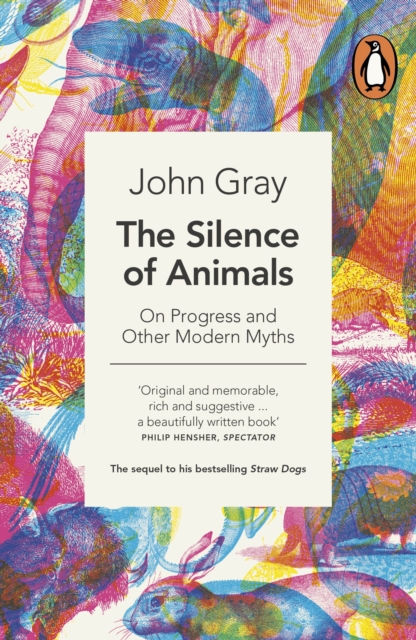
The powerful, beautiful and chilling sequel to the bestselling Straw DogsJohn Gray draws on an extraordinary array of memoirs, poems, fiction and philosophy to make us re-imagine our place in the world.
An exploration of social movement media practices in an increasingly complex media ecology, through richly detailed cases of immigrant rights activism.
An examination of how activists combine political advocacy and technical practice in their promotion of the emancipatory potential of local low-power FM radio.
'I cannot help but see the bodies of my near ancestors in the current caravans of desperate souls fleeing from place to place, chased by famine, war and toxins.
In June 2017, the Jews of Libya commemorated the jubilee of their complete exodus from this North African land in 1967, which began with a mass migration to Israel in 1948-49.
WINNER: CMI Management Book of the Year Awards 2018 - Management Futures CategoryBuilding Digital Culture aims to answer a simple question: How can organizations succeed when the environment they operate in is changing so quickly?
Consumer-facing and business-to-business organizations know that if they get their approach to customers right, they will be rewarded with unprecedented customer loyalty.
Games are the most engaging medium of all time: they harness storytelling and heuristics, drive emotion and push the evolution of technology in a way that no other platform has or can.
WINNER: CMI Management Book of the Year Awards 2015 - Innovation and Entrepreneurship Category (1st edition)Many organizations approach customer-centic marketing and innovating their business strategy in isolation to one another, missing groundbreaking opportunities for advancement.
This is the first book that explores the shift that will become the future state operating model for companies seeking to remain competitive and relevant in this fast-changing digital world.
Understand content marketing best practice from a new perspective with exclusive insight and contributions from leading academics, experts, global thought leaders and influencers in the industry on key topics, to create a truly unique resource - including a foreword by Tom Goodwin and bonus online chapters.
B2B marketing is functioning in an increasingly fast-paced and complex business landscape, with a wealth of new technologies, tools and channels, and where customers are more in control of the buying process than ever before.