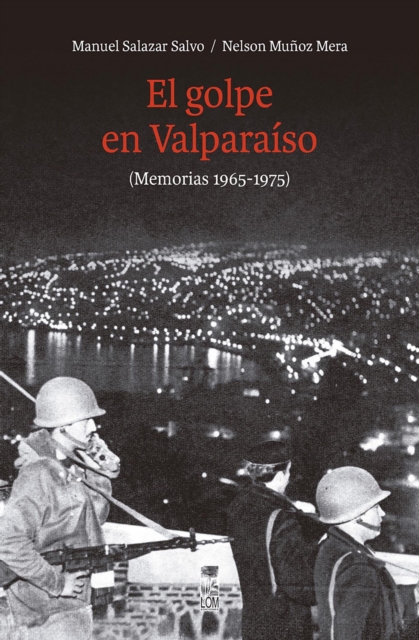
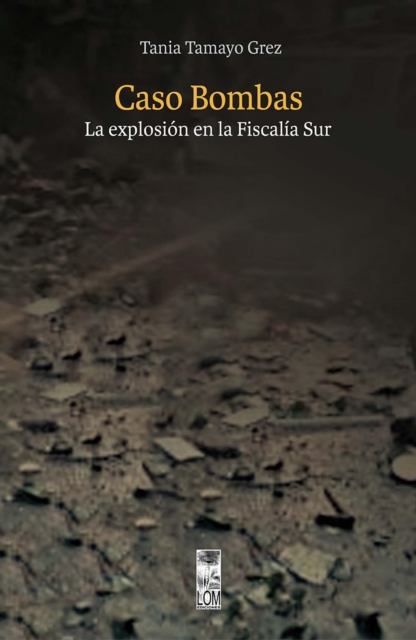
Investigación periodística que revela la preparación y las consecuencias del golpe militar en Valparaíso en 1973, analizando el protagonismo de la Armada y de las otras ramas de las fuerzas armadas y de orden en el puerto y en sus alrededores.
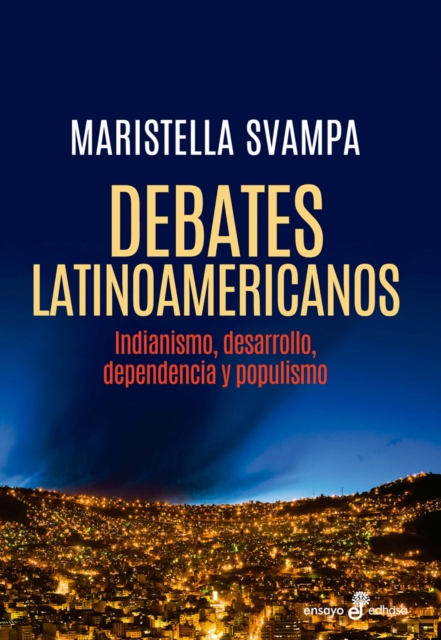
Este no es un libro contra aquellos que se autodefinen como indígenas, sino contra los creadores de esa ideología llamada ¨indigenismo¨, que han llevado a esa población a un callejón sin salida y a perder todo contacto con el resto de sus compañeros de clse, hecho que se refleja en un empeoramiento generalizado de sus condiciones de vida, que no es más que la consecuencia de una estrategia equivocada.
Escritos en el tiempo es una seleccion de articulos periodisticos y columnas de opinion que tienen como eje central la literatura y su relacion con la ciencia y la musica, mostrando el lugar que ocupa la sensibilidad artistica y literaria en la cultura general.
De la lectura de todos estos trabajos periodisticos se constata que, pese a todos los problemas economicos, de medios tecnicos, educativos y de formacion de publicos conscientes, el periodismo chileno esta vivo, no baja la cabeza, y no deja de investigar y publicar las historias que impactan, que ponen nerviosos a los poderes del pais, y que ayudan a formar ciudadanos conscientes e informados.
Hasta hace muy poco, China y Rusia aparecian en el imaginario social de los latinoamericanos comolugares magicos, misticos, distintos y extraordinariamente distantes.
Esta obra aborda, desde una perspectiva multidisciplinaria, la participacion politica de mujeres indigenas a traves del analisis detallado de experiencias localizadas en cinco paises de America Latina (Mexico, Guatemala, Colombia, Chile y Argentina).
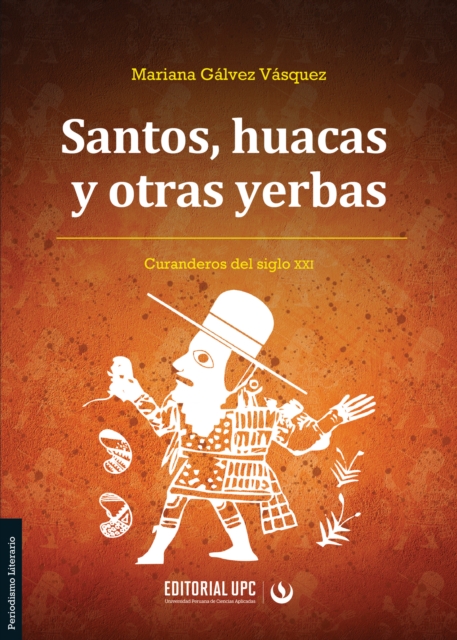
Santos, huacas y otras yerbas nos introduce en el universo del arte ancestral del curanderismo situado en la región peruana de Lambayeque, lugar que vio nacer a la autora del libro, la periodista Mariana Gálvez Vásquez.
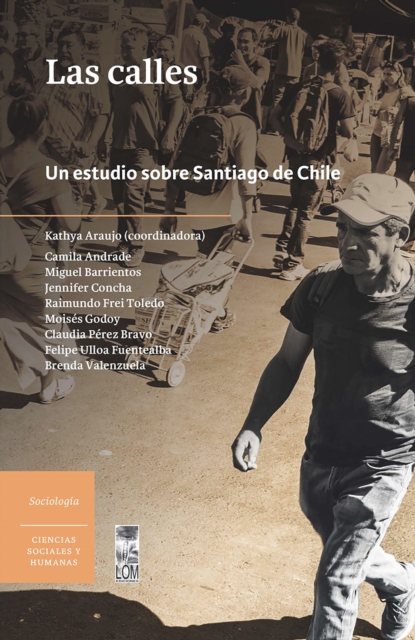
Santiago es una ciudad irritada, dividida, llena de microconflictos, en la que la relacion con los otros tiende a entenderse como un espacio de despliegue de fuerza, y la idea de la vida en conjunto y de lo comun es muy vaga
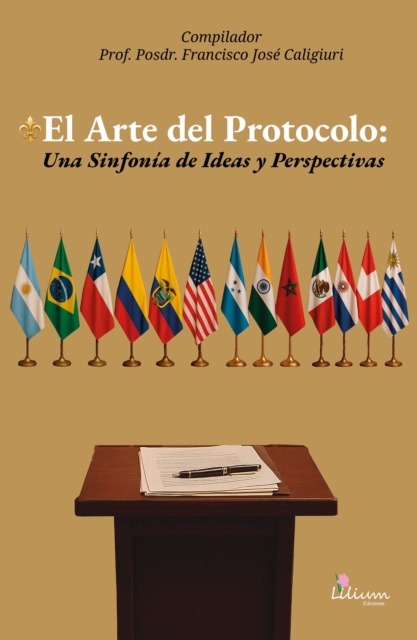
El Arte del Protocolo: Una Sinfonia de Ideas y Perspectivas es una obra coral que reune las voces, reflexiones y saberes de 22 academicos e investigadores provenientes de Argentina, Brasil, Chile, Colombia, Ecuador, Estados Unidos, Honduras, India, Marruecos, Mexico, Paraguay, Peru y Uruguay.
«Concebido como una investigación que expone su polemismo desde el propio título, Harari dirige su libro contra los historiadores que ocluyen el sino revolucionario de Mayo […] Con su mezcla de arrojo político y valentía teórica, Harari nos devuelve los viejos episodios de la revolución de mayo a la luz de una nueva oportunidad de hacerlos nuestros contemporáneos».
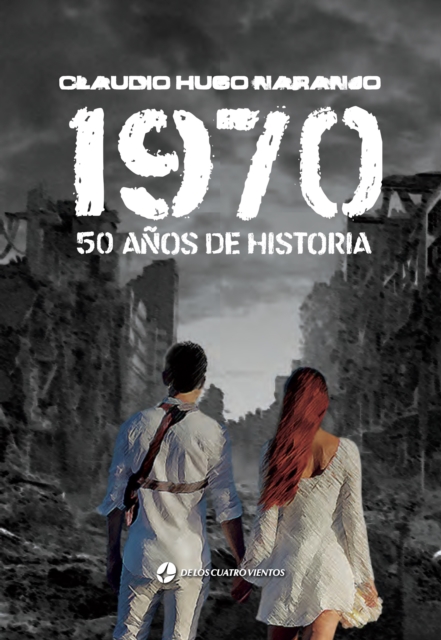
Sumérgete en "1970: 50 años de historia", donde Claudio Hugo Naranjo ofrece un fascinante relato de los momentos más impactantes de la historia argentina reciente.
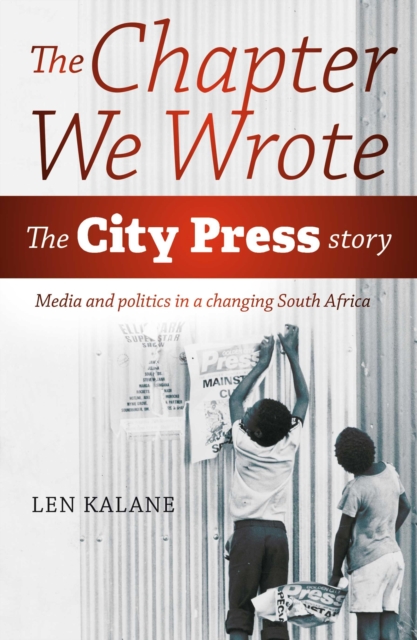
In The Chapter We Wrote, Len Kalane, former editor of the newspaper, tells not only the story of City Press, but also a tale of the stories and events that shaped contemporary South Africa.
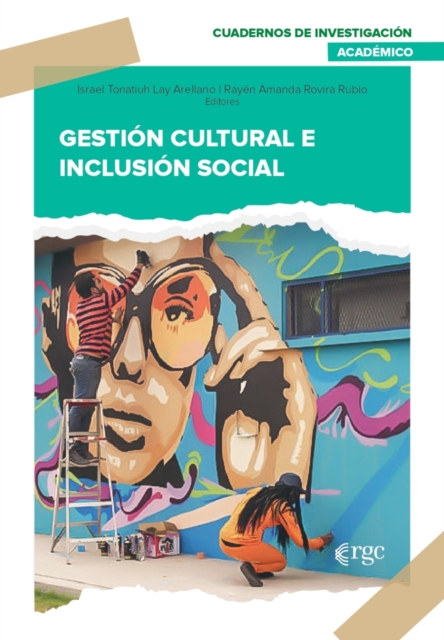
El libro Gestion cultural e inclusion social, coordinado por Israel Tonatiuh Lay Arellano y Rayen Amanda Rovira Rubio, reune experiencias, reflexiones y marcos conceptuales sobre la articulacion entre cultura, inclusion y derechos humanos en America Latina.
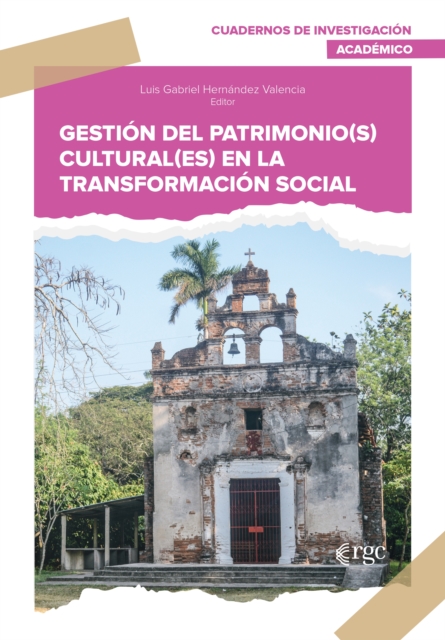
El libro Gestion del patrimonio(s) cultural(es) en la transformacion social, editado por Luis Gabriel Hernandez Valencia, reune investigaciones y experiencias que reflexionan sobre el papel del patrimonio cultural como motor de cambio en las comunidades latinoamericanas.
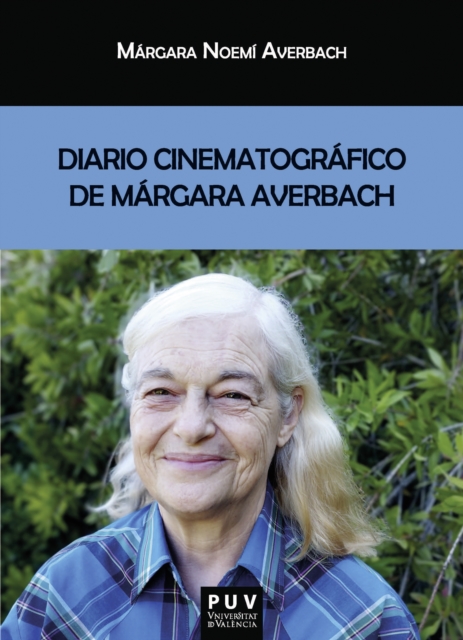
A partir de algunas de las reseñas de películas y series publicadas por la autora en Facebook entre 2015 y 2022, se plantean, entre muchas otras cuestiones, las siguientes preguntas: ¿en qué sentido son diferentes las reseñas que se publican en diarios y revistas de las que aparecen en redes sociales como Facebook?
Privilegiados y populares surgio con el proposito de contribuir a la configuracion de la historia social de Cali durante la primera mitad del siglo xx.
El conjunto de trabajos que se hallan en este libro, reconocen las diversas formas de nacer, vivir, afrontar y morir que se estructuran en nuestra sociedad.
Una característica clave de quienes trabajan para el Estado y le dan forma es que afirman sacrificar sus intereses personales y ejercer su función de modo desinteresado, por el bien común.
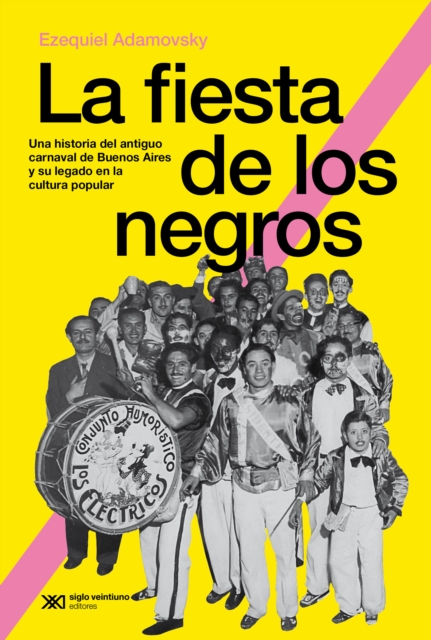
Mirando los pequeños corsos actuales, nadie podría sospechar la extraordinaria masividad que alcanzaba el carnaval a fines del siglo XIX, cuando Buenos Aires mutaba al ritmo de la inmigración.
Magie blanche : La capacite fantastique de comprendre, percevoir et utiliser consciemment les forces energetiques omnipresentes Il y a plus entre le ciel et la terre que la science ne peut l'expliquer.
""Elegir a Atahualpa como personaje central de un libro es un reto para todo historiador de los Andes, Nos alegra que Ileana Almeida haya podido mostrar en pocas páginas lo fundamental de esa vida que tuvo por única vez la posibilidad de observar y ser observada por los conquistadores (…) El Atahualpa de Juan de Betanzos repensado por Almeida es un personaje que captura la atención de sus lectores" Retana y Luis Millones "La mayoría de las lenguas indígenas son aglutinantes, es decir, que aglutinan a la raíz de sufijos.
Die Sexual- und Medienpadagogin Madita Oeming erklart, wie Eltern ihre Kinder kompetent im sicheren und selbstbestimmten Umgang mit sexuellen Medien begleiten konnen.
Magia Bianca: La fantastica capacita di comprendere, percepire e utilizzare consapevolmente le forze energetiche onnipresenti"e;C'e piu tra cielo e terra di quanto la scienza possa spiegare.
Witte magie: Het fantastische vermogen om alomtegenwoordige energetische krachten te begrijpen, waar te nemen en doelgericht te gebruiken"e;Er is meer tussen hemel en aarde dan de natuurwetenschap kan verklaren.