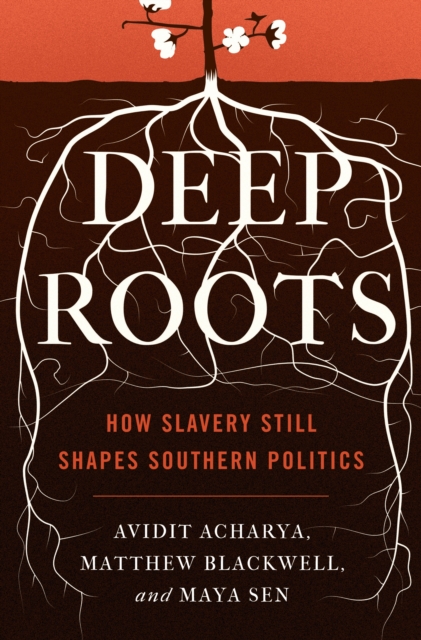
The lasting effects of slavery on contemporary political attitudes in the American SouthDespite dramatic social transformations in the United States during the last 150 years, the South has remained staunchly conservative.
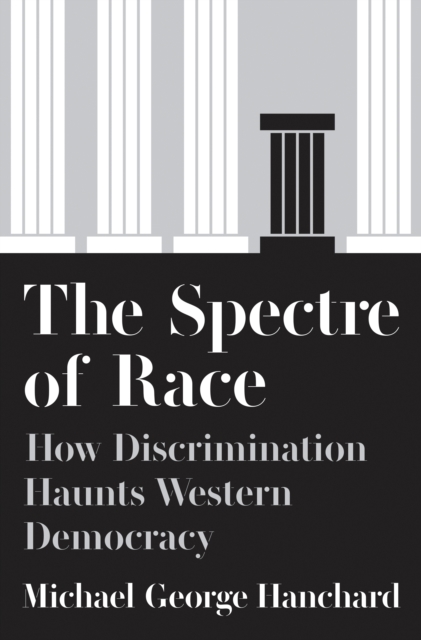
How racism and discrimination have been central to democracies from the classical period to todayAs right-wing nationalism and authoritarian populism gain momentum across the world, liberals, and even some conservatives, worry that democratic principles are under threat.
What the financial diaries of working-class families reveal about economic stresses, why they happen, and what policies might reduce themDeep within the American Dream lies the belief that hard work and steady saving will ensure a comfortable retirement and a better life for one's children.
How the transgender experience opens up new possibilities for thinking about gender and raceIn the summer of 2015, shortly after Caitlyn Jenner came out as transgender, the NAACP official and political activist Rachel Dolezal was "e;outed"e; by her parents as white, touching off a heated debate in the media about the fluidity of gender and race.
Since German reunification in 1990, there has been widespread concern about marginalized young people who, faced with bleak prospects for their future, have embraced increasingly violent forms of racist nationalism that glorify the country's Nazi past.
The Political Poetess challenges familiar accounts of the figure of the nineteenth-century Poetess, offering new readings of Poetess performance and criticism.
A comparative look at how discrimination is experienced by stigmatized groups in the United States, Brazil, and IsraelRacism is a common occurrence for members of marginalized groups around the world.
An up-to-date and comparative look at immigration in Europe, the United States, and CanadaStrangers No More is the first book to compare immigrant integration across key Western countries.
A beautifully illustrated history of the human encounter with unreasonThe loss of reason, a sense of alienation from the commonsense world we all like to imagine we inhabit, the shattering emotional turmoil that seizes hold and won't let go-these are some of the traits we associate with madness.
How security procedures could be positive, safe, and effectiveThe inspections we put up with at airport gates and the endless warnings we get at train stations, on buses, and all the rest are the way we encounter the vast apparatus of U.
This book traces the origins of the "e;illegal alien"e; in American law and society, explaining why and how illegal migration became the central problem in U.
A historical overview of the census race question-and a bold proposal for eliminating itAmerica is preoccupied with race statistics-perhaps more than any other nation.
The Color of Success tells of the astonishing transformation of Asians in the United States from the "e;yellow peril"e; to "e;model minorities"e;--peoples distinct from the white majority but lauded as well-assimilated, upwardly mobile, and exemplars of traditional family values--in the middle decades of the twentieth century.
This richly textured social history recovers the voices and experiences of poor Egyptians--beggars, foundlings, the sick and maimed--giving them a history for the first time.
A gripping portrait of black power politics and the struggle for civil rights in postwar OaklandAs the birthplace of the Black Panthers and a nationwide tax revolt, California embodied a crucial motif of the postwar United States: the rise of suburbs and the decline of cities, a process in which black and white histories inextricably joined.
In the 1980s, a research team led by Parisian scientists identified several unique DNA sequences, or haplotypes, linked to sickle cell anemia in African populations.
Why race remains the central political issue in America todayWhy have American policies failed to reduce the racial inequalities still pervasive throughout the nation?
An inside look at how community service organizations really workVolunteering improves inner character, builds community, cures poverty, and prevents crime.
Two trends are dramatically altering the American political landscape: growing immigration and the rising prominence of independent and nonpartisan voters.
Charles Perrow is famous worldwide for his ideas about normal accidents, the notion that multiple and unexpected failures--catastrophes waiting to happen--are built into our society's complex systems.
A powerful new argument for reviving the ideal of racial integrationMore than forty years have passed since Congress, in response to the Civil Rights Movement, enacted sweeping antidiscrimination laws in the Civil Rights Act of 1964, the Voting Rights Act of 1965, and the Fair Housing Act of 1968.
The paradox of racial inequality in Barack Obama's AmericaBarack Obama, in his acclaimed campaign speech discussing the troubling complexities of race in America today, quoted William Faulkner's famous remark "e;The past isn't dead and buried.
Equal opportunity in the workplace is thought to be the direct legacy of the civil rights and feminist movements and the landmark Civil Rights Act of 1964.
The truth about America's elite colleges and universities-who gets in, who succeeds, and whyAgainst the backdrop of today's increasingly multicultural society, are America's elite colleges admitting and successfully educating a diverse student body?
In the popular misconception fostered by blockbuster action movies and best-selling thrillers--not to mention conventional explanations by social scientists--violence is easy under certain conditions, like poverty, racial or ideological hatreds, or family pathologies.
Enlightenment in the Colony opens up the history of the "e;Jewish question"e; for the first time to a broader discussion--one of the social exclusion of religious and cultural minorities in modern times, and in particular the crisis of Muslim identity in modern India.
Liberty and the News is Walter Lippman's classic account of how the press threatens democracy whenever it has an agenda other than the free flow of ideas.
Locking up men who beat their partners sounds like a tremendous improvement over the days when men could hit women with impunity and women fearing for their lives could expect no help from authorities.