How Americans learned to wait on time for racial changeWhat if, Joseph Darda asks, our desire to solve racism with science, civil rights, antiracist literature, integration, and color blindness has entrenched it further?
The Life of Paper offers a wholly original and inspiring analysis of how people facing systematic social dismantling have engaged letter correspondence to remake themselvesfrom bodily integrity to subjectivity and collective and spiritual being.
First published in 1943, this classic memoir by well-known Filipino poet Carlos Bulosan describes his boyhood in the Philippines, his voyage to America, and his years of hardship and despair as an itinerant laborer following the harvest trail in the rural West.
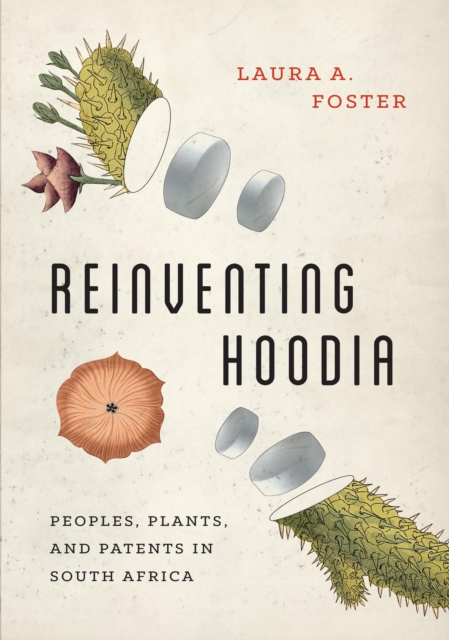
Native to the Kalahari Desert, Hoodia gordonii is a succulent plant known by generations of Indigenous San peoples to have a variety of uses: to reduce hunger, increase energy, and ease breastfeeding.
In 2012, the United Nations General Assembly determined that affordable Internet access is a human right, critical to citizen participation in democratic governments.
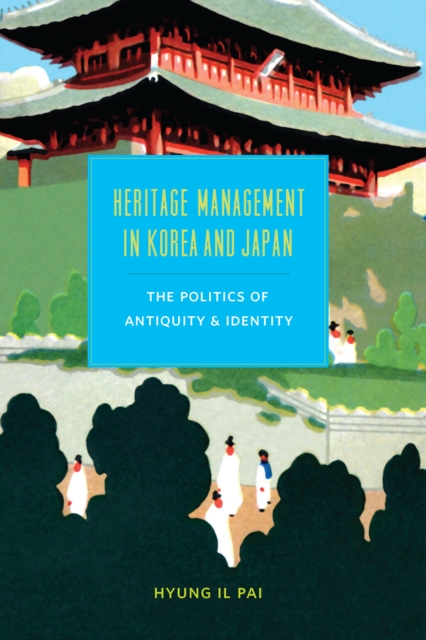
Imperial tombs, Buddhist architecture, palaces, and art treasures in Korea and Japan have attracted scholars, collectors, and conservatorsand millions of tourists.
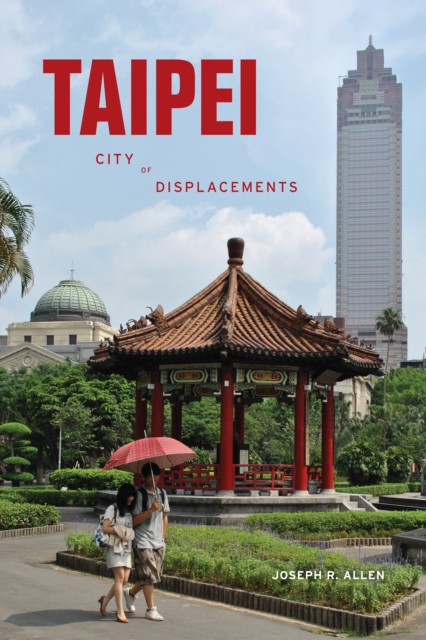
Winner of the Joseph Levenson Post-1900 Book PrizeThis cultural study of public space examines the cityscape of Taipei, Taiwan, in rich descriptive prose.
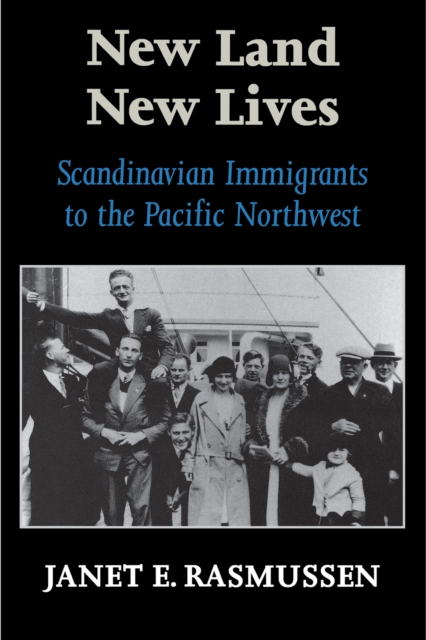
New Land, New Lives captures the voices of Scandinavian men and women who crossed the Atlantic during the early decades of the 20th century and settled in the Pacific Northwest.
Finalist for the 2017 Lambda Literary "e;Lammy"e; Award in LGBTQ StudiesThe first book to examine the correlation between mixed-race identity and HIV/AIDS among Native American gay men and transgendered people, Indian Blood provides an analysis of the emerging and often contested LGBTQ "e;two-spirit"e; identification as it relates to public health and mixed-race identity.
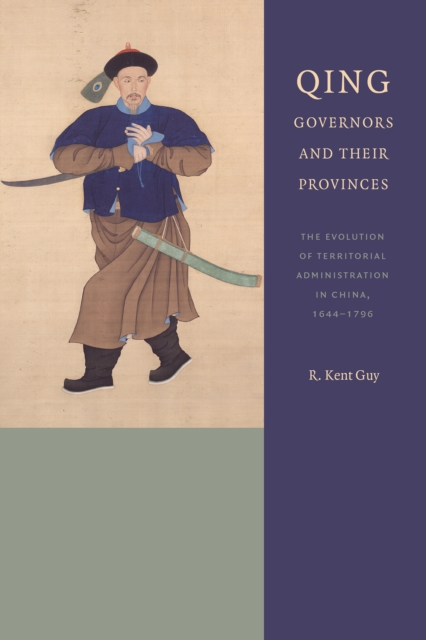
During the Qing dynasty (16441911), the province emerged as an important element in the management of the expanding Chinese empire, with governors -- those in charge of these increasingly influential administrative units -- playing key roles.
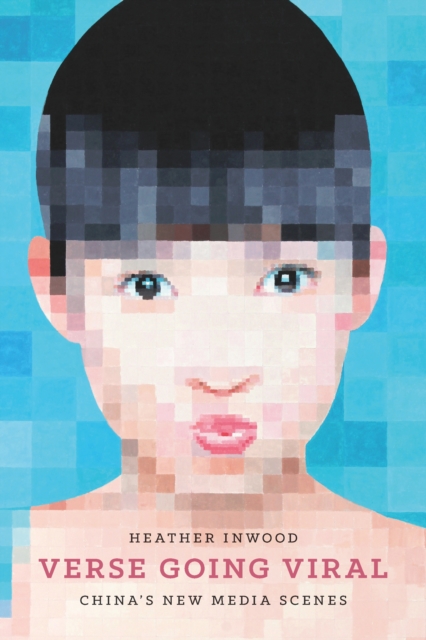
Verse Going Viral examines what happens when poetry, a central pillar of traditional Chinese culture, encounters an era of digital media and unabashed consumerism in the early twenty-first century.
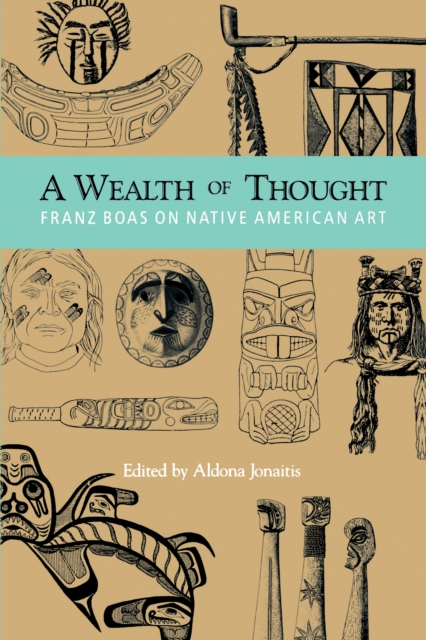
Although Franz Boas--one of the most influential anthropologists of the twentieth century--is best known for his voluminous writings on cultural, physical, and linguistic anthropology, he is also recognized for breaking new ground in the study of so-called primitive art.
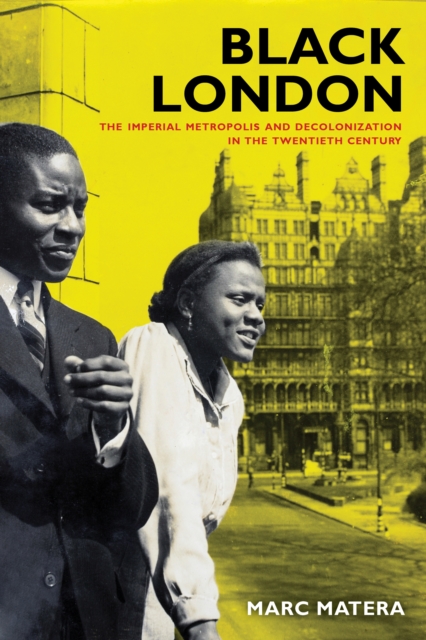
This vibrant history of London in the twentieth century reveals the city as a key site in the development of black internationalism and anticolonialism.
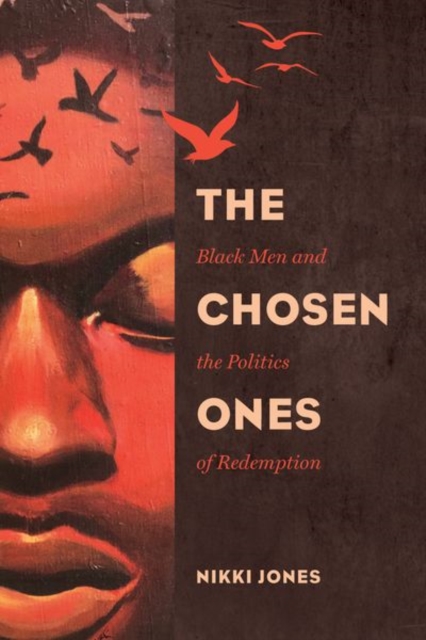
InThe Chosen Ones, sociologist and feminist scholar Nikki Jones shares the compelling story of a group of Black men living in San Francisco's historically Black neighborhood, the Fillmore.
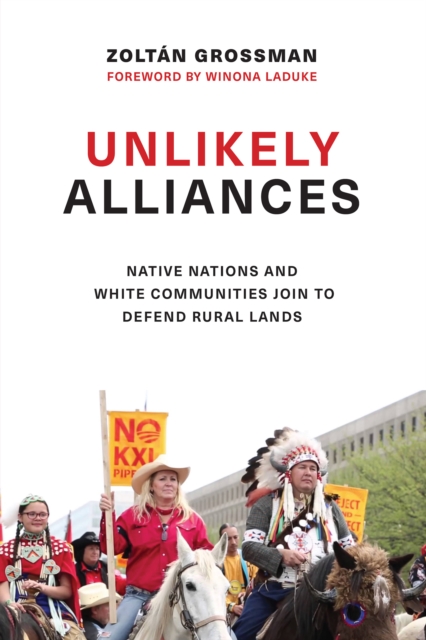
Often when Native nations assert their treaty rights and sovereignty, they are confronted with a backlash from their neighbors, who are fearful of losing control of the natural resources.
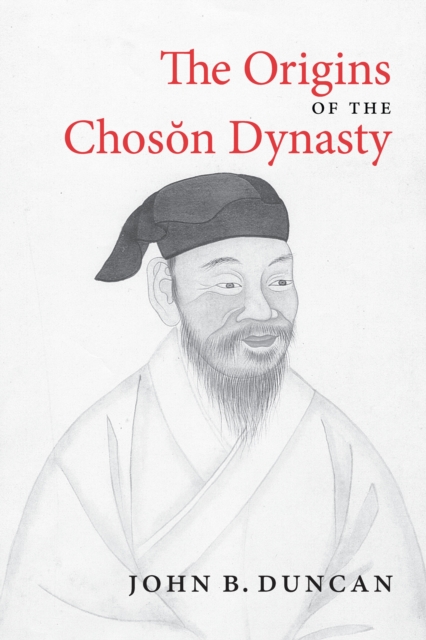
The Origins of the Choson Dynasty provides an exhaustive analysis of the structure and composition of Korea's central officialdom during the transition from the Koryo dynasty (918-1392) to the Choson dynasty (1392-1910) and offers a new interpretation of the history of traditional Korea.
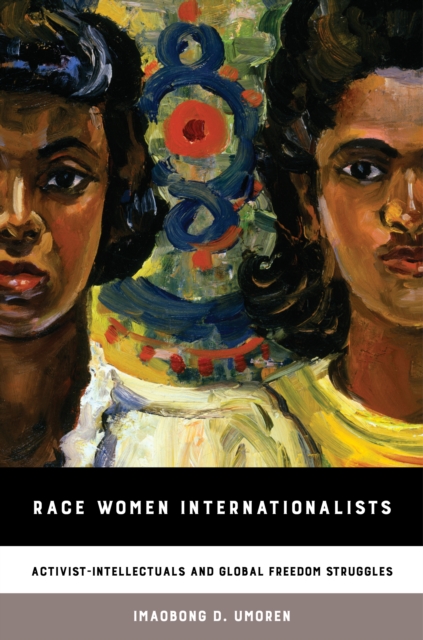
Race Women Internationalists explores how a group of Caribbean and African American women in the early and mid-twentieth century traveled the world to fight colonialism, fascism, sexism, and racism.
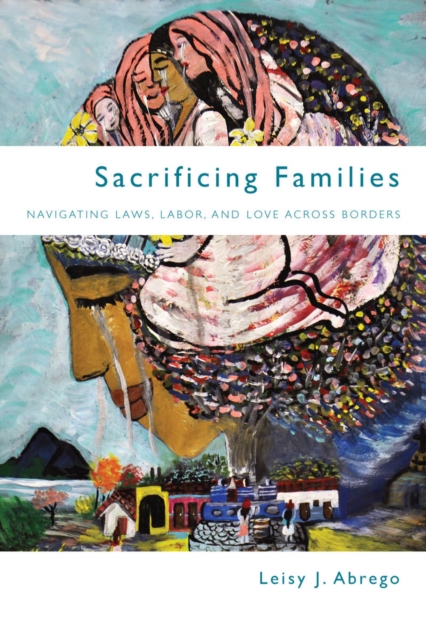
Widening global inequalities make it difficult for parents in developing nations to provide for their children, and both mothers and fathers often find that migration in search of higher wages is their only hope.
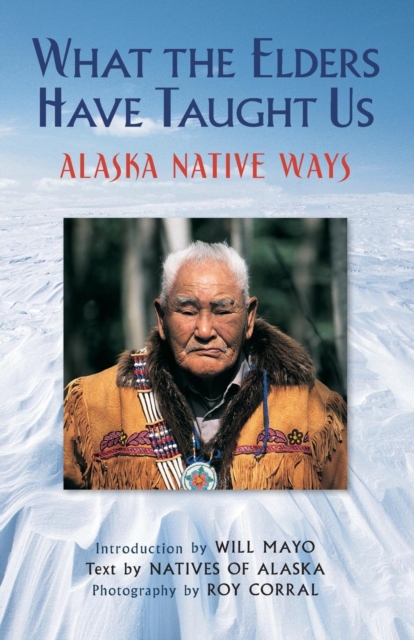
This wonderful book gives the reader a glimpse into the cultural soul of the Alaska Native people, revealing how culture is very much alive and traditions are thriving.
A founding member of the acclaimed New York-based company Mabou Mines, Breuer's gifts as a writer and director have have made him a mainstay of the theatrical avant-garde.
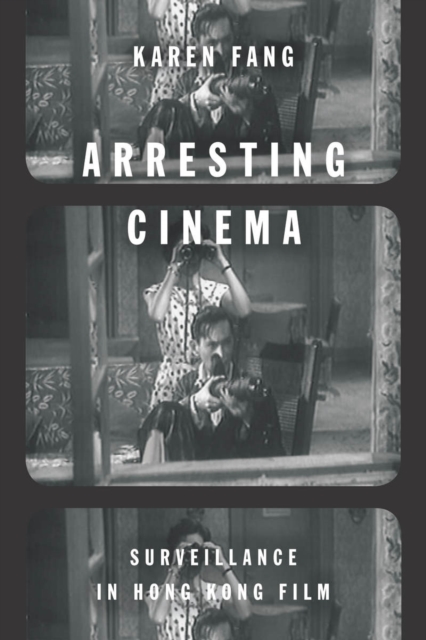
When Ridley Scott envisioned Blade Runner's set as "e;Hong Kong on a bad day,"e; he nodded to the city's overcrowding as well as its widespread use of surveillance.
There is a tendency to think of Korean American literature-and Asian American literature writ large-as a field of study involving only two spaces, the United States and Korea, with the same being true in Asian studies of Korean Japanese (Zainichi) literature involving only Japan and Korea.
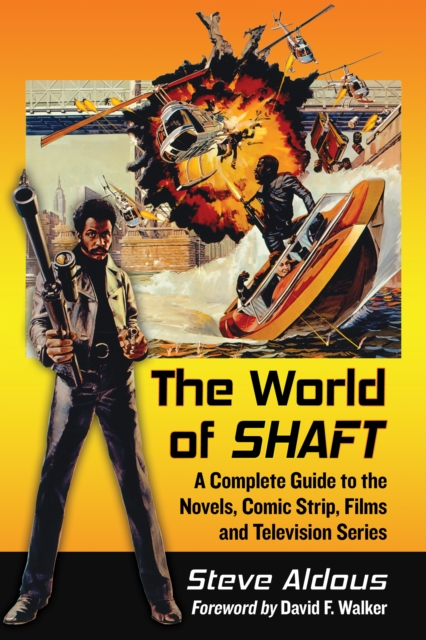
Mention Shaft and most people think of Gordon Parks' seminal 1971 film starring Richard Roundtree in a leather coat, walking the streets of Manhattan to Isaac Hayes' iconic theme music.
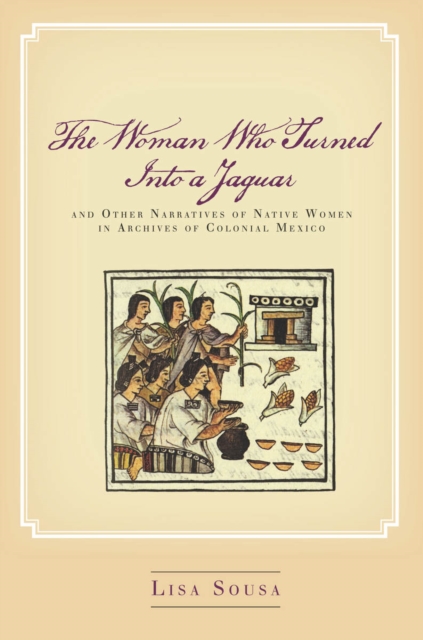
This book is an ambitious and wide-ranging social and cultural history of gender relations among indigenous peoples of New Spain, from the Spanish conquest through the first half of the eighteenth century.
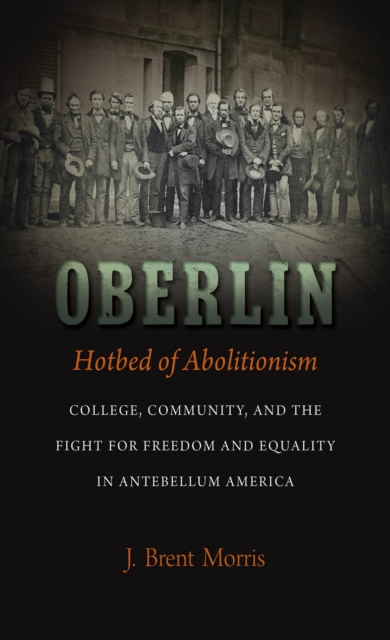
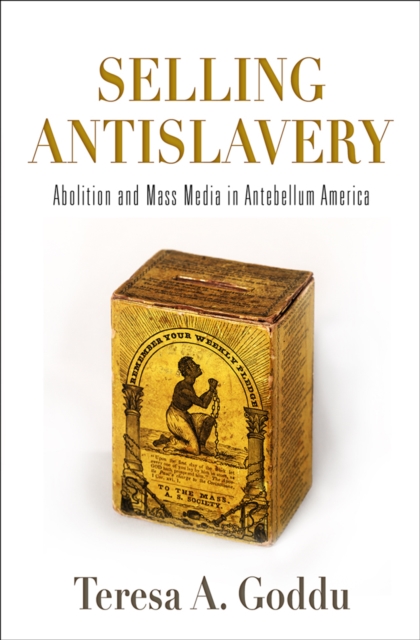
Beginning with its establishment in the early 1830s, the American Anti-Slavery Society (AASS) recognized the need to reach and consolidate a diverse and increasingly segmented audience.
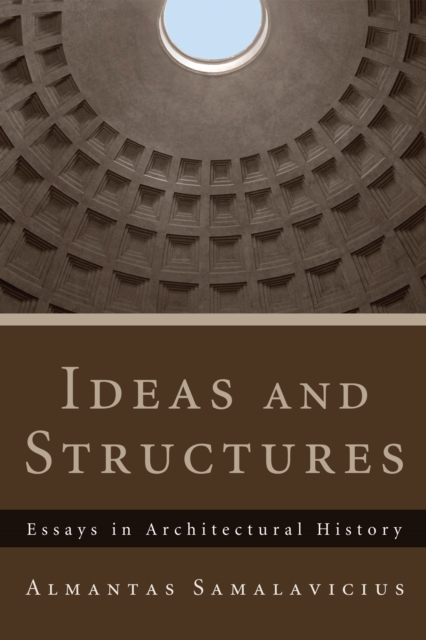
This book is a scholarly inquiry into several dimensions of culture, exploring the close relationship between architecture and metaphysical ideas as well as religious and philosophical concepts in each period of human history, a relationship which has, however, been largely forgotten or neglected by modernity.
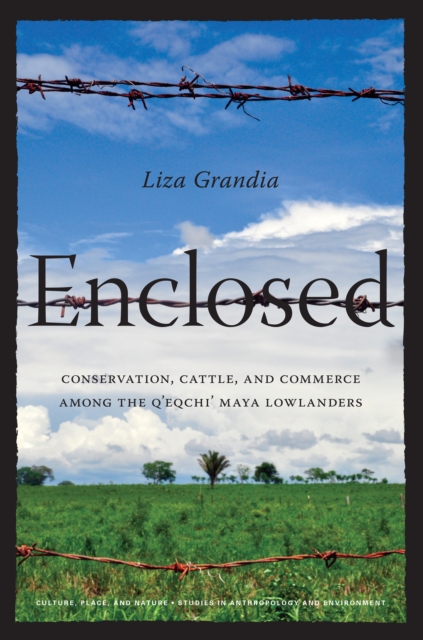
This impassioned and rigorous analysis of the territorial plight of the Q'eqchi Maya of Guatemala highlights an urgent problem for indigenous communities around the world - repeated displacement from their lands.
Following the removal of the gray whale from the Endangered Species list in 1994, the Makah tribe of northwest Washington State announced that they would revive their whale hunts; their relatives, the Nuu-chah-nulth Nation of British Columbia, shortly followed suit.
"e;How Capitalism Underdeveloped Black America is one of those paradigm-shifting, life-changing texts that has not lost its currency or relevance even after three decades.