This book responds to a critical geopolitical moment where decolonial thought, praxis, and pedagogy confront urgent questions of resistance in the face of Palestinian genocide and scholasticide, alongside other forms of state-sanctioned colonial violence against Black, Indigenous, immigrant, and displaced peoples worldwide.
Richtige Story, falsche Story zeigt, wie die Geschichten, die wir uns über Fortschritt, Freiheit und Erfolg erzählen, unsere Welt aus dem Gleichgewicht bringen – und wie andere, tragfähigere Erzählungen aussehen könnten.
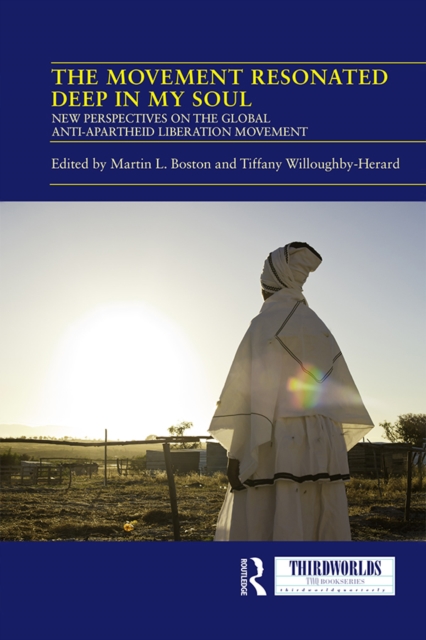
This book delves into the past and present of South African liberation movements, exploring how they intertwine movement theory and practice rooted in diaspora experiences, cultural production, anti-apartheid activism, and transnational solidarity.
Abdullah Ocalan and the Making of the PKK: A Political Biography offers a powerful and original account of one of the most influential and controversial figures in Middle Eastern politics.
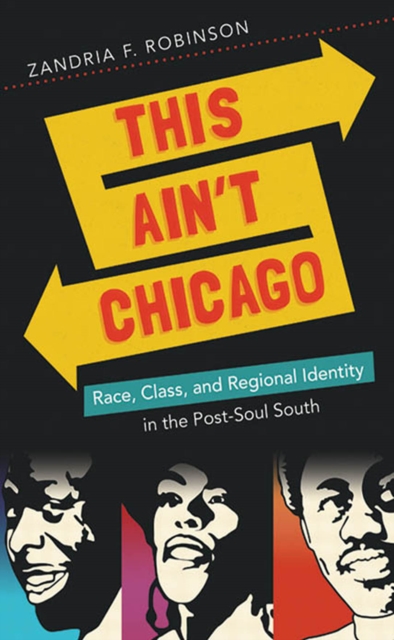
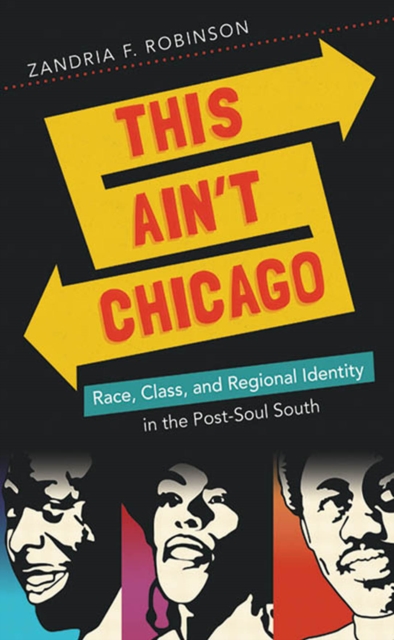
When Zandria Robinson returned home to interview African Americans in Memphis, she was often greeted with some version of the caution I hope you know this aint Chicago.
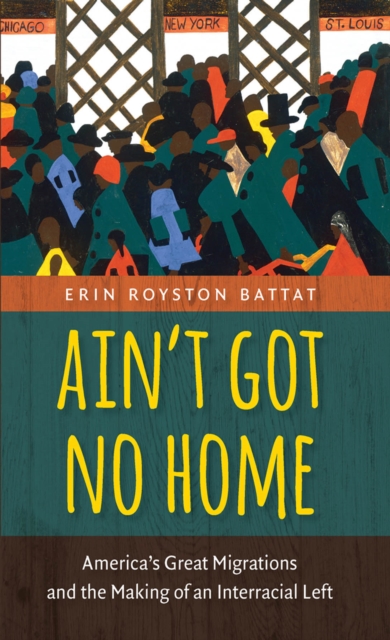
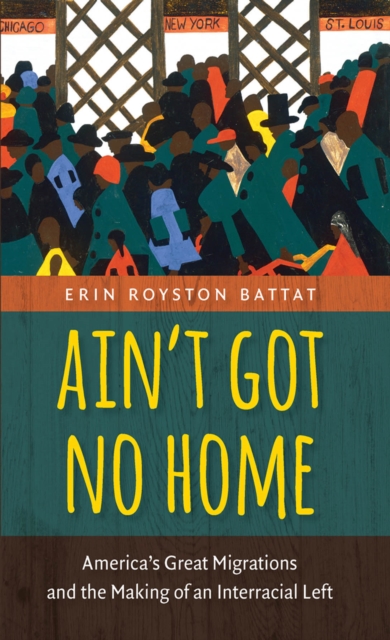
Most scholarship on the mass migrations of African Americans and southern whites during and after the Great Depression treats those migrations as separate phenomena, strictly divided along racial lines.
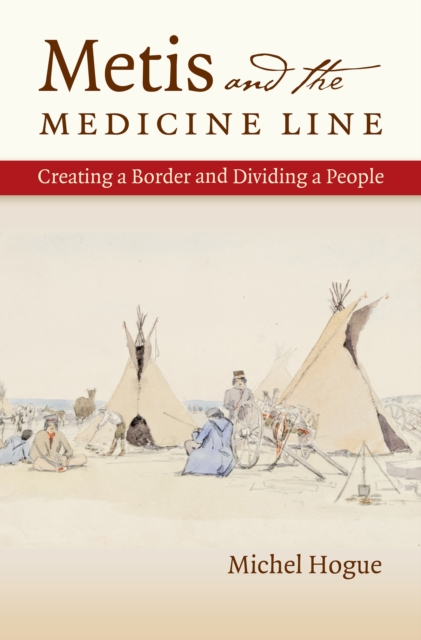
Born of encounters between Indigenous women and Euro-American men in the first decades of the nineteenth century, the Plains Metis people occupied contentious geographic and cultural spaces.
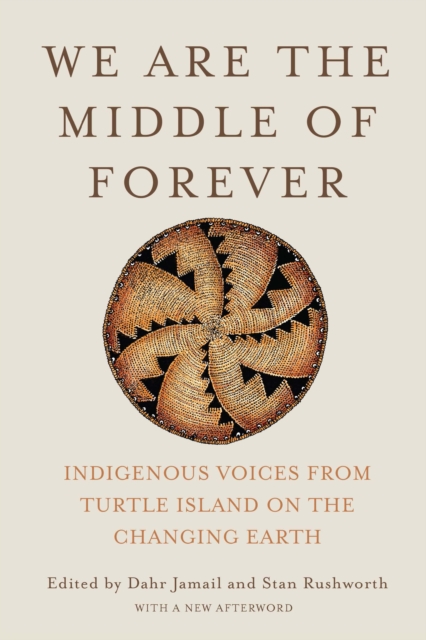
With a new afterword by the authorsA powerful, intimate collection of conversations with Indigenous Americans on the climate crisis and the Earth's futureAlthough for a great many people, the human impact on the Earth countless species becoming extinct, pandemics claiming millions of lives, and climate crisis causing worldwide social and environmental upheaval was not apparent until recently, this is not the case for all people or cultures.
Research Paper (postgraduate) from the year 2008 in the subject South Asian Studies, South-Eastern Asian Studies, grade: A, , language: English, abstract: Online media and its increasing usage rate have changed the marketer's world for targeting their consumers.
The Routledge Handbook of African Borderlands provides a comprehensive analysis of the factors shaping the past, present, and future of African borderlands, in all their complexity.
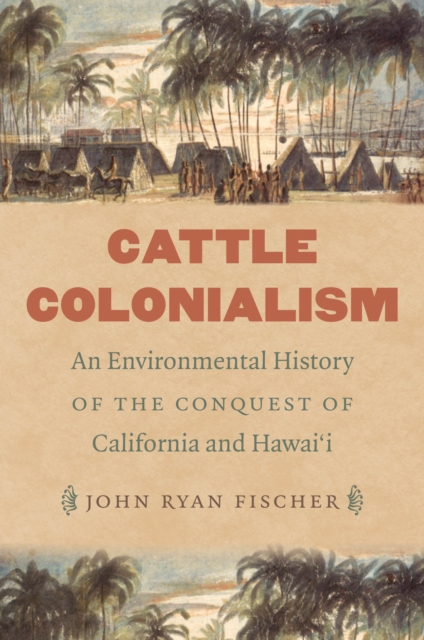
In the nineteenth century, the colonial territories of California and Hawai'i underwent important cultural, economic, and ecological transformations influenced by an unlikely factor: cows.
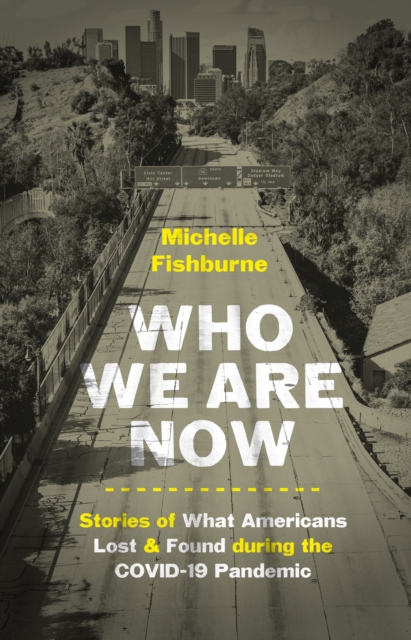
Michelle Fishburne did the unthinkable during the early days of the COVID-19 pandemic: she motor-homed 12,000 miles all over the United States and sat down with hundreds of people face to face.
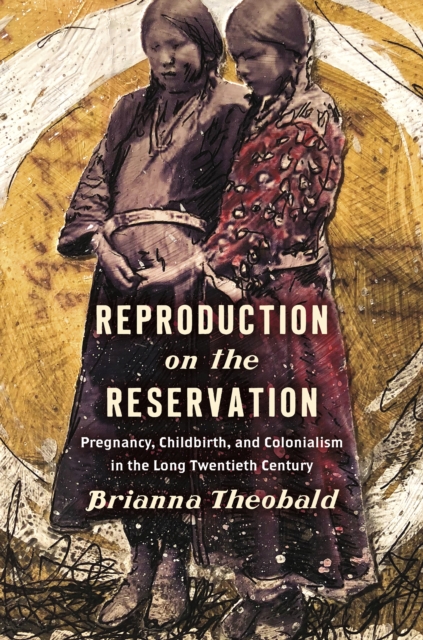
This pathbreaking book documents the transformation of reproductive practices and politics on Indian reservations from the late nineteenth century to the present, integrating a localized history of childbearing, motherhood, and activism on the Crow Reservation in Montana with an analysis of trends affecting Indigenous women more broadly.
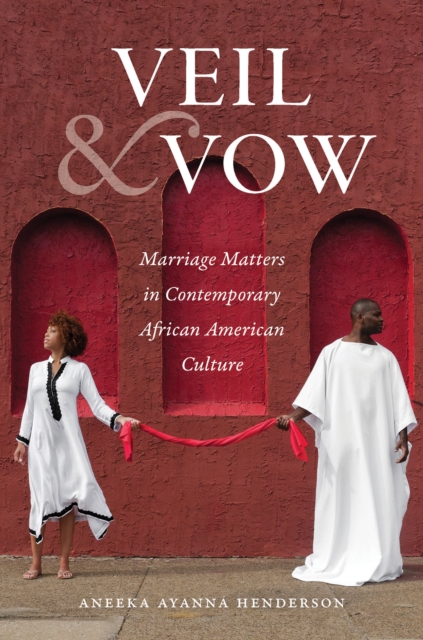
In Veil and Vow, Aneeka Ayanna Henderson places familiar, often politicized questions about the crisis of African American marriage in conversation with a rich cultural archive that includes fiction by Terry McMillan and Sister Souljah, music by Anita Baker, and films such as The Best Man.
In this rich interdisciplinary study, Sujani Reddy examines the consequential lives of Indian nurses whose careers have unfolded in the contexts of empire, migration, familial relations, race, and gender.
The origins of the Chan-kuo Ts'e (Intrigues of the warring states) as an entity can be traced to a palace librarian at the Han Court, Liu Hsiang (76-6 BCE), who compiled and edited the pre-Han texts (c.
In this sweeping history, leading Haitian intellectual Jean Casimir argues that the story of Haiti should not begin with the usual image of Saint-Domingue as the richest colony of the eighteenth century.
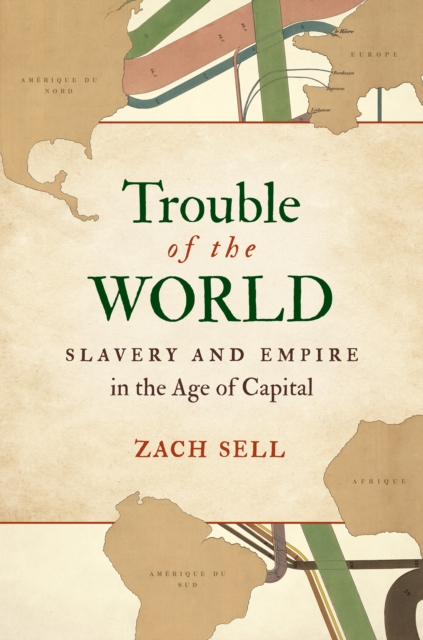
In this innovative new study, Zach Sell returns to the explosive era of capitalist crisis, upheaval, and warfare between emancipation in the British Empire and Black emancipation in the United States.
Most scholarship on the mass migrations of African Americans and southern whites during and after the Great Depression treats those migrations as separate phenomena, strictly divided along racial lines.
With a new afterword by the authorsA powerful, intimate collection of conversations with Indigenous Americans on the climate crisis and the Earth's futureAlthough for a great many people, the human impact on the Earth countless species becoming extinct, pandemics claiming millions of lives, and climate crisis causing worldwide social and environmental upheaval was not apparent until recently, this is not the case for all people or cultures.
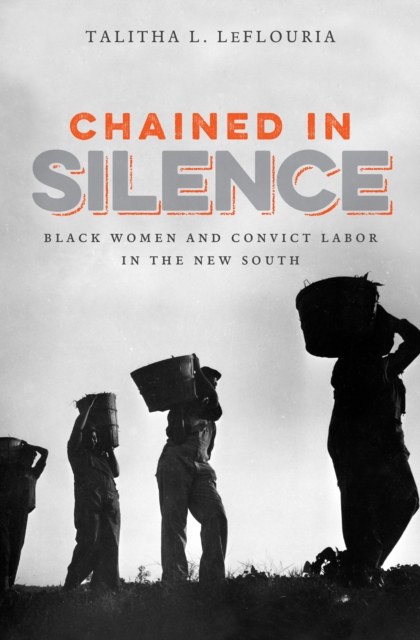
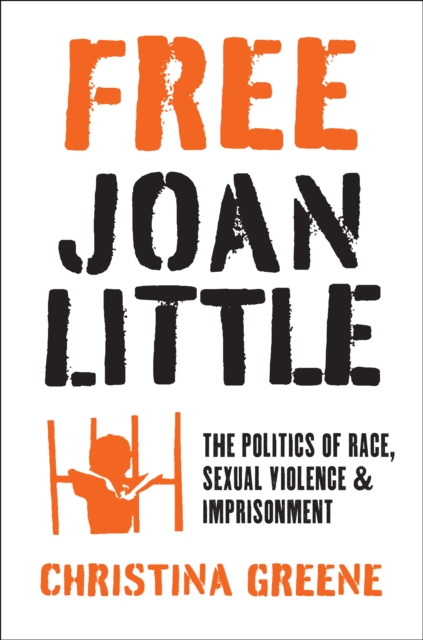
Early on a summer morning in 1974, local officials found the jailer Clarence Alligood stabbed to death in a cell in the womens section of a rural North Carolina jail.
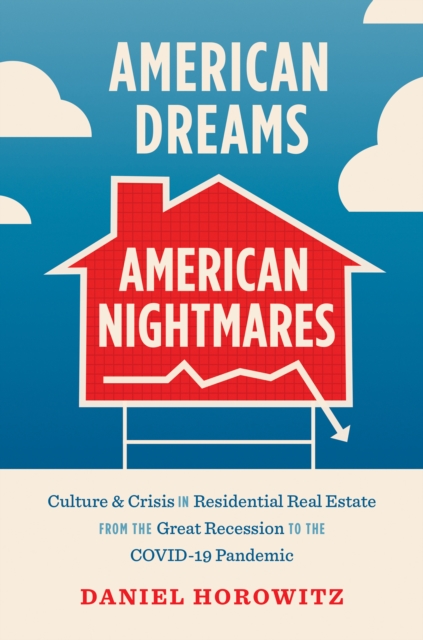
Two decades punctuated by the financial crisis of the Great Recession and the public health crisis of COVID-19 have powerfully reshaped housing in America.
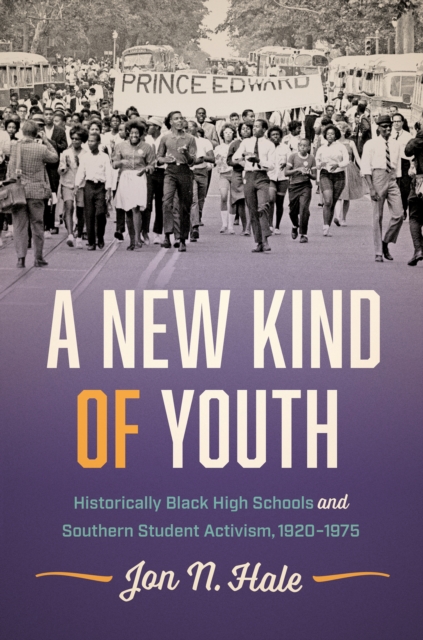
The story of activist youth in America is usually framed around the Vietnam War, the counterculture, and college campuses, focusing primarily on college students in the 1960s and 1970s.
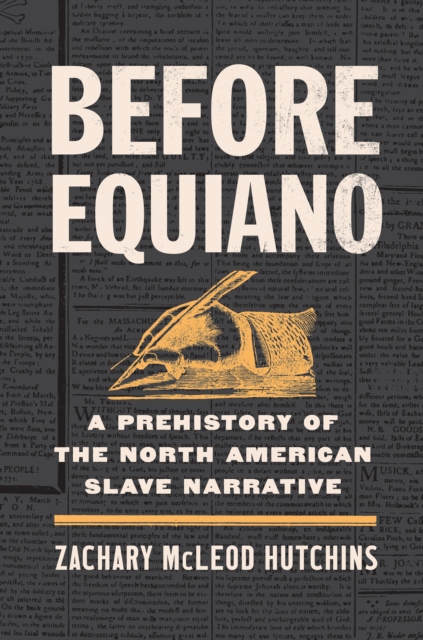
In the antebellum United States, formerly enslaved men and women who told their stories and advocated for abolition helped establish a new genre with widely recognized tropes: the slave narrative.
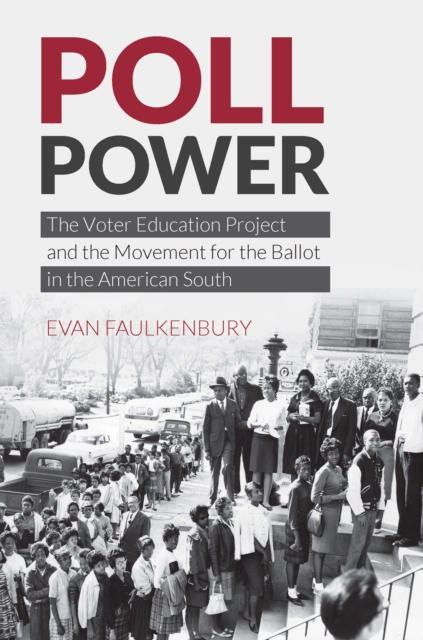
Reveals the multiple independent political tactics and strategies that African Americans have used to expand democracy and uphold civil and political rights since the founding of the nation.
In Illinois, the one-hundred-foot Cahokia Mound spreads impressively across sixteen acres, and as many as ten thousand more mounds dot the Ohio River Valley alone.
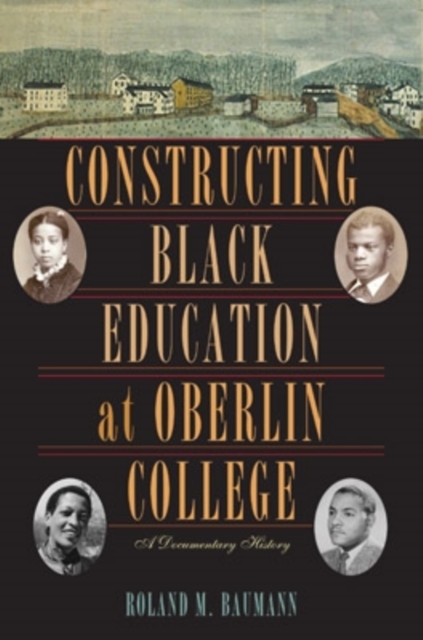
In 1835 Oberlin became the first institute of higher education to make a cause of racial egalitarianism when it decided to educate students "e;irrespective of color.
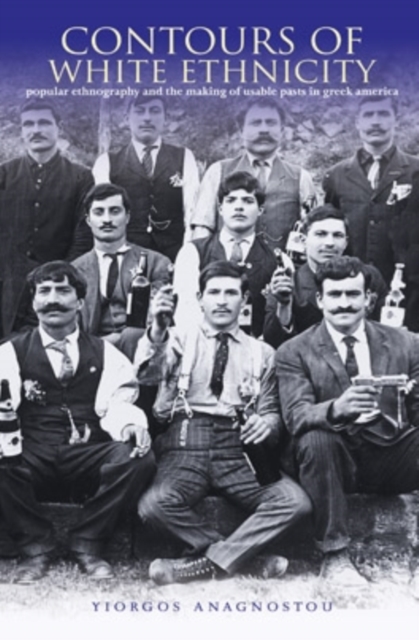
In Contours of White Ethnicity, Yiorgos Anagnostou explores the construction of ethnic history and reveals how and why white ethnics selectively retain, rework, or reject their pasts.
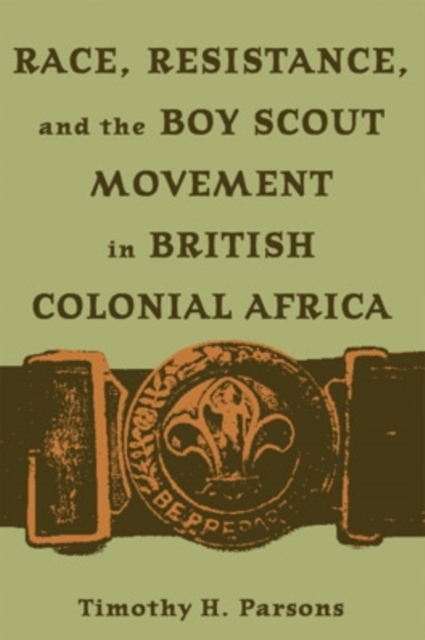
Conceived by General Sir Robert Baden-Powell as a way to reduce class tensions in Edwardian Britain, scouting evolved into an international youth movement.
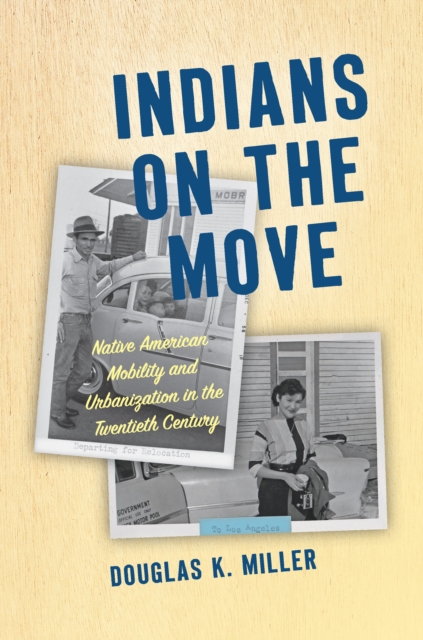
In 1972, the Bureau of Indian Affairs terminated its twenty-year-old Voluntary Relocation Program, which encouraged the mass migration of roughly 100,000 Native American people from rural to urban areas.
When Zandria Robinson returned home to interview African Americans in Memphis, she was often greeted with some version of the caution I hope you know this aint Chicago.
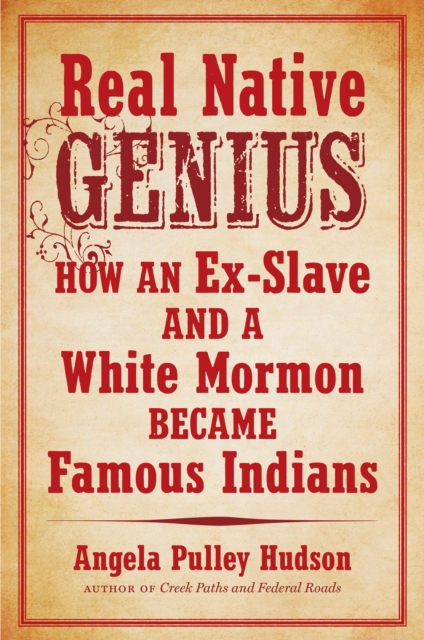
In the mid-1840s, Warner McCary, an ex-slave from Mississippi, claimed a new identity for himself, traveling around the nation as Choctaw performer Okah Tubbee.
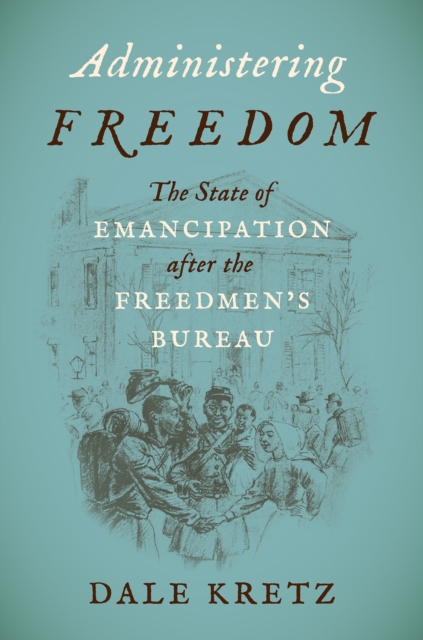
This book offers the definitive history of how formerly enslaved men and women pursued federal benefits from the Civil War to the New Deal and, in the process, transformed themselves from a stateless people into documented citizens.
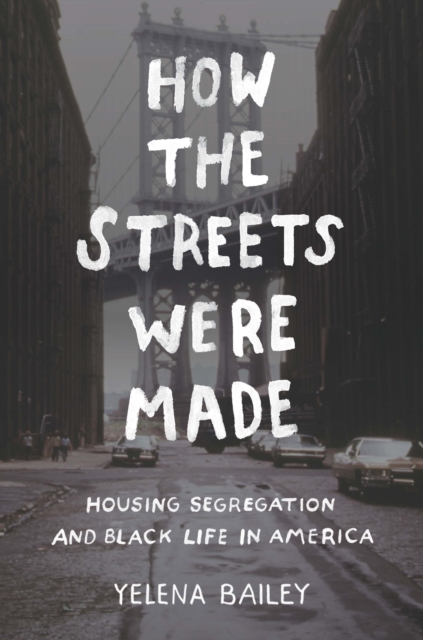
In this book, Yelena Bailey examines the creation of the streets not just as a physical, racialized space produced by segregationist policies but also as a sociocultural entity that has influenced our understanding of blackness in America for decades.