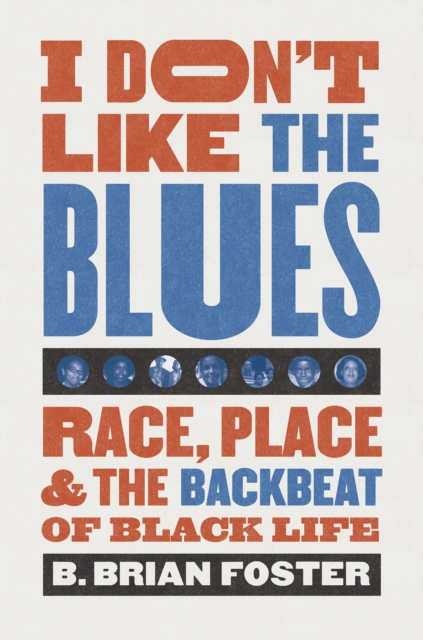
For over sixty years, American guitarist John Fahey (19392001) has been a storied figure, first within the folk and blues revival of the long 1960s, later for fans of alternative music.
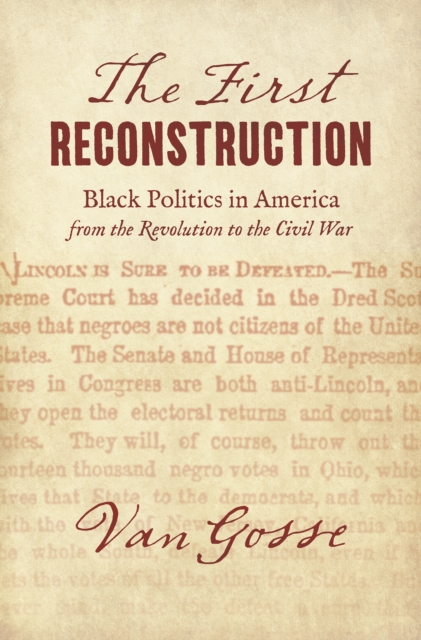
It may be difficult to imagine that a consequential black electoral politics evolved in the United States before the Civil War, for as of 1860, the overwhelming majority of African Americans remained in bondage.
Viola Franziska Mller examines runaways who camouflaged themselves among the free Black populations in Baltimore, Charleston, New Orleans, and Richmond.
Indigenous women migrants from Central America and Mexico face harrowing experiences of violence before, during, and after their migration to the United States, like all asylum seekers.
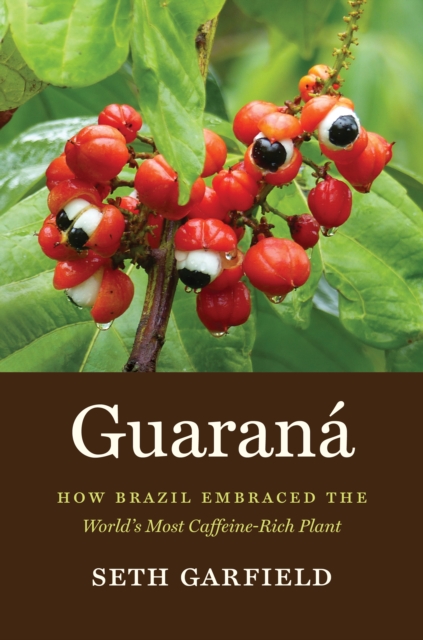
In this sweeping chronicle of guarana glossy-leaved Amazonian vine packed with more caffeine than any other plantSeth Garfield develops a wide-ranging approach to the history of Brazil itself.
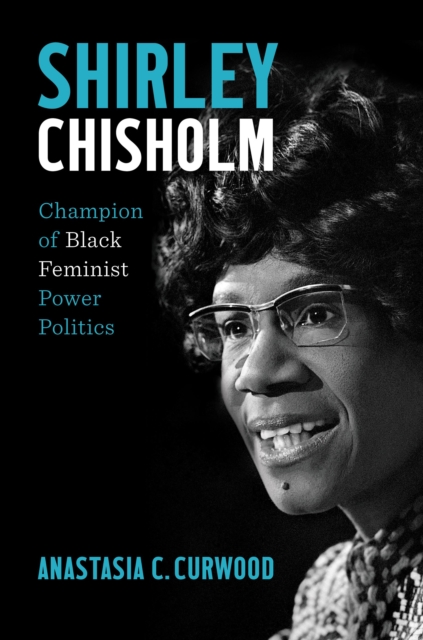
Shaking up New York and national politics by becoming the first African American congresswoman and, later, the first Black major-party presidential candidate, Shirley Chisholm left an indelible mark as an unbought and unbossed firebrand and a leader in politics for meaningful change.
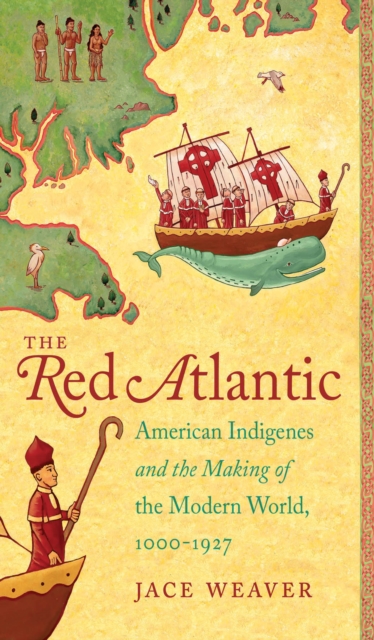
From the earliest moments of European contact, Native Americans have played a pivotal role in the Atlantic experience, yet they often have been relegated to the margins of the regions historical record.
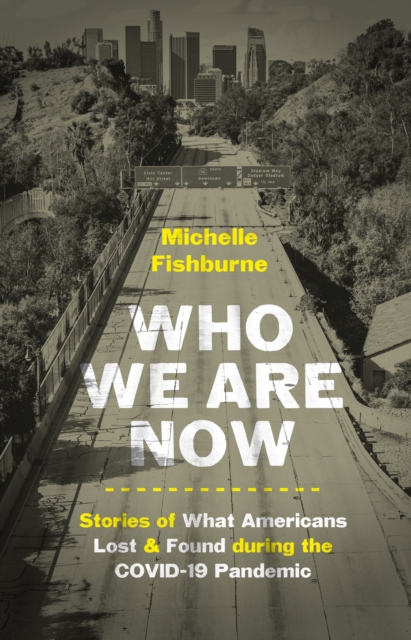
Michelle Fishburne did the unthinkable during the early days of the COVID-19 pandemic: she motor-homed 12,000 miles all over the United States and sat down with hundreds of people face to face.
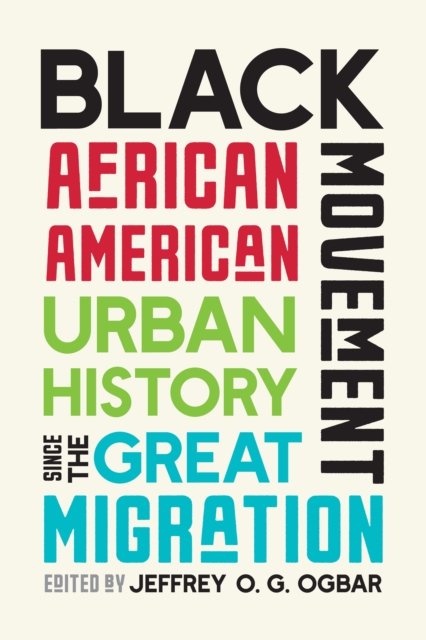
The Great Migration of African Americans from the South to northern and western cities between 1915 and 1970 fundamentally altered the political, social, and cultural landscapes of major urban centers like New York, Chicago, Philadelphia, and Detroit, and changed the country as well.
The election of Evo Morales as Bolivias president in 2005 made him his nations first indigenous head of state, a watershed victory for social activists and Native peoples.
Two decades punctuated by the financial crisis of the Great Recession and the public health crisis of COVID-19 have powerfully reshaped housing in America.
In the antebellum United States, formerly enslaved men and women who told their stories and advocated for abolition helped establish a new genre with widely recognized tropes: the slave narrative.
Early on a summer morning in 1974, local officials found the jailer Clarence Alligood stabbed to death in a cell in the womens section of a rural North Carolina jail.
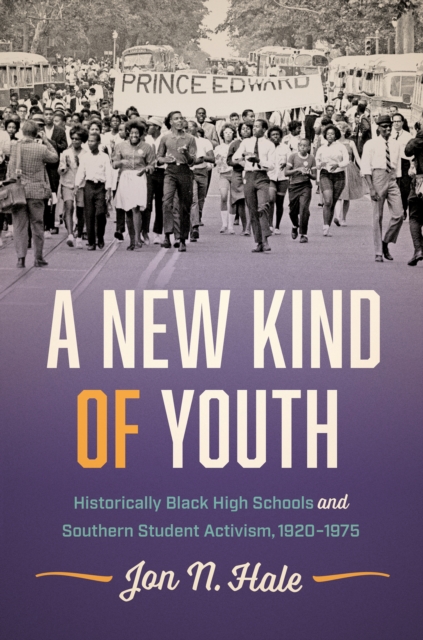
The story of activist youth in America is usually framed around the Vietnam War, the counterculture, and college campuses, focusing primarily on college students in the 1960s and 1970s.
In this sweeping chronicle of guarana glossy-leaved Amazonian vine packed with more caffeine than any other plantSeth Garfield develops a wide-ranging approach to the history of Brazil itself.
Shaking up New York and national politics by becoming the first African American congresswoman and, later, the first Black major-party presidential candidate, Shirley Chisholm left an indelible mark as an unbought and unbossed firebrand and a leader in politics for meaningful change.
Viola Franziska Mller examines runaways who camouflaged themselves among the free Black populations in Baltimore, Charleston, New Orleans, and Richmond.
Indigenous women migrants from Central America and Mexico face harrowing experiences of violence before, during, and after their migration to the United States, like all asylum seekers.
This book offers the definitive history of how formerly enslaved men and women pursued federal benefits from the Civil War to the New Deal and, in the process, transformed themselves from a stateless people into documented citizens.
This pathbreaking book documents the transformation of reproductive practices and politics on Indian reservations from the late nineteenth century to the present, integrating a localized history of childbearing, motherhood, and activism on the Crow Reservation in Montana with an analysis of trends affecting Indigenous women more broadly.
In Veil and Vow, Aneeka Ayanna Henderson places familiar, often politicized questions about the crisis of African American marriage in conversation with a rich cultural archive that includes fiction by Terry McMillan and Sister Souljah, music by Anita Baker, and films such as The Best Man.
For over sixty years, American guitarist John Fahey (19392001) has been a storied figure, first within the folk and blues revival of the long 1960s, later for fans of alternative music.
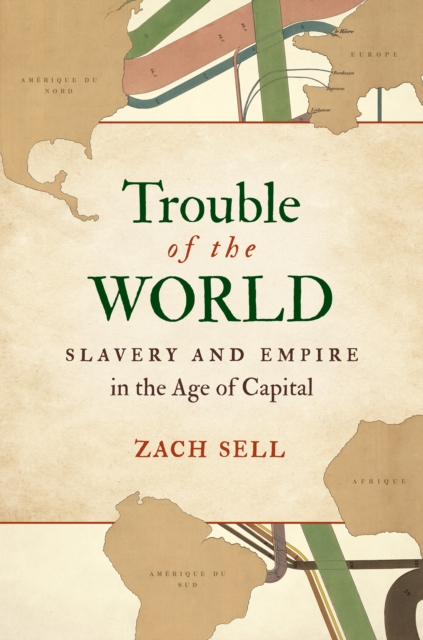
In this innovative new study, Zach Sell returns to the explosive era of capitalist crisis, upheaval, and warfare between emancipation in the British Empire and Black emancipation in the United States.
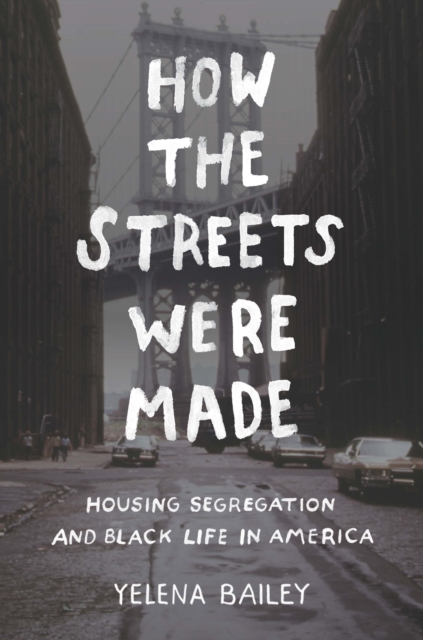
In this book, Yelena Bailey examines the creation of the streets not just as a physical, racialized space produced by segregationist policies but also as a sociocultural entity that has influenced our understanding of blackness in America for decades.
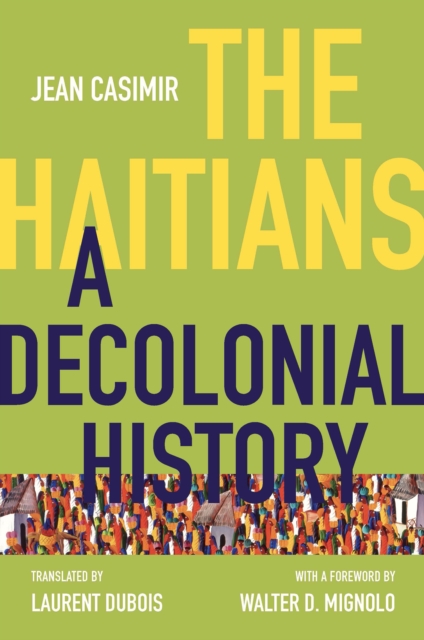
In this sweeping history, leading Haitian intellectual Jean Casimir argues that the story of Haiti should not begin with the usual image of Saint-Domingue as the richest colony of the eighteenth century.
It may be difficult to imagine that a consequential black electoral politics evolved in the United States before the Civil War, for as of 1860, the overwhelming majority of African Americans remained in bondage.
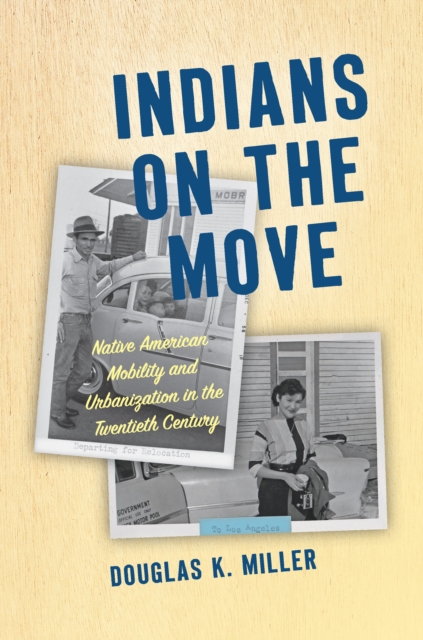
In 1972, the Bureau of Indian Affairs terminated its twenty-year-old Voluntary Relocation Program, which encouraged the mass migration of roughly 100,000 Native American people from rural to urban areas.