With the recently-published The Woman Who Fell from the Sky, Joy Harjo has emerged as one of the most powerful Native American voices of her generation.
Rhymin' and Stealin'begins with a crucial premise: the fundamental element of hip-hop culture and aesthetics is the overt use of preexisting material to new ends.
Unsettled History examines South African society and the construction and presentation of its public pasts, from Nelson Mandela's release from prison in 1990 to South Africa's hosting of the 2010 FIFA World Cup (R).
Unsettled History examines South African society and the construction and presentation of its public pasts, from Nelson Mandela's release from prison in 1990 to South Africa's hosting of the 2010 FIFA World Cup (R).
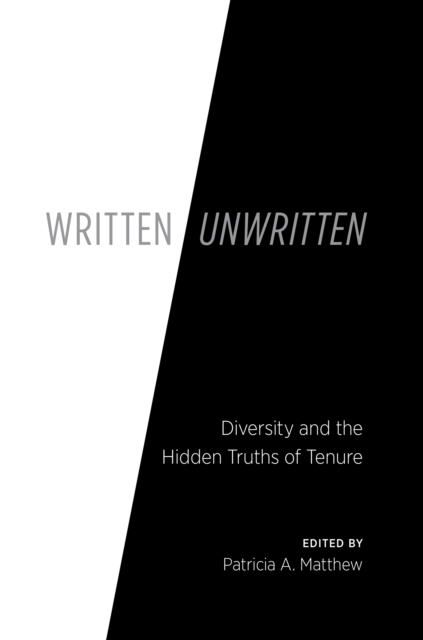
The academy may claim to seek and value diversity in its professoriate, but reports from faculty of color around the country make clear that departments and administrators discriminate in ways that range from unintentional to malignant.
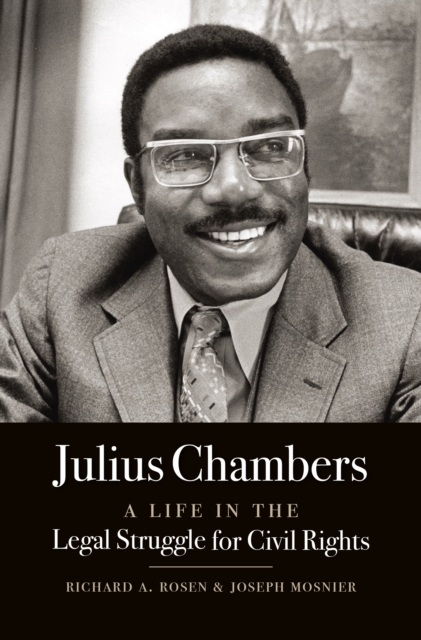
Born in the hamlet of Mount Gilead, North Carolina, Julius Chambers (19362013) escaped the fetters of the Jim Crow South to emerge in the 1960s and 1970s as the nations leading African American civil rights attorney.
How we provide equal educational opportunity to an increasingly diverse, highly urbanized student population is one of the central concerns facing our nation.
Do we live in basically orderly societies that occasionally erupt into violent conflict, or do we fail to perceive the constancy of violence and disorder in our societies?
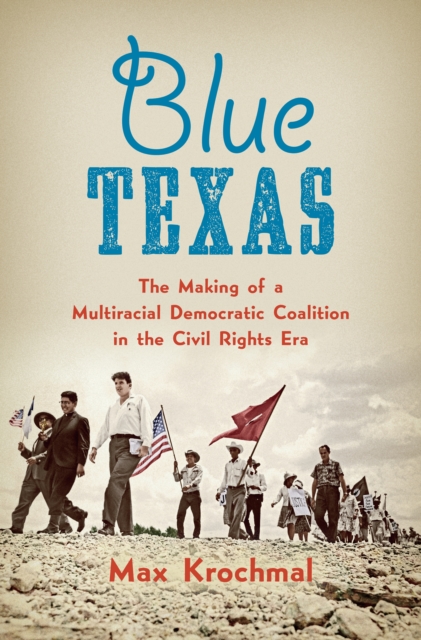
This book is about the other Texas, not the state known for its cowboy conservatism, but a mid-twentieth-century hotbed of community organizing, liberal politics, and civil rights activism.
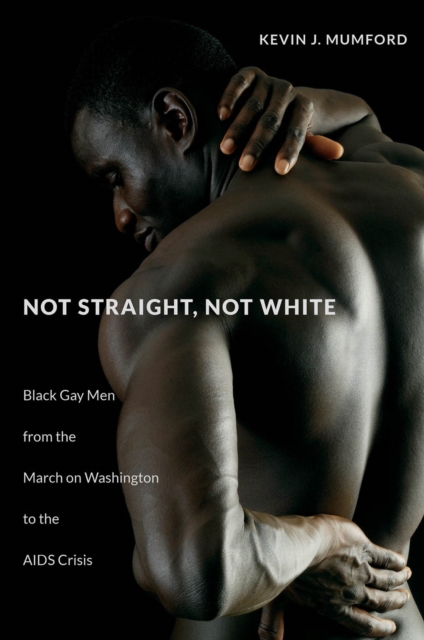
This compelling book recounts the history of black gay men from the 1950s to the 1990s, tracing how the major movements of the timesfrom civil rights to black power to gay liberation to AIDS activismhelped shape the cultural stigmas that surrounded race and homosexuality.
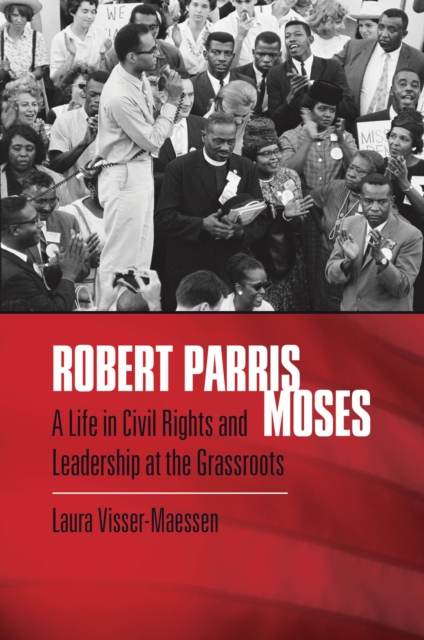
One of the most influential leaders in the civil rights movement, Robert Parris Moses was essential in making Mississippi a central battleground state in the fight for voting rights.
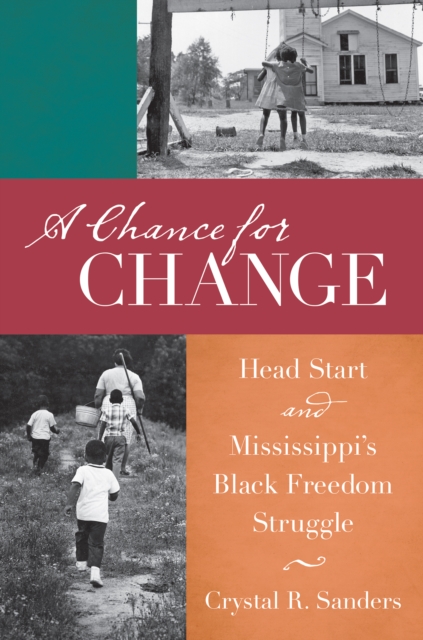
In this innovative study, Crystal Sanders explores how working-class black women, in collaboration with the federal government, created the Child Development Group of Mississippi (CDGM) in 1965, a Head Start program that not only gave poor black children access to early childhood education but also provided black women with greater opportunities for political activism during a crucial time in the unfolding of the civil rights movement.
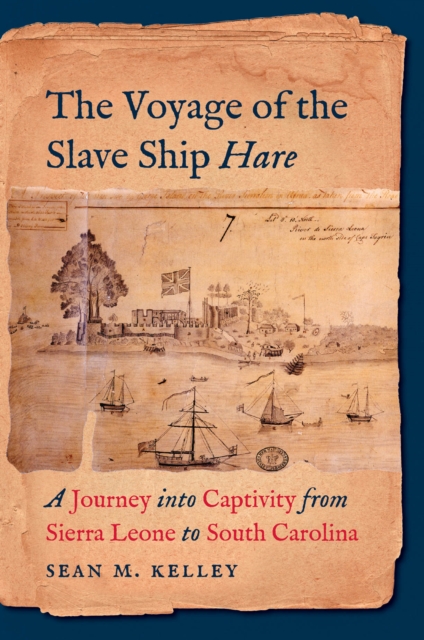
From 1754 to 1755, the slave ship Hare completed a journey from Newport, Rhode Island, to Sierra Leone and back to the United Statesa journey that transformed more than seventy Africans into commodities, condemning some to death and the rest to a life of bondage in North America.
In the late nineteenth and early twentieth centuries imprisoned black women faced wrenching forms of gendered racial terror and heinous structures of economic exploitation.
The academy may claim to seek and value diversity in its professoriate, but reports from faculty of color around the country make clear that departments and administrators discriminate in ways that range from unintentional to malignant.
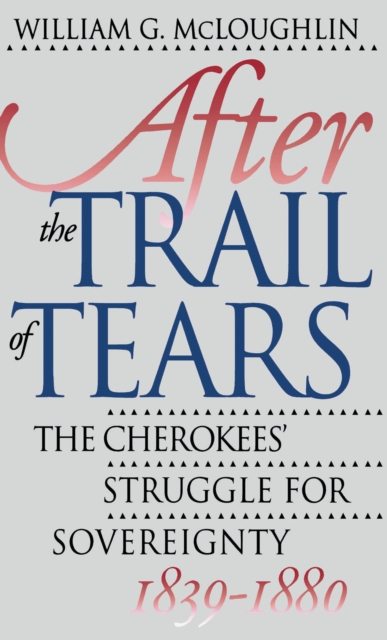
This powerful narrative traces the social, cultural, and political history of the Cherokee Nation during the forty-year period after its members were forcibly removed from the southern Appalachians and resettled in what is now Oklahoma.
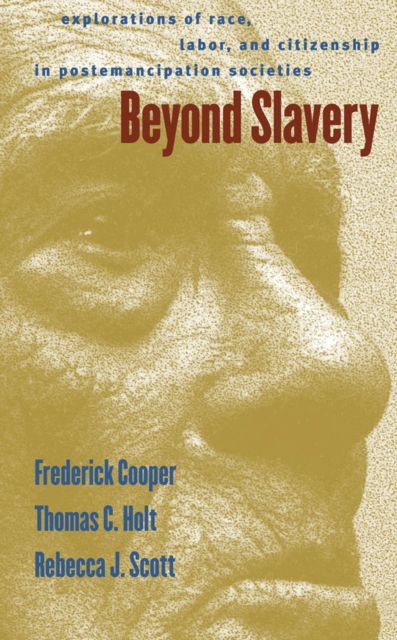
In this collaborative work, three leading historians explore one of the most significant areas of inquiry in modern historiography the transition from slavery to freedom and what this transition meant for former slaves, former slaveowners, and the societies in which they lived.
2018 Outstanding Academic Title, selected by Choice Recovering Native American Writings in the Boarding School Press is the first comprehensive collection of writings by students and well-known Native American authors who published in boarding school newspapers during the late nineteenth and early twentieth centuries.
Blood Will Tell reveals the underlying centrality of blood in shaping official ideas about who was eligible to be defined as Indian by the General Allotment Act in the United States.
Directed by anthropologist Alexander Lesser in 1935, the Santa Fe Laboratory of Anthropology sponsored a field school in southwestern Oklahoma that focused on the neighboring Kiowas.
The first history of the United States told from the perspective of indigenous peoples
Today in the United States, there are more than five hundred federally recognized Indigenous nations comprising nearly three million people, descendants of the fifteen million Native people who once inhabited this land.
In 2010 approximately 15 percent of all new marriages in the United States were between spouses of different racial, ethnic, or religious backgrounds, raising increasingly relevant questions regarding the multicultural identities of new spouses and their offspring.
Upward, Not Sunwise explores an influential and growing neo-Pentecostal movement among Native Americans characterized by evangelical Christian theology, charismatic spirit-filled worship, and decentralized Native control.
A 2017 Choice Outstanding Academic TitleIntersectionality intervenes in the field of intersectionality studies: the integrative examination of the effects of racial, gendered, and class power on peoples lives.
Offering a unique vantage point from which to view black womens body image and Caribbean migration, Romance with Voluptuousness illuminates how first- and second-generation immigrant black Caribbean women engage with a thick body aesthetic while living in the United States.
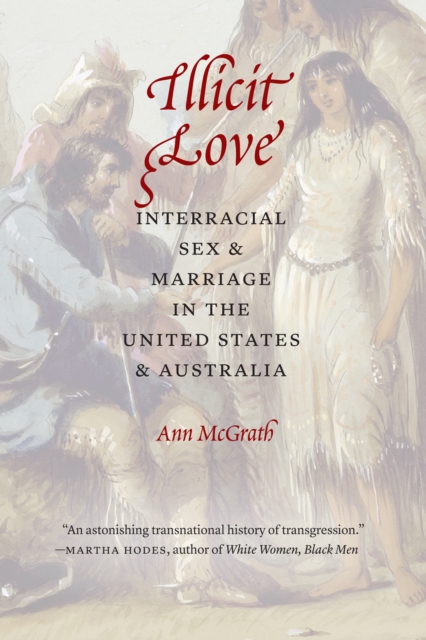
Illicit Love is a history of love, sex, and marriage between Indigenous peoples and settler citizens at the heart of two settler colonial nations, the United States and Australia.