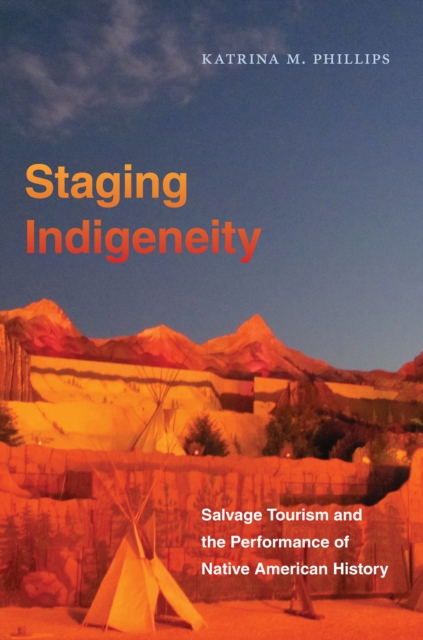
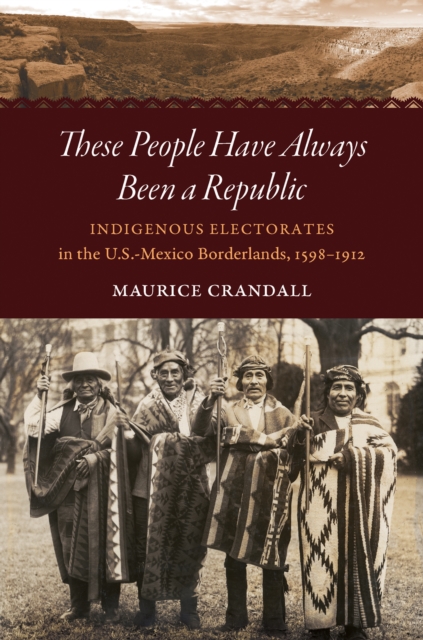
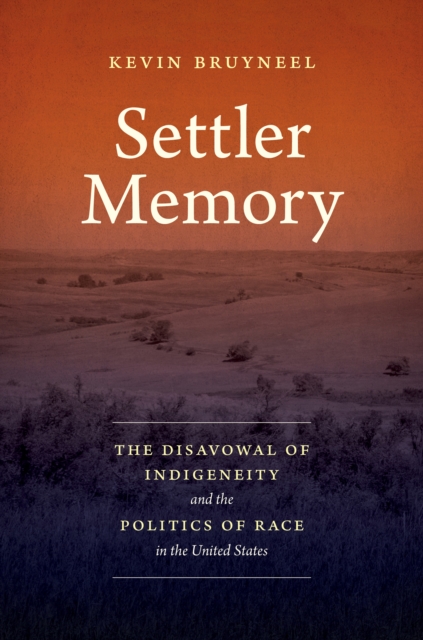
As tourists increasingly moved across the United States in the late nineteenth and early twentieth centuries, a surprising number of communities looked to capitalize on the histories of Native American people to create tourist attractions.
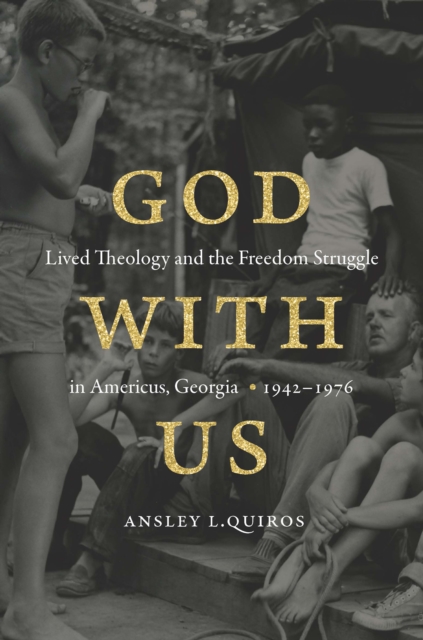
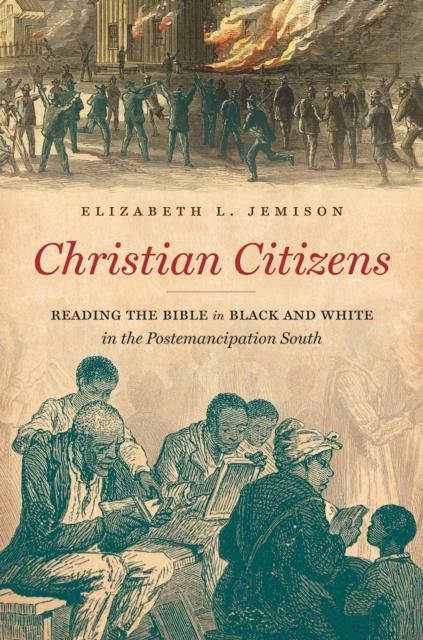
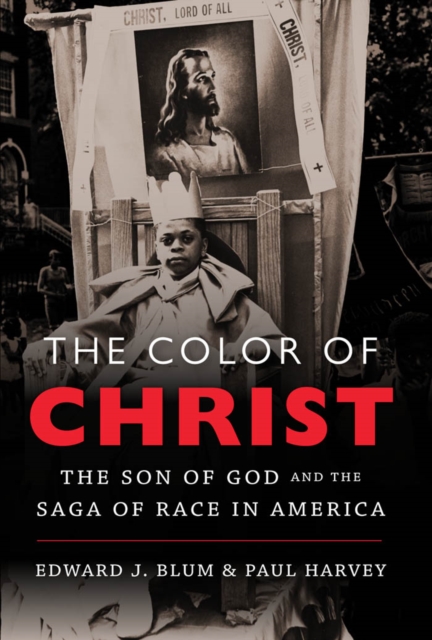
For many, the struggle over civil rights was not just about lunch counters, waiting rooms, or even access to the vote; it was also aboutChristian theology.
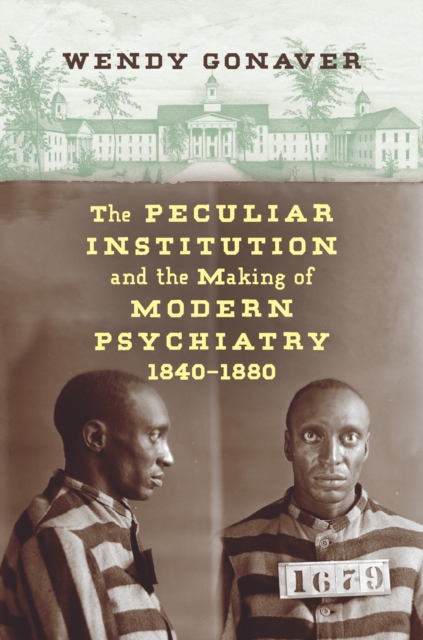
Though the origins of asylums can be traced to Europe, the systematic segregation of the mentally ill into specialized institutions occurred in the United States only after 1800, just as the struggle to end slavery took hold.
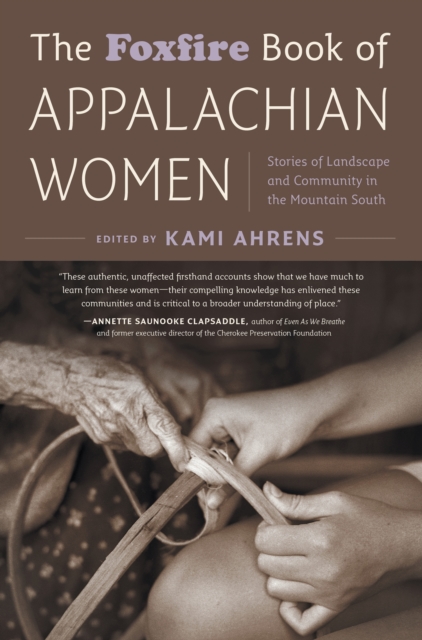
In 1966 in Rabun County, Georgia, a group of high school English students created theFoxfire magazine, a literary journal that celebrated Appalachian stories, peoples, and culture.
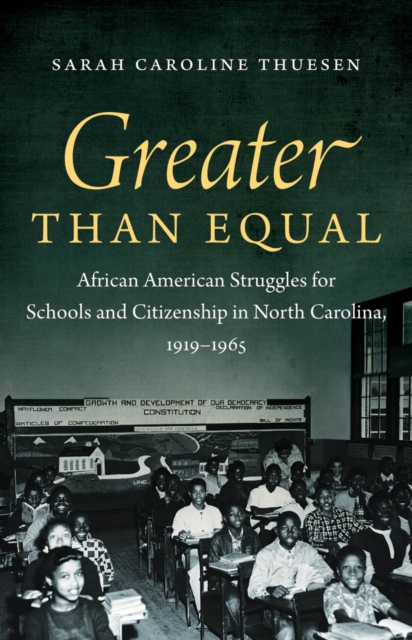
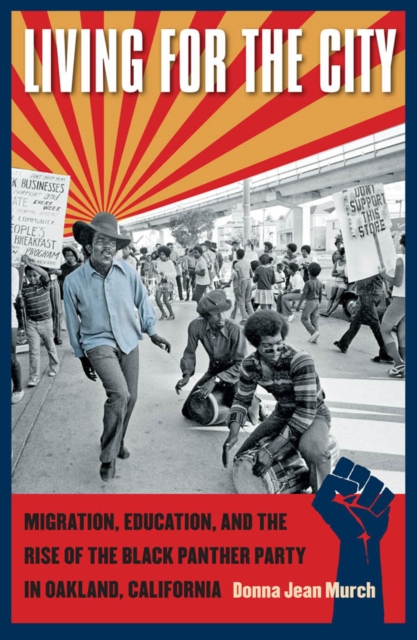
During the half century preceding widespread school integration, black North Carolinians engaged in a dramatic struggle for equal educational opportunity as segregated schooling flourished.
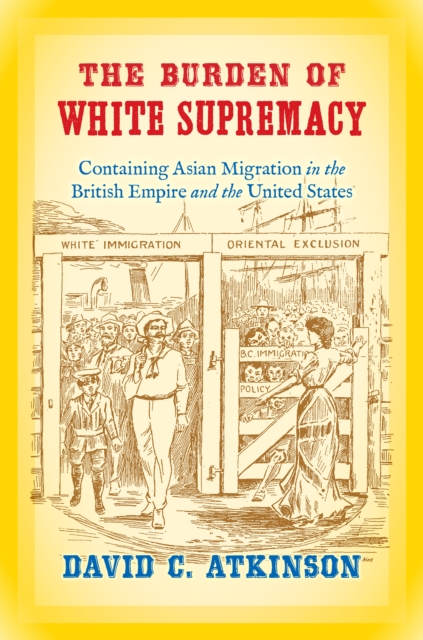
From 1896 to 1924, motivated by fears of an irresistible wave of Asian migration and the possibility that whites might be ousted from their position of global domination, British colonists and white Americans instituted stringent legislative controls on Chinese, Japanese, and South Asian immigration.
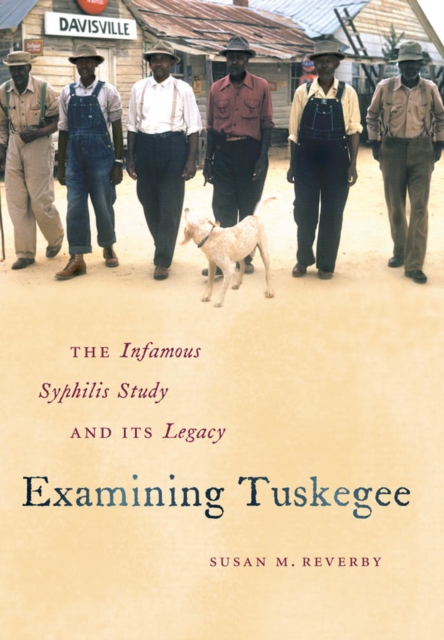
The forty-year Tuskegee Syphilis Study, which took place in and around Tuskegee, Alabama, from the 1930s through the 1970s, has become a profound metaphor for medical racism, government malfeasance, and physician arrogance.
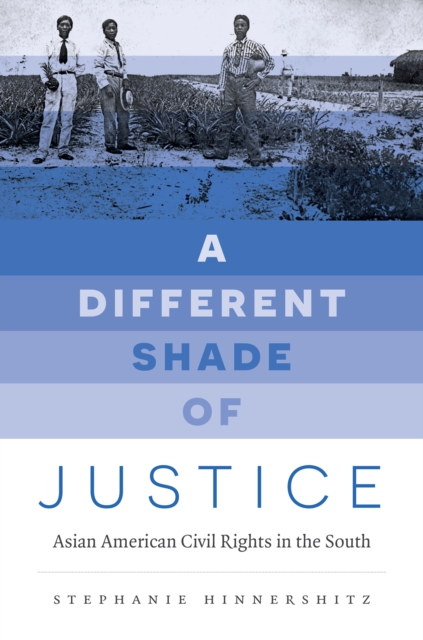
In the Jim Crow South, Chinese, Filipino, Japanese, and, later, Vietnamese and Indian Americans faced obstacles similar to those experienced by African Americans in their fight for civil and human rights.
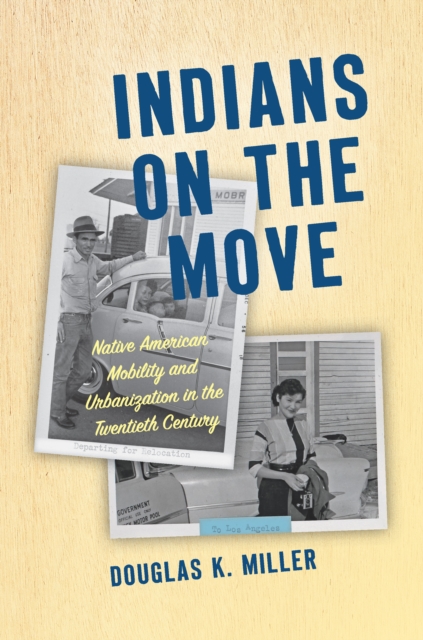
In 1972, the Bureau of Indian Affairs terminated its twenty-year-old Voluntary Relocation Program, which encouraged the mass migration of roughly 100,000 Native American people from rural to urban areas.
How is it that in America the image of Jesus Christ has been used both to justify the atrocities of white supremacy and to inspire the righteousness of civil rights crusades?
In this intellectual history of the fraught relationship between race and poverty in the 1960s, Robin Marie Averbeck offers a sustained critique of the fundamental assumptions that structured liberal thought and action in postwar America.
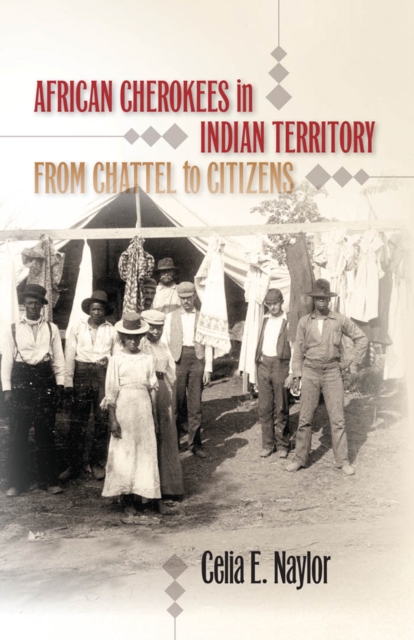
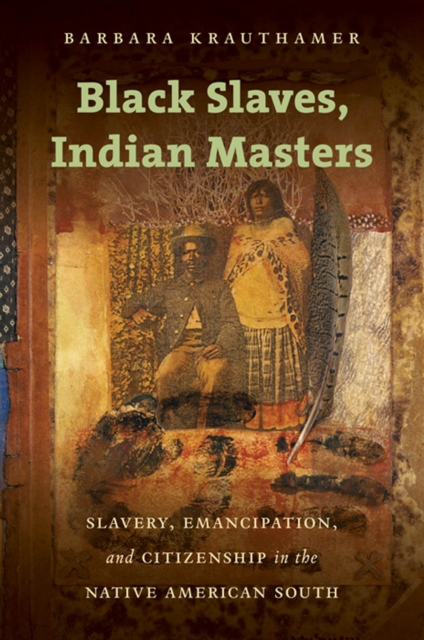
Forcibly removed from their homes in the late 1830s, Cherokee, Creek, Choctaw, and Chickasaw Indians brought their African-descended slaves with them along the Trail of Tears and resettled in Indian Territory, present-day Oklahoma.
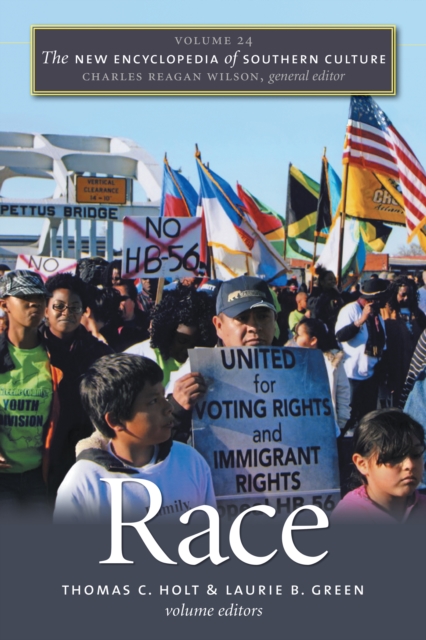
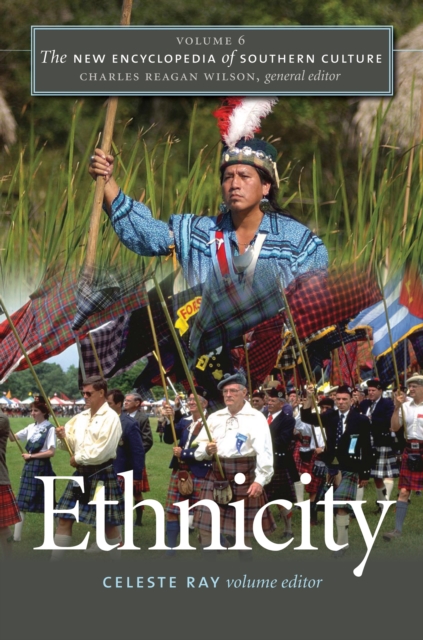
Transcending familiar categories of black and white, this volume of The New Encyclopedia of Southern Culture complicates and enriches our understanding of southernness by identifying the array of cultures that combined to shape the South.
Long before the Montgomery bus boycott ushered in the modern civil rights movement, black and white southerners struggled to forge interracial democracy in America.
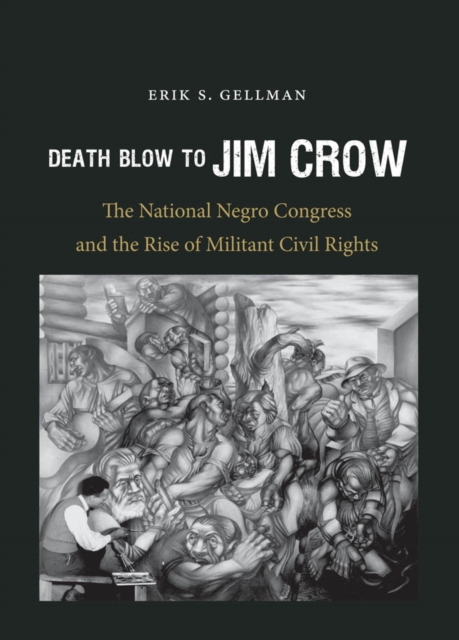
During the Great Depression, black intellectuals, labor organizers, and artists formed the National Negro Congress (NNC) to demand a second emancipation in America.
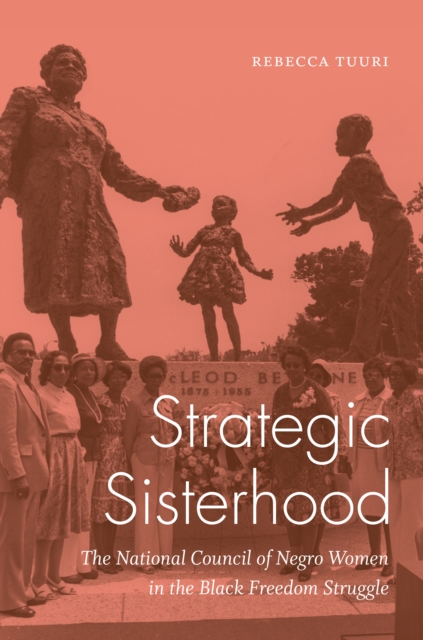
When women were denied a major speaking role at the 1963 March on Washington, Dorothy Height, head of the National Council of Negro Women (NCNW), organized her own womens conference for the very next day.
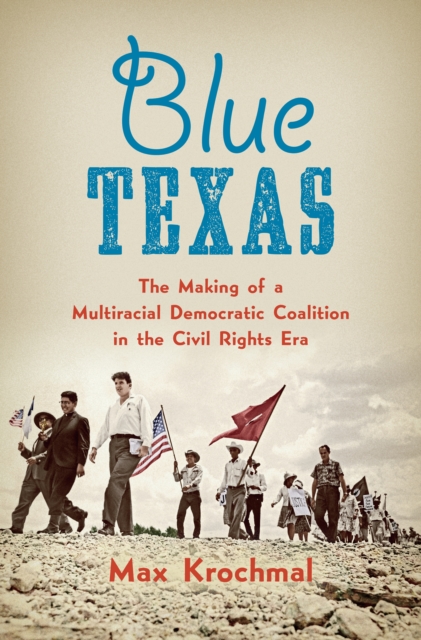
This book is about the other Texas, not the state known for its cowboy conservatism, but a mid-twentieth-century hotbed of community organizing, liberal politics, and civil rights activism.
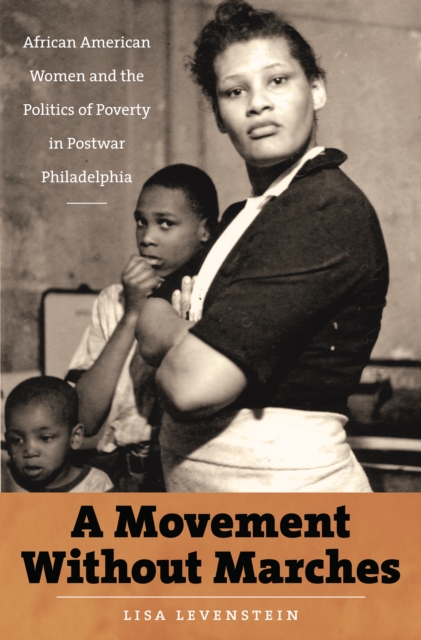
Lisa Levenstein reframes highly charged debates over the origins of chronic African American poverty and the social policies and political struggles that led to the postwar urban crisis.
African Americans' long campaign for the right to fight forced Harry Truman to issue his 1948 executive order calling for equality of treatment and opportunity in the armed forces.
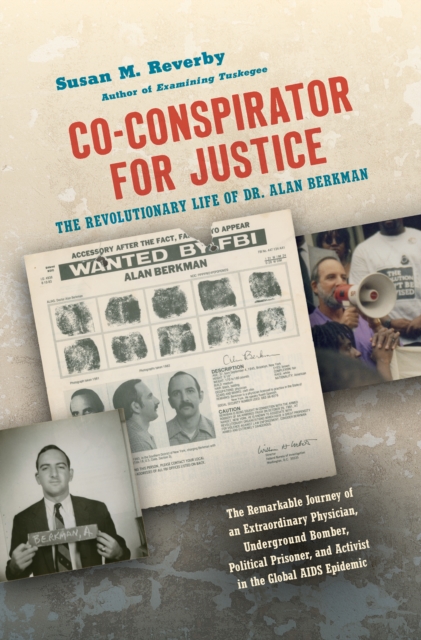
Alan Berkman (19452009) was no campus radical in the mid-1960s; he was a promising Ivy League student, football player, Eagle Scout, and fraternity president.
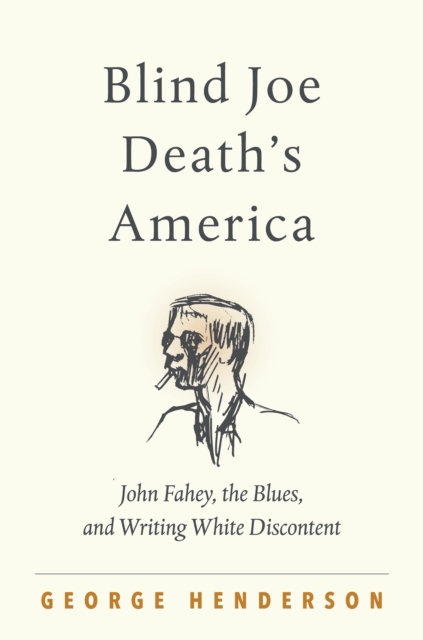
For over sixty years, American guitarist John Fahey (19392001) has been a storied figure, first within the folk and blues revival of the long 1960s, later for fans of alternative music.
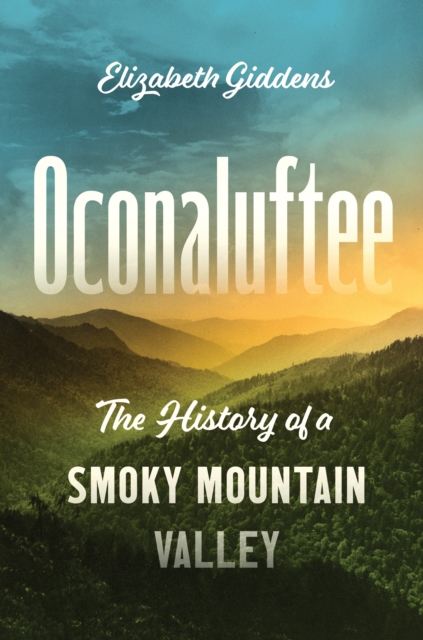
The Oconaluftee Valley, located on the North Carolina side of the Smokies, is home of the Eastern Band of the Cherokee Indians and part of the Great Smoky Mountains National Park (a UNESCO World Heritage Site).
From the late eighteenth century through the end of the Civil War, Choctaw and Chickasaw Indians bought, sold, and owned Africans and African Americans as slaves, a fact that persisted after the tribes' removal from the Deep South to Indian Territory.
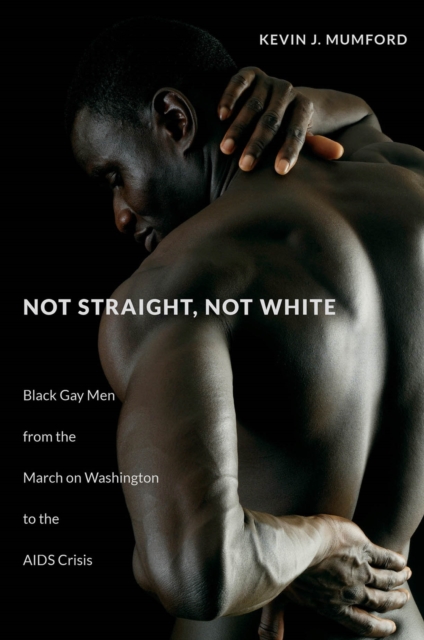
This compelling book recounts the history of black gay men from the 1950s to the 1990s, tracing how the major movements of the timesfrom civil rights to black power to gay liberation to AIDS activismhelped shape the cultural stigmas that surrounded race and homosexuality.
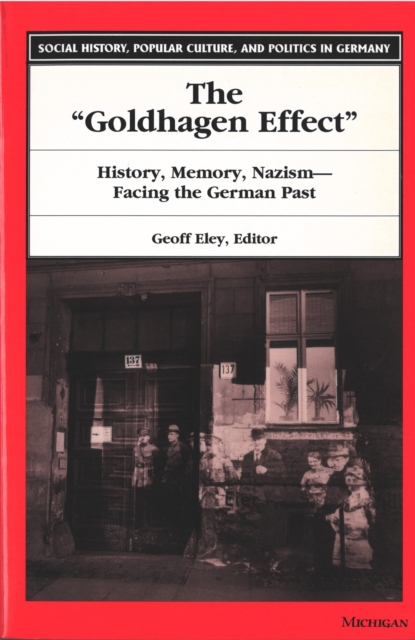
Stepping back from the immediate controversy surrounding the merits and shortcomings of Daniel Jonah Goldhagen's Hitler's Willing Executioners, this edited volume intervenes in the continuing discussion by exploring aspects of the public's reception to Goldhagen's book--what the authors call the "e;Goldhagen Effect.
Stepping back from the immediate controversy surrounding the merits and shortcomings of Daniel Jonah Goldhagen's Hitler's Willing Executioners, this edited volume intervenes in the continuing discussion by exploring aspects of the public's reception to Goldhagen's book--what the authors call the "e;Goldhagen Effect.