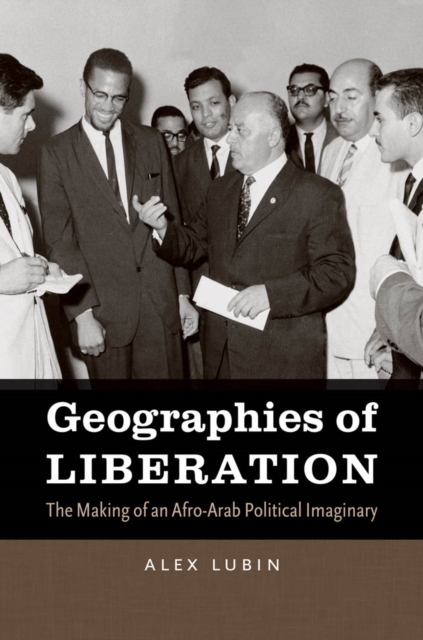
In this absorbing transnational history, Alex Lubin reveals the vital connections between African American political thought and the people and nations of the Middle East.
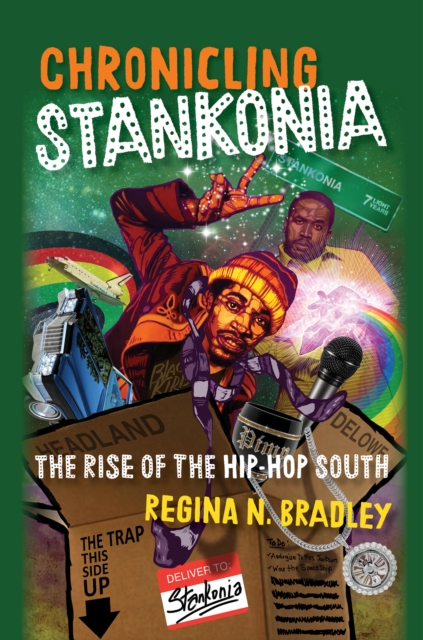
This vibrant book pulses with the beats of a new American South, probing the ways music, literature, and film have remixed southern identities for a postcivil rights generation.
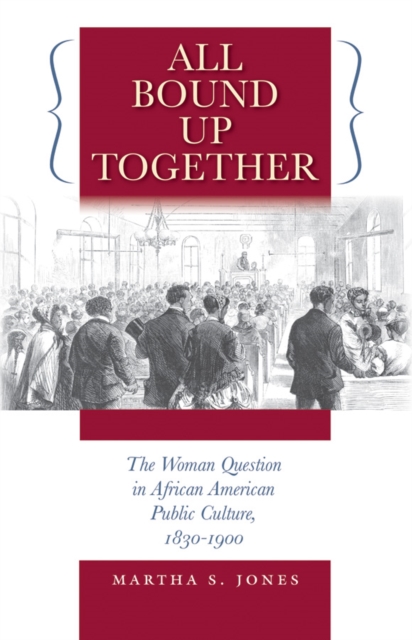
The place of womens rights in African American public culture has been an enduring question, one that has long engaged activists, commentators, and scholars.
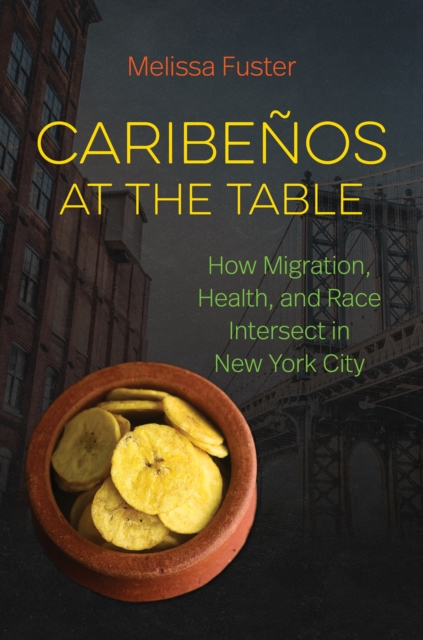
Melissa Fuster thinks expansively about the multiple meanings of comida, food, from something as simple as a meal to something as complex as ones identity.
Hemispheric foreign policy has waxed and waned since the Mexican War, and the Cold War presented both extraordinary promises and dangerous threats to U.
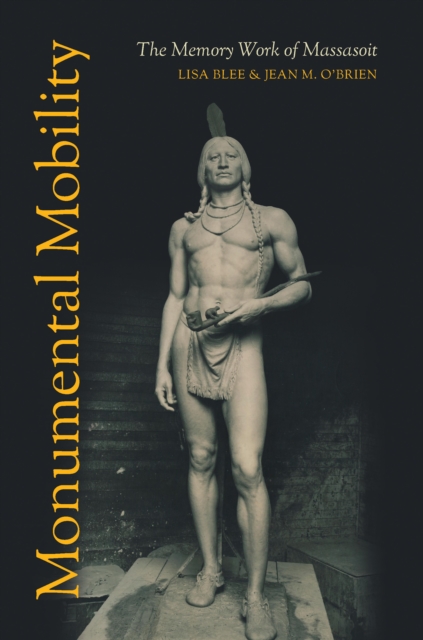
Installed at Plymouth, Massachusetts, in 1921 to commemorate the tercentenary of the landing of the Pilgrims, Cyrus Dallins statue Massasoit was intended to memorialize the Pokanoket Massasoit (leader) as a welcoming diplomat and participant in the mythical first Thanksgiving.
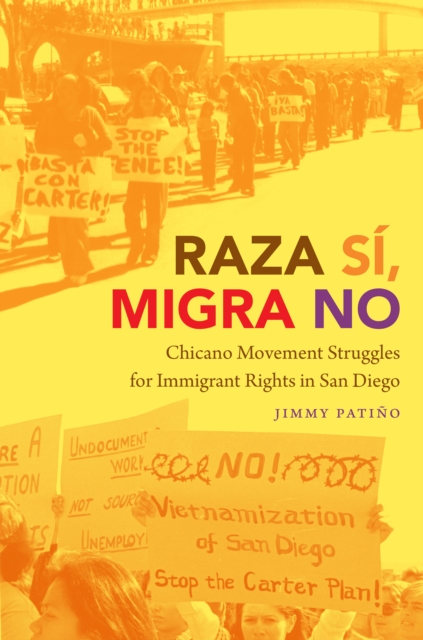
As immigration from Mexico to the United States grew through the 1970s and 1980s, the Border Patrol, police, and other state agents exerted increasing violence against ethnic Mexicans in San Diegos volatile border region.
In the United States, it is quite common to lay claim to the benefits of society by appealing to taxpayer citizenship the idea that, as taxpayers, we deserve access to certain social services like a public education.
Neel Ahuja tracks the figure of the climate refugee in public media and policy over the past decade, arguing that journalists, security experts, politicians, and nongovernmental organizations have often oversimplified climate change and obfuscated the processes that drive mass migration.
With this book, Cheryl Hicks brings to light the voices and viewpoints of black working-class women, especially southern migrants, who were the subjects of urban and penal reform in early-twentieth-century New York.
Despite the rise of the Hollywood system and hostility to Asian migrant communities in the early twentieth-century United States, Japanese Americans created a thriving cinema culture that produced films and established theaters and exhibition companies to facilitate their circulation between Japan and the United States.
In this transnational account of black protest, Nicholas Grant examines how African Americans engaged with, supported, and were inspired by the South African anti-apartheid movement.
By delvinginto the complex, cross-generational exchanges that characterize anypolitical project as rampant as empire, thisthought-provoking study focusesonchildrenand their ambivalent, intimate relationships with mapsandpracticesof mappingat the dawn of the American Century.
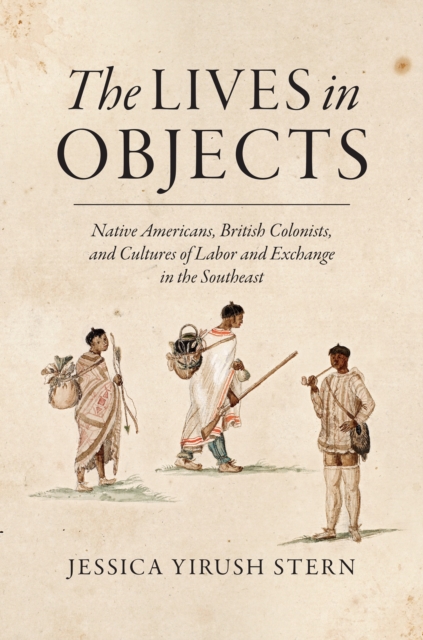
In The Lives in Objects, Jessica Yirush Stern presents a thoroughly researched and engaging study of the deerskin trade in the colonial Southeast, equally attentive to British American and Southeastern Indian cultures of production, distribution, and consumption.
From 1898 onward, the expansion of American militarism and empire abroad increasingly relied on black labor, even as policy remained inflected both by scientific racism and by fears of contagion.
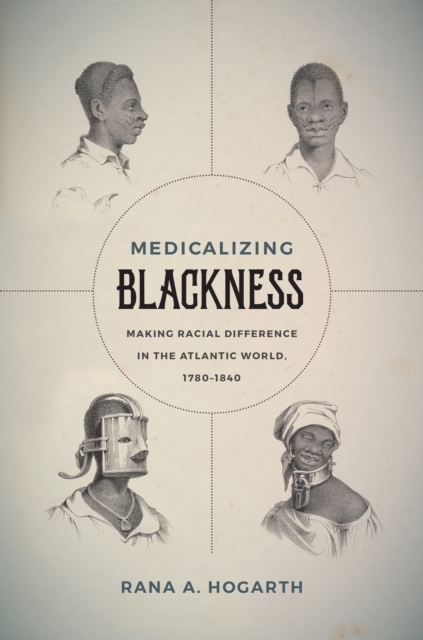
In 1748, as yellow fever raged in Charleston, South Carolina, doctor John Lining remarked, There is something very singular in the constitution of the Negroes, which renders them not liable to this fever.
In this deep dive into the Jamaican music world filled with the voices of creators, producers, and consumers, Larisa Kingston MannDJ, media law expert, and ethnographeridentifies how a culture of collaboration lies at the heart of Jamaican creative practices and legal personhood.
In an auditorium in Belcourt, North Dakota, on a chilly October day in 1932, Robert Bruce and his fellow tribal citizens held the political fate of the Turtle Mountain Band of Chippewa Indians in their hands.
This book invites readers into a growing, dynamic conversation among scholars and critics around a vibrant community of artists from an African American South.
Locked away in refrigerated vaults, sanitized by gas chambers, and secured within bombproof caverns deep under mountains are Americas most prized materials: the ever-expanding collection of records that now accompany each of us from birth to death.
The years following World War I in Germany saw the simultaneous emergence of radio as a public medium entering the private sphere of the home and the large-scale emergence of women entering the public sphere of politics and production.
This book offers the definitive history of how formerly enslaved men and women pursued federal benefits from the Civil War to the New Deal and, in the process, transformed themselves from a stateless people into documented citizens.
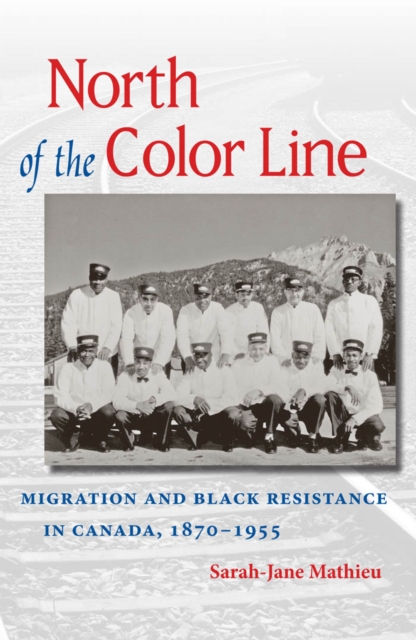
North of the Color Line examines life in Canada for the estimated 5,000 blacks, both African Americans and West Indians, who immigrated to Canada after the end of Reconstruction in the United States.
During the 1920s and 1930s, anthropologists and folklorists became obsessed with uncovering connections between African Americans and their African roots.
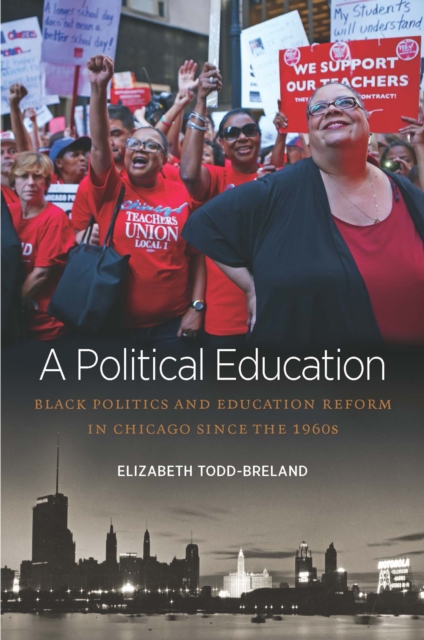
In 2012, Chicagos school year began with the citys first teachers' strike in a quarter century and ended with the largest mass closure of public schools in U.