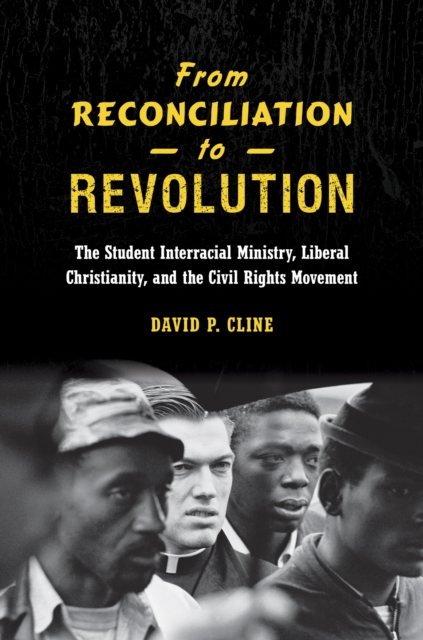
Conceived at the same conference that produced the Student Nonviolent Coordinating Committee (SNCC), the Student Interracial Ministry (SIM) was a national organization devoted to dismantling Jim Crow while simultaneously advancing American Protestant mainline churches approach to race.
The Great Recession punished American workers, leaving many underemployed or trapped in jobs that did not provide the income or opportunities they needed.
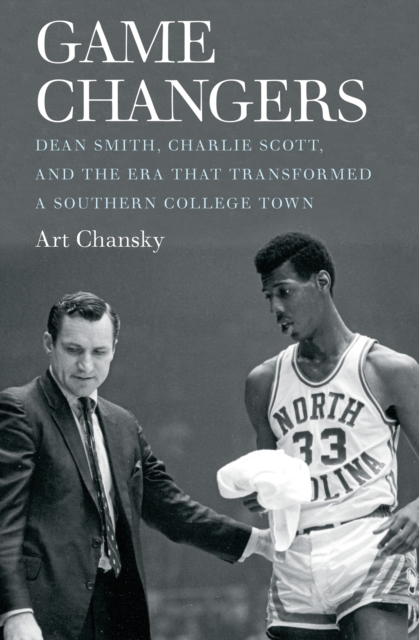
Among many legendary episodes from the life and career of mens basketball coach Dean Smith, few loom as large as his recruitment of Charlie Scott, the first African American scholarship athlete at the University of North Carolina at Chapel Hill.
In this transnational account of black protest, Nicholas Grant examines how African Americans engaged with, supported, and were inspired by the South African anti-apartheid movement.
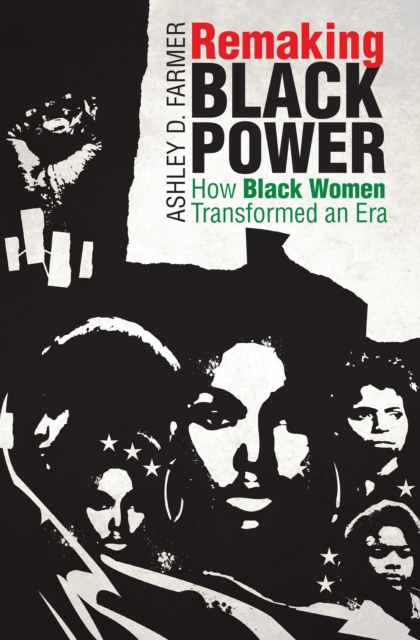
The patriarchal structure of the Nation of Islam (NOI) promised black women the prospect of finding a provider and a protector among the organizations men, who were fiercely committed to these masculine roles.
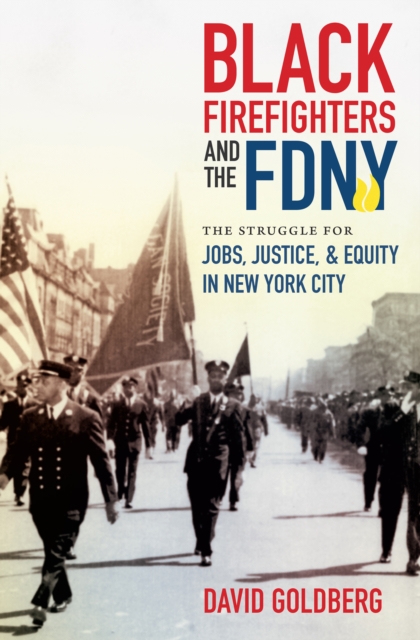
For many African Americans, getting a public sector job has historically been one of the few paths to the financial stability of the middle class, and in New York City, few such jobs were as sought-after as positions in the fire department (FDNY).
In the Jim Crow South, Chinese, Filipino, Japanese, and, later, Vietnamese and Indian Americans faced obstacles similar to those experienced by African Americans in their fight for civil and human rights.
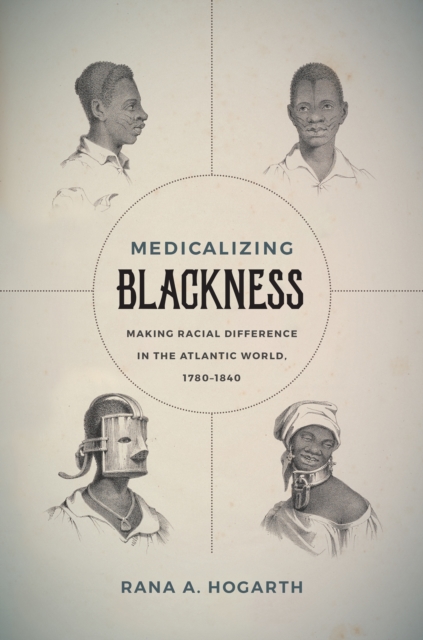
In 1748, as yellow fever raged in Charleston, South Carolina, doctor John Lining remarked, There is something very singular in the constitution of the Negroes, which renders them not liable to this fever.
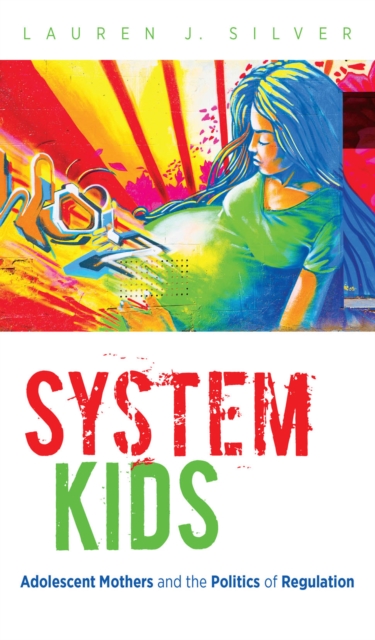
System Kids considers the daily lives of adolescent mothers as they negotiate the child welfare system to meet the needs of their children and themselves.
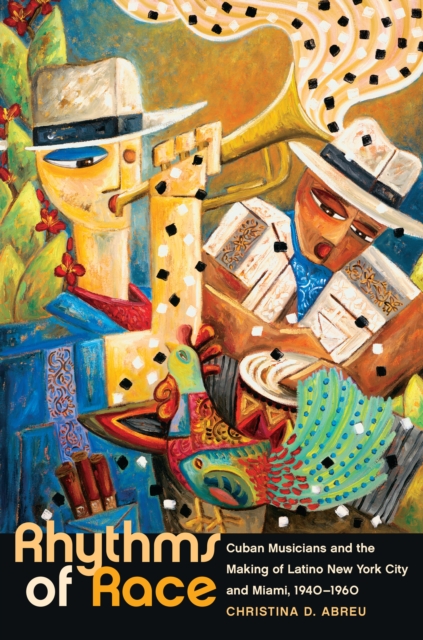
Among the nearly 90,000 Cubans who settled in New York City and Miami in the 1940s and 1950s were numerous musicians and entertainers, black and white, who did more than fill dance halls with the rhythms of the rumba, mambo, and cha cha ch.
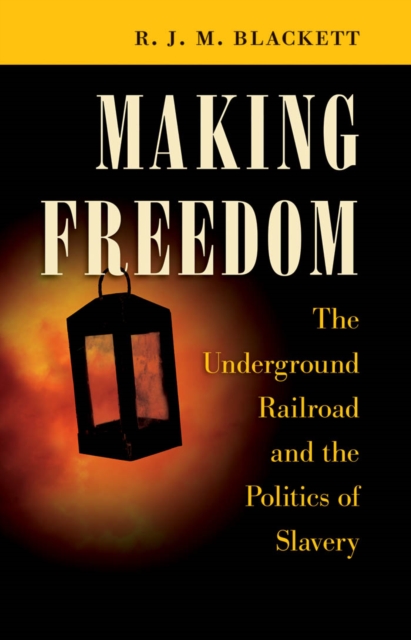
The 1850 Fugitive Slave Law, which mandated action to aid in the recovery of runaway slaves and denied fugitives legal rights if they were apprehended, quickly became a focal point in the debate over the future of slavery and the nature of the union.
Between 1932 and 1972, approximately six hundred African American men in Alabama served as unwitting guinea pigs in what is now considered one of the worst examples of arrogance, racism, and duplicity in American medical research the Tuskegee syphilis study.
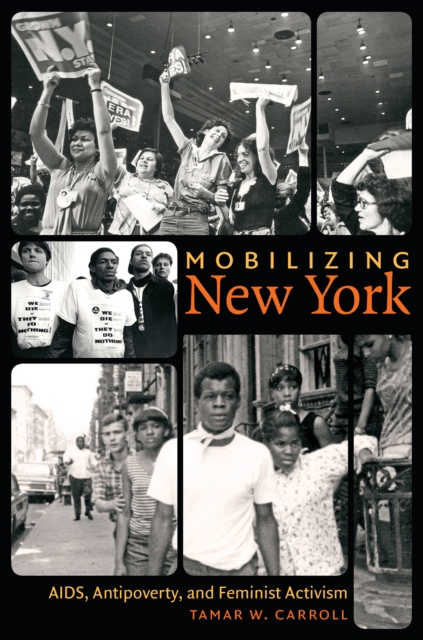
Examining three interconnected case studies, Tamar Carroll powerfully demonstrates the ability of grassroots community activism to bridge racial and cultural differences and effect social change.
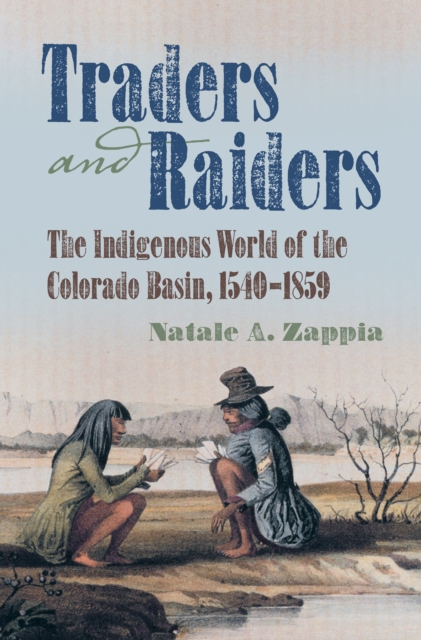
The Colorado River region looms large in the history of the American West, vitally important in the designs and dreams of Euro-Americans since the first Spanish journey up the river in the sixteenth century.
Although millions of African American women were held in bondage over the 250 years that slavery was legal in the United States, Harriet Jacobs (181397) is the only one known to have left papers testifying to her life.
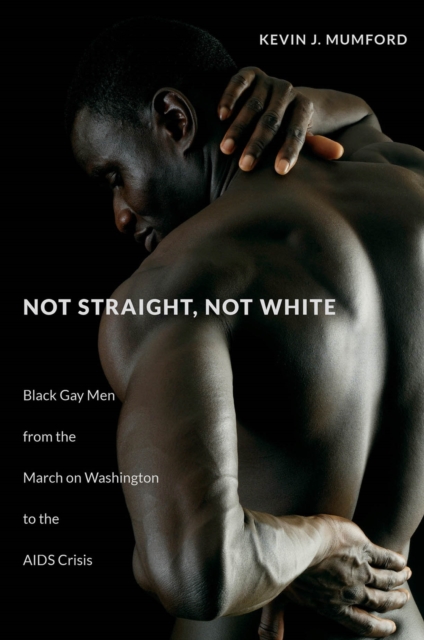
This compelling book recounts the history of black gay men from the 1950s to the 1990s, tracing how the major movements of the timesfrom civil rights to black power to gay liberation to AIDS activismhelped shape the cultural stigmas that surrounded race and homosexuality.
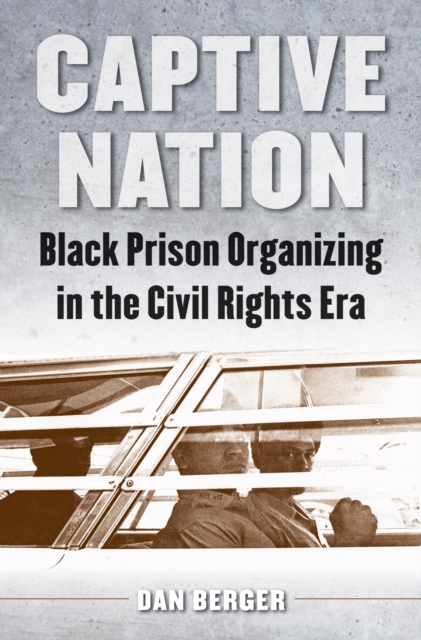
In this pathbreaking book, Dan Berger offers a bold reconsideration of twentieth century black activism, the prison system, and the origins of mass incarceration.
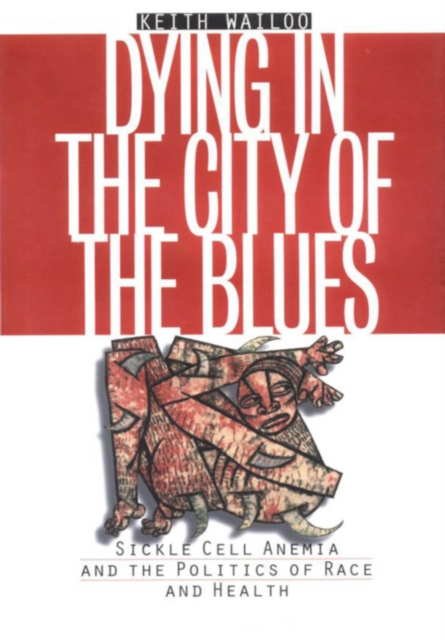
This groundbreaking book chronicles the history of sickle cell anemia in the United States, tracing its transformation from an invisible malady to a powerful, yet contested, cultural symbol of African American pain and suffering.
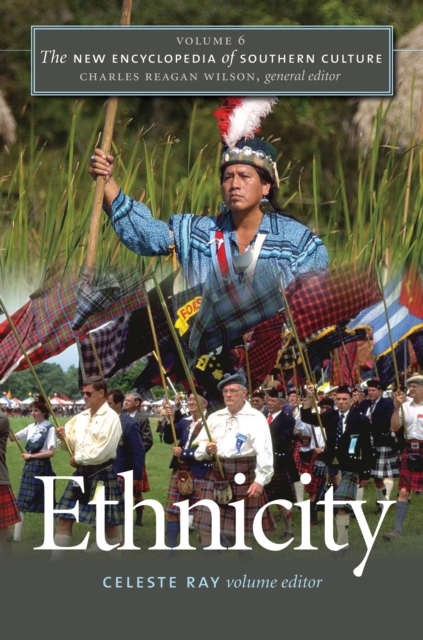
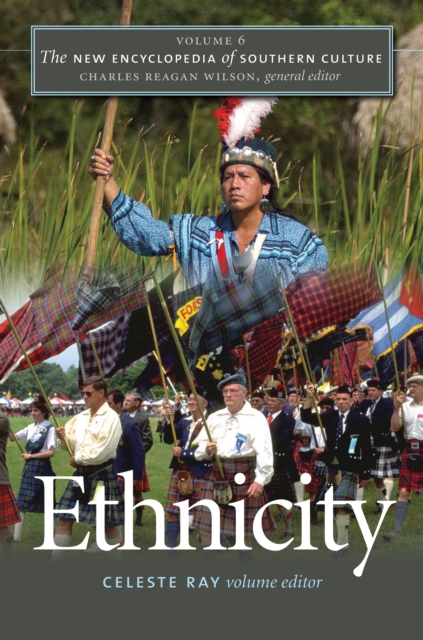
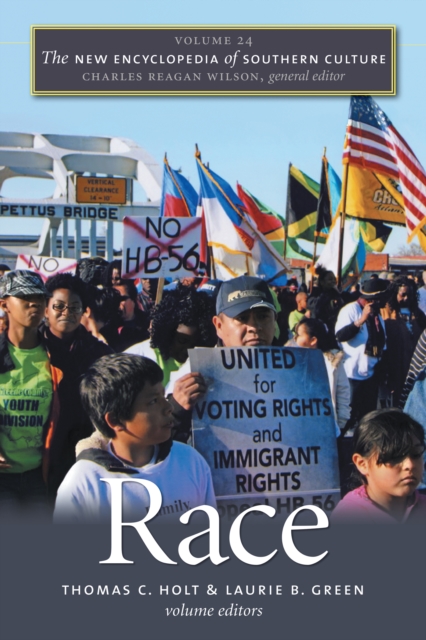
Transcending familiar categories of black and white, this volume of The New Encyclopedia of Southern Culture complicates and enriches our understanding of southernness by identifying the array of cultures that combined to shape the South.
Transcending familiar categories of black and white, this volume of The New Encyclopedia of Southern Culture complicates and enriches our understanding of southernness by identifying the array of cultures that combined to shape the South.
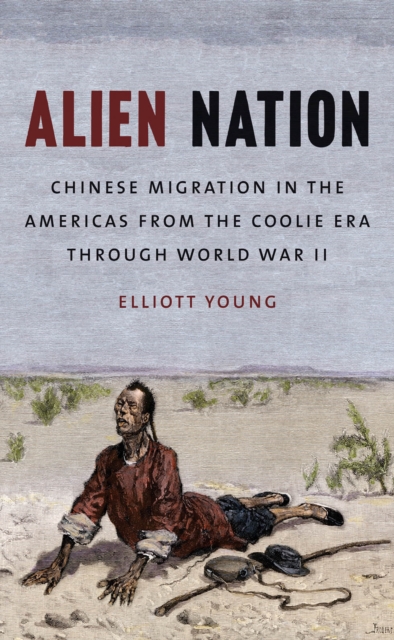
In this sweeping work, Elliott Young traces the pivotal century of Chinese migration to the Americas, beginning with the 1840s at the start of the coolie trade and ending during World War II.
In this absorbing transnational history, Alex Lubin reveals the vital connections between African American political thought and the people and nations of the Middle East.
Under policies instituted by the Confederacy, white Virginians and North Carolinians surrendered control over portions of their slave populations to state authorities, military officials, and the national government to defend their new nation.
In the mid-1990s, residents of Anniston, Alabama, began a legal fight against the agrochemical company Monsanto over the dumping of PCBs in the citys historically African American and white working-class west side.
The 1850 Fugitive Slave Law, which mandated action to aid in the recovery of runaway slaves and denied fugitives legal rights if they were apprehended, quickly became a focal point in the debate over the future of slavery and the nature of the union.
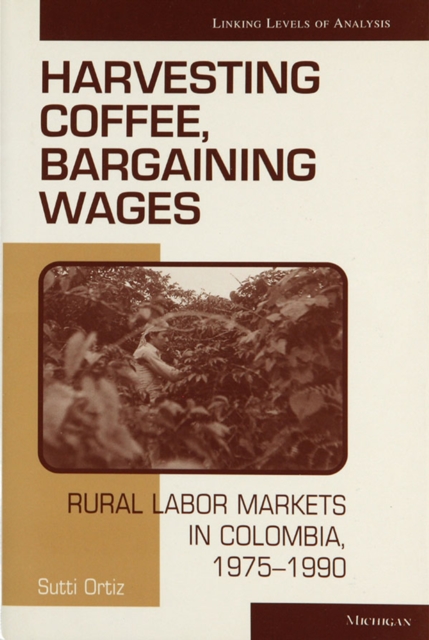
Harvesting Coffee, Bargaining Wages offers an insightful scrutiny of rural market behavior and a convincing explanation of why farmers fail sometimes to manage their laborers in ways predicted by market models--and how power imbalances and social conditions can impair the ability of laborers to attain a fair market contract during lax labor market periods.
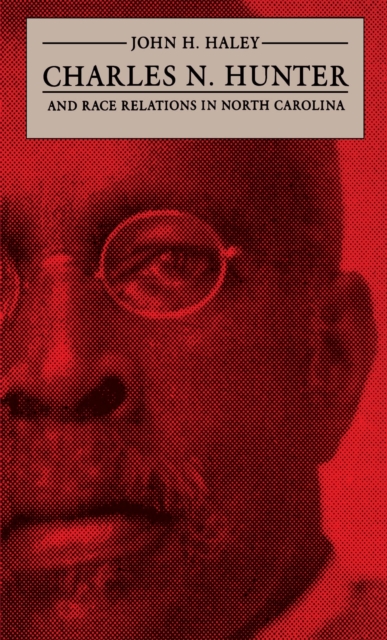
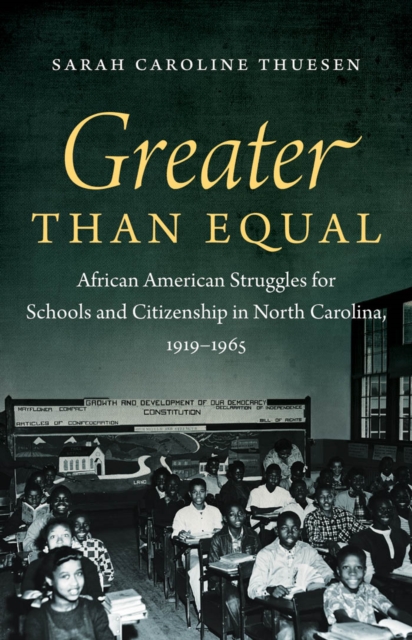
During the half century preceding widespread school integration, black North Carolinians engaged in a dramatic struggle for equal educational opportunity as segregated schooling flourished.
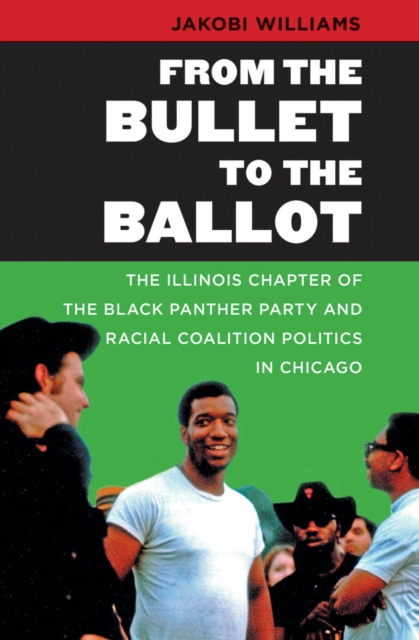
In this comprehensive history of the Illinois Chapter of the Black Panther Party (ILBPP), Chicago native Jakobi Williams demonstrates that the citys Black Power movement was both a response to and an extension of the citys civil rights movement.
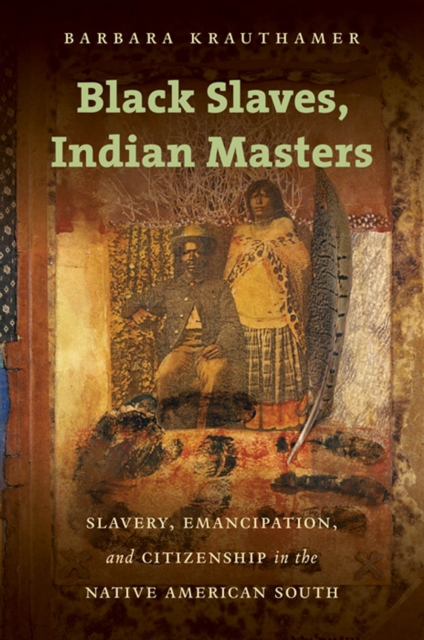
From the late eighteenth century through the end of the Civil War, Choctaw and Chickasaw Indians bought, sold, and owned Africans and African Americans as slaves, a fact that persisted after the tribes' removal from the Deep South to Indian Territory.