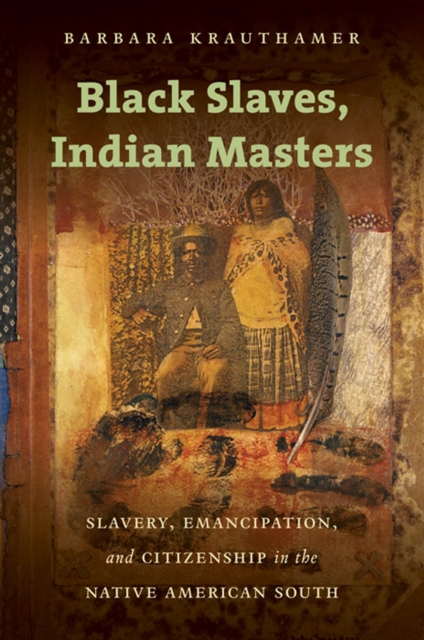
From the late eighteenth century through the end of the Civil War, Choctaw and Chickasaw Indians bought, sold, and owned Africans and African Americans as slaves, a fact that persisted after the tribes' removal from the Deep South to Indian Territory.
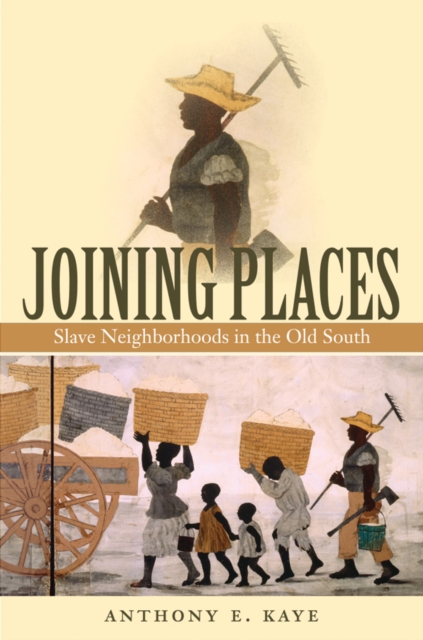
In this new interpretation of antebellum slavery, Anthony Kaye offers a vivid portrait of slaves transforming adjoining plantations into slave neighborhoods.
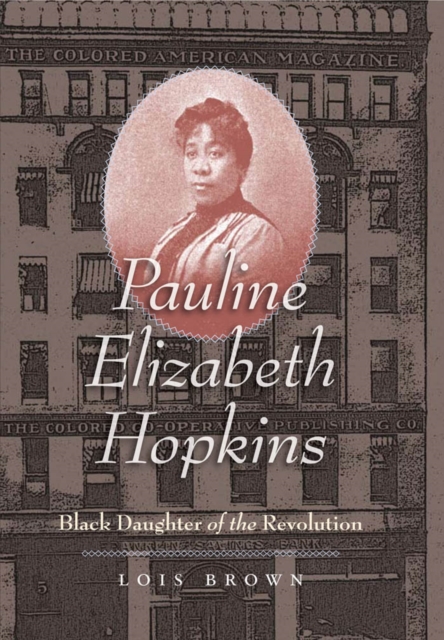
Born into an educated free black family in Portland, Maine, Pauline Elizabeth Hopkins (18591930) was a pioneering playwright, journalist, novelist, feminist, and public intellectual, best known for her 1900 novel Contending Forces: A Romance of Negro Life North and South.
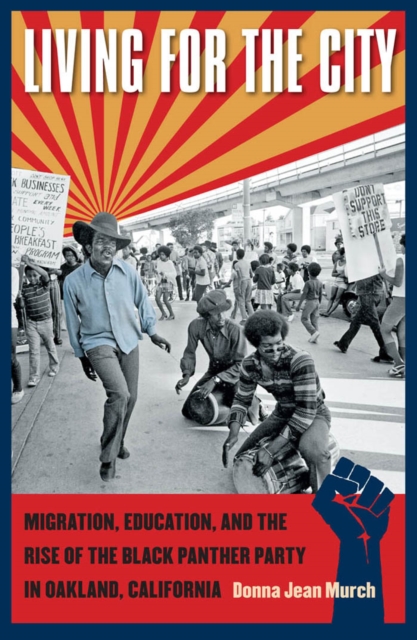
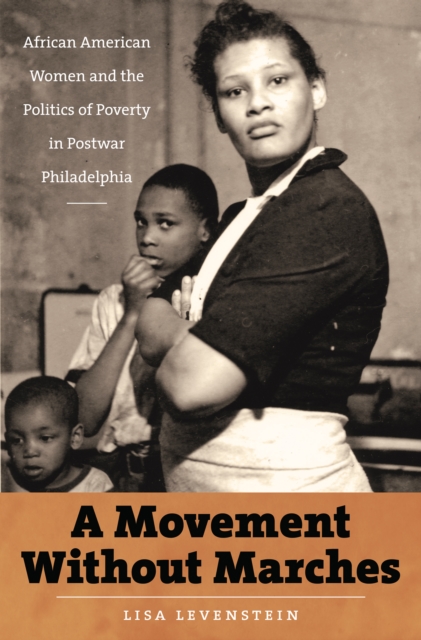
Lisa Levenstein reframes highly charged debates over the origins of chronic African American poverty and the social policies and political struggles that led to the postwar urban crisis.
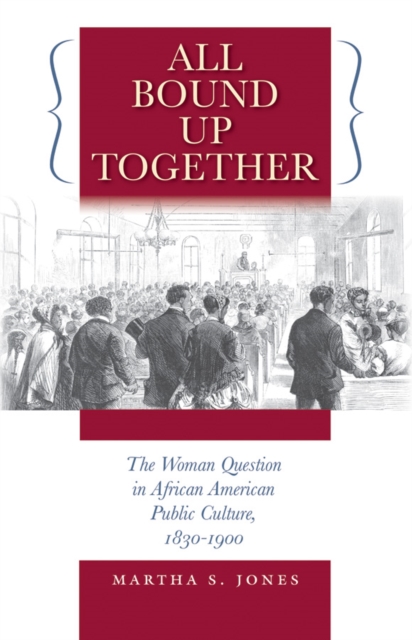
The place of womens rights in African American public culture has been an enduring question, one that has long engaged activists, commentators, and scholars.
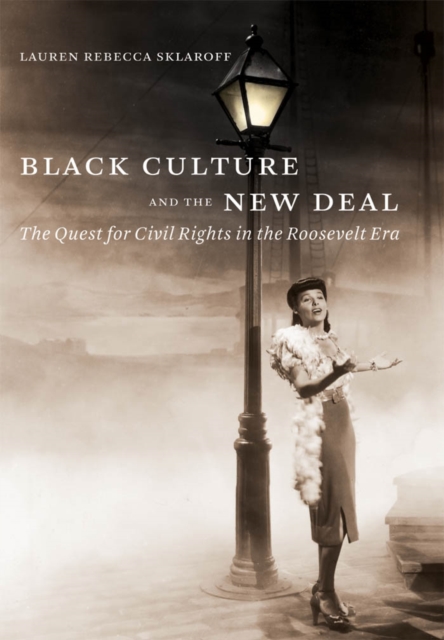
In the 1930s, the Roosevelt administration unwilling to antagonize a powerful southern congressional bloc refused to endorse legislation that openly sought to improve political, economic, and social conditions for African Americans.
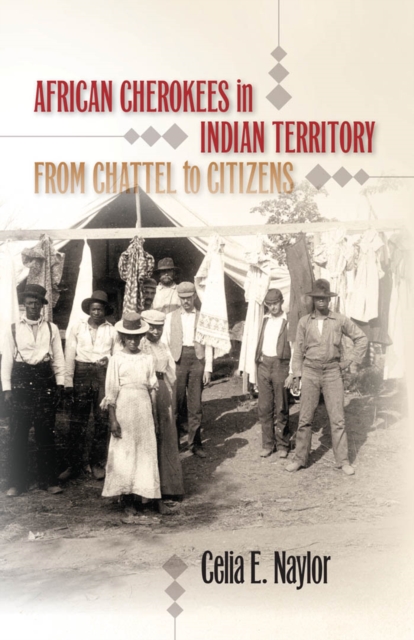
Forcibly removed from their homes in the late 1830s, Cherokee, Creek, Choctaw, and Chickasaw Indians brought their African-descended slaves with them along the Trail of Tears and resettled in Indian Territory, present-day Oklahoma.
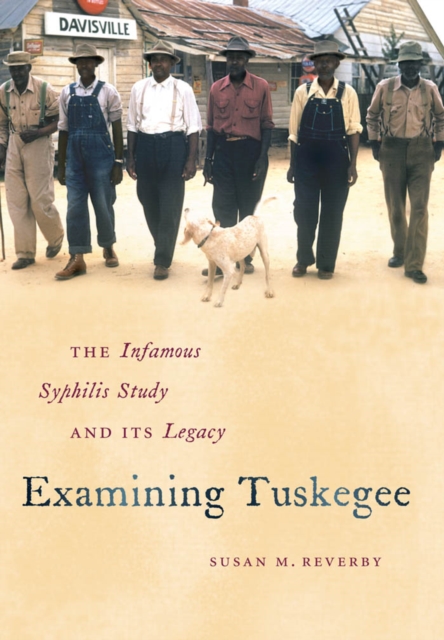
The forty-year Tuskegee Syphilis Study, which took place in and around Tuskegee, Alabama, from the 1930s through the 1970s, has become a profound metaphor for medical racism, government malfeasance, and physician arrogance.
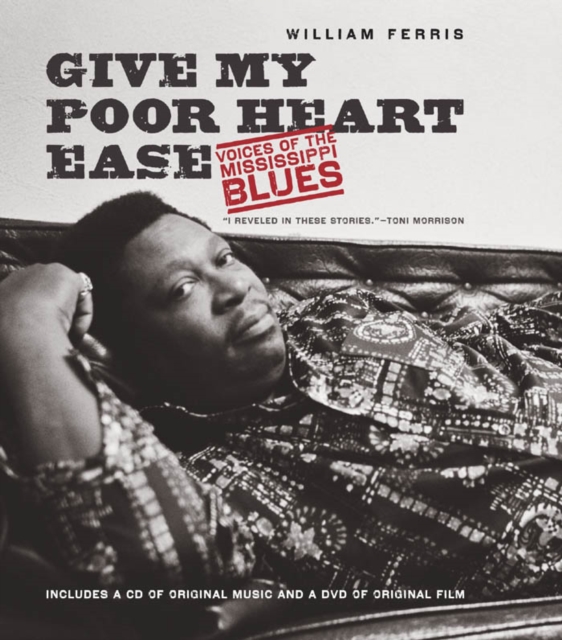
Throughout the 1960s and 1970s, folklorist William Ferris toured his home state of Mississippi, documenting the voices of African Americans as they spoke about and performed the diverse musical traditions that form the authentic roots of the blues.
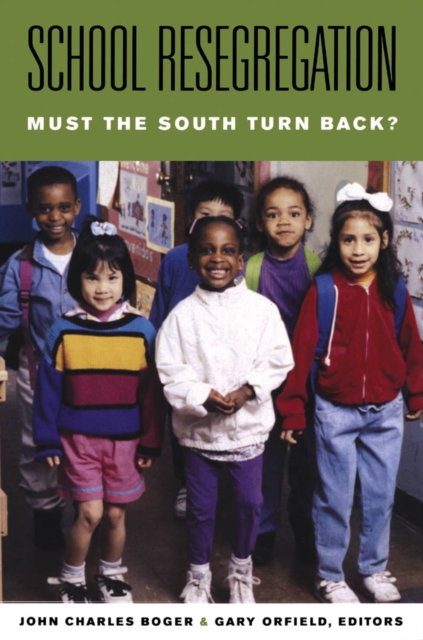
Confronting a reality that many policy makers would prefer to ignore, contributors to this volume offer the latest information on the trend toward the racial and socioeconomic resegregation of southern schools.
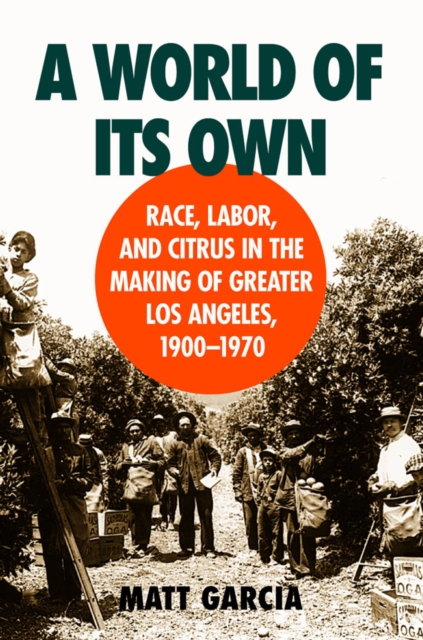
Tracing the history of intercultural struggle and cooperation in the citrus belt of Greater Los Angeles, Matt Garcia explores the social and cultural forces that helped make the city the expansive and diverse metropolis that it is today.
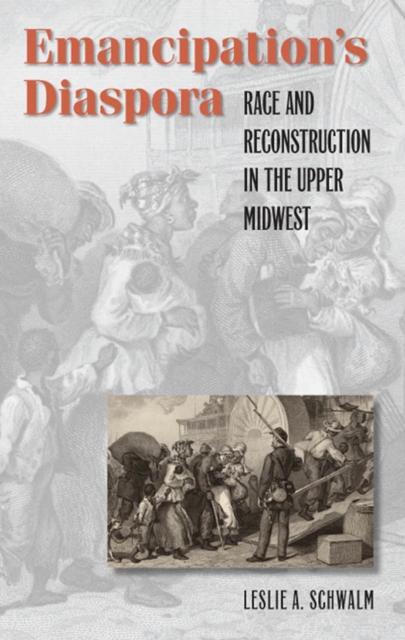
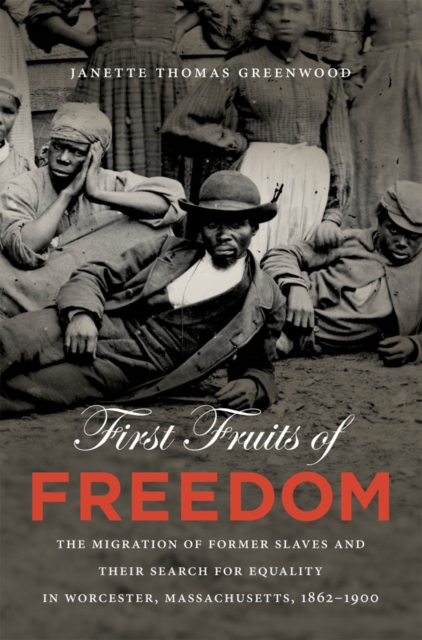
A moving narrative that offers a rare glimpse into the lives of African American men, women, and children on the cusp of freedom, First Fruits of Freedom chronicles one of the first collective migrations of blacks from the South to the North during and after the Civil War.
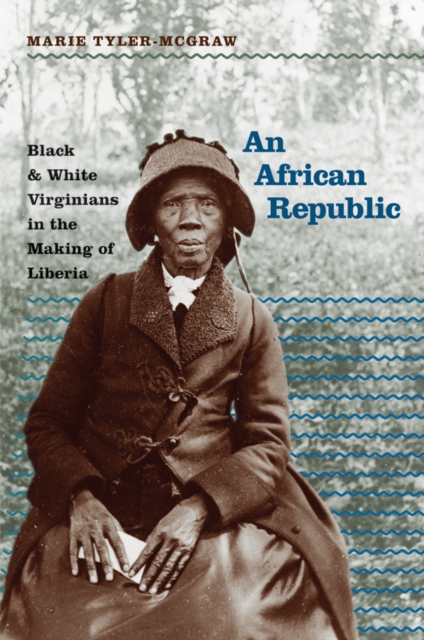
The nineteenth-century American Colonization Society (ACS) project of persuading all American free blacks to emigrate to the ACS colony of Liberia could never be accomplished.
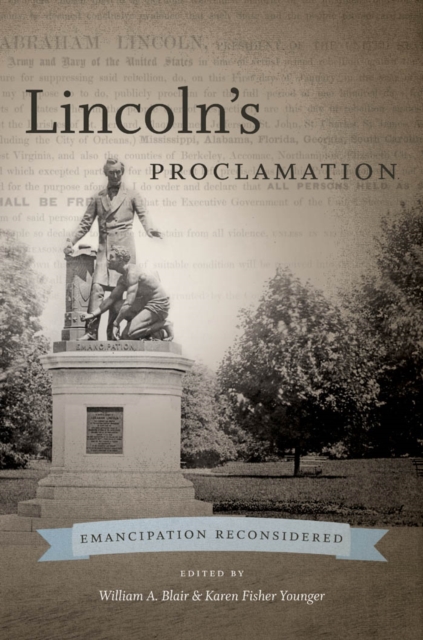
African American freedom is often defined in terms of emancipation and civil rights legislation, but it did not arrive with the stroke of a pen or the rap of a gavel.
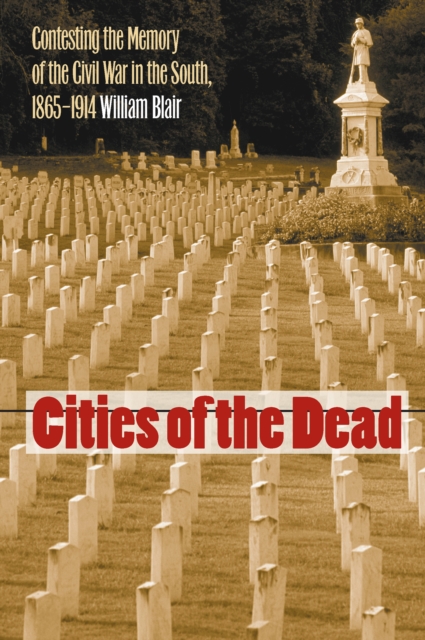
Exploring the history of Civil War commemorations from both sides of the color line, William Blair places the development of memorial holidays, Emancipation Day celebrations, and other remembrances in the context of Reconstruction politics and race relations in the South.
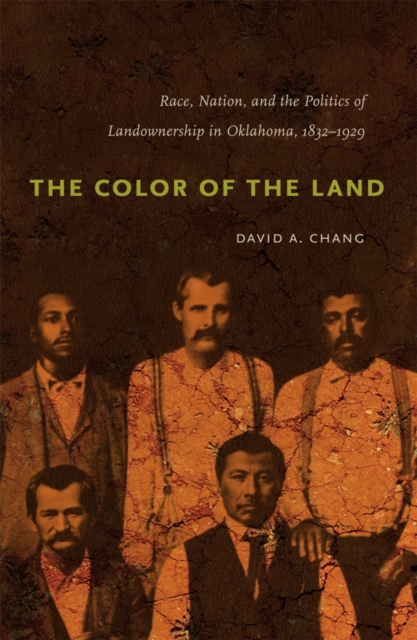
The Color of the Land brings the histories of Creek Indians, African Americans, and whites in Oklahoma together into one story that explores the way races and nations were made and remade in conflicts over who would own land, who would farm it, and who would rule it.
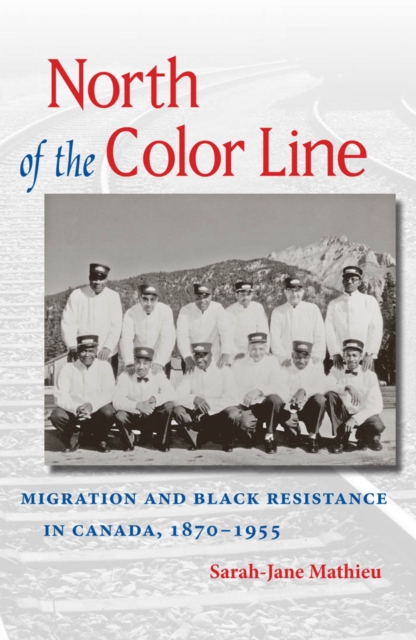
North of the Color Line examines life in Canada for the estimated 5,000 blacks, both African Americans and West Indians, who immigrated to Canada after the end of Reconstruction in the United States.
Through a reexamination of the earliest struggles against Jim Crow, Blair Kelley exposes the fullness of African American efforts to resist the passage of segregation laws dividing trains and streetcars by race in the early Jim Crow era.
In the years after the Civil War, black and white Union soldiers who survived the horrific struggle joined the Grand Army of the Republic (GAR) the Union armys largest veterans' organization.
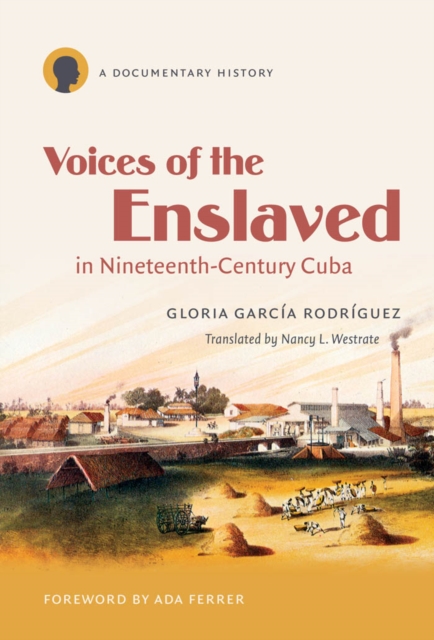
Putting the voices of the enslaved front and center, Gloria Garcia Rodriguez's study presents a compelling overview of African slavery in Cuba and its relationship to the plantation system that was the economic center of the New World.
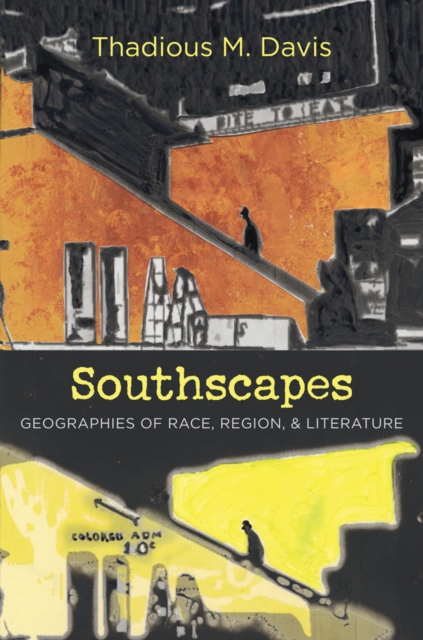
In this innovative approach to southern literary cultures, Thadious Davis analyzes how black southern writers use their spatial location to articulate the vexed connections between society and environment, particularly under segregation and its legacies.
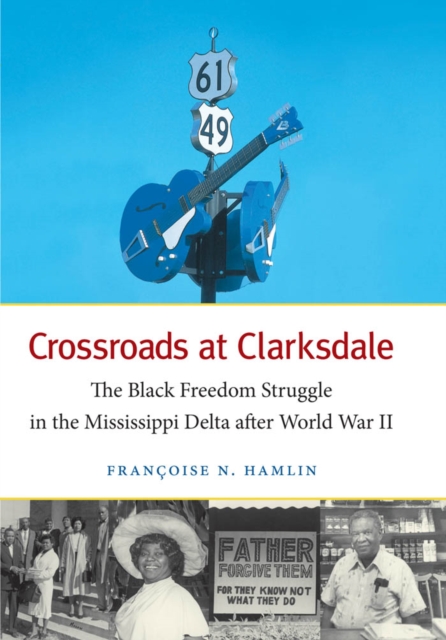
Weaving national narratives from stories of the daily lives and familiar places of local residents, Franoise Hamlin chronicles the slow struggle for black freedom through the history of Clarksdale, Mississippi.
Whether found in country barn dances, the plaintive twang of Hank Williams, the glitzy glamour of Dolly Parton, or the country-pop sound of Faith Hill, country music has always maintained an allegiance to its own authenticity.
In Colonial Fantasies, Imperial Realities, Lenny Urena Valerio offers a transnational approach to Polish-German relations and nineteenth-century colonial subjectivities.
Diverse in their languages and customs, the Native American peoples of the Great Lakes region-the Miamis, Ho-Chunks, Potawatomis, Ojibwas, and many others-shared a tumultuous history.
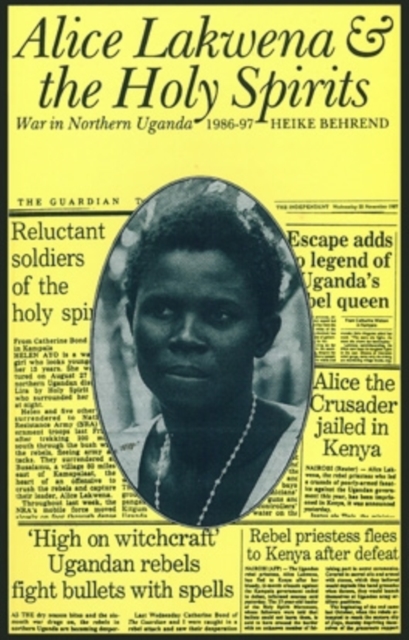
In August 1986, Alice Auma, a young Acholi woman in northern Uganda, proclaiming herself under the orders of a Christian spirit named Lakwena, raised an army called the "e;Holy Spirit Mobile Forces.
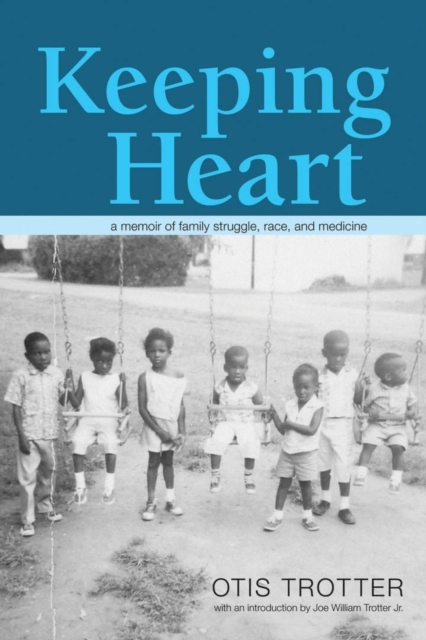
"e;After saying our good-byes to friends and neighbors, we all got in the cars and headed up the hill and down the road toward a future in Ohio that we hoped would be brighter,"e; Otis Trotter writes in his affecting memoir, Keeping Heart: A Memoir of Family Struggle, Race, and Medicine.
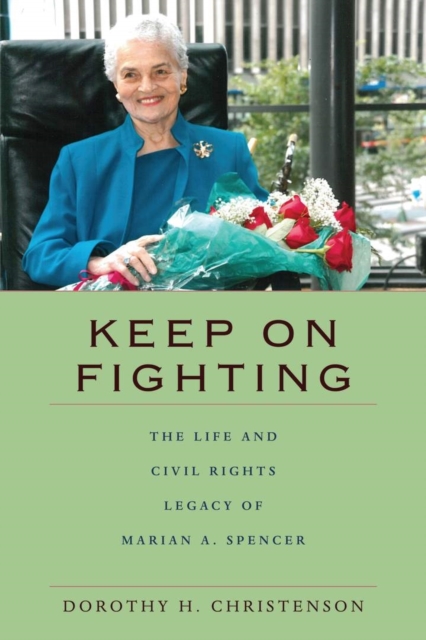
Marian Alexander Spencer was born in 1920 in the Ohio River town of Gallipolis, Ohio, one year after the "e;Red Summer"e; of 1919 that saw an upsurge in race riots and lynchings.
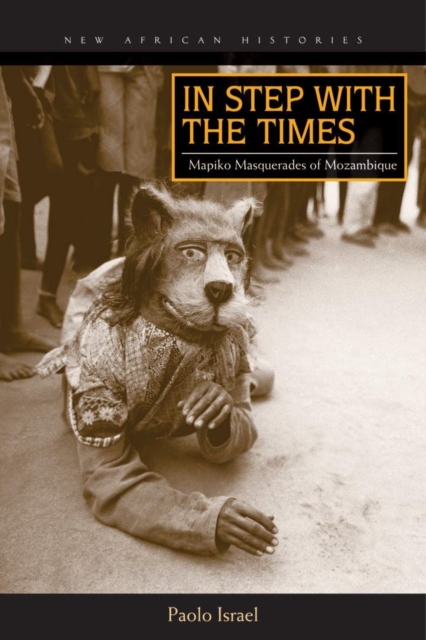
The helmet-shaped mapiko masks of Mozamxadbique have garnered admiration from African art scholars and collectors alike, due to their striking aesthetics and their grotesque allure.
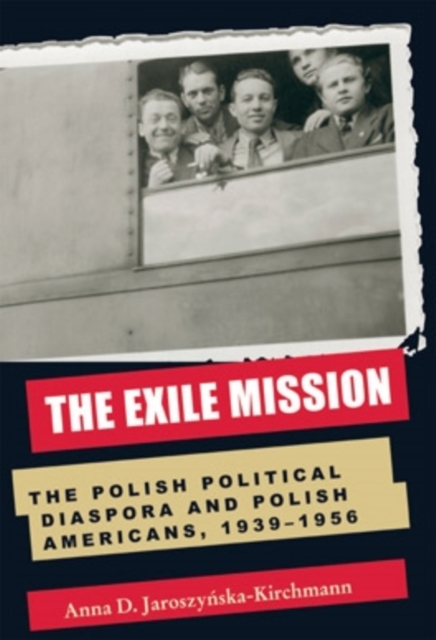
At midcentury, two distinct Polish immigrant groups-those Polish Americans who were descendants of economic immigrants from the turn of the twentieth century and the Polish political refugees who chose exile after World War II and the communist takeover in Poland-faced an uneasy challenge to reconcile their concepts of responsibility toward the homeland.
The Great Recession punished American workers, leaving many underemployed or trapped in jobs that did not provide the income or opportunities they needed.
Set against the backdrop of the Japanese invasion of the Philippines in 1941, Cecilia Manguerra Brainard's brilliant novel weaves myth and legend together with the suffering and tragedies of the Filipino people.