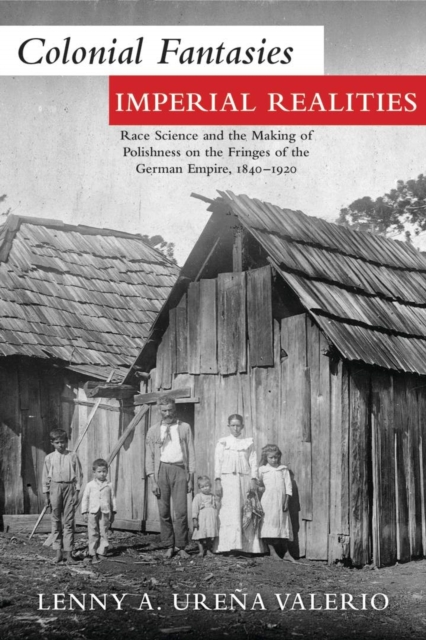
In Colonial Fantasies, Imperial Realities, Lenny Urena Valerio offers a transnational approach to Polish-German relations and nineteenth-century colonial subjectivities.
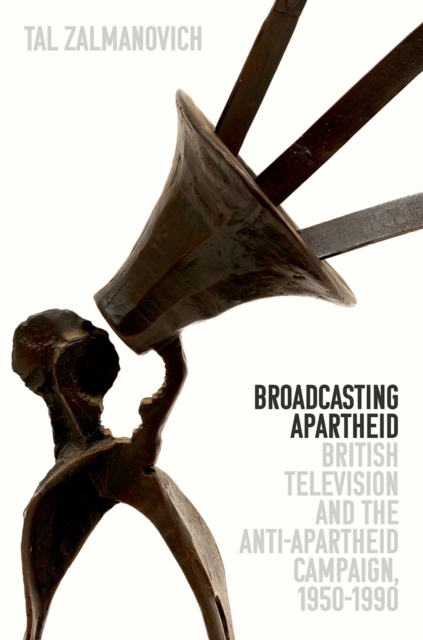
From the early days of the anti-apartheid struggle in South Africa, activists collaborated with artists, musicians, and entertainers, strategically using celebrity and popular culture to amplify protest.
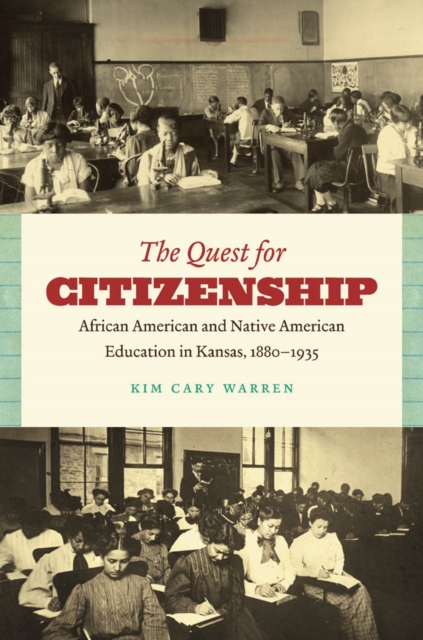
In The Quest for Citizenship, Kim Cary Warren examines the formation of African American and Native American citizenship, belonging, and identity in the United States by comparing educational experiences in Kansas between 1880 and 1935.
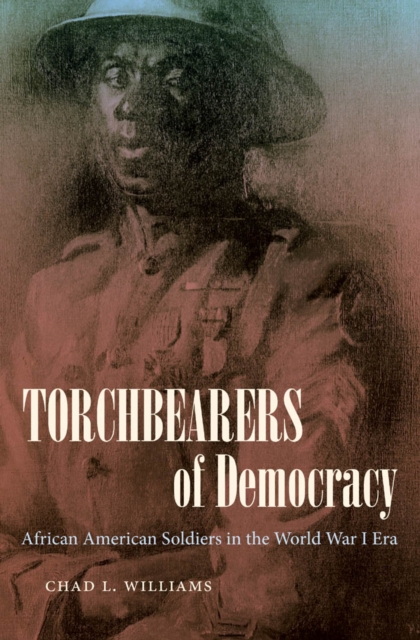
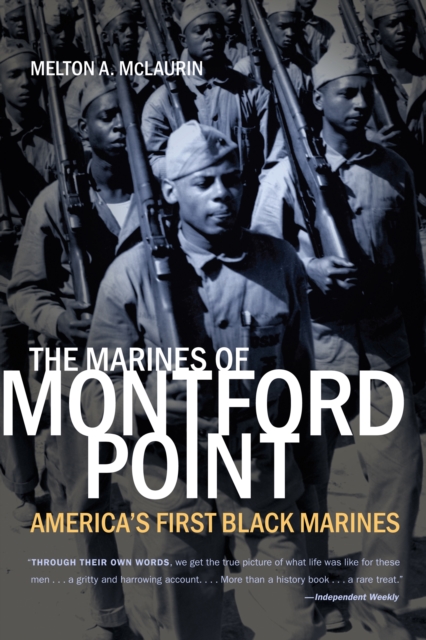
For the 380,000 African American soldiers who fought in World War I, Woodrow Wilsons charge to make the world safe for democracy carried life-or-death meaning.
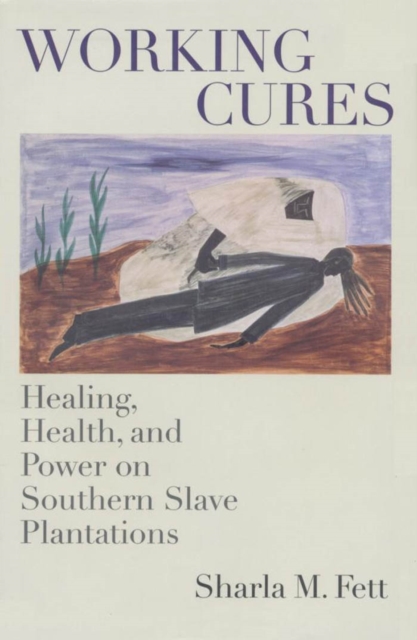
Exploring the charged topic of black health under slavery, Sharla Fett reveals how herbalism, conjuring, midwifery, and other African American healing practices became arts of resistance in the antebellum South.
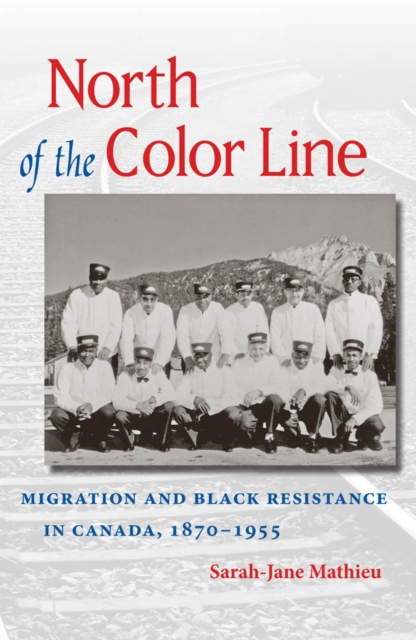
North of the Color Line examines life in Canada for the estimated 5,000 blacks, both African Americans and West Indians, who immigrated to Canada after the end of Reconstruction in the United States.
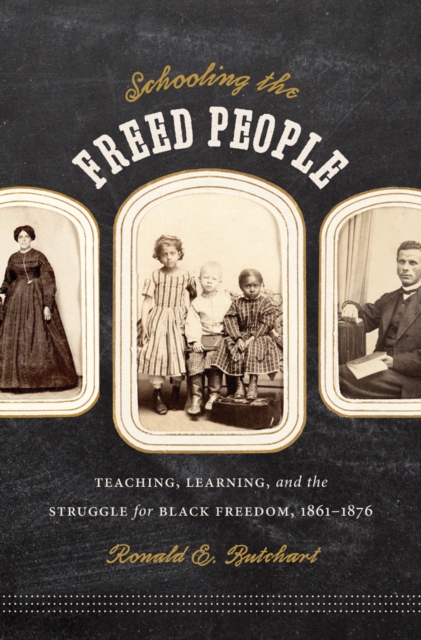
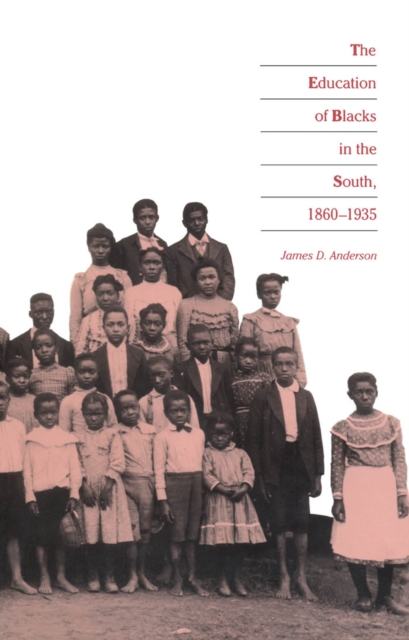
Conventional wisdom holds that freedmens education was largely the work of privileged, single white northern women motivated by evangelical beliefs and abolitionism.
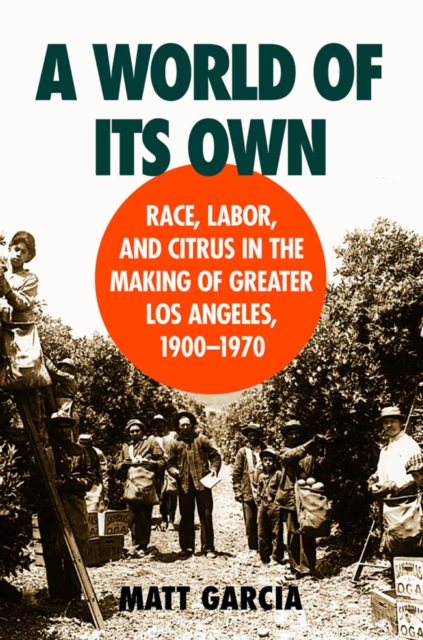
Tracing the history of intercultural struggle and cooperation in the citrus belt of Greater Los Angeles, Matt Garcia explores the social and cultural forces that helped make the city the expansive and diverse metropolis that it is today.
Long before the Montgomery bus boycott ushered in the modern civil rights movement, black and white southerners struggled to forge interracial democracy in America.
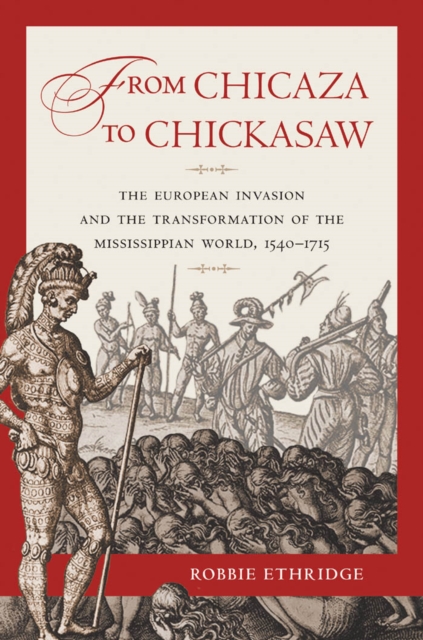
In this sweeping regional history, anthropologist Robbie Ethridge traces the metamorphosis of the Native South from first contact in 1540 to the dawn of the eighteenth century, when indigenous people no longer lived in a purely Indian world but rather on the edge of an expanding European empire.
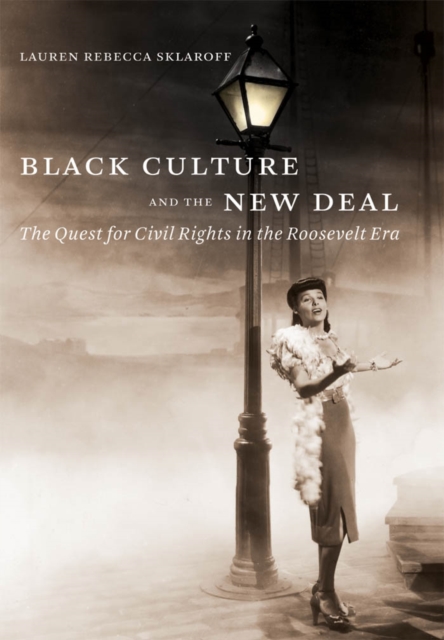
In the 1930s, the Roosevelt administration unwilling to antagonize a powerful southern congressional bloc refused to endorse legislation that openly sought to improve political, economic, and social conditions for African Americans.
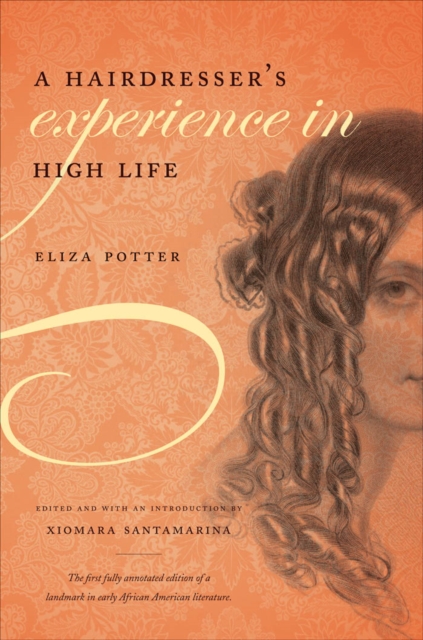
Here is the first fully annotated edition of a landmark in early African American literature Eliza Potters 1859 autobiography, A Hairdressers Experience in High Life.
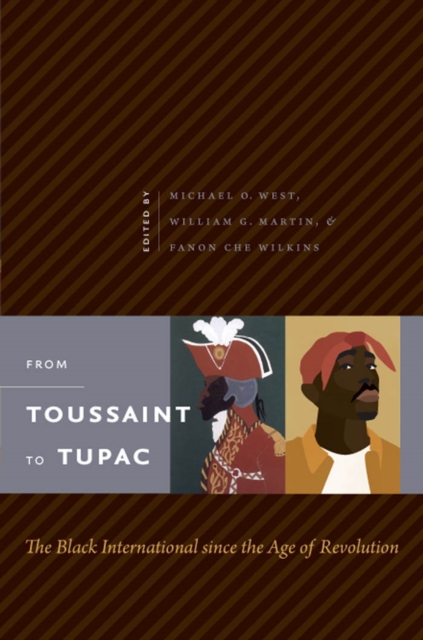
Transcending geographic and cultural lines, From Toussaint to Tupac is an ambitious collection of essays exploring black internationalism and its implications for a black consciousness.
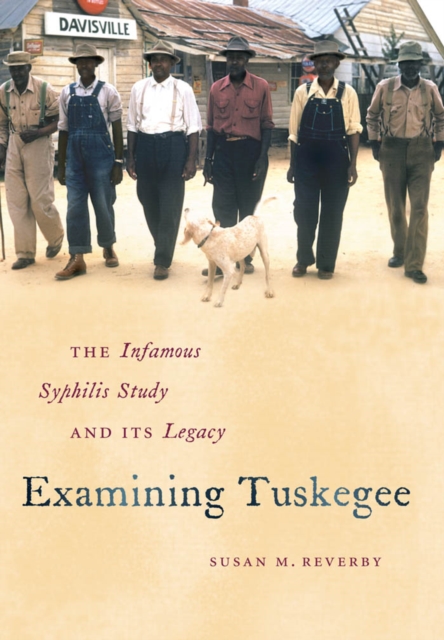
The forty-year Tuskegee Syphilis Study, which took place in and around Tuskegee, Alabama, from the 1930s through the 1970s, has become a profound metaphor for medical racism, government malfeasance, and physician arrogance.
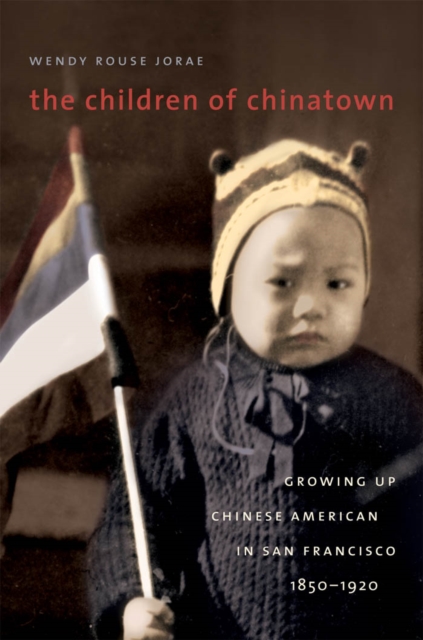
Revealing the untold stories of a pioneer generation of young Chinese Americans, this book places the children and families of early Chinatown in the middle of efforts to combat American policies of exclusion and segregation.
In this classic analysis and refutation of Eric Williamss 1944 thesis, Seymour Drescher argues that Britains abolition of the slave trade in 1807 resulted not from the diminishing value of slavery for Great Britain but instead from the British publics mobilization against the slave trade, which forced London to commit what Drescher terms econocide.
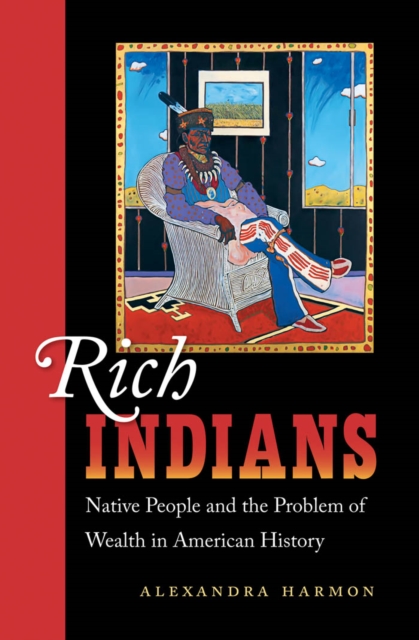
Long before lucrative tribal casinos sparked controversy, Native Americans amassed other wealth that provoked intense debate about the desirability, morality, and compatibility of Indian and non-Indian economic practices.
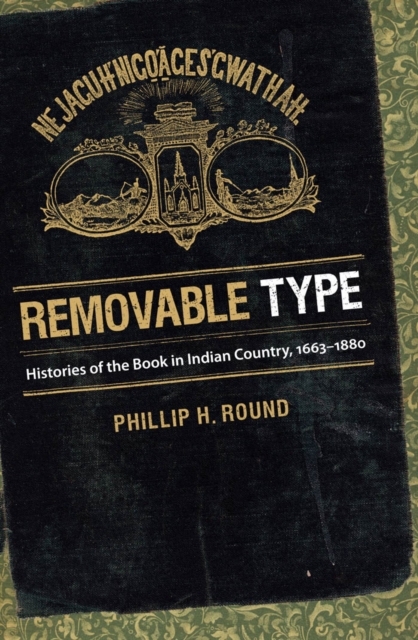
In 1663, the Puritan missionary John Eliot, with the help of a Nipmuck convert whom the English called James Printer, produced the first Bible printed in North America.
Throughout the 1960s and 1970s, folklorist William Ferris toured his home state of Mississippi, documenting the voices of African Americans as they spoke about and performed the diverse musical traditions that form the authentic roots of the blues.
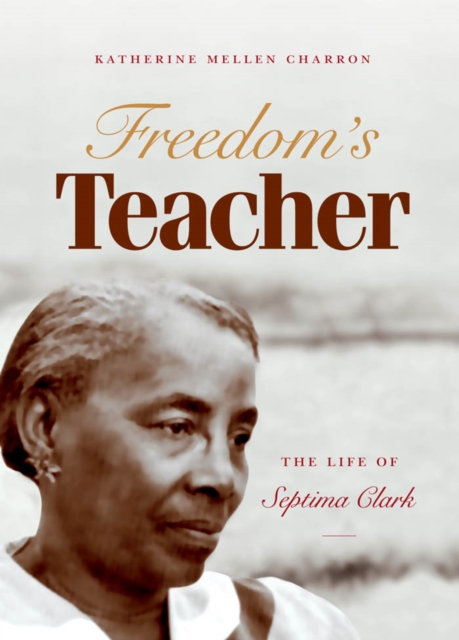
In the mid-1950s, Septima Poinsette Clark (1898-1987), a former public school teacher, developed a citizenship training program that enabled thousands of African Americans to register to vote and then to link the power of the ballot to concrete strategies for individual and communal empowerment.
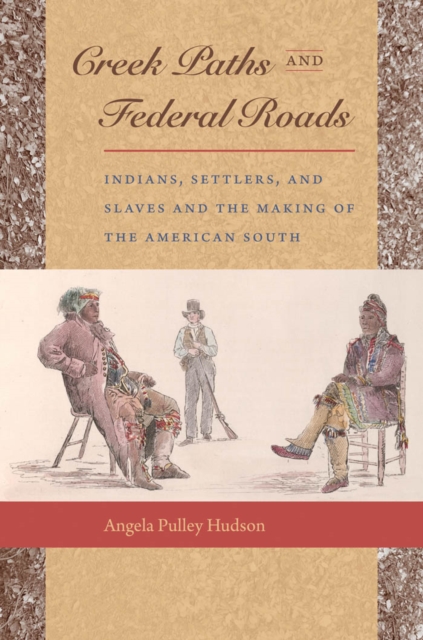
In Creek Paths and Federal Roads, Angela Pulley Hudson offers a new understanding of the development of the American South by examining travel within and between southeastern Indian nations and the southern states, from the founding of the United States until the forced removal of southeastern Indians in the 1830s.
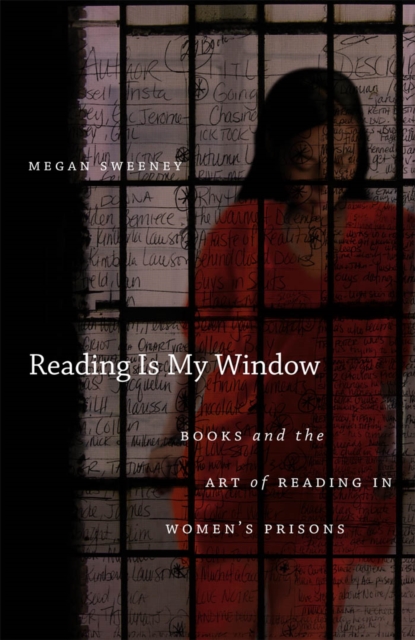
Drawing on extensive interviews with ninety-four women prisoners, Megan Sweeney examines how incarcerated women use available reading materials to come to terms with their pasts, negotiate their present experiences, and reach toward different futures.
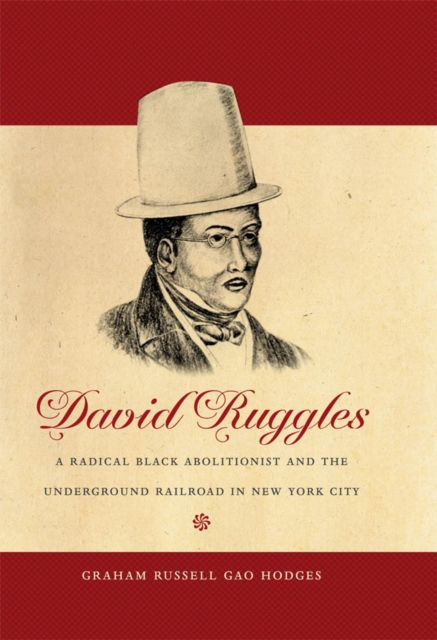
David Ruggles (18101849) was one of the most heroic and has been one of the most often overlooked figures of the early abolitionist movement in America.
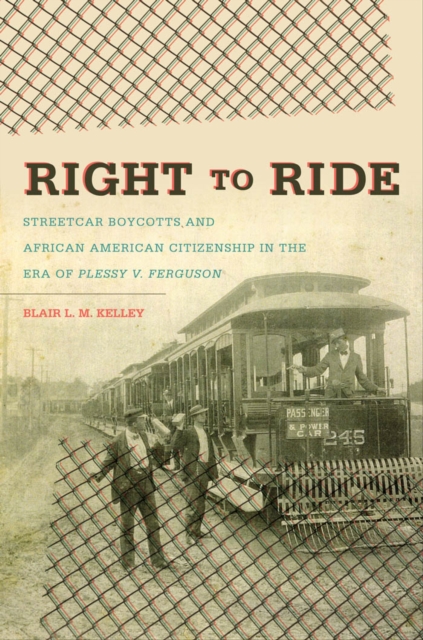
Through a reexamination of the earliest struggles against Jim Crow, Blair Kelley exposes the fullness of African American efforts to resist the passage of segregation laws dividing trains and streetcars by race in the early Jim Crow era.
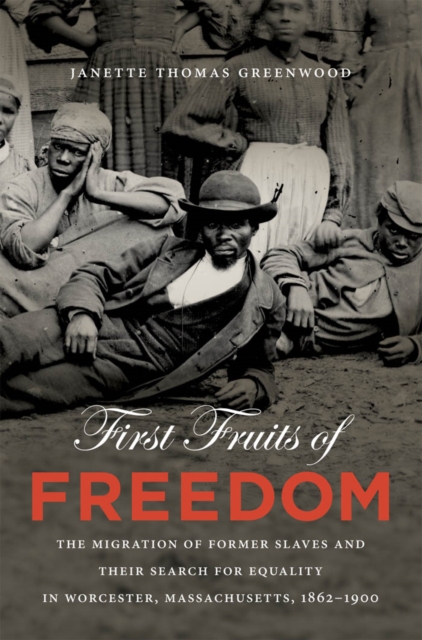
A moving narrative that offers a rare glimpse into the lives of African American men, women, and children on the cusp of freedom, First Fruits of Freedom chronicles one of the first collective migrations of blacks from the South to the North during and after the Civil War.
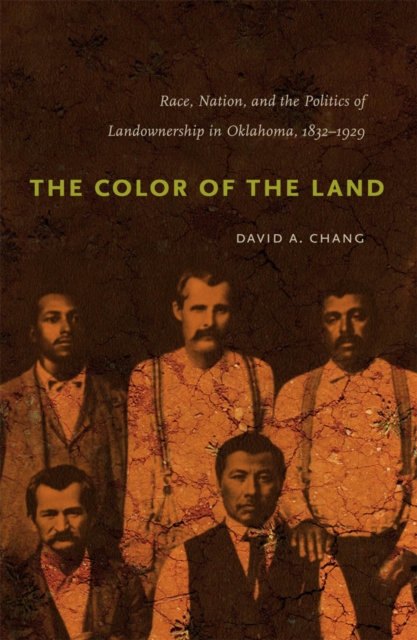
The Color of the Land brings the histories of Creek Indians, African Americans, and whites in Oklahoma together into one story that explores the way races and nations were made and remade in conflicts over who would own land, who would farm it, and who would rule it.
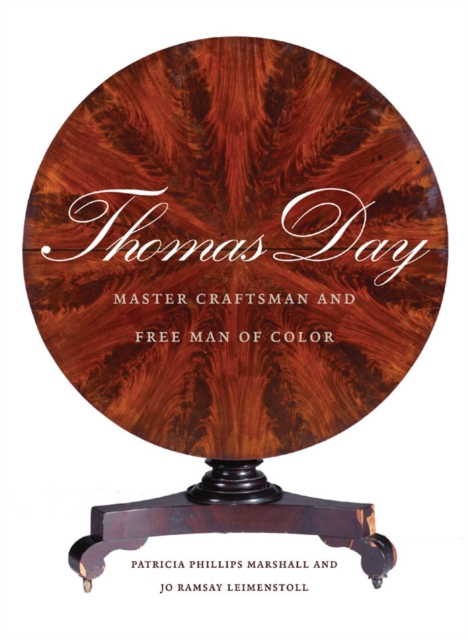
Thomas Day (180161), a free man of color from Milton, North Carolina, became the most successful cabinetmaker in North Carolina white or black during a time when most blacks were enslaved and free blacks were restricted in their movements and activities.
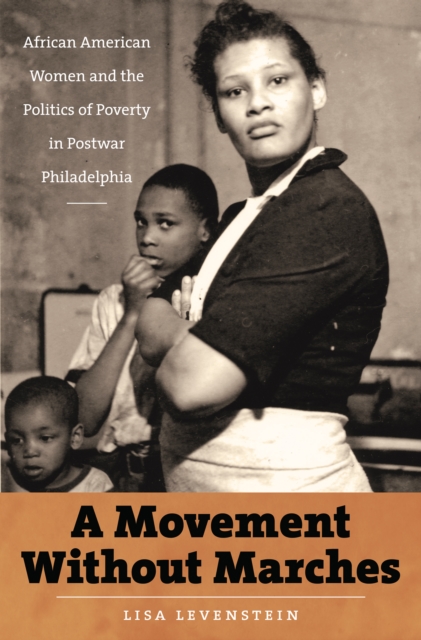
Lisa Levenstein reframes highly charged debates over the origins of chronic African American poverty and the social policies and political struggles that led to the postwar urban crisis.
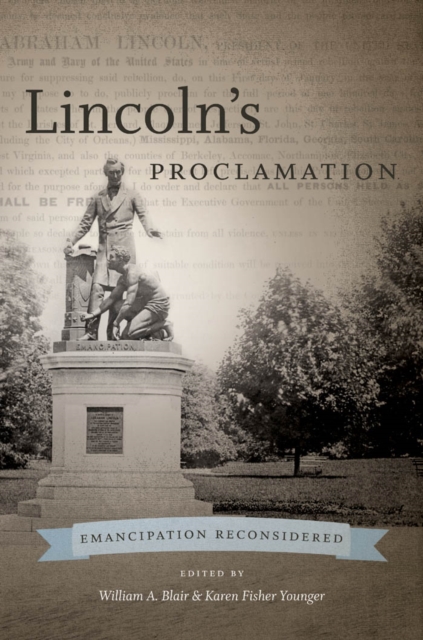
African American freedom is often defined in terms of emancipation and civil rights legislation, but it did not arrive with the stroke of a pen or the rap of a gavel.
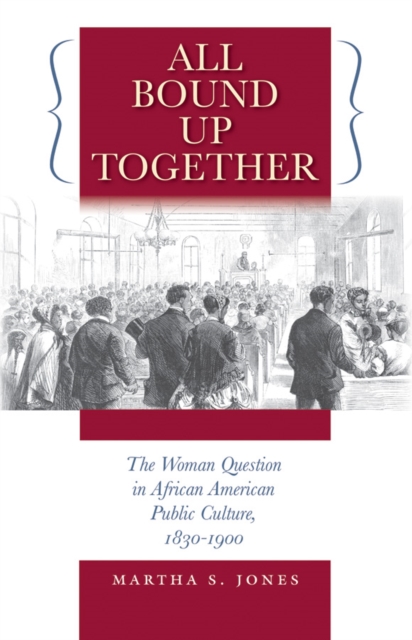
The place of womens rights in African American public culture has been an enduring question, one that has long engaged activists, commentators, and scholars.