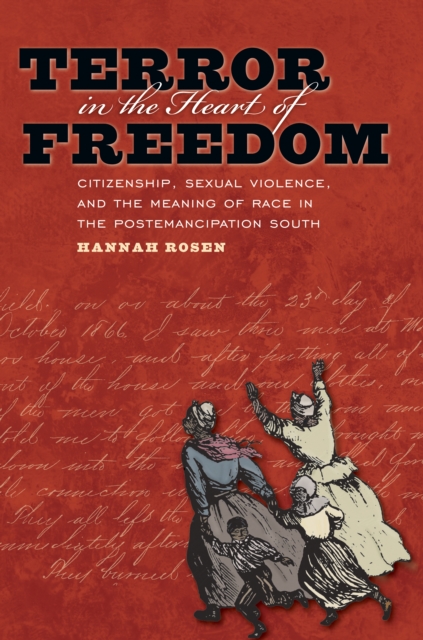
The meaning of race in the antebellum southern United States was anchored in the racial exclusivity of slavery (coded as black) and full citizenship (coded as white as well as male).
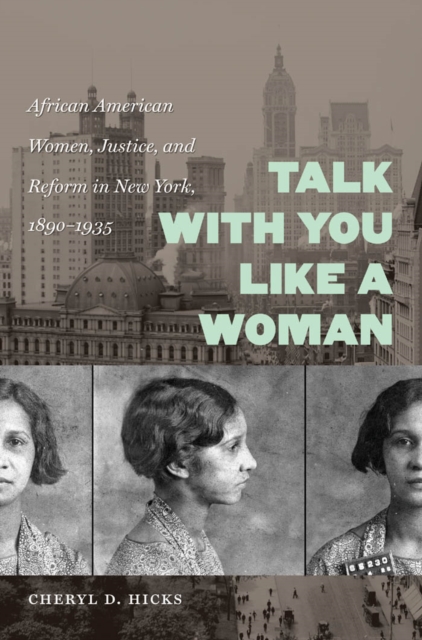
With this book, Cheryl Hicks brings to light the voices and viewpoints of black working-class women, especially southern migrants, who were the subjects of urban and penal reform in early-twentieth-century New York.
This is a book for those who want to know what really happens when, in circumstances of enormous complexity and under the impetus of the New Deal, an irresistible drive for labor organization runs head-on into an immovably imbedded race prejudice.
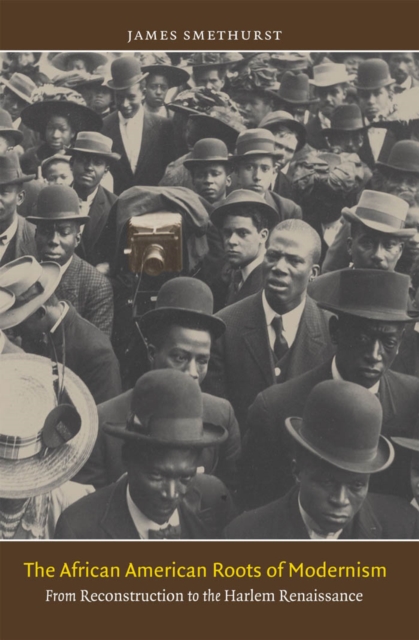
The period between 1880 and 1918, at the end of which Jim Crow was firmly established and the Great Migration of African Americans was well under way, was not the nadir for black culture, James Smethurst reveals, but instead a time of profound response from African American intellectuals.
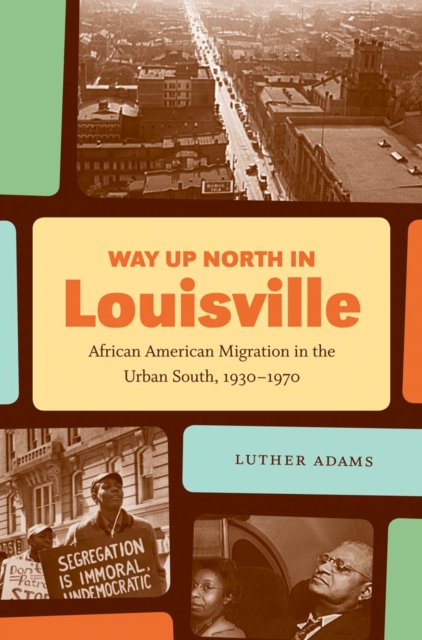
Luther Adams demonstrates that in the wake of World War II, when roughly half the black population left the South seeking greater opportunity and freedom in the North and West, the same desire often anchored African Americans to the South.
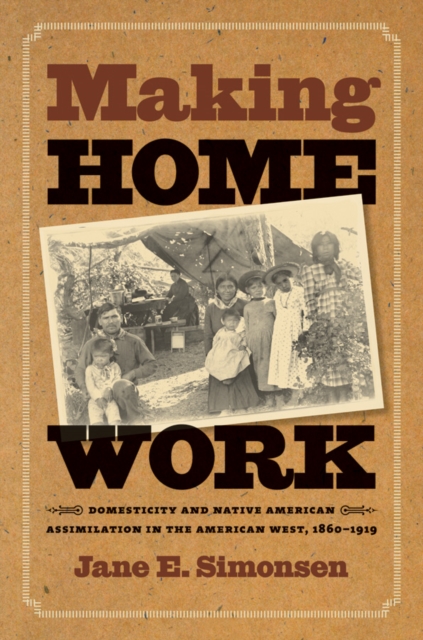
During the westward expansion of America, white middle-class ideals of home and domestic work were used to measure differences between white and Native American women.
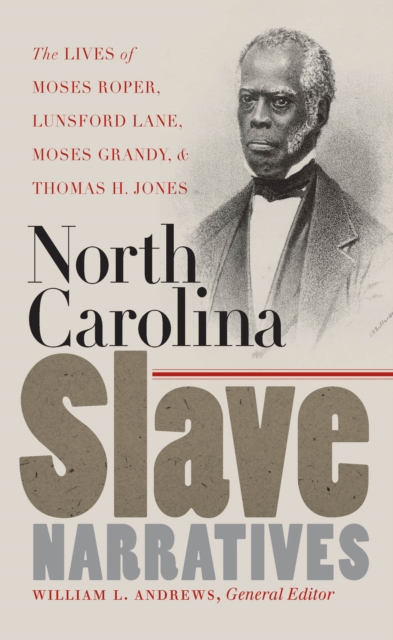
The autobiographies of former slaves contributed powerfully to the abolitionist movement in the United States, fanning national even international indignation against the evils of slavery.
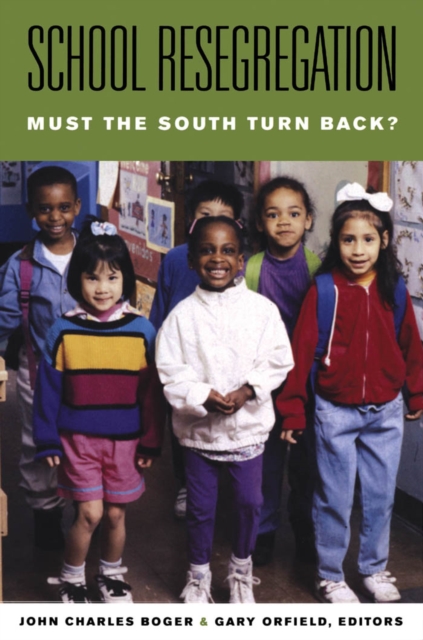
Confronting a reality that many policy makers would prefer to ignore, contributors to this volume offer the latest information on the trend toward the racial and socioeconomic resegregation of southern schools.
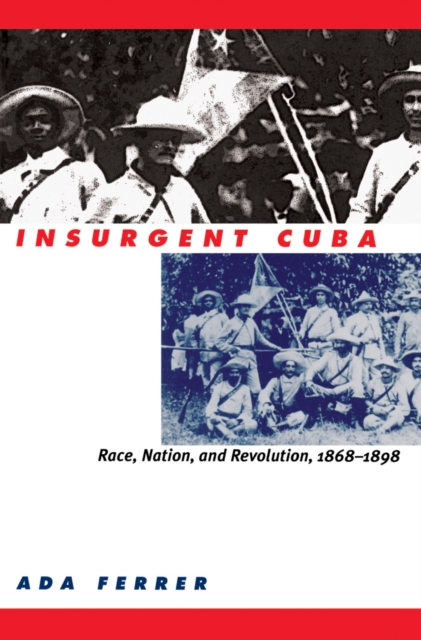
In the late nineteenth century, in an age of ascendant racism and imperial expansion, there emerged in Cuba a movement that unified black, mulatto, and white men in an attack on Europes oldest empire, with the goal of creating a nation explicitly defined as antiracist.
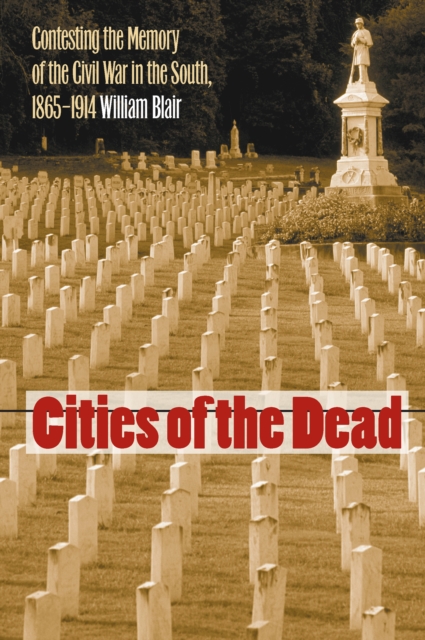
Exploring the history of Civil War commemorations from both sides of the color line, William Blair places the development of memorial holidays, Emancipation Day celebrations, and other remembrances in the context of Reconstruction politics and race relations in the South.
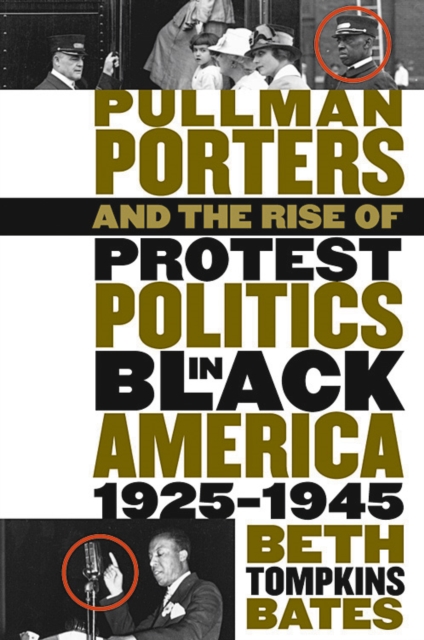
Between World War I and World War II, African Americans' quest for civil rights took on a more aggressive character as a new group of black activists challenged the politics of civility traditionally embraced by old-guard leaders in favor of a more forceful protest strategy.
In the 1960s, increasing numbers of African American students entered predominantly White colleges and universities in the northern and western United States.
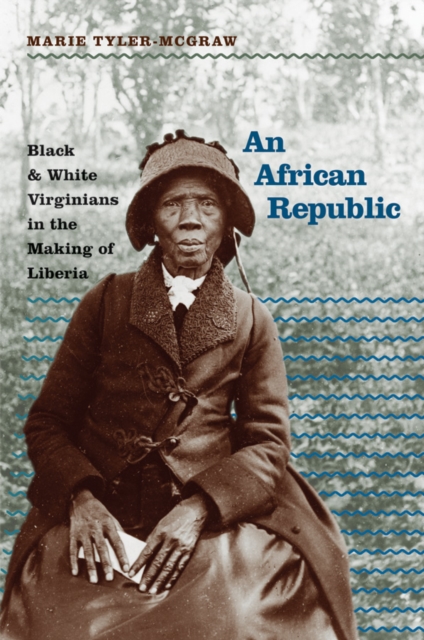
The nineteenth-century American Colonization Society (ACS) project of persuading all American free blacks to emigrate to the ACS colony of Liberia could never be accomplished.
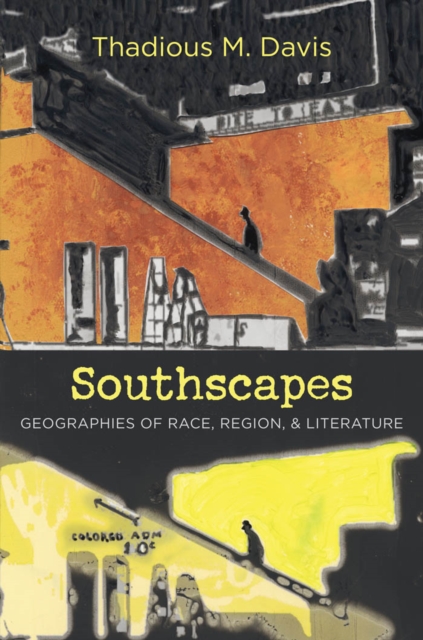
In this innovative approach to southern literary cultures, Thadious Davis analyzes how black southern writers use their spatial location to articulate the vexed connections between society and environment, particularly under segregation and its legacies.
Documenting the difficult class relations between women slaveholders and slave women, this study shows how class and race as well as gender shaped womens experiences and determined their identities.
In a pathbreaking new assessment of the shaping of black male identity in the early twentieth century, Martin Summers explores how middle-class African American and African Caribbean immigrant men constructed a gendered sense of self through organizational life, work, leisure, and cultural production.
Focusing primarily on the exclusion of the Chinese, Lucy Salyer analyzes the popular and legal debates surrounding immigration law and its enforcement during the height of nativist sentiment in the early twentieth century.
In the 1920s, black janitor Sylvester Long reinvented himself as Chief Buffalo Child Long Lance, and Elizabeth Stern, the native-born daughter of a German Lutheran and a Welsh Baptist, authored the immigrants narrative I Am a Woman and a Jew; in the 1990s, Asa Carter, George Wallaces former speechwriter, produced the fake Cherokee autobiography, The Education of Little Tree.
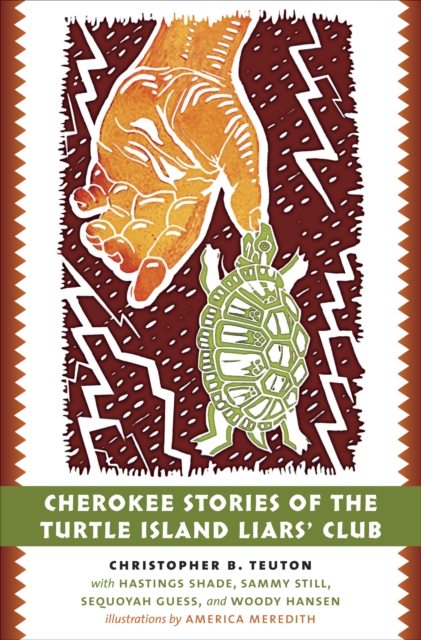
Cherokee Stories of the Turtle Island Liars' Club paints a vivid, fascinating portrait of a community deeply grounded in tradition and dynamically engaged in the present.
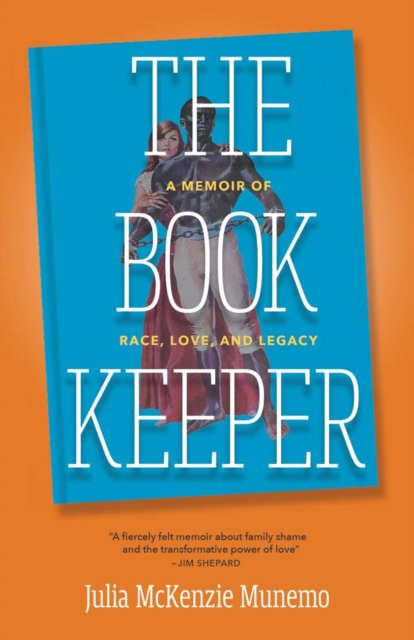
In a memoir that's equal parts love story, investigation, and racial reckoning, Munemo unravels and interrogates her whiteness, a shocking secret, and her family's history.
First serious examination of the curious demise of Reichsfuhrer SS Heinrich Himmler that also investigates an extraordinary web of secret deals and international intrigue.
This detailed account of ethnic minority politics explains when and how European institutions successfully used norms and incentives to shape domestic policy toward ethnic minorities and why those measures sometimes failed.
In 1937, Mexican workers were among the strikers and supporters beaten, arrested, and murdered by Chicago policemen in the now infamous Republic Steel Mill Strike.
Rio de Janeiro in the first half of the nineteenth century had the largest population of urban slaves in the Americas-primary contributors to the atmosphere and vitality of the city.
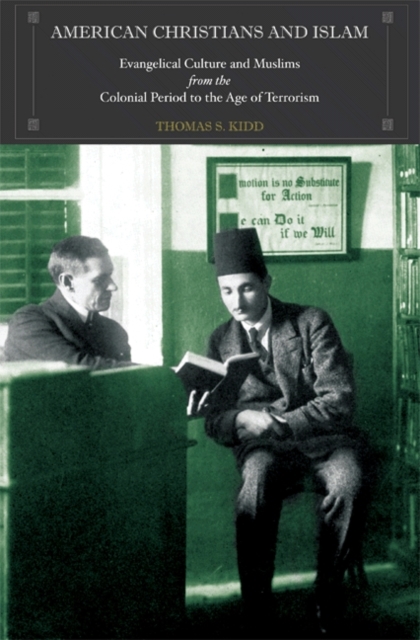
In the wake of the September 11 terrorist attacks, many of America's Christian evangelicals have denounced Islam as a "e;demonic"e; and inherently violent religion, provoking frustration among other Christian conservatives who wish to present a more appealing message to the world's Muslims.
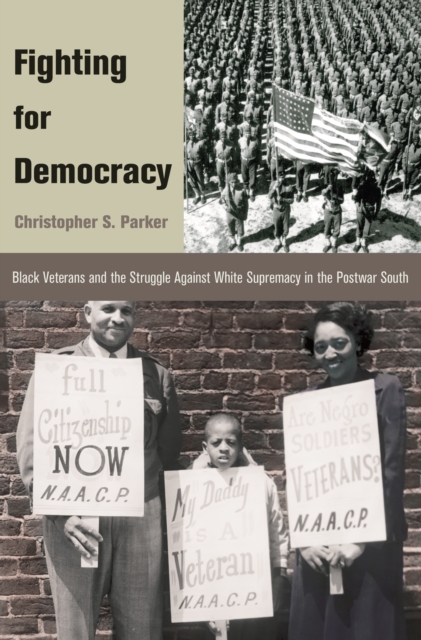
How military service led black veterans to join the civil rights struggleFighting for Democracy shows how the experiences of African American soldiers during World War II and the Korean War influenced many of them to challenge white supremacy in the South when they returned home.
If, as many cultural critics have asserted, the world is becoming more like the Caribbean, then the task of charting what we mean by "e;the Caribbean"e; is an urgent one.