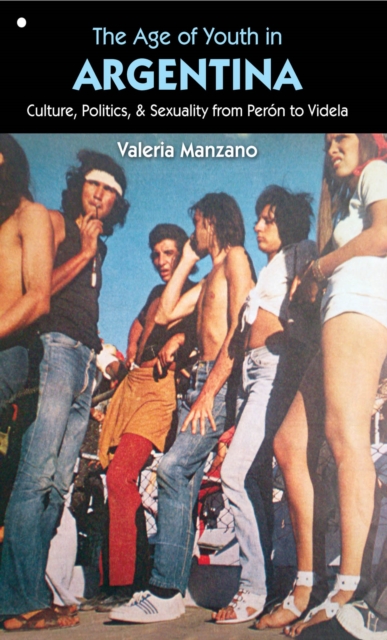
This social and cultural history of Argentinas long sixties argues that the nations younger generation was at the epicenter of a public struggle over democracy, authoritarianism, and revolution from the mid-twentieth century through the ruthless military dictatorship that seized power in 1976.
THE NUMBER ONE BESTSELLER'Devastating' Daily Telegraph'Heartbreaking' The Times'Unforgettable' Isabel Allende'Haunting' IndependentAfghanistan, 1975: Twelve-year-old Amir is desperate to win the local kite-fighting tournament and his loyal friend Hassan promises to help him.
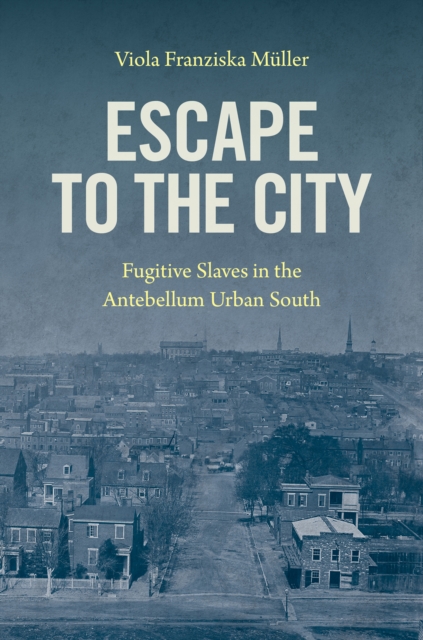
Viola Franziska Mller examines runaways who camouflaged themselves among the free Black populations in Baltimore, Charleston, New Orleans, and Richmond.
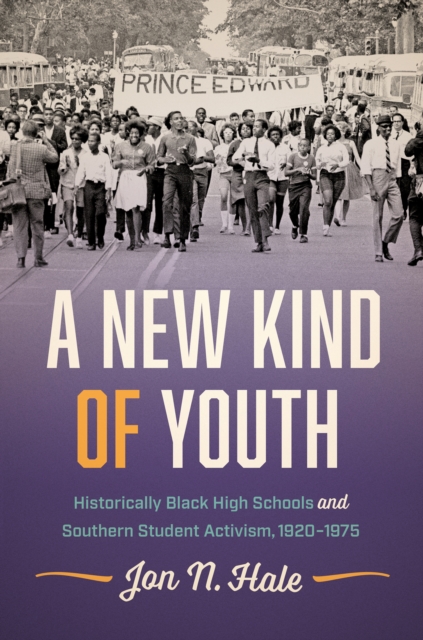
The story of activist youth in America is usually framed around the Vietnam War, the counterculture, and college campuses, focusing primarily on college students in the 1960s and 1970s.
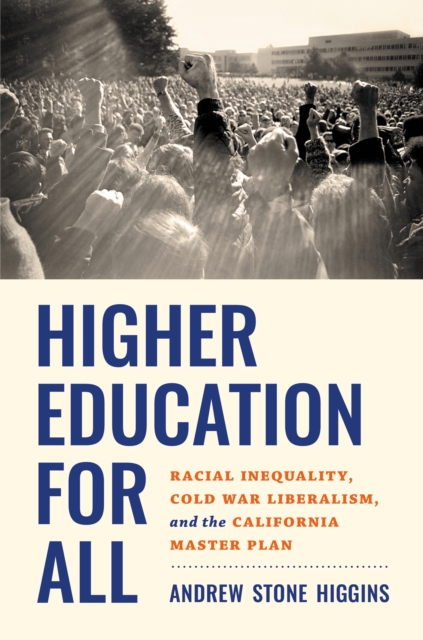
The 1960 California Master Plan for Higher Education remains to this day the largest and most ambitious attempt to provide free, universal college education in the United States.
This book offers the definitive history of how formerly enslaved men and women pursued federal benefits from the Civil War to the New Deal and, in the process, transformed themselves from a stateless people into documented citizens.
The formation of new states was an essential feature of US expansion throughout the long nineteenth century, and debates over statehood and states' rights were waged not only in legislative assemblies but also in newspapers, maps, land surveys, and other forms of print and visual culture.
Throughout Latin America, social medicine has been widely recognized for its critical perspectives on mainstream understandings of health and for its progressive policy achievements.
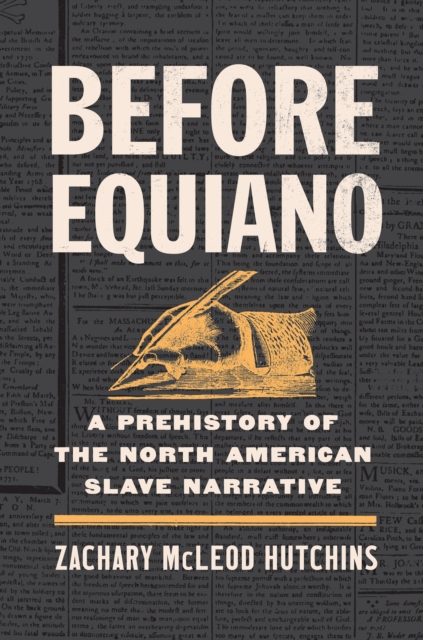
In the antebellum United States, formerly enslaved men and women who told their stories and advocated for abolition helped establish a new genre with widely recognized tropes: the slave narrative.
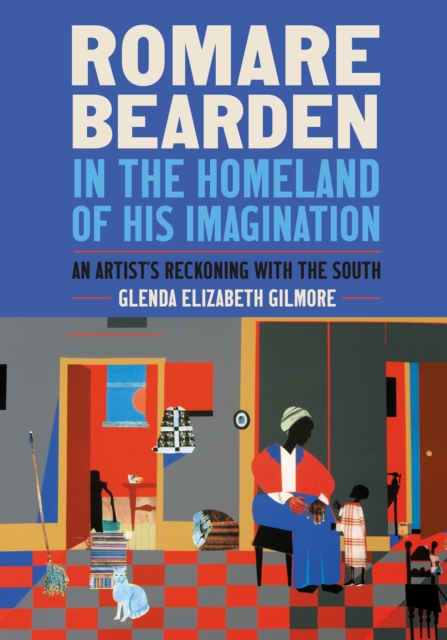
Romare Bearden (19111988), one of the most prolific, original, and acclaimed American artists of the twentieth century,richly depictedscenes and figures rooted in the American South and the Black experience.
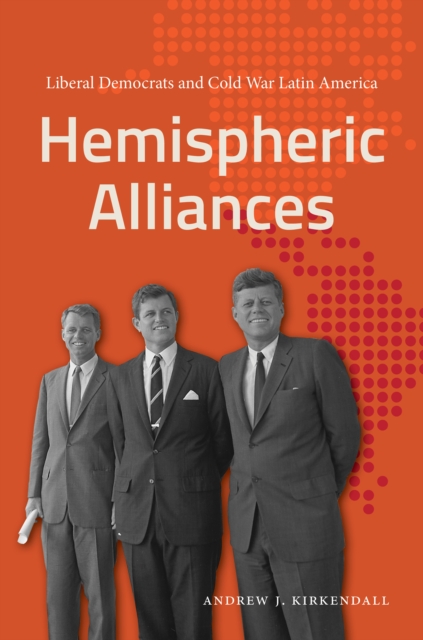
Hemispheric foreign policy has waxed and waned since the Mexican War, and the Cold War presented both extraordinary promises and dangerous threats to U.
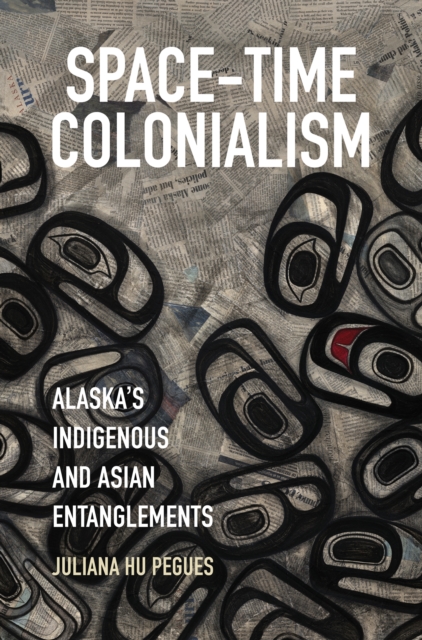
As the enduring last frontier, Alaska proves an indispensable context for examining the form and function of American colonialism, particularly in the shift from western continental expansion to global empire.
Born in an explosive boom and built through distinct economic networks, San Francisco has a cosmopolitan character that often masks the challenges migrants faced to create community in the city by the bay.
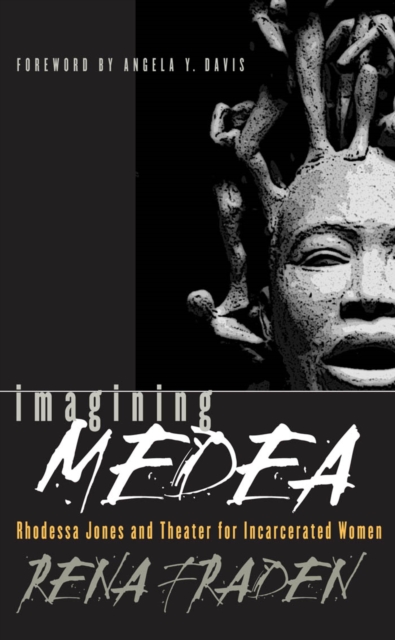
This aint no Dreamgirls, Rhodessa Jones warns participants in the Medea Project, the theater program for incarcerated women that she founded and directs.
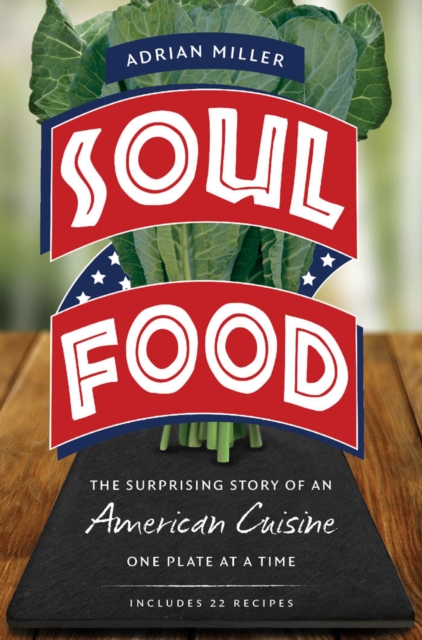
2014 James Beard Foundation Book Award, Reference and ScholarshipHonor Book for Nonfiction, Black Caucus of the American Library AssociationIn this insightful and eclectic history, Adrian Miller delves into the influences, ingredients, and innovations that make up the soul food tradition.
This fascinating book takes readers inside the world of faith-based progressive community organizing, one of the largest and most effective social justice movements in the United States.
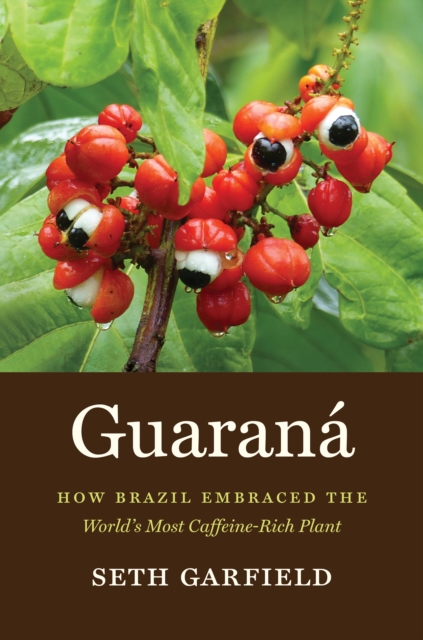
In this sweeping chronicle of guarana glossy-leaved Amazonian vine packed with more caffeine than any other plantSeth Garfield develops a wide-ranging approach to the history of Brazil itself.
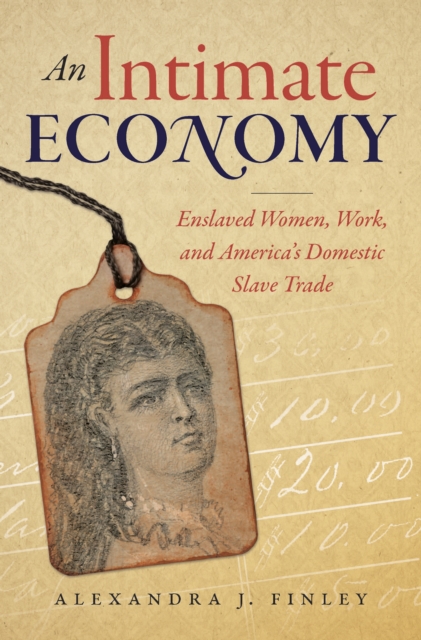
Alexandra Finley adds crucial new dimensions to the boisterous debate over the relationship between slavery and capitalism by placing womens labor at the center of the antebellum slave trade, focusing particularly on slave traders' ability to profit from enslaved womens domestic, reproductive, and sexual labor.
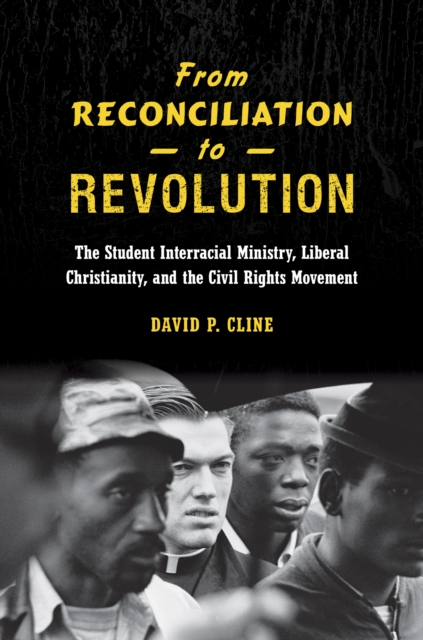
Conceived at the same conference that produced the Student Nonviolent Coordinating Committee (SNCC), the Student Interracial Ministry (SIM) was a national organization devoted to dismantling Jim Crow while simultaneously advancing American Protestant mainline churches approach to race.
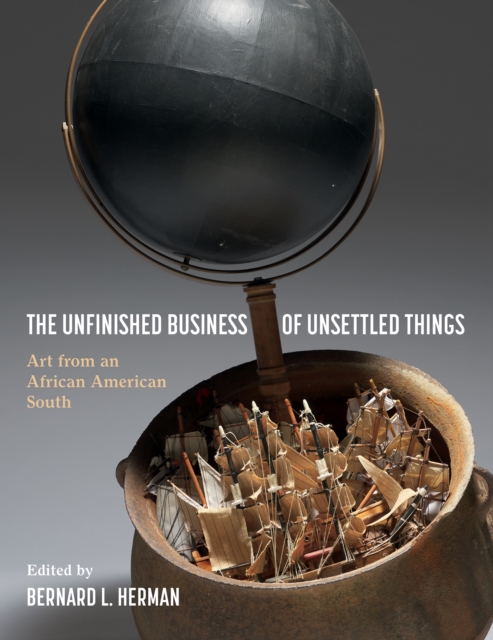
This book invites readers into a growing, dynamic conversation among scholars and critics around a vibrant community of artists from an African American South.
In the first book-length history of Puerto Rican civil rights in New York City, Sonia Lee traces the rise and fall of an uneasy coalition between Puerto Rican and African American activists from the 1950s through the 1970s.
In Mexico and across other parts of Latin America local Indigenous peoples have built community policing groups as a means of protection where the state has limited control over, and even complicity in, crime and violence.
From 1898 onward, the expansion of American militarism and empire abroad increasingly relied on black labor, even as policy remained inflected both by scientific racism and by fears of contagion.
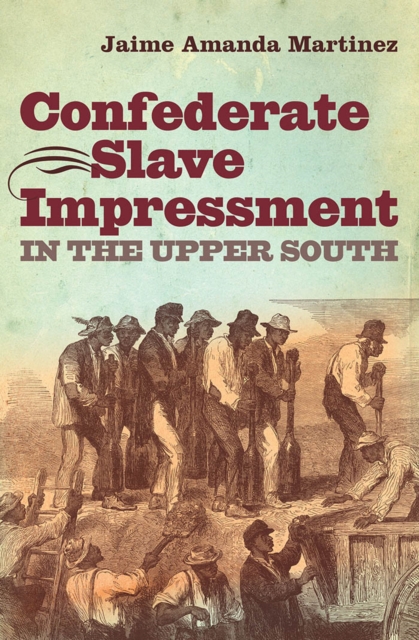
Under policies instituted by the Confederacy, white Virginians and North Carolinians surrendered control over portions of their slave populations to state authorities, military officials, and the national government to defend their new nation.
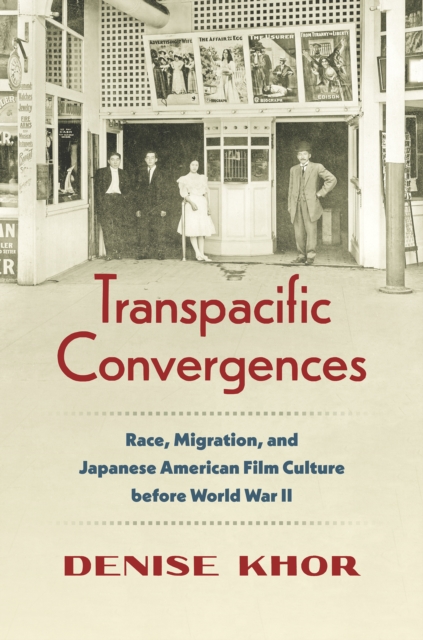
Despite the rise of the Hollywood system and hostility to Asian migrant communities in the early twentieth-century United States, Japanese Americans created a thriving cinema culture that produced films and established theaters and exhibition companies to facilitate their circulation between Japan and the United States.