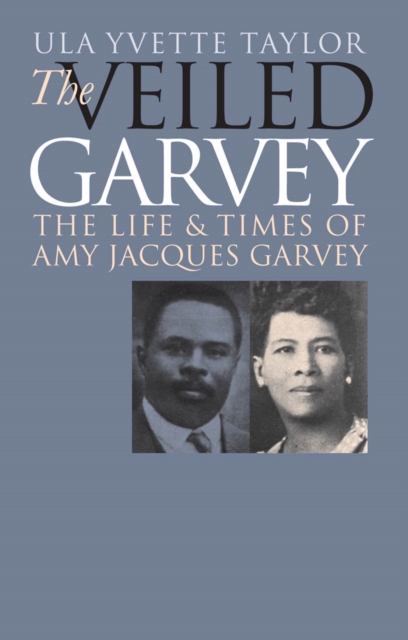
In this biography, Ula Taylor explores the life and ideas of one of the most important, if largely unsung, Pan-African freedom fighters of the twentieth century: Amy Jacques Garvey (18951973).
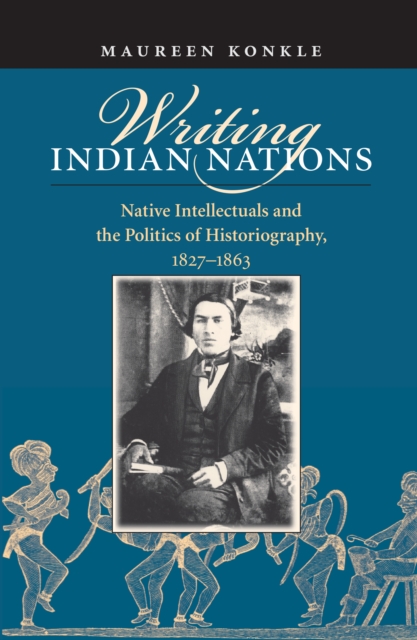
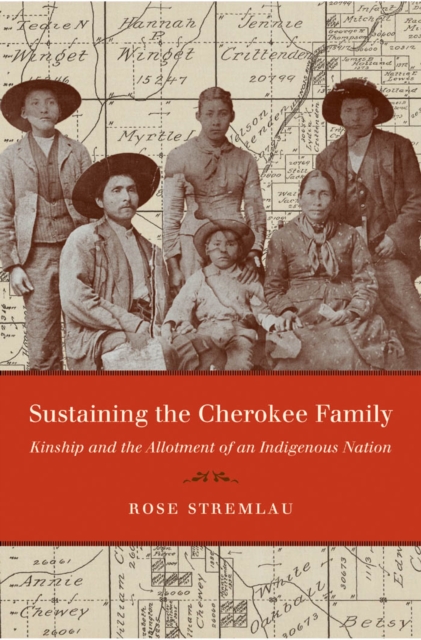
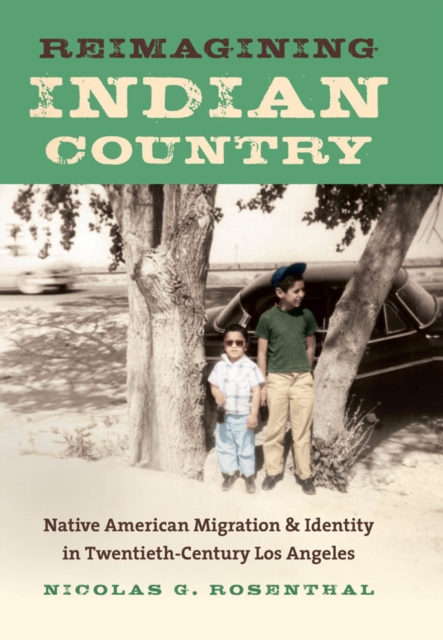
Standard narratives of Native American history view the nineteenth century in terms of steadily declining Indigenous sovereignty, from removal of southeastern tribes to the 1887 General Allotment Act.
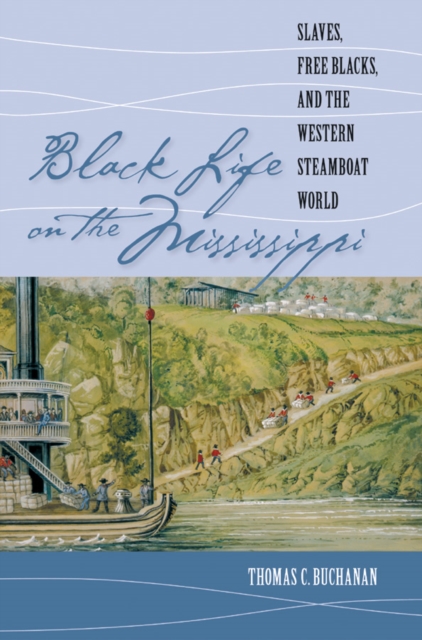
All along the Mississippi on country plantation landings, urban levees and quays, and the decks of steamboats nineteenth-century African Americans worked and fought for their liberty amid the slave trade and the growth of the cotton South.
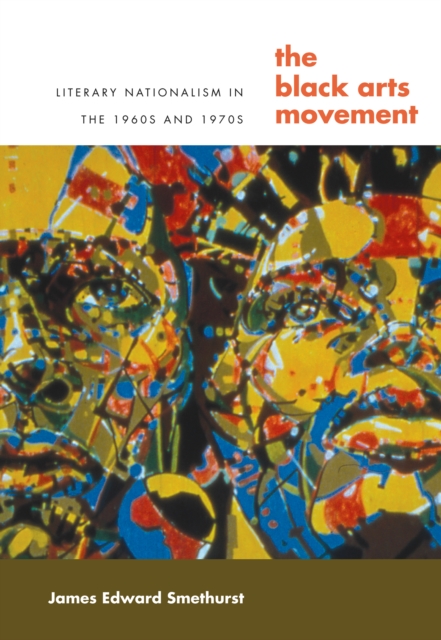
Emerging from a matrix of Old Left, black nationalist, and bohemian ideologies and institutions, African American artists and intellectuals in the 1960s coalesced to form the Black Arts Movement, the cultural wing of the Black Power Movement.
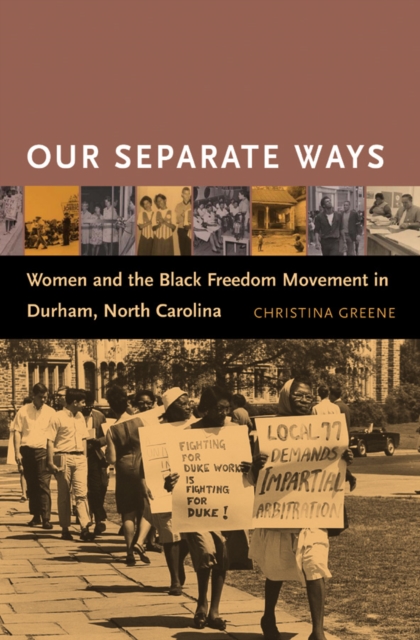
In an in-depth community study of women in the civil rights movement, Christina Greene examines how several generations of black and white women, low-income as well as more affluent, shaped the struggle for black freedom in Durham, North Carolina.
In the early years of the republic, the United States government negotiated with Indian nations because it could not afford protracted wars politically, militarily, or economically.
For more than fifty years, Hoover has been viewed as a lily-white racist who attempted to revitalize Republicanism in the South by driving blacks from positions of leadership at all party levels.
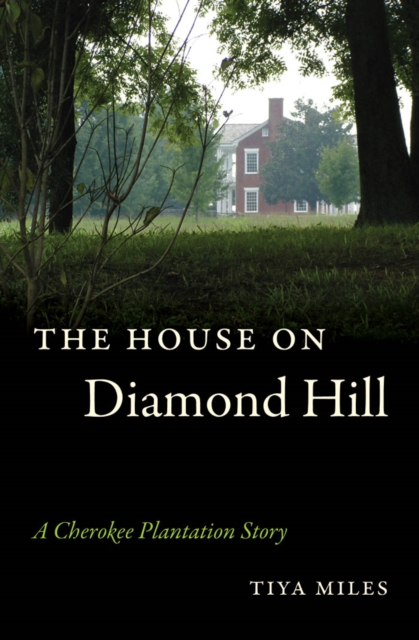
At the turn of the nineteenth century, James Vann, a Cherokee chief and entrepreneur, established Diamond Hill in Georgia, the most famous plantation in the southeastern Cherokee Nation.
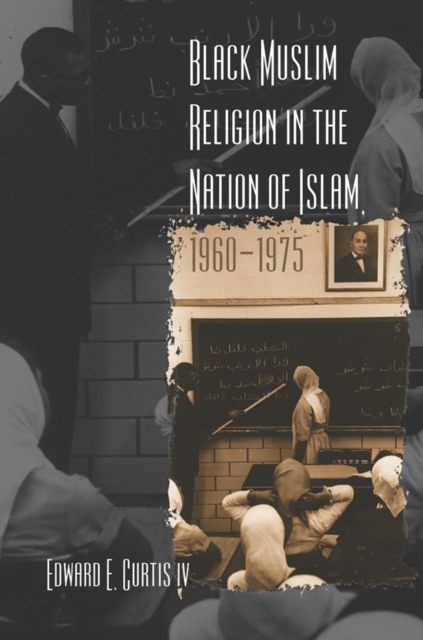
Elijah Muhammads Nation of Islam came to Americas attention in the 1960s and 1970s as a radical separatist African American social and political group.
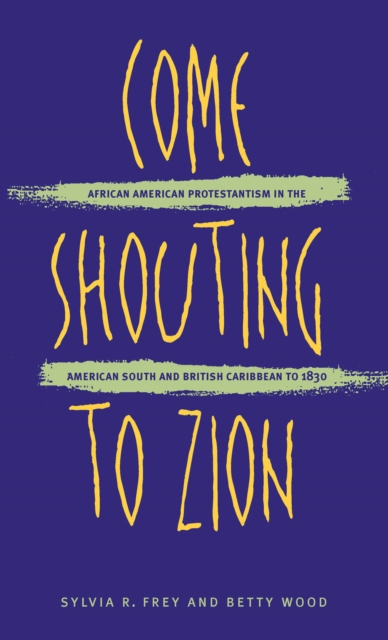
The conversion of African-born slaves and their descendants to Protestant Christianity marked one of the most important social and intellectual transformations in American history.
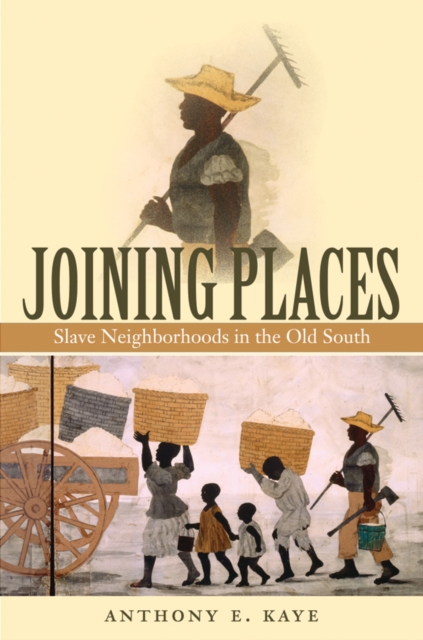
In this new interpretation of antebellum slavery, Anthony Kaye offers a vivid portrait of slaves transforming adjoining plantations into slave neighborhoods.
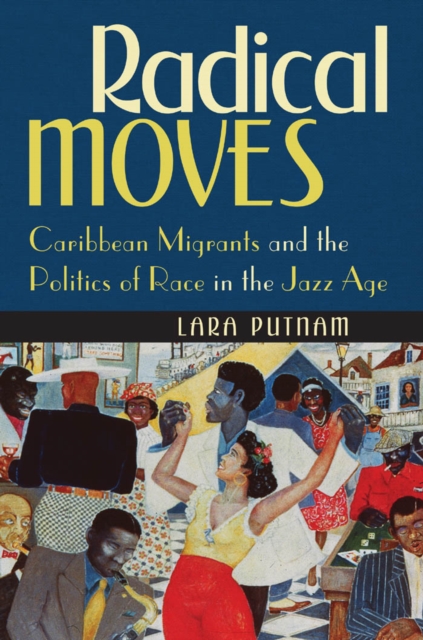
In the generations after emancipation, hundreds of thousands of African-descended working-class men and women left their homes in the British Caribbean to seek opportunity abroad: in the goldfields of Venezuela and the cane fields of Cuba, the canal construction in Panama, and the bustling city streets of Brooklyn.
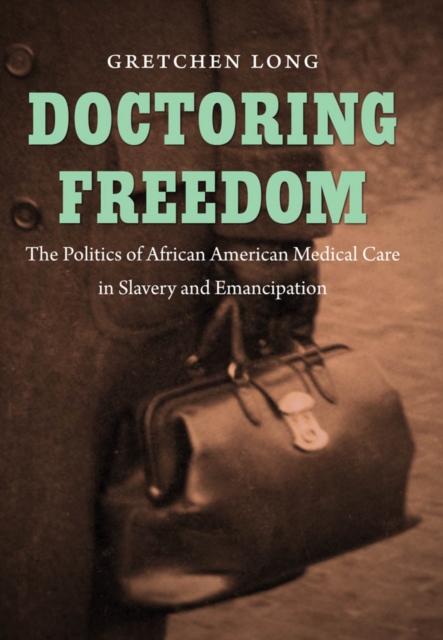
For enslaved and newly freed African Americans, attaining freedom and citizenship without health for themselves and their families would have been an empty victory.
Decades before Miami became Havana USA, a wave of leftist, radical, working-class women and men from prerevolutionary Cuba crossed the Florida Straits, made Ybor City the global capital of the Cuban cigar industry, and established the foundation of latinidad in the Sunshine State.
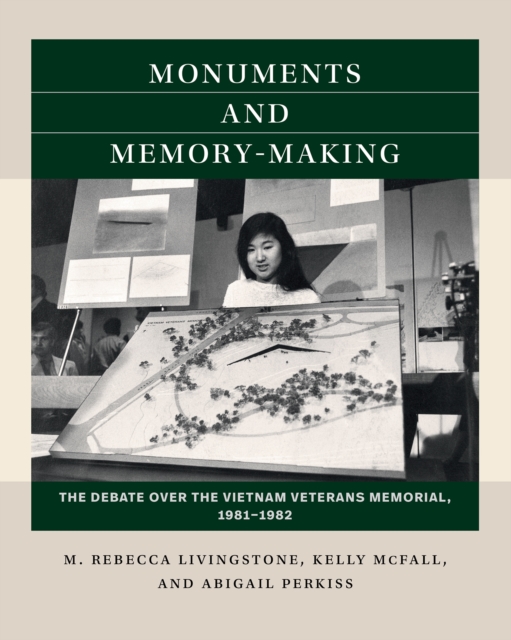
Monuments and Memory-Making immerses students in the conversations and controversies that emerged as the nation grappled with how best to memorialize what was at the time the longest military conflict in US history.
Reconstructing the human and natural environment of the Creek Indians in frontier Georgia, Mississippi, Alabama, and Tennessee, Robbie Ethridge illuminates a time of wrenching transition.
Throughout Latin America, social medicine has been widely recognized for its critical perspectives on mainstream understandings of health and for its progressive policy achievements.
The Research Guide to Japanese Film Studies provides a snapshot of all the archival and bibliographic resources available to students and scholars of Japanese cinema.
Television, Japan, and Globalization makes a monumental contribution to the literature of television studies, which has increasingly recognized its problematic focus on US and Western European media, and a compelling intervention in discussions of globalization, through its careful attention to contradictory and complex phenomena on Japanese TV.
The arson attacks in early 2006 on a number of small Baptist churches in rural Alabama recalled the rash of burnings at dozens of predominantly black houses of worship in the South during the mid-1990s.
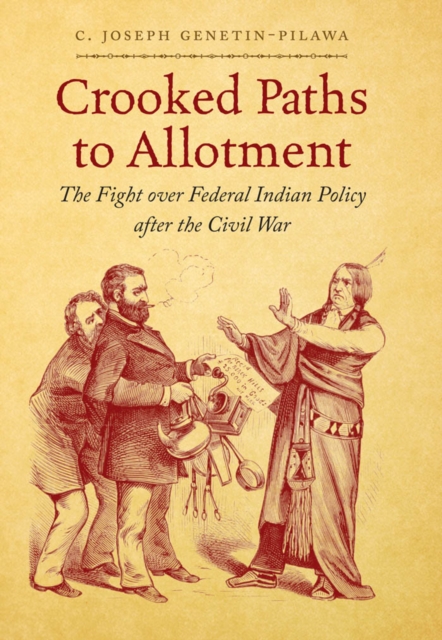
During the late nineteenth and early twentieth centuries, the federal government sought to forcibly assimilate Native Americans into American society through systematized land allotment.
Giving close consideration to previously neglected debates, Matthew Mason challenges the common contention that slavery held little political significance in America until the Missouri Crisis of 1819.
Michael Kay and Lorin Cary illuminate new aspects of slavery in colonial America by focusing on North Carolina, which has largely been ignored by scholars in favor of the more mature slave systems in the Chesapeake and South Carolina.
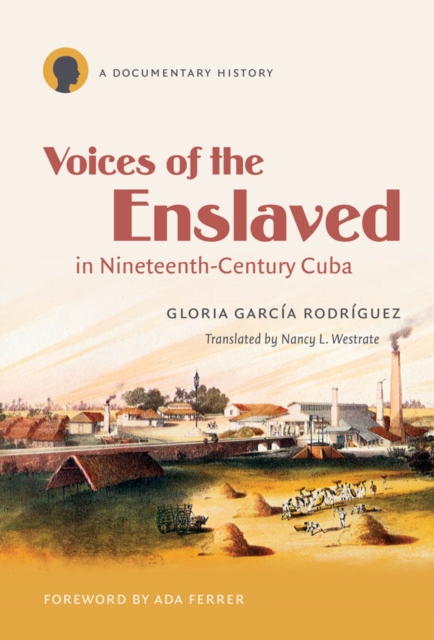
Putting the voices of the enslaved front and center, Gloria Garca Rodrguezs study presents a compelling overview of African slavery in Cuba and its relationship to the plantation system that was the economic center of the New World.
From 2004 to 2006 the Osage Nation conducted a contentious governmental reform process in which sharply differing visions arose over the new governments goals, the Nations own history, and what it means to be Osage.
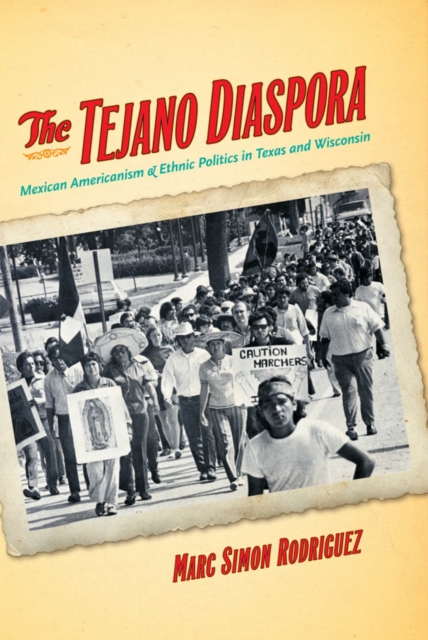
Each spring during the 1960s and 1970s, a quarter million farm workers left Texas to travel across the nation, from the Midwest to California, to harvest Americas agricultural products.
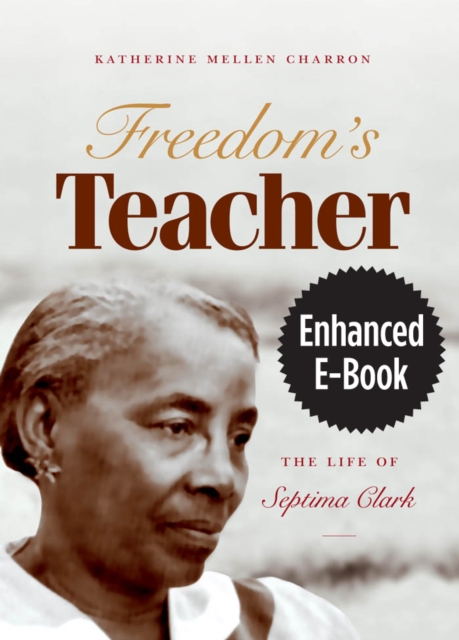
Civil rights activist Septima Poinsette Clark (1898-1987) developed a citizenship education program that enabled tens of thousands of African Americans to register to vote and to link the power of the ballot to concrete strategies for individual and communal empowerment.
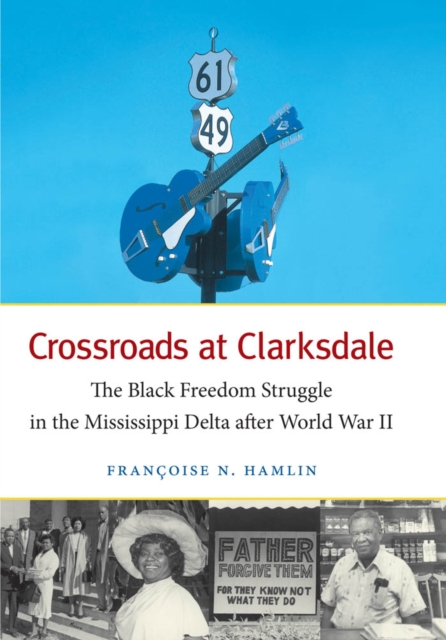
Weaving national narratives from stories of the daily lives and familiar places of local residents, Franoise Hamlin chronicles the slow struggle for black freedom through the history of Clarksdale, Mississippi.
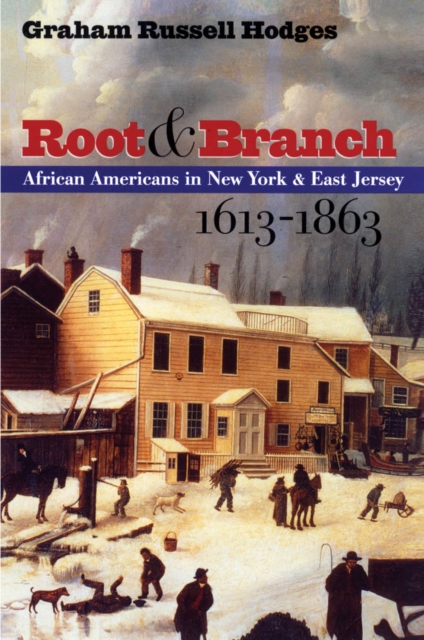
In this remarkable book, Graham Hodges presents a comprehensive history of African Americans in New York City and its rural environs from the arrival of the first African a sailor marooned on Manhattan Island in 1613 to the bloody Draft Riots of 1863.
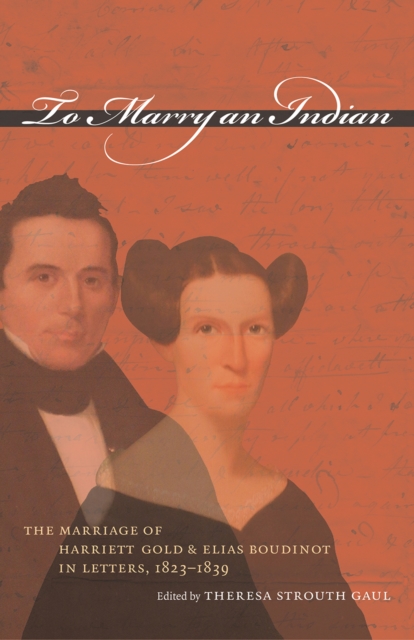
When nineteen-year-old Harriett Gold, from a prominent white family in Cornwall, Connecticut, announced in 1825 her intention to marry a Cherokee man, her shocked family initiated a spirited correspondence debating her decision to marry an Indian.
Although historians over the past two decades have written extensively on the plantation mistress and the slave woman, they have largely neglected the world of the working woman.
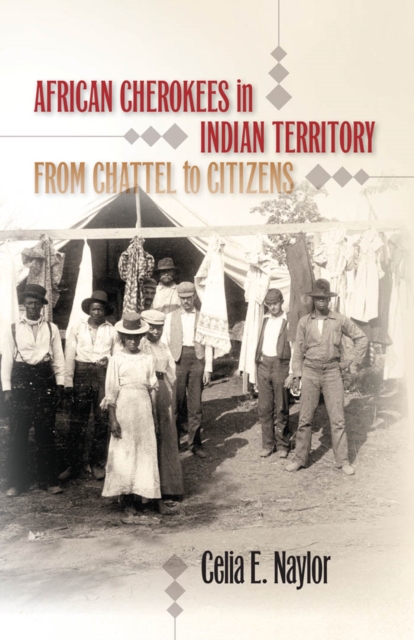
Forcibly removed from their homes in the late 1830s, Cherokee, Creek, Choctaw, and Chickasaw Indians brought their African-descended slaves with them along the Trail of Tears and resettled in Indian Territory, present-day Oklahoma.