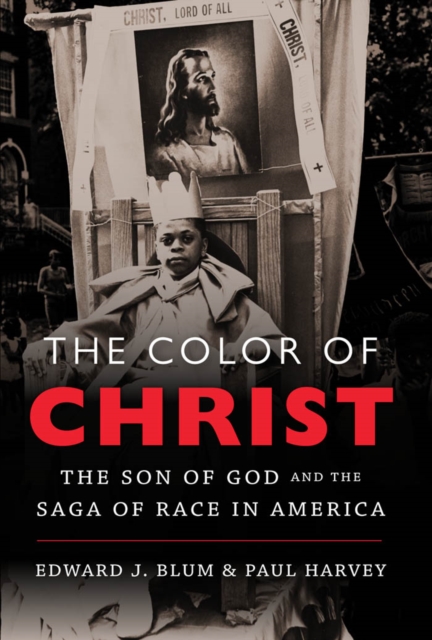
How is it that in America the image of Jesus Christ has been used both to justify the atrocities of white supremacy and to inspire the righteousness of civil rights crusades?
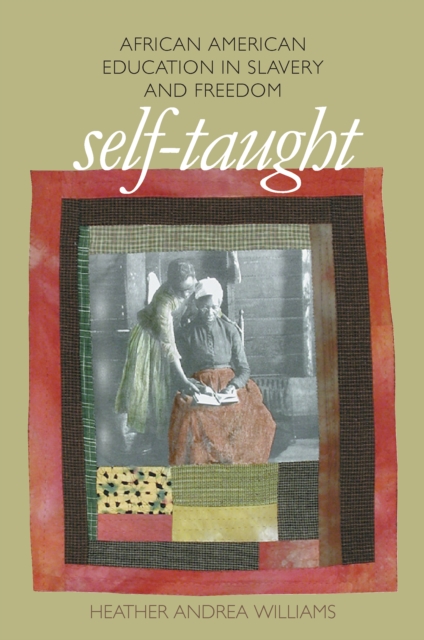
In this previously untold story of African American self-education, Heather Andrea Williams moves across time to examine African Americans' relationship to literacy during slavery, during the Civil War, and in the first decades of freedom.
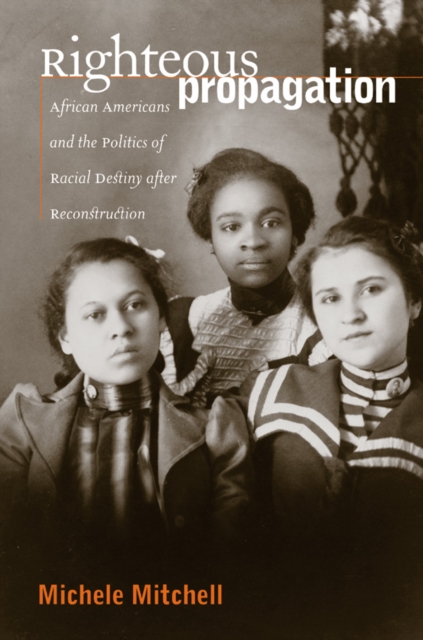
Between 1877 and 1930 years rife with tensions over citizenship, suffrage, immigration, and the Negro problem African American activists promoted an array of strategies for progress and power built around racial destiny, the idea that black Americans formed a collective whose future existence would be determined by the actions of its members.
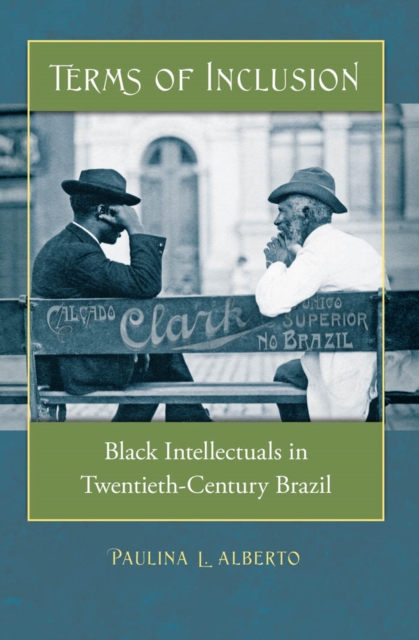
In this history of black thought and racial activism in twentieth-century Brazil, Paulina Alberto demonstrates that black intellectuals, and not just elite white Brazilians, shaped discourses about race relations and the cultural and political terms of inclusion in their modern nation.
In the early 1890s, black performer Bob Cole turned blackface minstrelsy on its head with his nationally recognized whiteface creation, a character he called Willie Wayside.
According to nineteenth-century racial uplift ideology, African American women served their race best as reformers and activists, or as doers of the word.
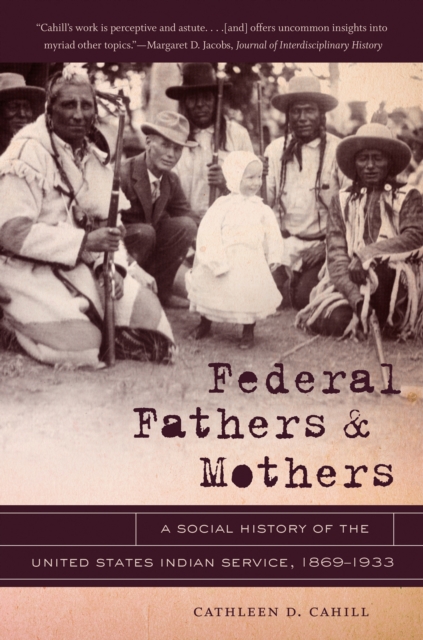
Established in 1824, the United States Indian Service (USIS), now known as the Bureau of Indian Affairs, was the agency responsible for carrying out U.
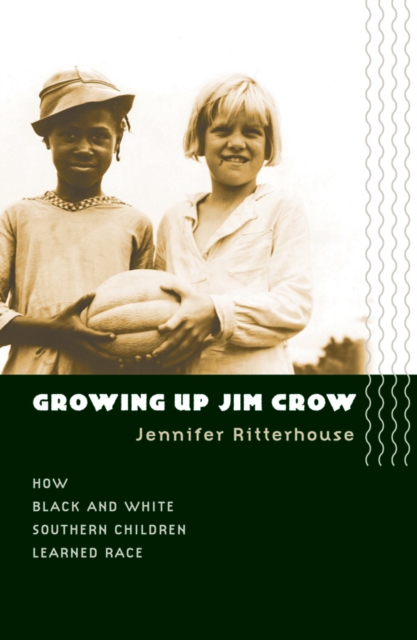
In the segregated South of the early twentieth century, unwritten rules guided every aspect of individual behavior, from how blacks and whites stood, sat, ate, drank, walked, and talked to whether they made eye contact with one another.
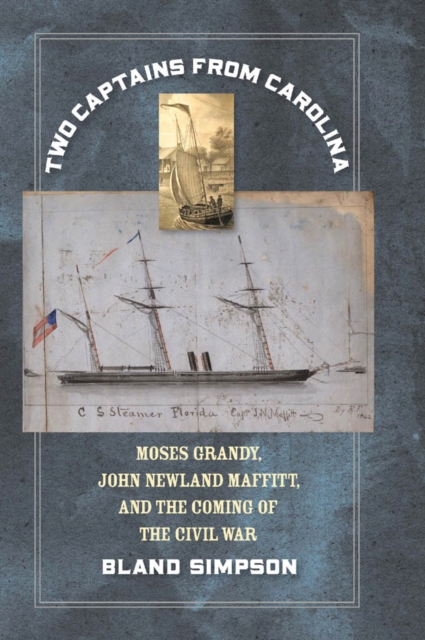
In Two Captains from Carolina, Bland Simpson twines together the lives of two accomplished nineteenth-century mariners from North Carolina one African American, one Irish American.
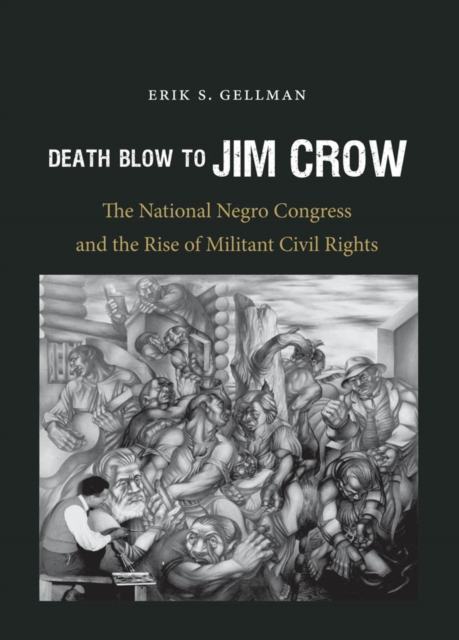
During the Great Depression, black intellectuals, labor organizers, and artists formed the National Negro Congress (NNC) to demand a second emancipation in America.
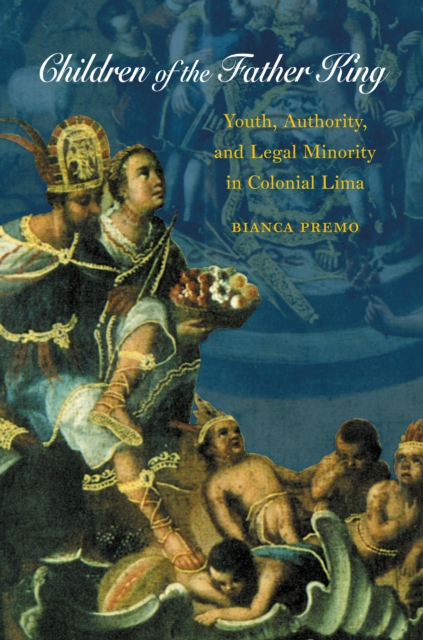
In a pioneering study of childhood in colonial Spanish America, Bianca Premo examines the lives of youths in the homes, schools, and institutions of the capital city of Lima, Peru.
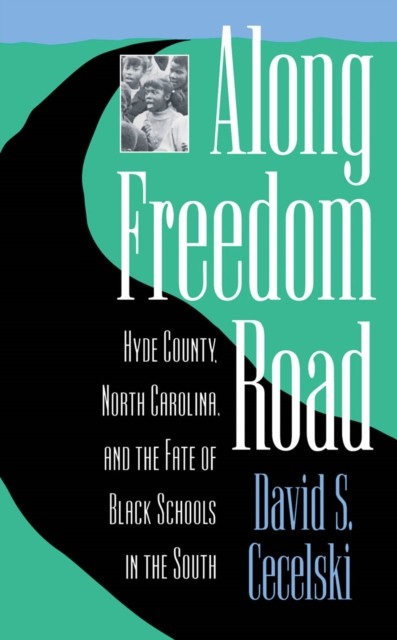
David Cecelski chronicles one of the most sustained and successful protests of the civil rights movement the 196869 school boycott in Hyde County, North Carolina.
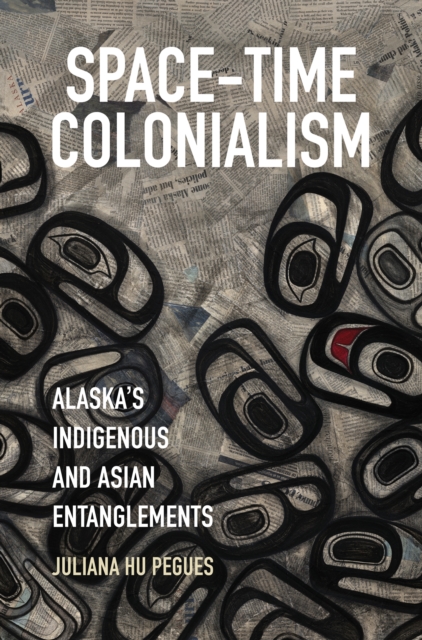
As the enduring last frontier, Alaska proves an indispensable context for examining the form and function of American colonialism, particularly in the shift from western continental expansion to global empire.
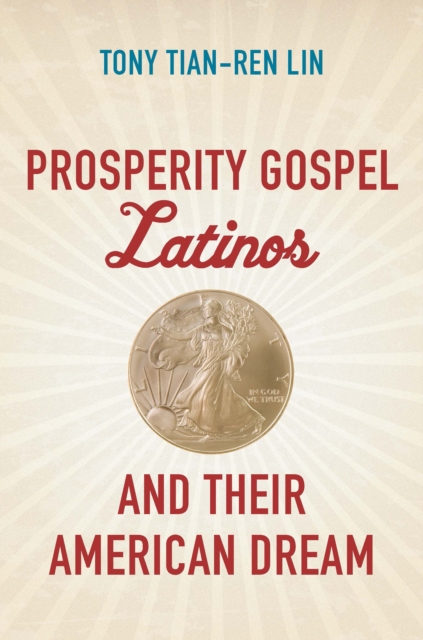
In this immersive ethnography, Tony Tian-Ren Lin explores the reasons that Latin American immigrants across the United States are increasingly drawn to Prosperity Gospel Pentecostalism, a strand of Protestantism gaining popularity around the world.
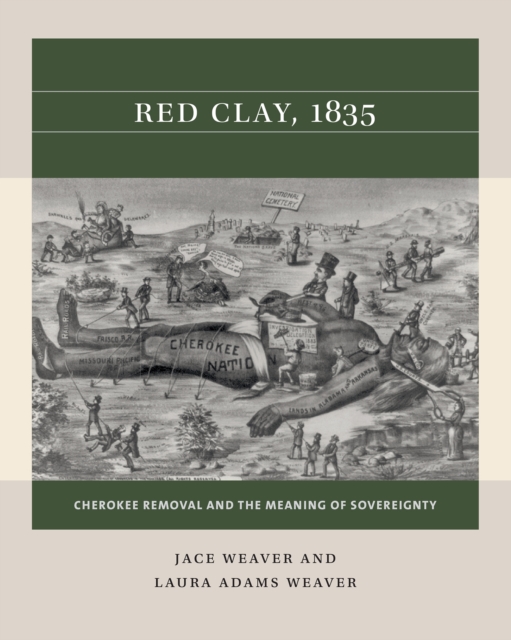
Red Clay, 1835 envelops students in the treaty negotiations between the Cherokee National Council and representatives of the United States at Red Clay, Tennessee.
In the antebellum United States, formerly enslaved men and women who told their stories and advocated for abolition helped establish a new genre with widely recognized tropes: the slave narrative.
In this sweeping chronicle of guarana glossy-leaved Amazonian vine packed with more caffeine than any other plantSeth Garfield develops a wide-ranging approach to the history of Brazil itself.
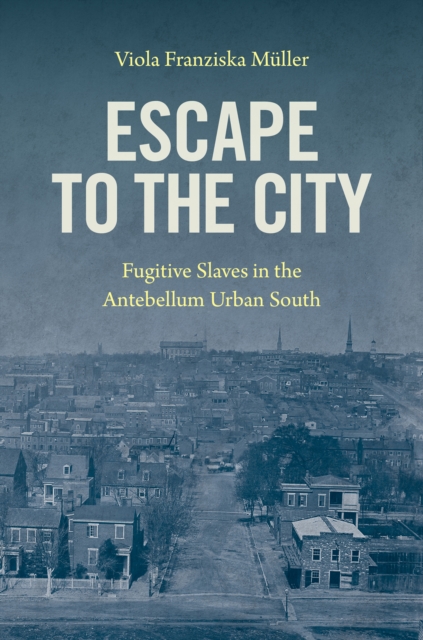
Viola Franziska Mller examines runaways who camouflaged themselves among the free Black populations in Baltimore, Charleston, New Orleans, and Richmond.
The story of activist youth in America is usually framed around the Vietnam War, the counterculture, and college campuses, focusing primarily on college students in the 1960s and 1970s.
Before 1850, all legal executions in the South were performed before crowds that could number in the thousands; the last legal public execution was in 1936.
This book offers the definitive history of how formerly enslaved men and women pursued federal benefits from the Civil War to the New Deal and, in the process, transformed themselves from a stateless people into documented citizens.
This book invites readers into a growing, dynamic conversation among scholars and critics around a vibrant community of artists from an African American South.
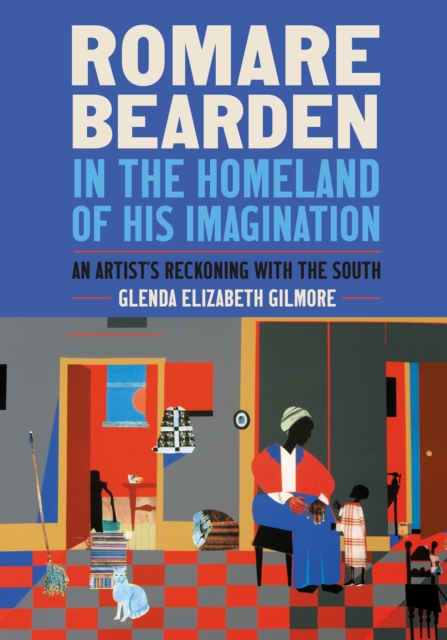
Romare Bearden (19111988), one of the most prolific, original, and acclaimed American artists of the twentieth century,richly depictedscenes and figures rooted in the American South and the Black experience.
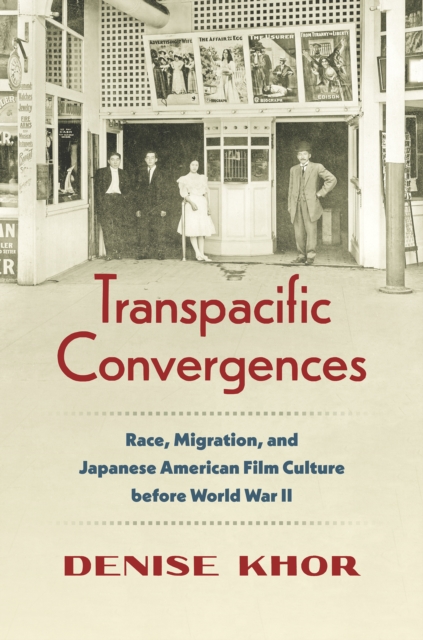
Despite the rise of the Hollywood system and hostility to Asian migrant communities in the early twentieth-century United States, Japanese Americans created a thriving cinema culture that produced films and established theaters and exhibition companies to facilitate their circulation between Japan and the United States.
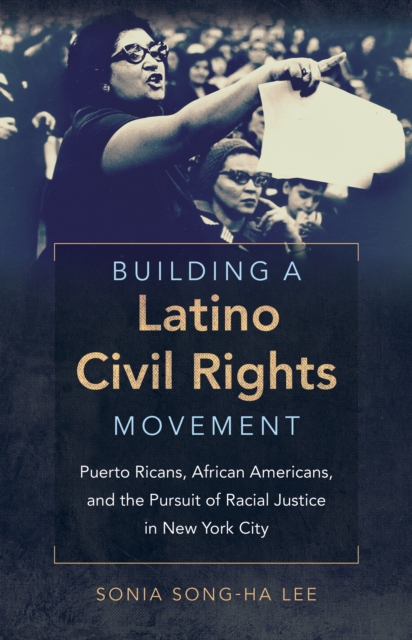
In the first book-length history of Puerto Rican civil rights in New York City, Sonia Lee traces the rise and fall of an uneasy coalition between Puerto Rican and African American activists from the 1950s through the 1970s.
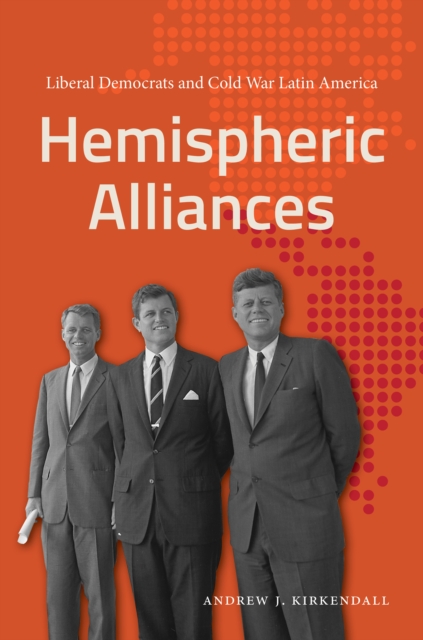
Hemispheric foreign policy has waxed and waned since the Mexican War, and the Cold War presented both extraordinary promises and dangerous threats to U.
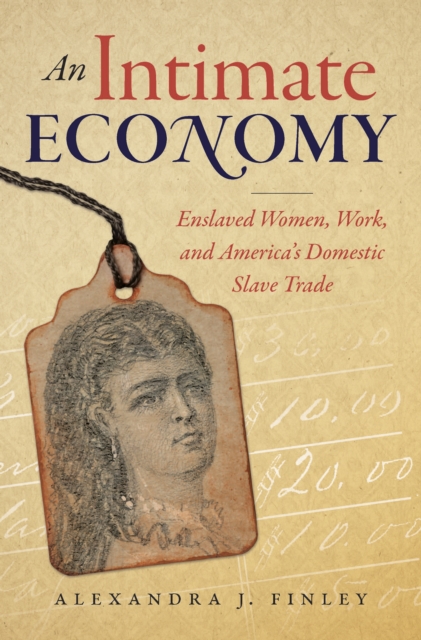
Alexandra Finley adds crucial new dimensions to the boisterous debate over the relationship between slavery and capitalism by placing womens labor at the center of the antebellum slave trade, focusing particularly on slave traders' ability to profit from enslaved womens domestic, reproductive, and sexual labor.
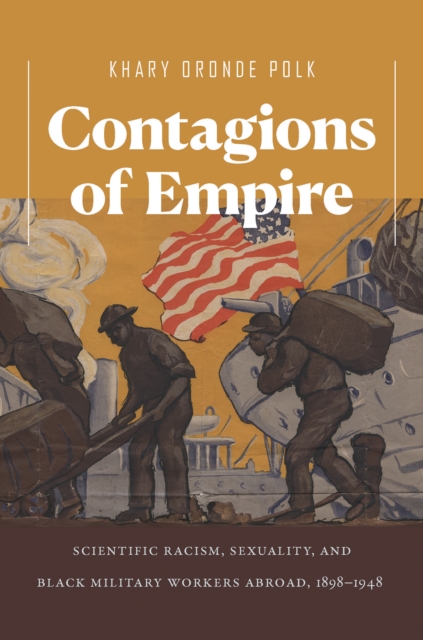
From 1898 onward, the expansion of American militarism and empire abroad increasingly relied on black labor, even as policy remained inflected both by scientific racism and by fears of contagion.