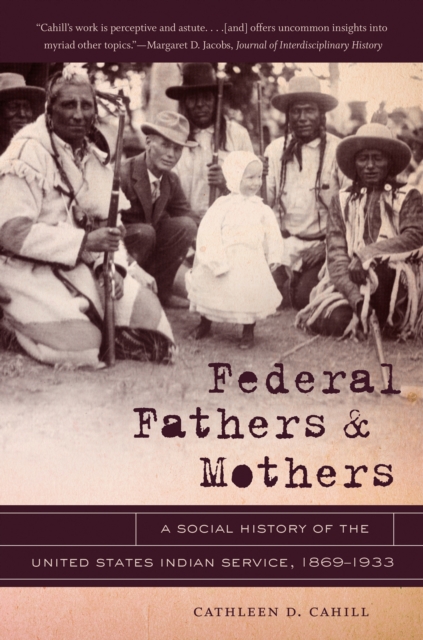
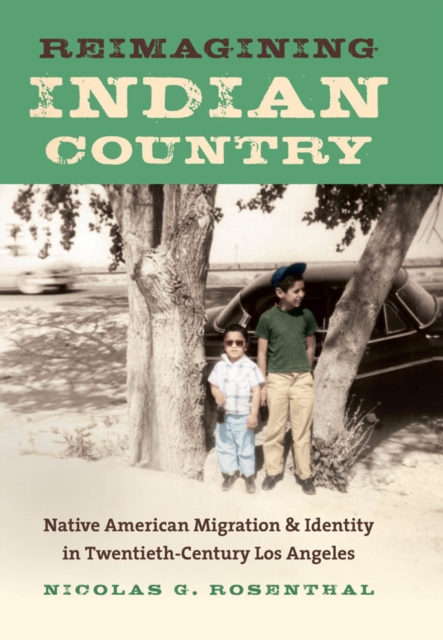
Established in 1824, the United States Indian Service (USIS), now known as the Bureau of Indian Affairs, was the agency responsible for carrying out U.
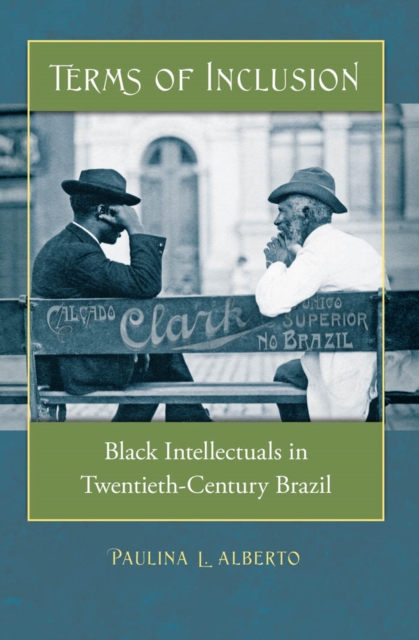
In this history of black thought and racial activism in twentieth-century Brazil, Paulina Alberto demonstrates that black intellectuals, and not just elite white Brazilians, shaped discourses about race relations and the cultural and political terms of inclusion in their modern nation.
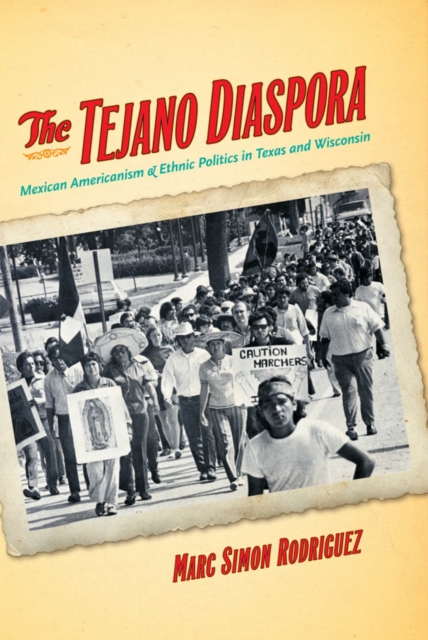
Each spring during the 1960s and 1970s, a quarter million farm workers left Texas to travel across the nation, from the Midwest to California, to harvest Americas agricultural products.
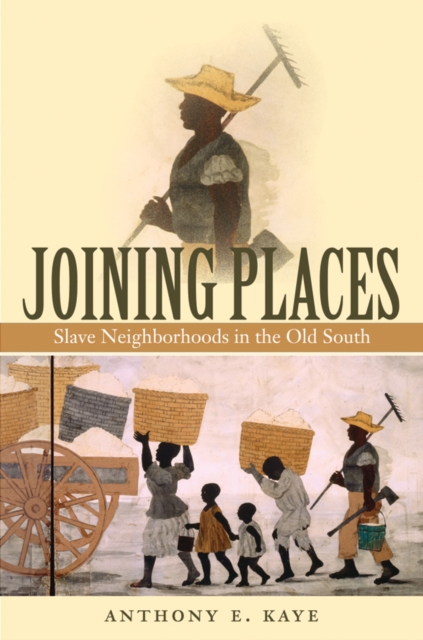
In this new interpretation of antebellum slavery, Anthony Kaye offers a vivid portrait of slaves transforming adjoining plantations into slave neighborhoods.
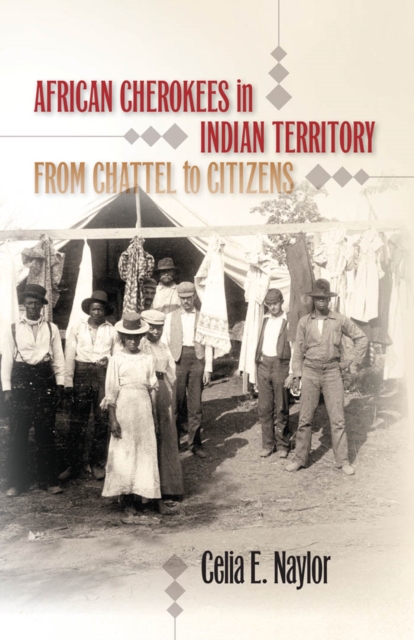
Forcibly removed from their homes in the late 1830s, Cherokee, Creek, Choctaw, and Chickasaw Indians brought their African-descended slaves with them along the Trail of Tears and resettled in Indian Territory, present-day Oklahoma.
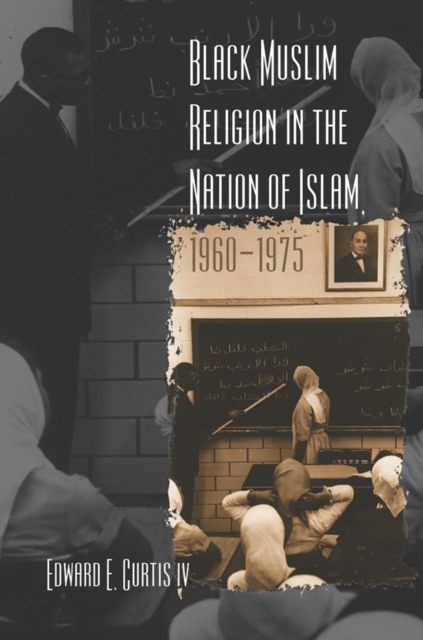
Elijah Muhammads Nation of Islam came to Americas attention in the 1960s and 1970s as a radical separatist African American social and political group.
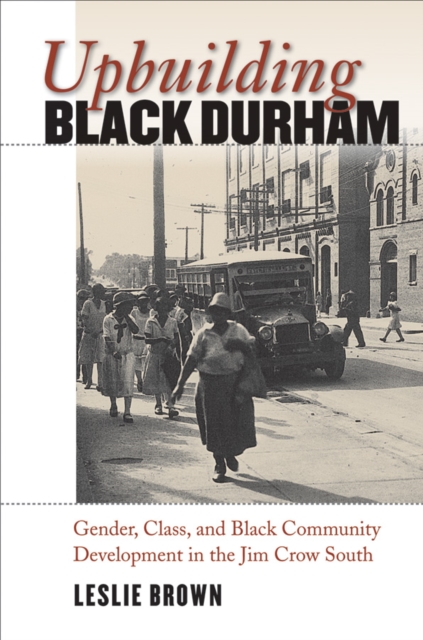
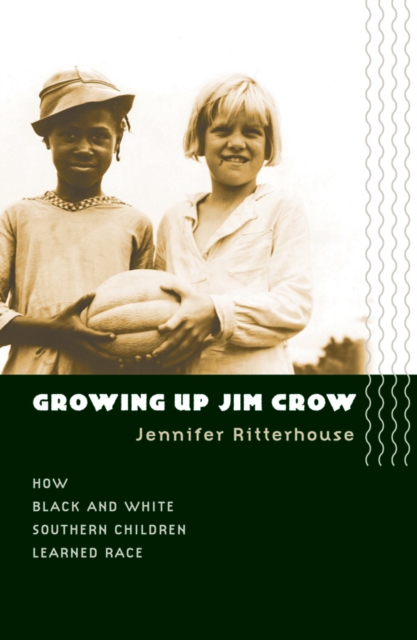
In the segregated South of the early twentieth century, unwritten rules guided every aspect of individual behavior, from how blacks and whites stood, sat, ate, drank, walked, and talked to whether they made eye contact with one another.
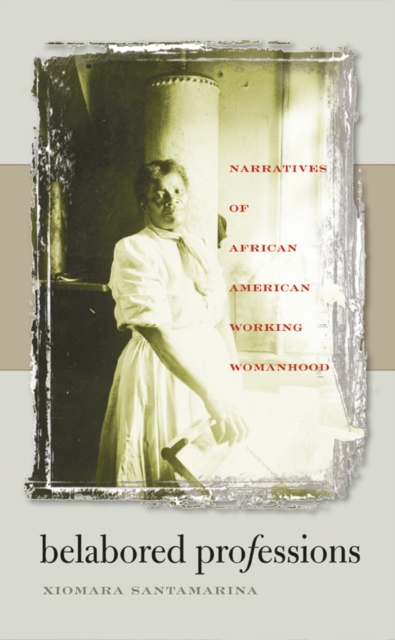
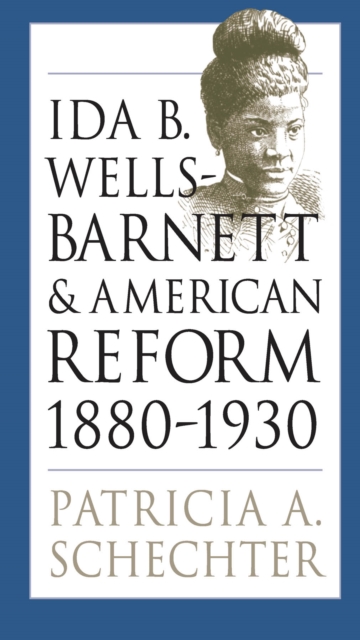
According to nineteenth-century racial uplift ideology, African American women served their race best as reformers and activists, or as doers of the word.
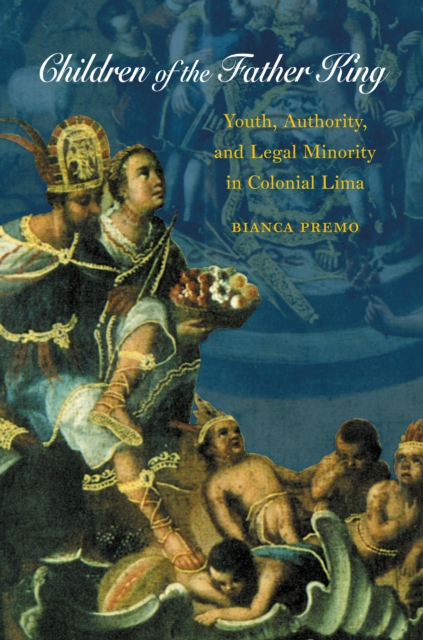
In a pioneering study of childhood in colonial Spanish America, Bianca Premo examines the lives of youths in the homes, schools, and institutions of the capital city of Lima, Peru.
The arson attacks in early 2006 on a number of small Baptist churches in rural Alabama recalled the rash of burnings at dozens of predominantly black houses of worship in the South during the mid-1990s.
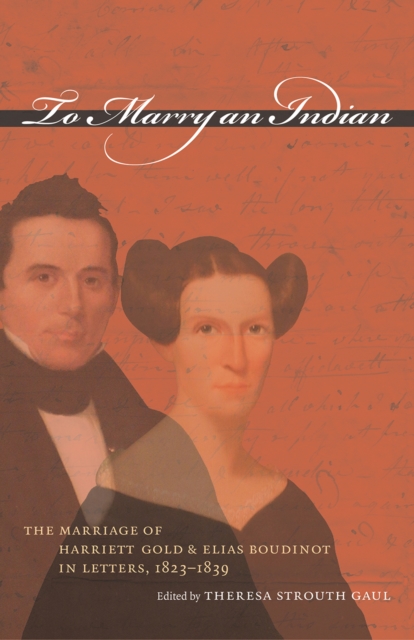
When nineteen-year-old Harriett Gold, from a prominent white family in Cornwall, Connecticut, announced in 1825 her intention to marry a Cherokee man, her shocked family initiated a spirited correspondence debating her decision to marry an Indian.
Giving close consideration to previously neglected debates, Matthew Mason challenges the common contention that slavery held little political significance in America until the Missouri Crisis of 1819.
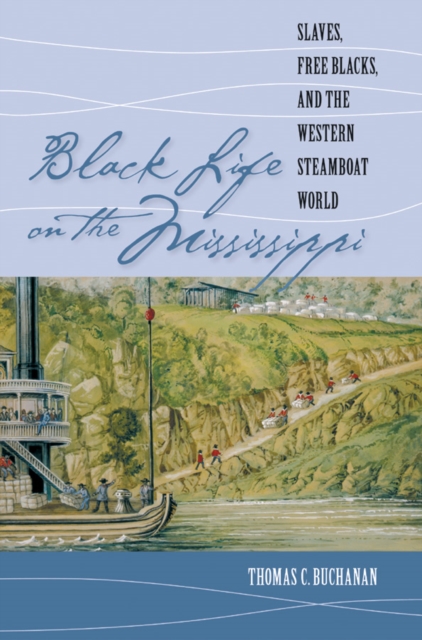
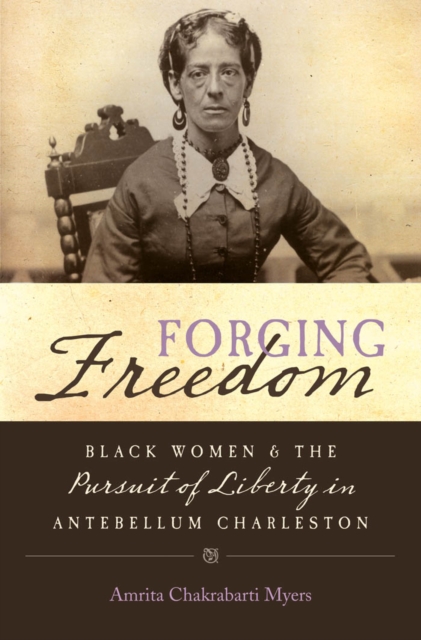
All along the Mississippi on country plantation landings, urban levees and quays, and the decks of steamboats nineteenth-century African Americans worked and fought for their liberty amid the slave trade and the growth of the cotton South.
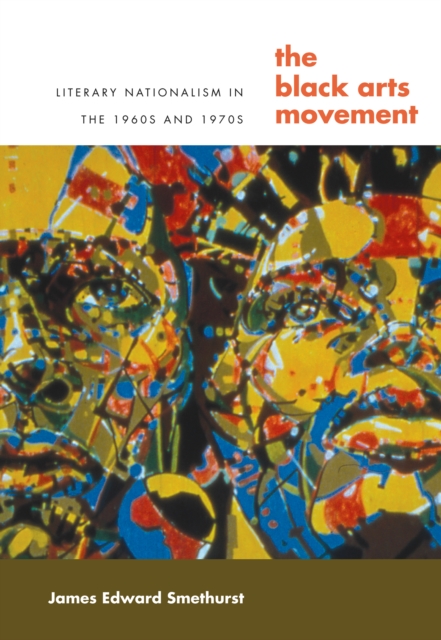
Emerging from a matrix of Old Left, black nationalist, and bohemian ideologies and institutions, African American artists and intellectuals in the 1960s coalesced to form the Black Arts Movement, the cultural wing of the Black Power Movement.
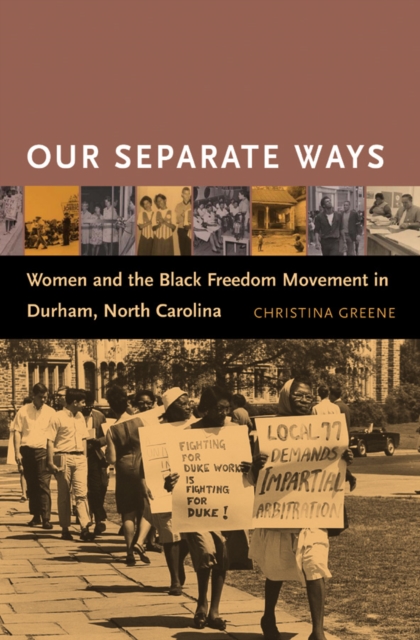
In an in-depth community study of women in the civil rights movement, Christina Greene examines how several generations of black and white women, low-income as well as more affluent, shaped the struggle for black freedom in Durham, North Carolina.
Studienarbeit aus dem Jahr 2021 im Fachbereich Kulturwissenschaften - Allgemeines und Begriffe, Note: 1,0, Leuphana Universität Lüneburg, Sprache: Deutsch, Abstract: Ausgehend von Theorien der britischen Cultural Studies, Pierre Bourdieus und der 'Kulturindustrie'-These wird in dieser Hausarbeit anhand von zwei Beispielen, der Hippie- und der Punkkultur, die Frage diskutiert, ob Sub- und Jugendkulturen als Triebkräfte gesellschaftlichen Wandels verstanden werden können.
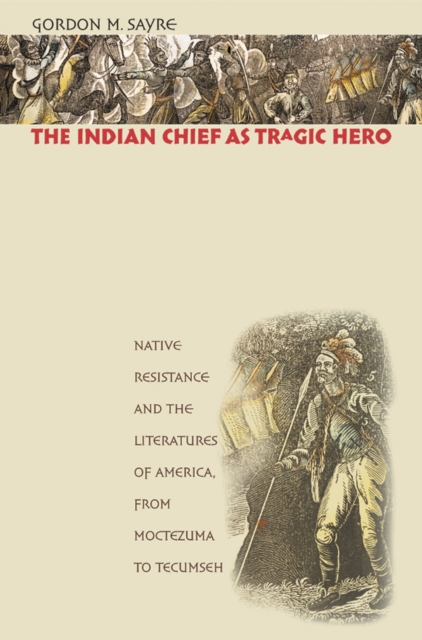
In the early years of the republic, the United States government negotiated with Indian nations because it could not afford protracted wars politically, militarily, or economically.
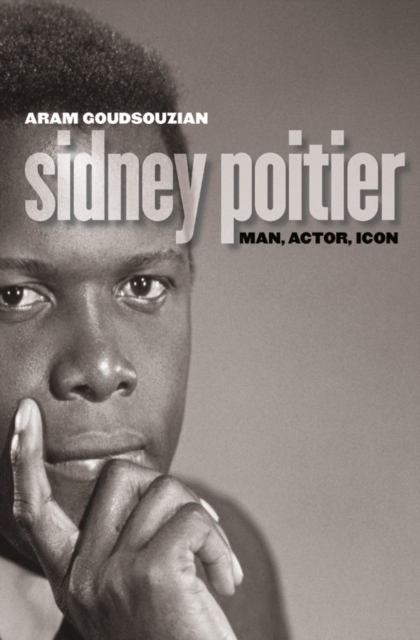
In the first full biography of actor Sidney Poitier, Aram Goudsouzian analyzes the life and career of a Hollywood legend, from his childhood in the Bahamas to his 2002 Oscar for lifetime achievement.
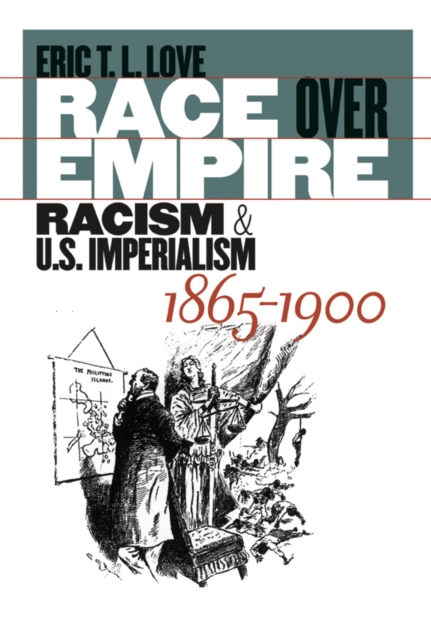
Generations of historians have maintained that in the last decade of the nineteenth century white-supremacist racial ideologies such as Anglo-Saxonism, social Darwinism, benevolent assimilation, and the concept of the white mans burden drove American imperialist ventures in the nonwhite world.
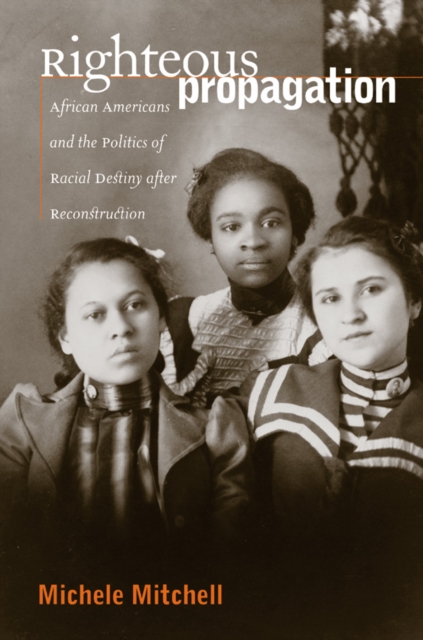
Between 1877 and 1930 years rife with tensions over citizenship, suffrage, immigration, and the Negro problem African American activists promoted an array of strategies for progress and power built around racial destiny, the idea that black Americans formed a collective whose future existence would be determined by the actions of its members.
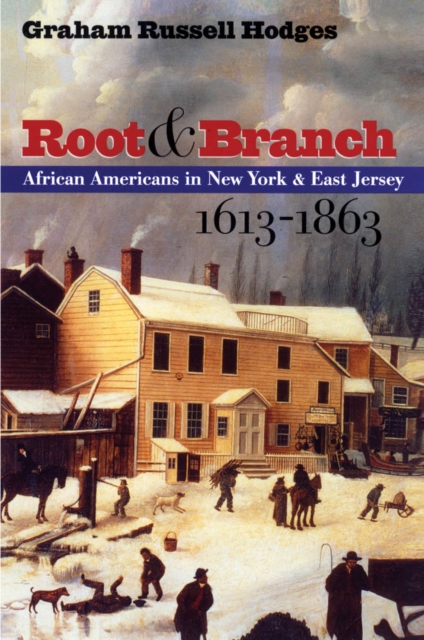
In this remarkable book, Graham Hodges presents a comprehensive history of African Americans in New York City and its rural environs from the arrival of the first African a sailor marooned on Manhattan Island in 1613 to the bloody Draft Riots of 1863.
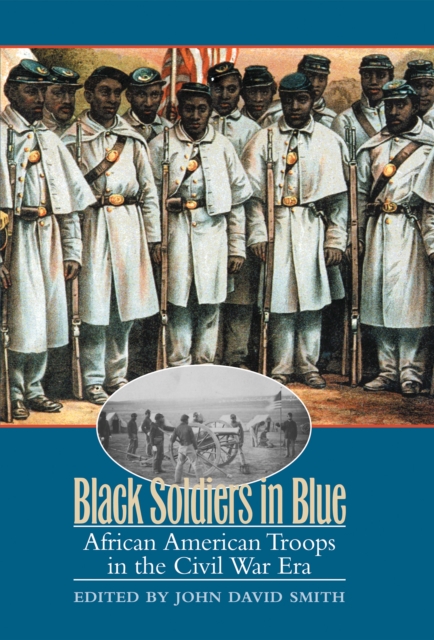
Inspired and informed by the latest research in African American, military, and social history, the fourteen original essays in this book tell the stories of the African American soldiers who fought for the Union cause.
For more than fifty years, Hoover has been viewed as a lily-white racist who attempted to revitalize Republicanism in the South by driving blacks from positions of leadership at all party levels.
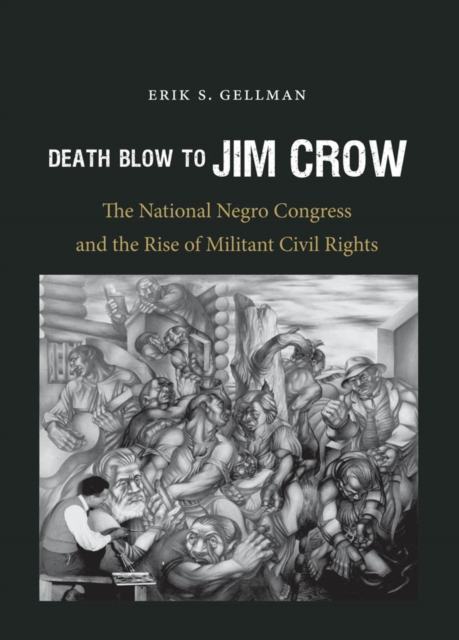
During the Great Depression, black intellectuals, labor organizers, and artists formed the National Negro Congress (NNC) to demand a second emancipation in America.
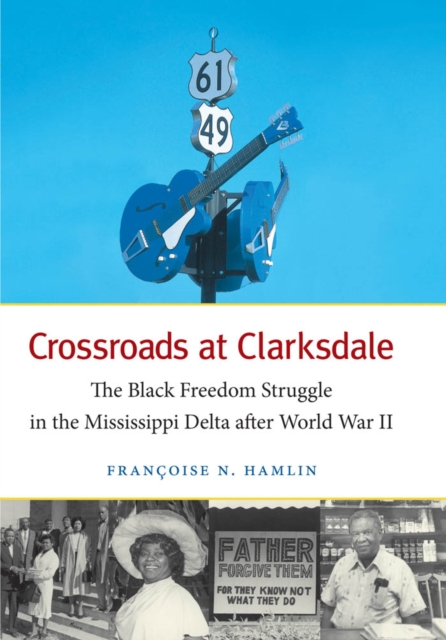
Weaving national narratives from stories of the daily lives and familiar places of local residents, Franoise Hamlin chronicles the slow struggle for black freedom through the history of Clarksdale, Mississippi.
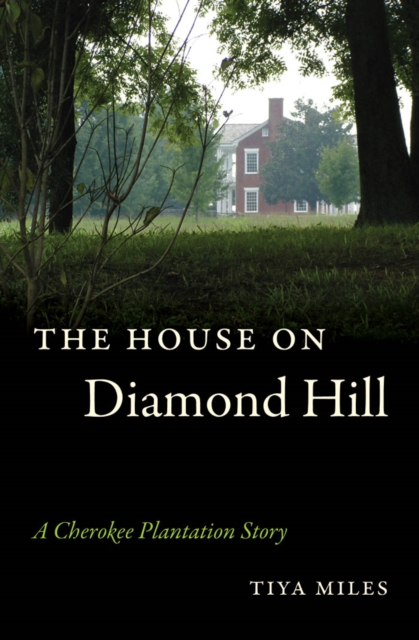
At the turn of the nineteenth century, James Vann, a Cherokee chief and entrepreneur, established Diamond Hill in Georgia, the most famous plantation in the southeastern Cherokee Nation.
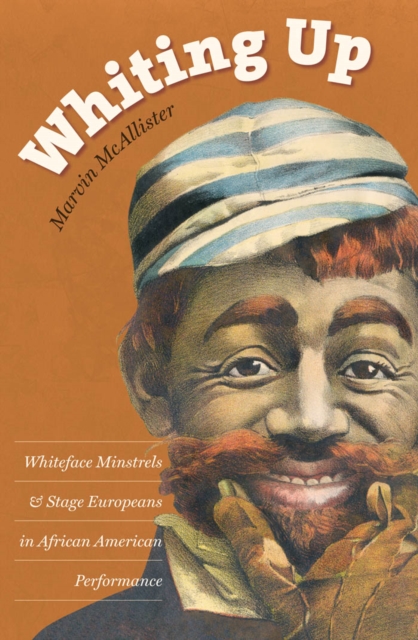
In the early 1890s, black performer Bob Cole turned blackface minstrelsy on its head with his nationally recognized whiteface creation, a character he called Willie Wayside.