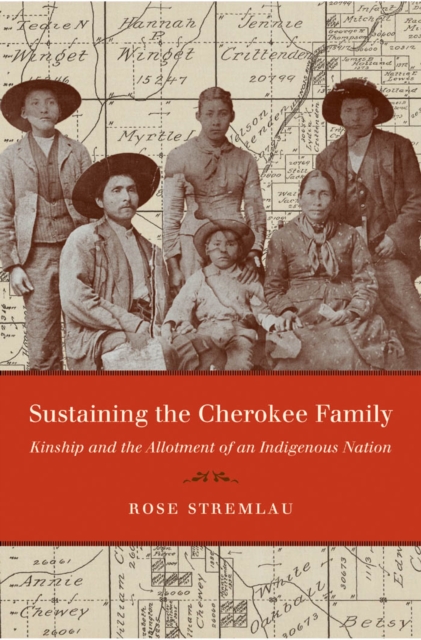
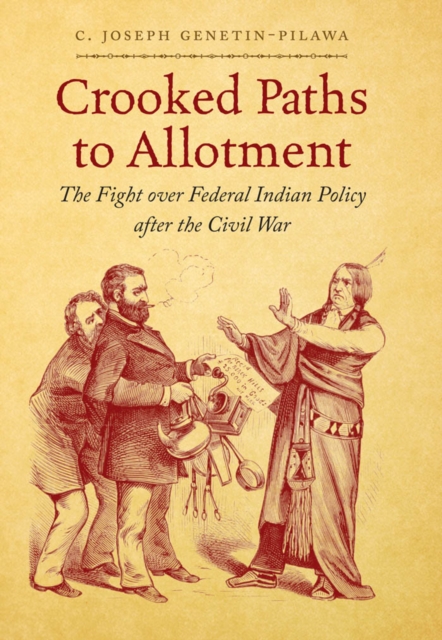
During the late nineteenth and early twentieth centuries, the federal government sought to forcibly assimilate Native Americans into American society through systematized land allotment.
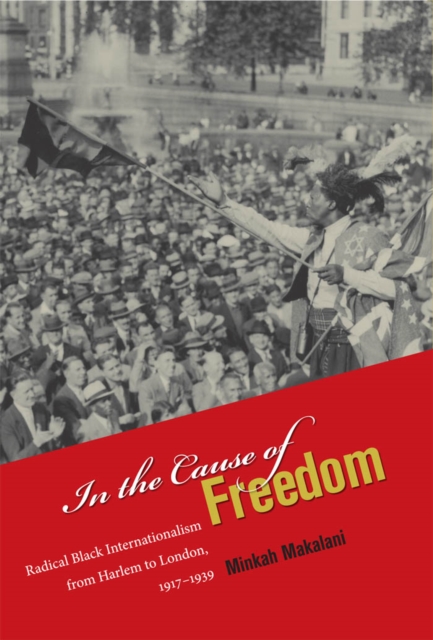
In this intellectual history, Minkah Makalani reveals how early-twentieth-century black radicals organized an international movement centered on ending racial oppression, colonialism, class exploitation, and global white supremacy.
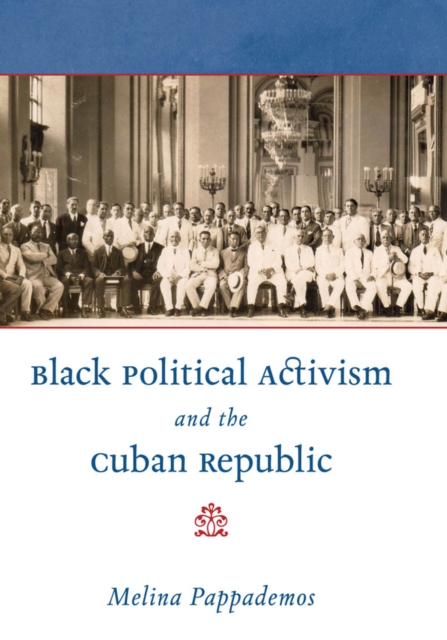
While it was not until 1871 that slavery in Cuba was finally abolished, African-descended people had high hopes for legal, social, and economic advancement as the republican period started.
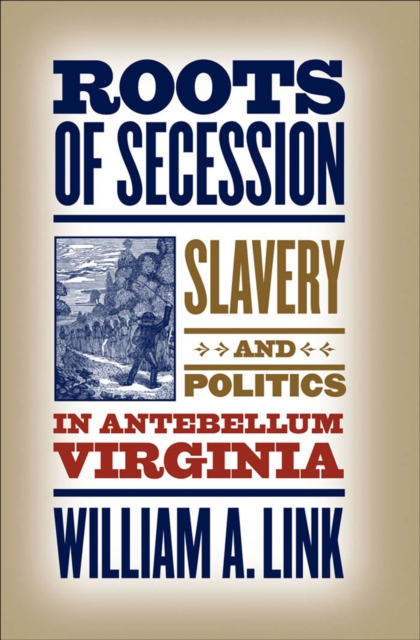
Offering a provocative new look at the politics of secession in antebellum Virginia, William Link places African Americans at the center of events and argues that their acts of defiance and rebellion had powerful political repercussions throughout the turbulent period leading up to the Civil War.
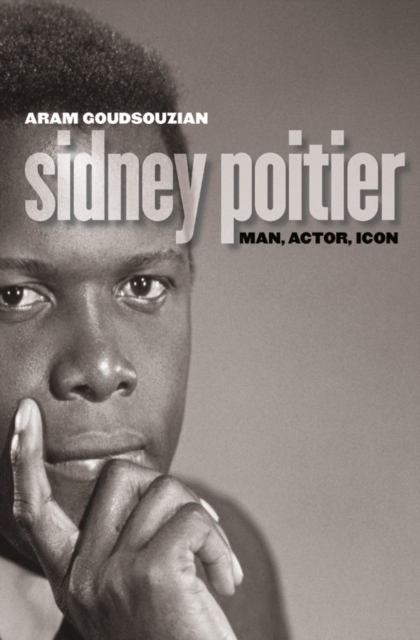
In the first full biography of actor Sidney Poitier, Aram Goudsouzian analyzes the life and career of a Hollywood legend, from his childhood in the Bahamas to his 2002 Oscar for lifetime achievement.
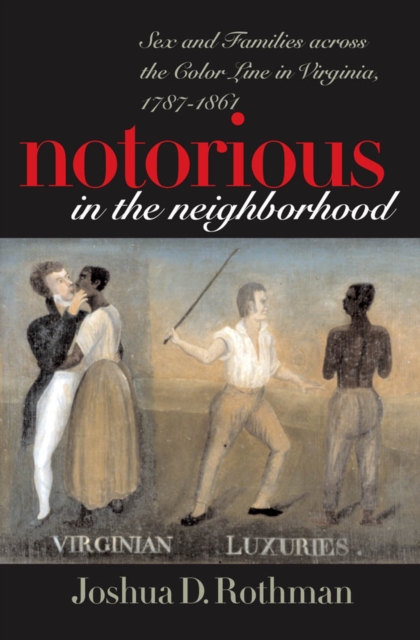
Laws and cultural norms militated against interracial sex in Virginia before the Civil War, and yet it was ubiquitous in cities, towns, and plantation communities throughout the state.
Michael Kay and Lorin Cary illuminate new aspects of slavery in colonial America by focusing on North Carolina, which has largely been ignored by scholars in favor of the more mature slave systems in the Chesapeake and South Carolina.
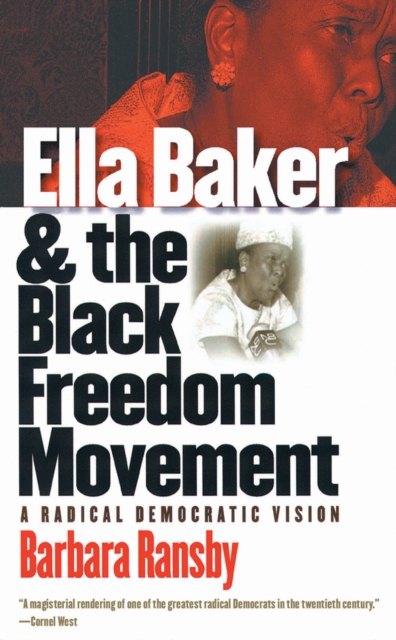
One of the most important African American leaders of the twentieth century and perhaps the most influential woman in the civil rights movement, Ella Baker (1903-1986) was an activist whose remarkable career spanned fifty years and touched thousands of lives.
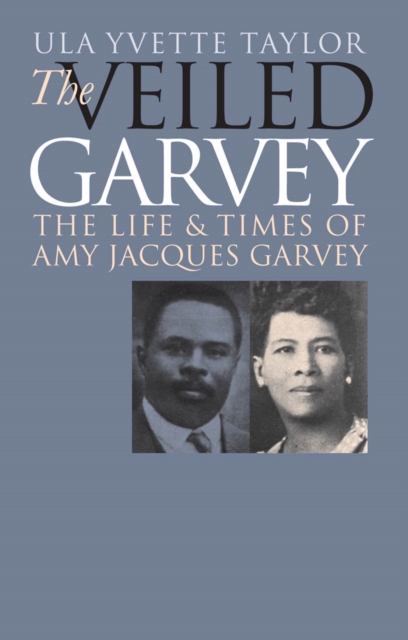
In this biography, Ula Taylor explores the life and ideas of one of the most important, if largely unsung, Pan-African freedom fighters of the twentieth century: Amy Jacques Garvey (18951973).
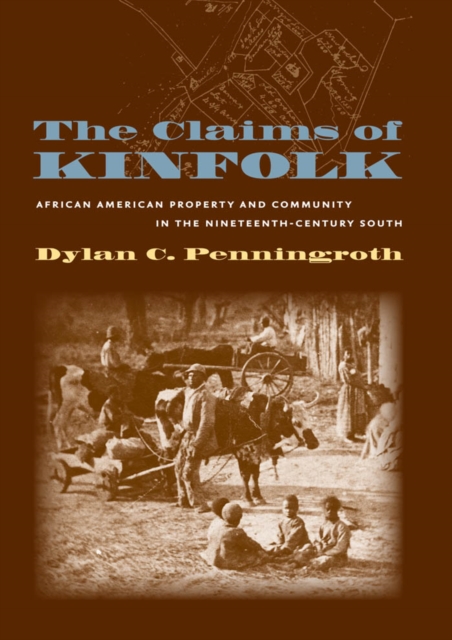
In The Claims of Kinfolk, Dylan Penningroth uncovers an extensive informal economy of property ownership among slaves and sheds new light on African American family and community life from the heyday of plantation slavery to the freedom generation of the 1870s.
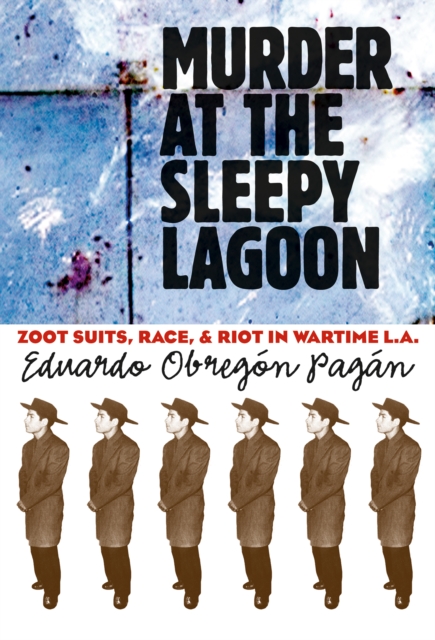
The notorious 1942 Sleepy Lagoon murder trial in Los Angeles concluded with the conviction of seventeen young Mexican American men for the alleged gang slaying of fellow youth Jose Diaz.
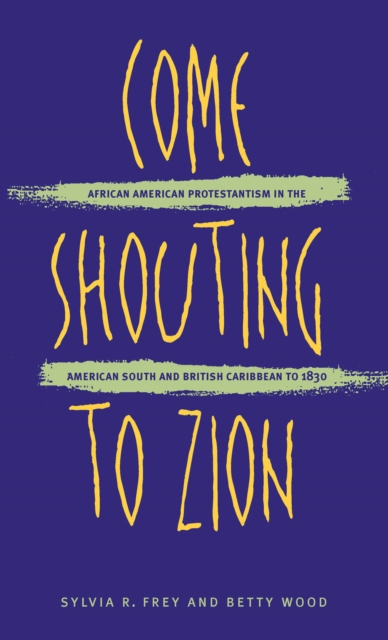
The conversion of African-born slaves and their descendants to Protestant Christianity marked one of the most important social and intellectual transformations in American history.
Reconstructing the human and natural environment of the Creek Indians in frontier Georgia, Mississippi, Alabama, and Tennessee, Robbie Ethridge illuminates a time of wrenching transition.
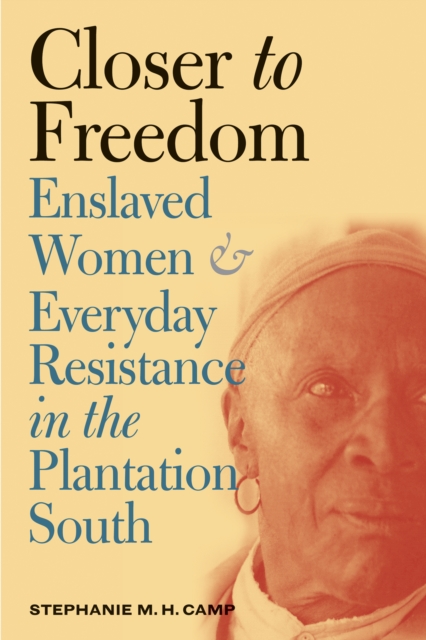
Although historians over the past two decades have written extensively on the plantation mistress and the slave woman, they have largely neglected the world of the working woman.
Throughout the colonial and antebellum periods, Virginias tobacco producers exploited slave labor to ensure the profitability of their agricultural enterprises.
In the generations after emancipation, hundreds of thousands of African-descended working-class men and women left their homes in the British Caribbean to seek opportunity abroad: in the goldfields of Venezuela and the cane fields of Cuba, the canal construction in Panama, and the bustling city streets of Brooklyn.
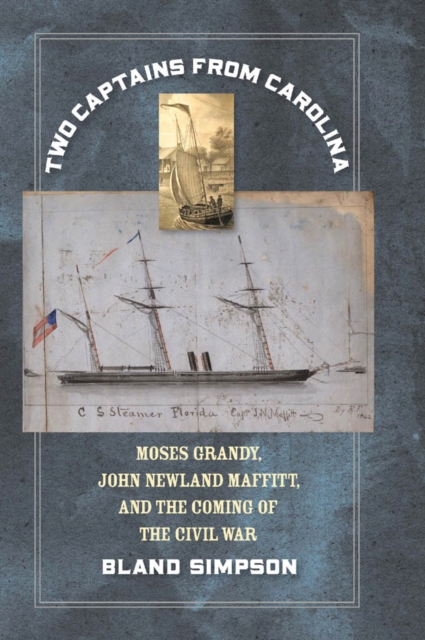
In Two Captains from Carolina, Bland Simpson twines together the lives of two accomplished nineteenth-century mariners from North Carolina one African American, one Irish American.
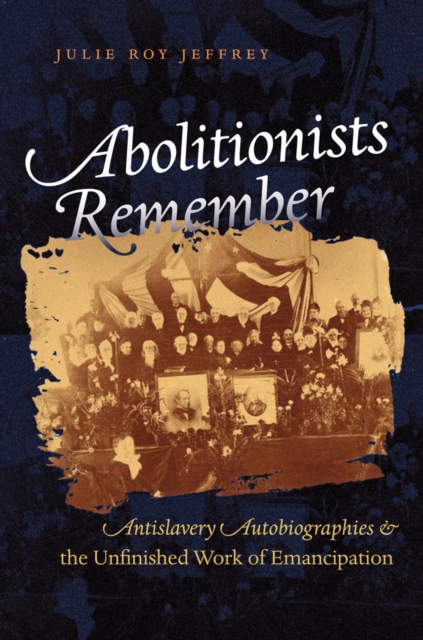
In Abolitionists Remember, Julie Roy Jeffrey illuminates a second, little-noted antislavery struggle as abolitionists in the postwar period attempted to counter the nations growing inclination to forget why the war was fought, what slavery was really like, and why the abolitionist cause was so important.
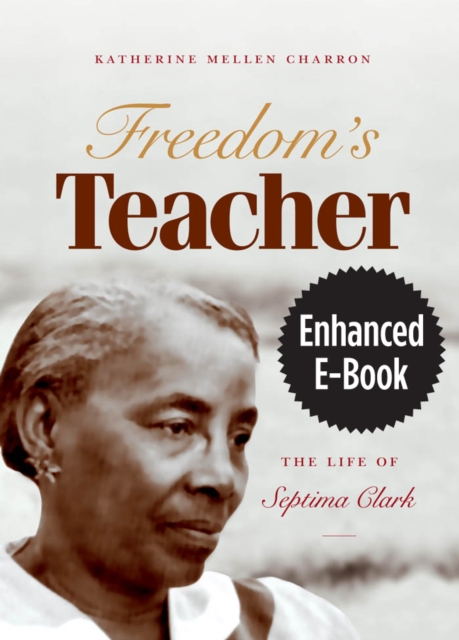
Civil rights activist Septima Poinsette Clark (1898-1987) developed a citizenship education program that enabled tens of thousands of African Americans to register to vote and to link the power of the ballot to concrete strategies for individual and communal empowerment.
From 2004 to 2006 the Osage Nation conducted a contentious governmental reform process in which sharply differing visions arose over the new governments goals, the Nations own history, and what it means to be Osage.
Standard narratives of Native American history view the nineteenth century in terms of steadily declining Indigenous sovereignty, from removal of southeastern tribes to the 1887 General Allotment Act.
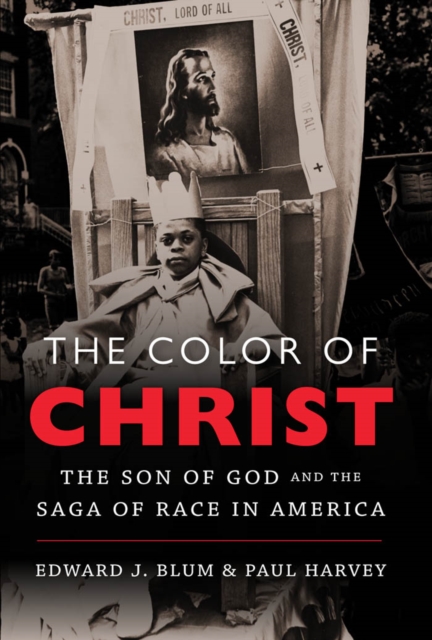
How is it that in America the image of Jesus Christ has been used both to justify the atrocities of white supremacy and to inspire the righteousness of civil rights crusades?
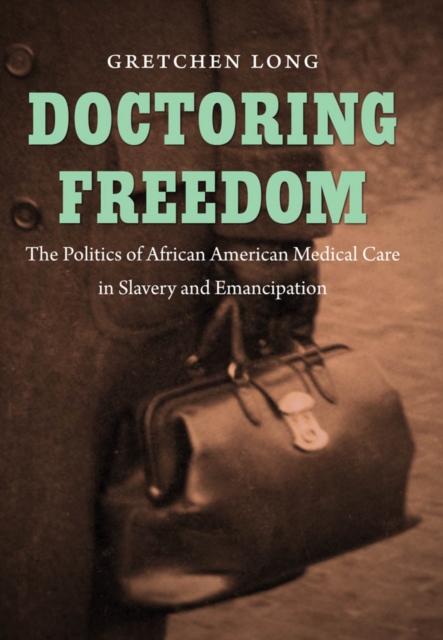
For enslaved and newly freed African Americans, attaining freedom and citizenship without health for themselves and their families would have been an empty victory.
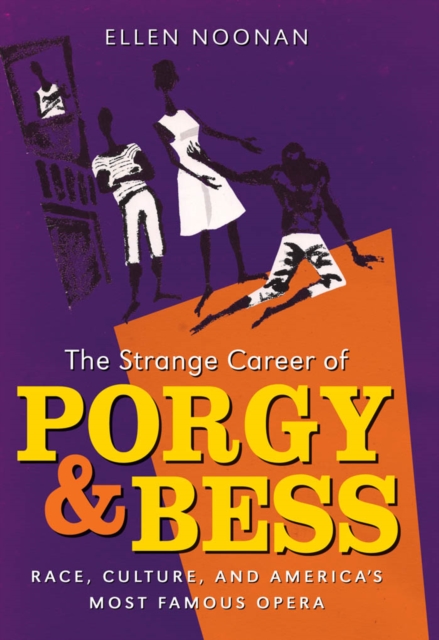
Created by George Gershwin and DuBose Heyward and sung by generations of black performers, Porgy and Bess has been both embraced and reviled since its debut in 1935.
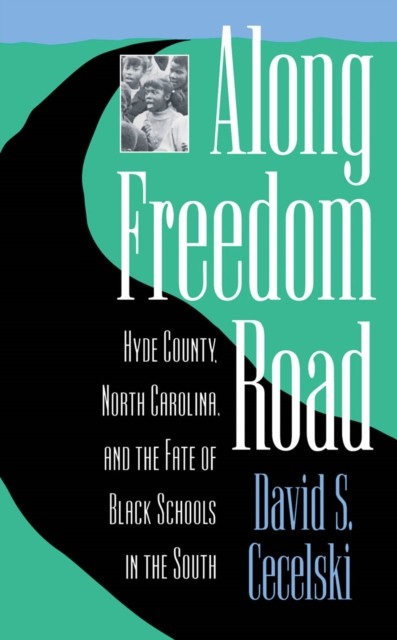
David Cecelski chronicles one of the most sustained and successful protests of the civil rights movement the 196869 school boycott in Hyde County, North Carolina.
In this intellectual history, Minkah Makalani reveals how early-twentieth-century black radicals organized an international movement centered on ending racial oppression, colonialism, class exploitation, and global white supremacy.
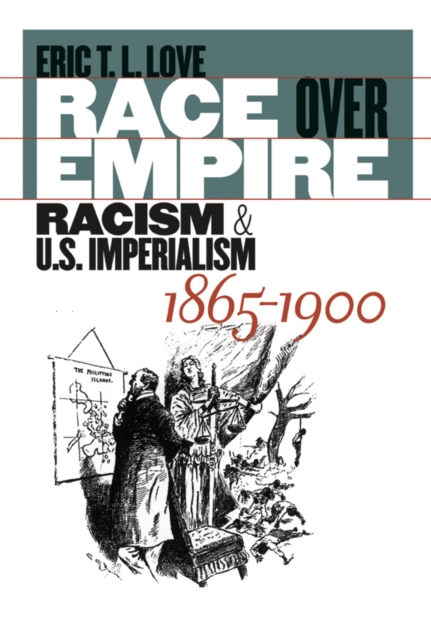
Generations of historians have maintained that in the last decade of the nineteenth century white-supremacist racial ideologies such as Anglo-Saxonism, social Darwinism, benevolent assimilation, and the concept of the white mans burden drove American imperialist ventures in the nonwhite world.
One of the most important African American leaders of the twentieth century and perhaps the most influential woman in the civil rights movement, Ella Baker (1903-1986) was an activist whose remarkable career spanned fifty years and touched thousands of lives.
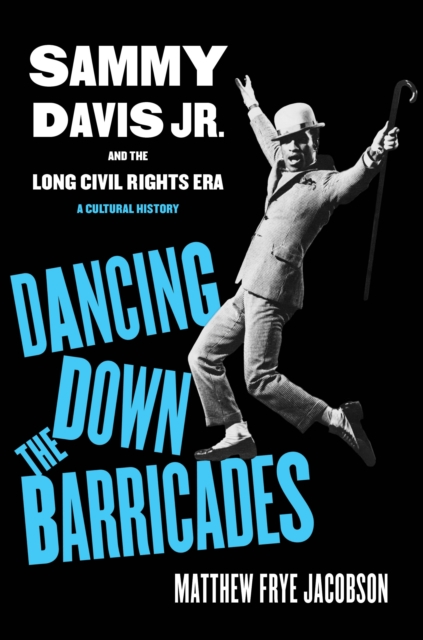
A deep dive into racial politics, Hollywood, and Black cultural struggles for liberation as reflected in the extraordinary life and times of Sammy Davis Jr.
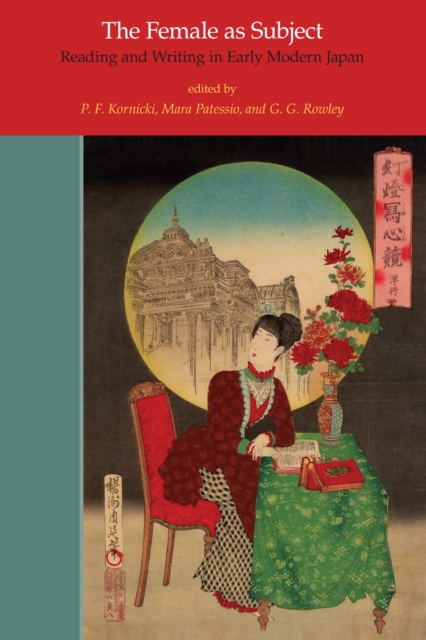
The Female as Subject presents 11 essays by an international group of scholars from Europe, Japan, and North America examining what women of different social classes read, what books were produced specifically for women, and the genres in which women themselves chose to write.
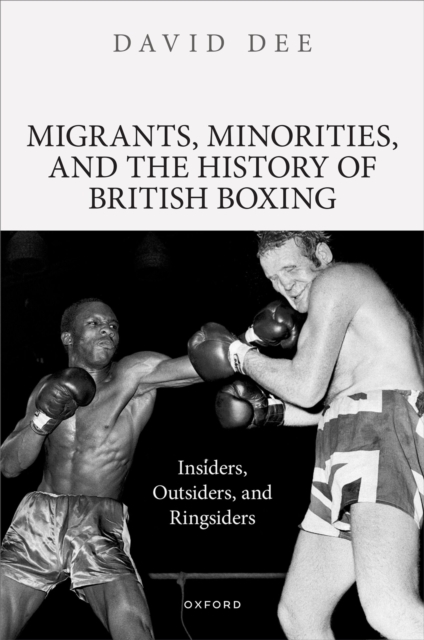
This book offers a powerful reappraisal of the history of British boxing, revealing how the sport became both a platform for visibility and a site of struggle for migrants and minority individuals and communities.
While it was not until 1871 that slavery in Cuba was finally abolished, African-descended people had high hopes for legal, social, and economic advancement as the republican period started.
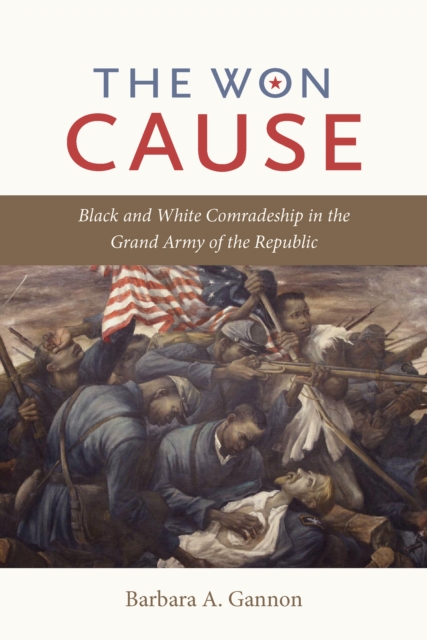
In the years after the Civil War, black and white Union soldiers who survived the horrific struggle joined the Grand Army of the Republic (GAR) the Union armys largest veterans' organization.