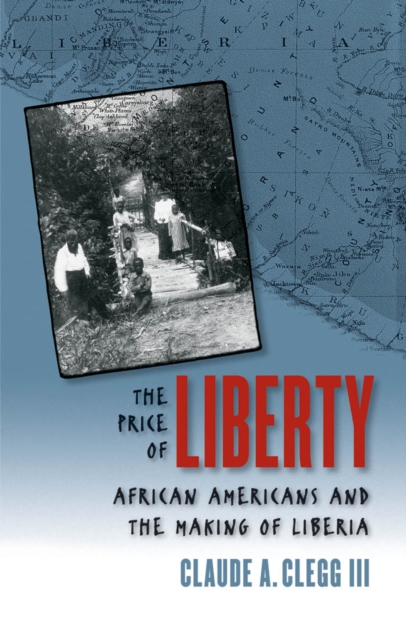
In nineteenth-century America, the belief that blacks and whites could not live in social harmony and political equality in the same country led to a movement to relocate African Americans to Liberia, a West African colony established by the United States government and the American Colonization Society in 1822.
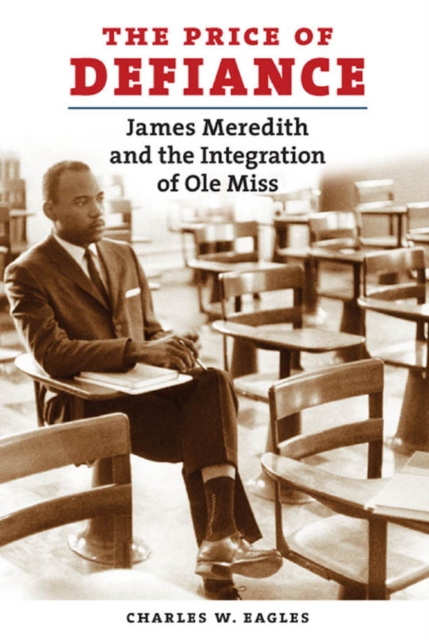
When James Meredith enrolled as the first African American student at the University of Mississippi in 1962, the resulting riots produced more casualties than any other clash of the civil rights era.
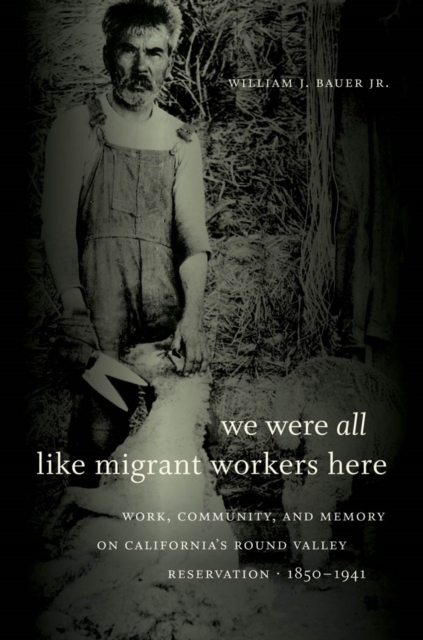
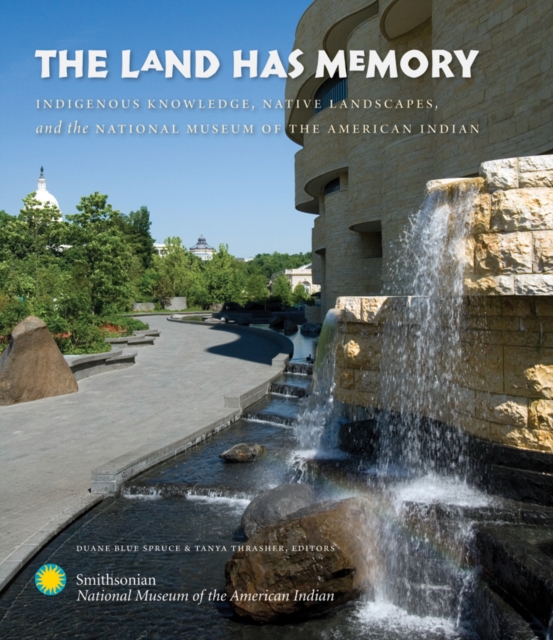
The federally recognized Round Valley Indian Tribes are a small, confederated people whose members today come from twelve indigenous California tribes.
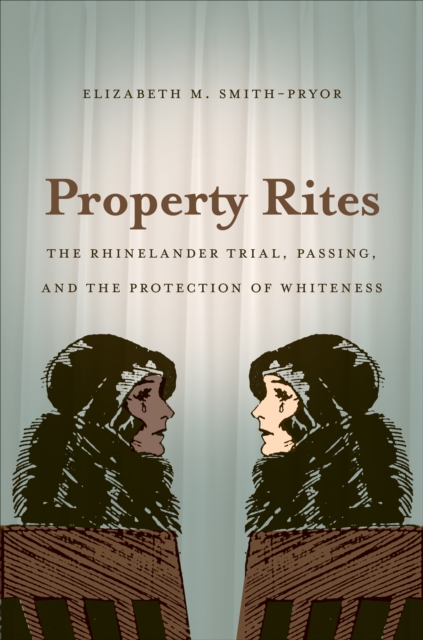
In 1925 Leonard Rhinelander, the youngest son of a wealthy New York society family, sued to end his marriage to Alice Jones, a former domestic servant and the daughter of a colored cabman.
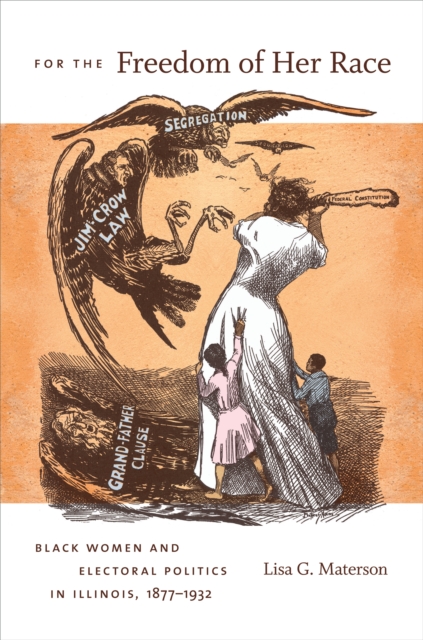
Grounded in the rich history of Chicago politics, For the Freedom of Her Race tells a wide-ranging story about black womens involvement in southern, midwestern, and national politics.
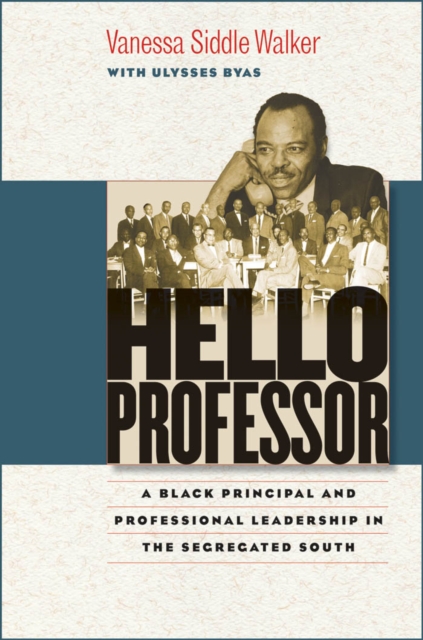
Like many black school principals, Ulysses Byas, who served the Gainesville, Georgia, school system in the 1950s and 1960s, was reverently addressed by community members as Professor.
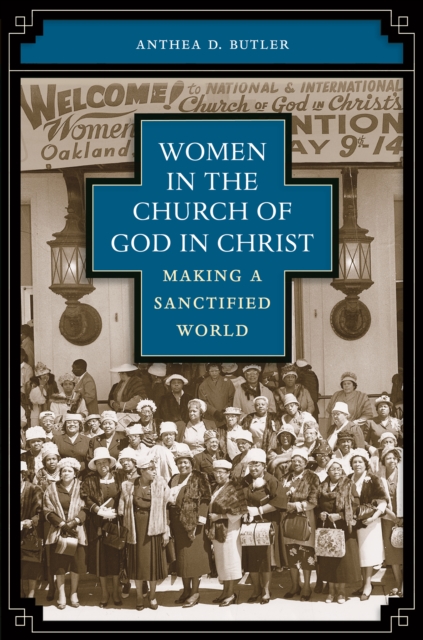
The Church of God in Christ (COGIC), an African American Pentecostal denomination founded in 1896, has become the largest Pentecostal denomination in the United States today.
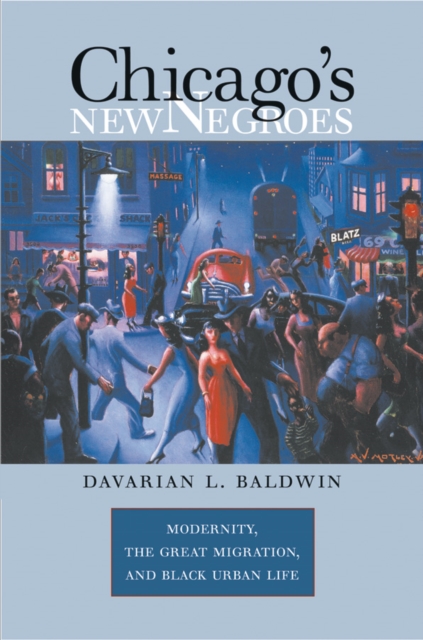
As early-twentieth-century Chicago swelled with an influx of at least 250,000 new black urban migrants, the city became a center of consumer capitalism, flourishing with professional sports, beauty shops, film production companies, recording studios, and other black cultural and communal institutions.
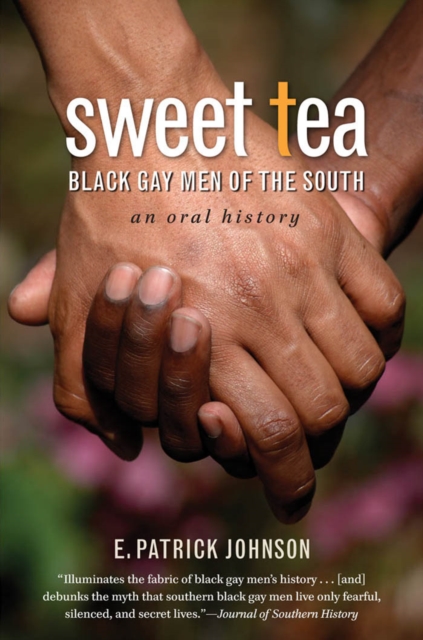
Giving voice to a population too rarely acknowledged, Sweet Tea collects more than sixty life stories from black gay men who were born, raised, and continue to live in the South.
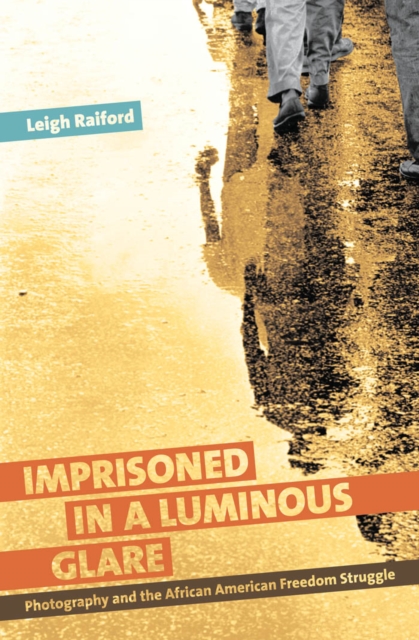
In Imprisoned in a Luminous Glare, Leigh Raiford argues that over the past one hundred years, activists in the black freedom struggle have used photographic imagery both to gain political recognition and to develop a different visual vocabulary about black lives.
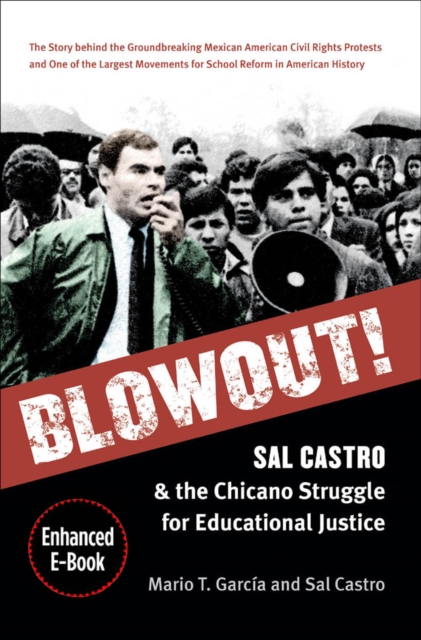
In March 1968, thousands of Chicano students walked out of their East Los Angeles high schools and middle schools to protest decades of inferior and discriminatory education in the so-called Mexican Schools.
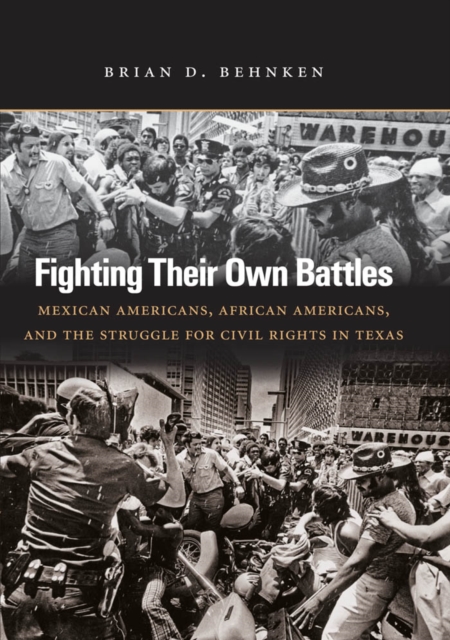
Between 1940 and 1975, Mexican Americans and African Americans in Texas fought a number of battles in court, at the ballot box, in schools, and on the streets to eliminate segregation and state-imposed racism.
Like many black school principals, Ulysses Byas, who served the Gainesville, Georgia, school system in the 1950s and 1960s, was reverently addressed by community members as Professor.
The federally recognized Round Valley Indian Tribes are a small, confederated people whose members today come from twelve indigenous California tribes.
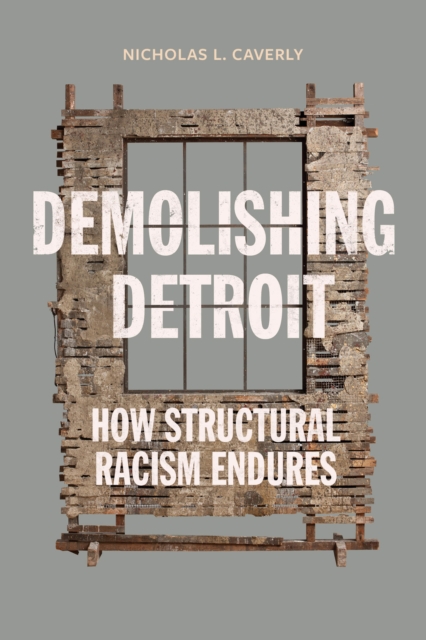
Innovative field work reveals how infrastructural systems-buildings, laws, algorithms, excavators, regulations, toxins-maintain white supremacy within the urban landscape For decades, Detroit residents, politicians, planners, and advocacy organizations have campaigned for the elimination of empty buildings from city neighborhoods.
China's profound influence on the avant-garde in the 20th century was nowhere more apparent than in the work of Ezra Pound, Bertolt Brecht, and the writers associated with the Parisian literary journal Tel quel.
Affirmative action programs have significantly changed American medicine for the better, not only in medical school admissions and access to postgraduate training but also in bringing a higher quality of health care to all people.
Mit einem Fokus auf die Potenziale von Geschichten und aufgrund einer fehlenden dramaturgischen Vielfalt wurde dieses Praxishandbuch für alle entwickelt, die sich mit Storytelling beschäftigen.
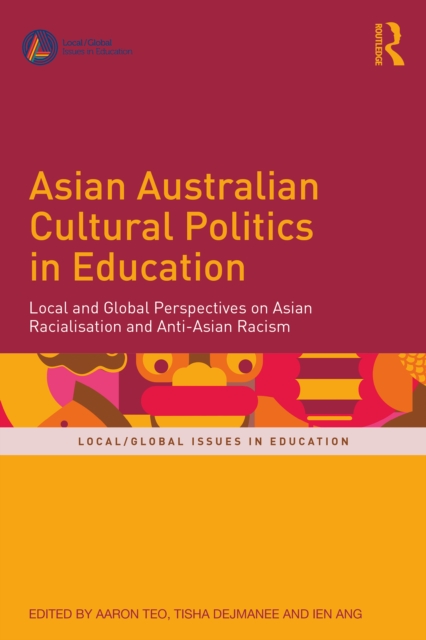
This book delves into the dynamics of contemporary Asian racialisation and anti-Asian racism, exploring how these entangled phenomena shape the experiences of Asian communities across various education contexts.
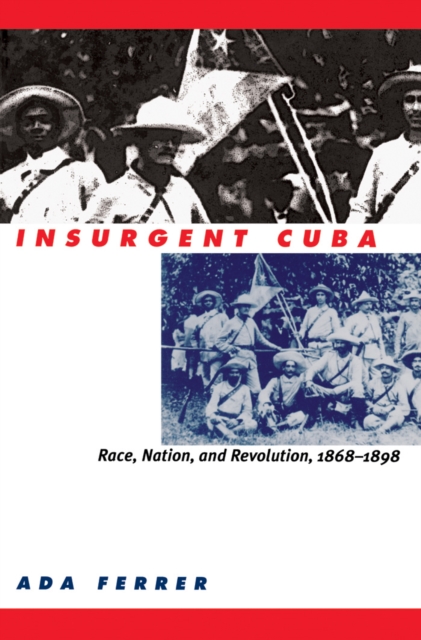
In the late nineteenth century, in an age of ascendant racism and imperial expansion, there emerged in Cuba a movement that unified black, mulatto, and white men in an attack on Europes oldest empire, with the goal of creating a nation explicitly defined as antiracist.