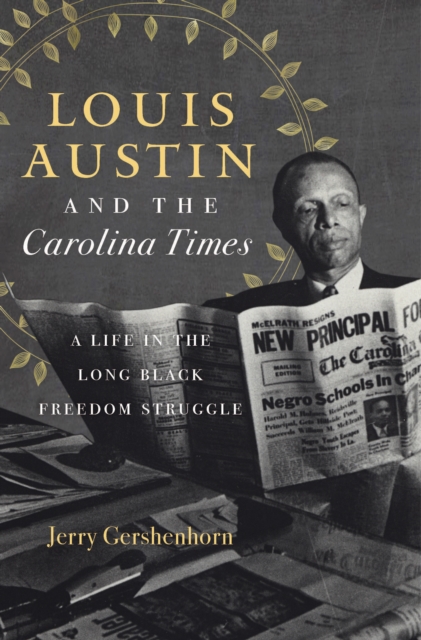
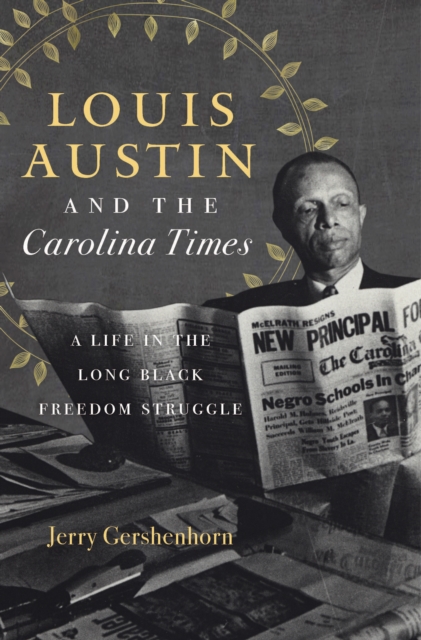
Louis Austin (18981971) came of age at the nadir of the Jim Crow era and became a transformative leader of the long black freedom struggle in North Carolina.
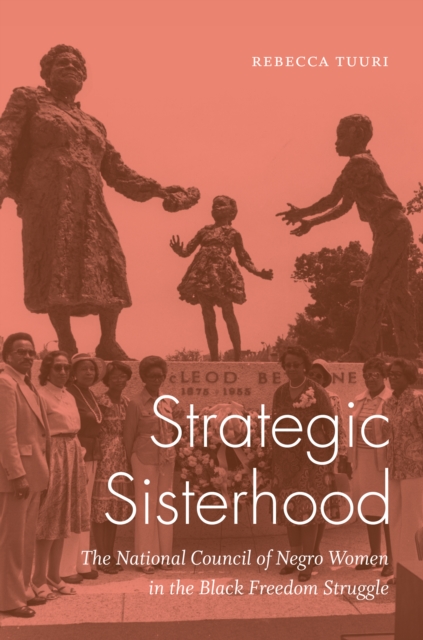
When women were denied a major speaking role at the 1963 March on Washington, Dorothy Height, head of the National Council of Negro Women (NCNW), organized her own womens conference for the very next day.
Louis Austin (18981971) came of age at the nadir of the Jim Crow era and became a transformative leader of the long black freedom struggle in North Carolina.
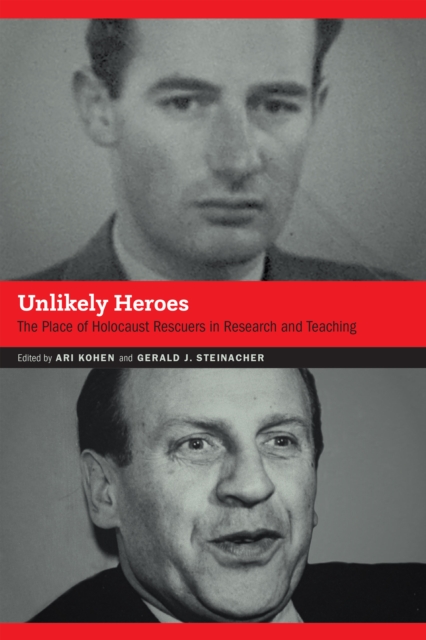
Classes and books on the Holocaust often center on the experiences of victims, perpetrators, and bystanders, but rescuers also occupy a prominent space in Holocaust courses and literature even though incidents of rescue were relatively few and rescuers constituted less than 1 percent of the population in Nazi-occupied Europe.
When women were denied a major speaking role at the 1963 March on Washington, Dorothy Height, head of the National Council of Negro Women (NCNW), organized her own womens conference for the very next day.
Louis Austin (18981971) came of age at the nadir of the Jim Crow era and became a transformative leader of the long black freedom struggle in North Carolina.
Whether their slogan is "e;compassionate conservatism"e; or "e;hawkish liberalism,"e; political parties have always sought to expand their electoral coalitions by making minor adjustments to their public image.
With close readings of more than twenty novels by writers including Ernest Gaines, Toni Morrison, Charles Johnson, Gloria Naylor, and John Edgar Wideman, Keith Byerman examines the trend among African American novelists of the late twentieth century to write about black history rather than about their own present.
An empowering and thought-provoking collection of meditations for Black men, helping them to experience the awareness, enlightenment, and healing they deserve from licensed therapist and popular author Jor-El Caraballo.
With close readings of more than twenty novels by writers including Ernest Gaines, Toni Morrison, Charles Johnson, Gloria Naylor, and John Edgar Wideman, Keith Byerman examines the trend among African American novelists of the late twentieth century to write about black history rather than about their own present.
In a story that spans from the founding of immigrant parishes in the early twentieth century to the rise of the Chicano civil rights movement in the early 1970s, Roberto R.
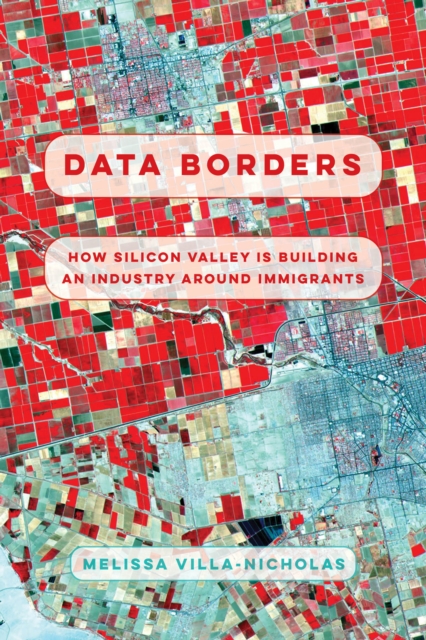
Data Borders investigates entrenched and emerging borderland technology that ensnares all people in an intimate web of surveillance where data resides and defines citizenship.
In a story that spans from the founding of immigrant parishes in the early twentieth century to the rise of the Chicano civil rights movement in the early 1970s, Roberto R.
Data Borders investigates entrenched and emerging borderland technology that ensnares all people in an intimate web of surveillance where data resides and defines citizenship.
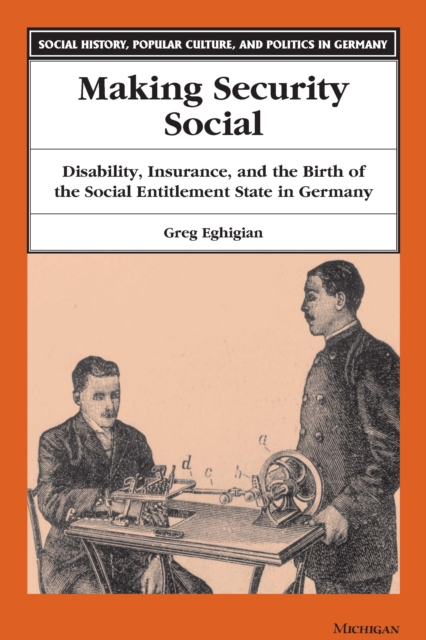
While welfare has been subject to pronounced criticism throughout the twentieth century, social insurance has consistently enjoyed the overwhelming support of European policy makers and citizens.
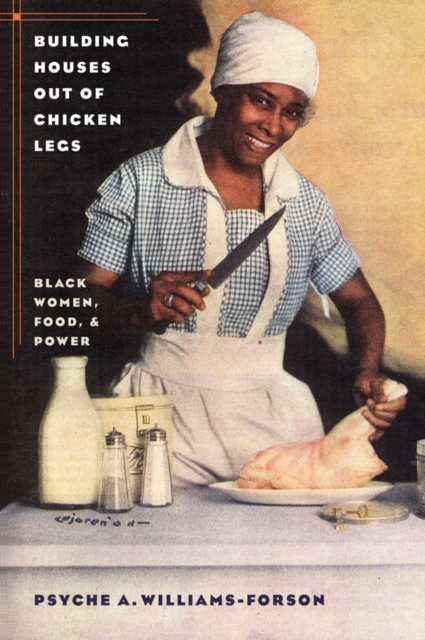
An NAACP Image Award Finalist for Outstanding Literary WorkNon FictionJames Beard awardwinning author Adrian Miller vividly tells the stories of the African Americans who worked in the presidential food service as chefs, personal cooks, butlers, stewards, and servers for every First Family since George and Martha Washington.
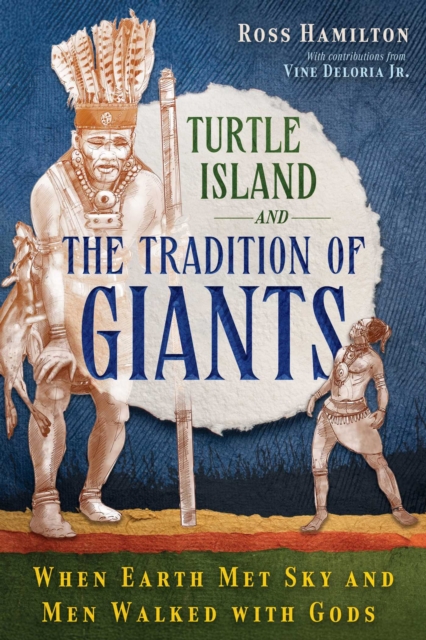
Covers the secret history of an ancient race of giants that inhabited the Americas long before European contact Presents accounts of these beings from Native American sources, legends, and oral traditions, correlated with archeological reports Examines the Smithsonians role in covering up records of the skeletal remains of giants in the Americas, looking particularly at John Wesley Powell and Ale HrdlikaWriter and researcher Ross Hamilton uses Indigenous voices, beliefs, and oral traditions to reconstruct the origin and secret history of an ancient race of giants that inhabited the continent long before European contact with the Americas.
An NAACP Image Award Finalist for Outstanding Literary WorkNon FictionJames Beard awardwinning author Adrian Miller vividly tells the stories of the African Americans who worked in the presidential food service as chefs, personal cooks, butlers, stewards, and servers for every First Family since George and Martha Washington.
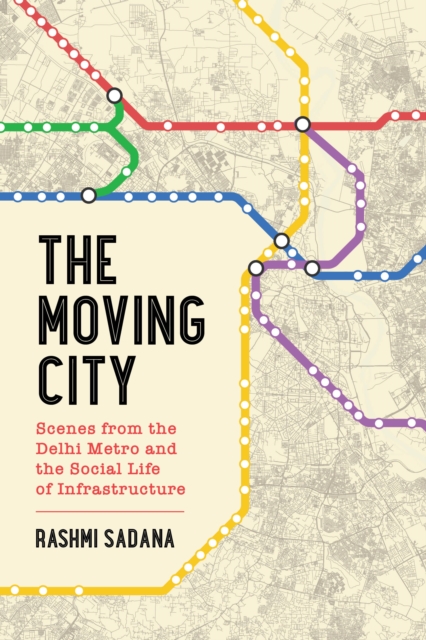
The Moving City is a rich and intimate account of urban transformation told through the story of Delhis Metro, a massive infrastructure project that is reshaping the citys social and urban landscapes.
While welfare has been subject to pronounced criticism throughout the twentieth century, social insurance has consistently enjoyed the overwhelming support of European policy makers and citizens.
The Moving City is a rich and intimate account of urban transformation told through the story of Delhis Metro, a massive infrastructure project that is reshaping the citys social and urban landscapes.
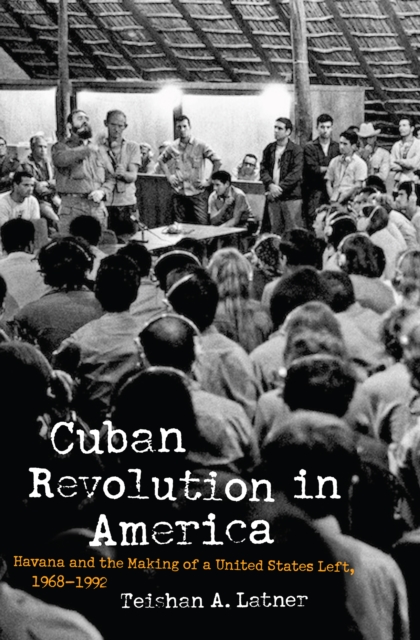
Cubas grassroots revolution prevailed on Americas doorstep in 1959, fueling intense interest within the multiracial American Left even as it provoked a backlash from the U.
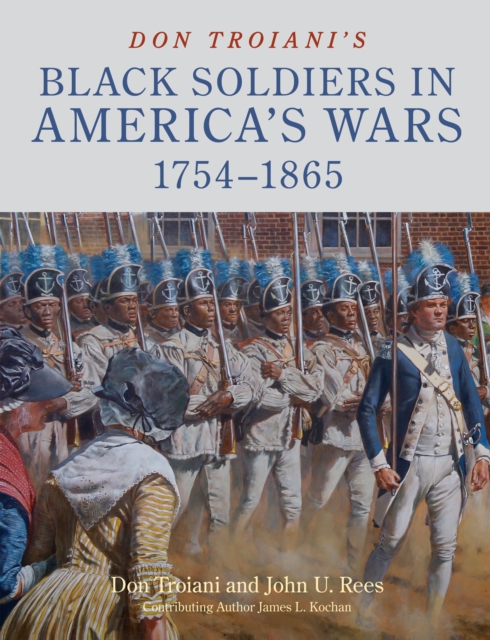
Using a masterful combination of artistry and accuracy, Don Troiani has dedicated his career to transforming our understanding of the military soldier.
Using a masterful combination of artistry and accuracy, Don Troiani has dedicated his career to transforming our understanding of the military soldier.
Cubas grassroots revolution prevailed on Americas doorstep in 1959, fueling intense interest within the multiracial American Left even as it provoked a backlash from the U.
An NAACP Image Award Finalist for Outstanding Literary WorkNon FictionJames Beard awardwinning author Adrian Miller vividly tells the stories of the African Americans who worked in the presidential food service as chefs, personal cooks, butlers, stewards, and servers for every First Family since George and Martha Washington.
SHORTLISTED FOR THE 2025 WAINWRIGHT PRIZE FOR NATURE WRITINGAN OBSERVER BOOK OF THE YEAR 2025'The most exquisitely written meditation on family, childhood, and nature' BERNARDINE EVARISTO'An extraordinary, necessary book' ROBERT MACFARLANE'Hold it in your hands and then dream of the green world' MONIQUE ROFFEY'Surprising at every turn and rewarding in ways you never expect' MARLON JAMES'A masterclass on how to write place, dreams and memory into being' OLIVE SENIORThe Possibility of Tenderness is a personal history narrated through the lens of the grung and plants.
Christianity Today Book Award-Politics and Public LifeEfforts at colorblindness and antiracism have not been very effective in addressing racial tensions in the United States.
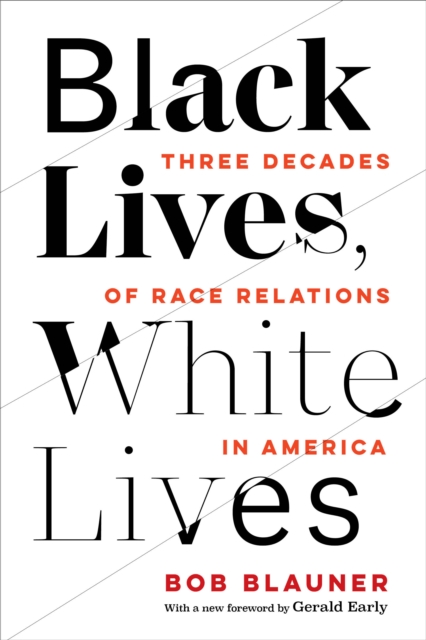
Now with a new foreword, this timely reissuefeatures aremarkable collection of oral histories that trace three decades of turbulent race relations and social change in the United States for a new generation of activists.
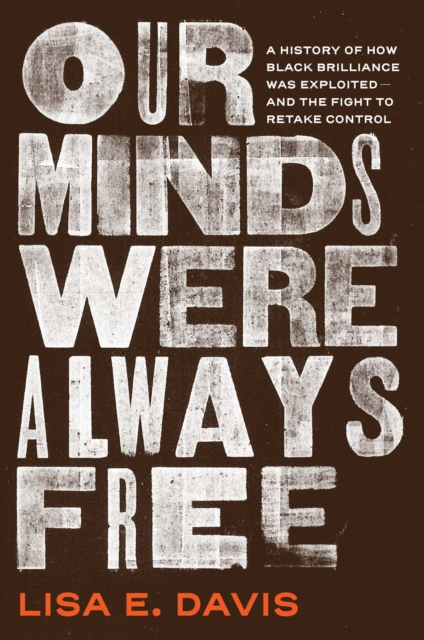
An exploration of how African American innovators and artistswhose impact and financial value in American music, movies, and TV is disproportionately greater than their numbershave fought for and often won the rights to own and benefit from their own work.
Now with a new foreword, this timely reissuefeatures aremarkable collection of oral histories that trace three decades of turbulent race relations and social change in the United States for a new generation of activists.
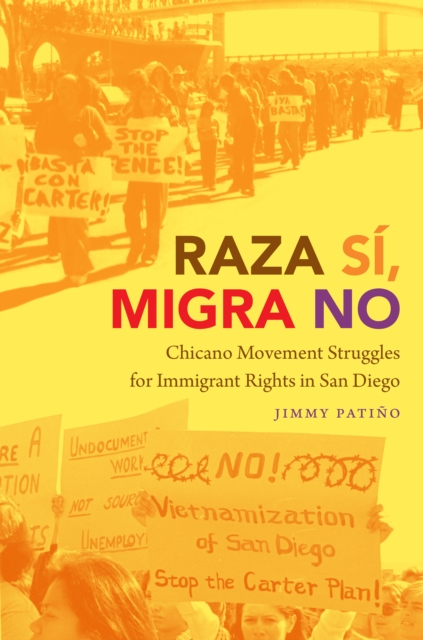
As immigration from Mexico to the United States grew through the 1970s and 1980s, the Border Patrol, police, and other state agents exerted increasing violence against ethnic Mexicans in San Diegos volatile border region.
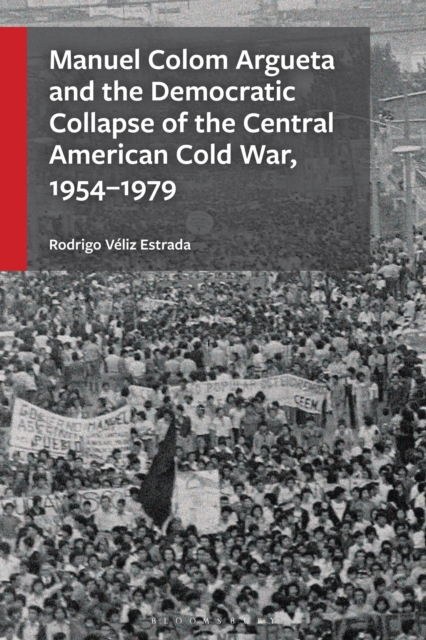
Exploring the life of one of Central America's understudied political figures, this exciting new volume follows Manuel Colom Argueta's exploits, philosophy, and impact amid the background of the Central American Cold War.
One critical priority of the discipline of Africana studies is applied memory, specifically, how the record of the culture's survival and agency reveals usable and reproducible knowledge and behavior.