This vital book considers the compelling and addictive hold that racism has had on centuries of Americans, explores historical and contemporary norms complicit in the problem, and appeals to the U.
In these essays, brought together by the scholar Wahneema Lubiano, some of today''s most respected intellectuals share their ideas on race, power, gender, and society.
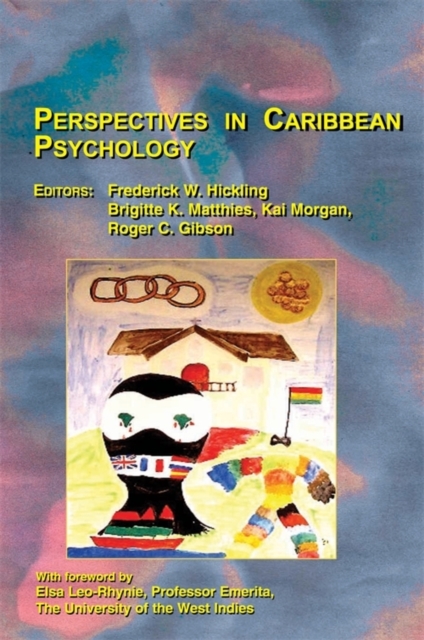
Perspectives in Caribbean Psychology attempts to record the unique psychological character of those who live in the Caribbean and more broadly people of African-Caribbean heritage.
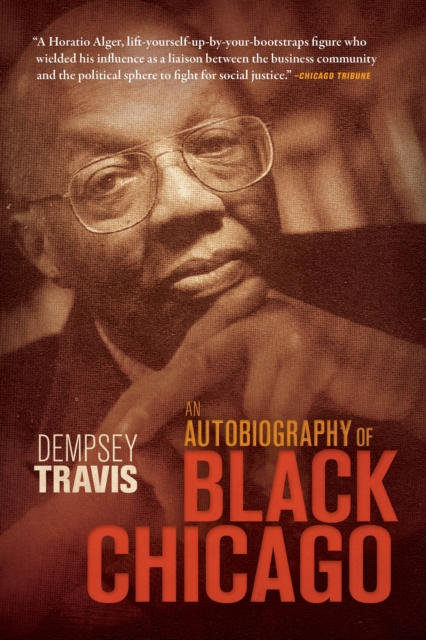
Few were more qualified than Dempsey Travis to write the history of African Americans in Chicago, and none would be able to do it with the same command of firsthand sources.
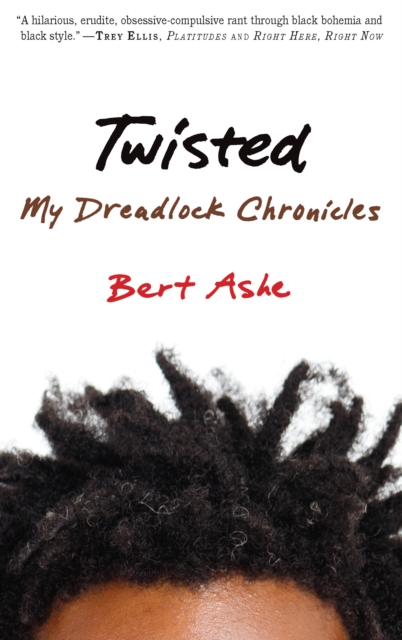
In Twisted:My Dreadlock Chronicles, professor and author Bert Ashe delivers a witty, fascinating, and unprecedented account of black male identity as seen through our culture's perceptions of hair.
In African American Folksong and American Cultural Politics: The Lawrence Gellert Story, scholar and musician Bruce Conforth tells the story of one of the most unusual collections of African American folk music ever amassed-and the remarkable story of the man who produced it: Lawrence Gellert.
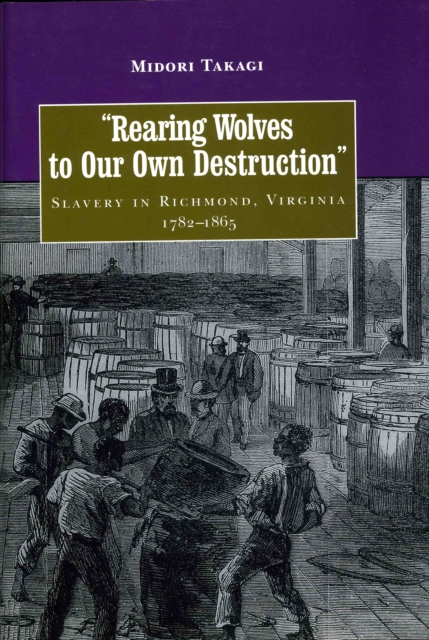
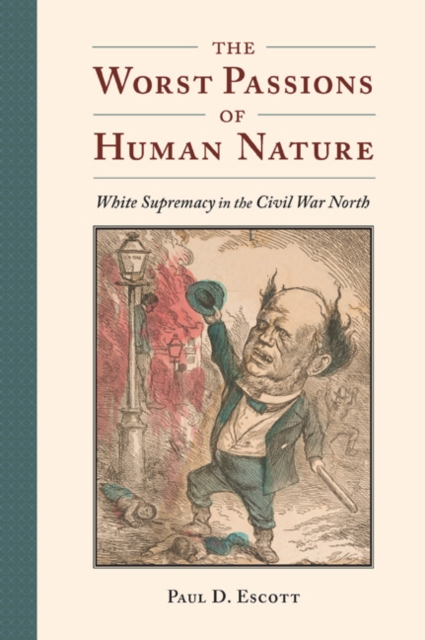
The American North's commitment to preventing a southern secession rooted in slaveholding suggests a society united in its opposition to slavery and racial inequality.
The "e;black family"e; in the United States and the Caribbean often holds contradictory and competing meanings in public discourse: on the one hand, it is a site of love, strength, and support; on the other hand, it is a site of pathology, brokenness, and dysfunction that has frequently called forth an emphasis on conventional respectability if stability and social approval are to be achieved.
Political polarization and unrest are not exclusive to our era, but in the twenty-first century, we are living with seemingly unresolvable disagreements that threaten to tear our country apart.
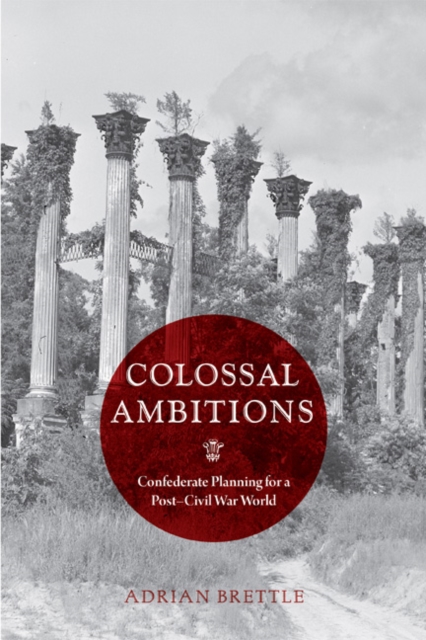
Leading politicians, diplomats, clerics, planters, farmers, manufacturers, and merchants preached a transformative, world-historical role for the Confederacy, persuading many of their compatriots to fight not merely to retain what they had but to gain their future empire.
The American North's commitment to preventing a southern secession rooted in slaveholding suggests a society united in its opposition to slavery and racial inequality.
Critics have long suggested that August Wilson, who called blues "e;the best literature we have as black Americans,"e; appropriated blues music for his plays.
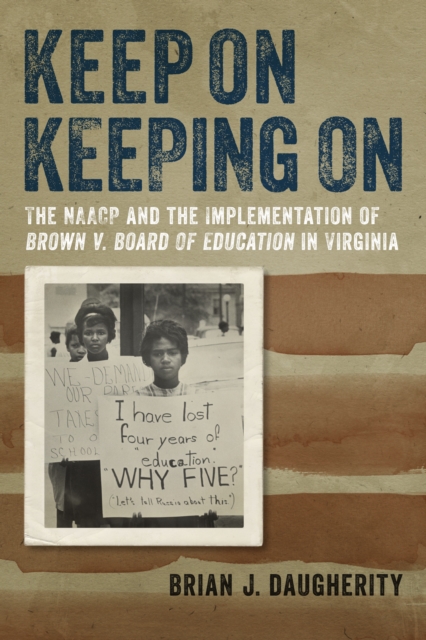
In the twentieth-century struggle for racial equality, there was perhaps no setting more fraught and contentious than the public schools of the American south.
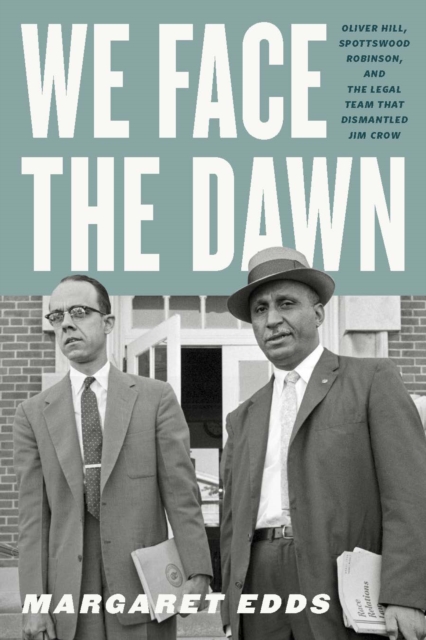
The decisive victories in the fight for racial equality in America were not easily won, much less inevitable; they were achieved through carefully conceived strategy and the work of tireless individuals dedicated to this most urgent struggle.
The history of African Americans in southern Appalachia after the Civil War has largely escaped the attention of scholars of both African Americans and the region.
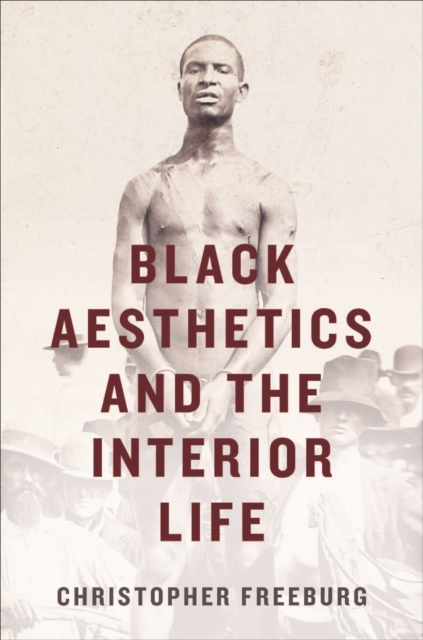
Christopher Freeburg's Black Aesthetics and the Interior Life offers a crucial new reading of a neglected aspect of African American literature and art across the long twentieth century.
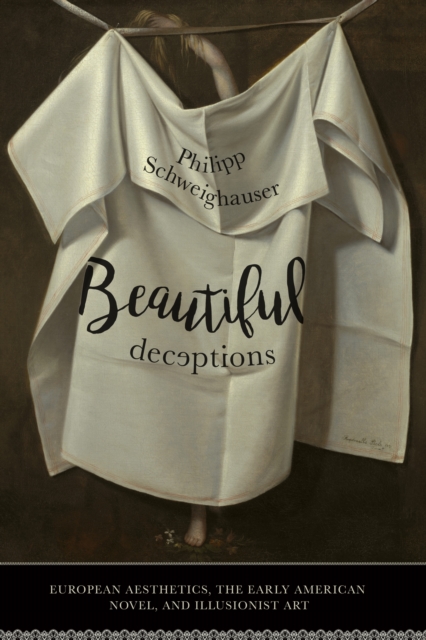
The art of the early republic abounds in representations of deception: the villains of Gothic novels deceive their victims with visual and acoustic tricks; the ordinary citizens of picaresque novels are hoodwinked by quacks and illiterate but shrewd adventurers; and innocent sentimental heroines fall for their seducers' eloquently voiced half-truths and lies.
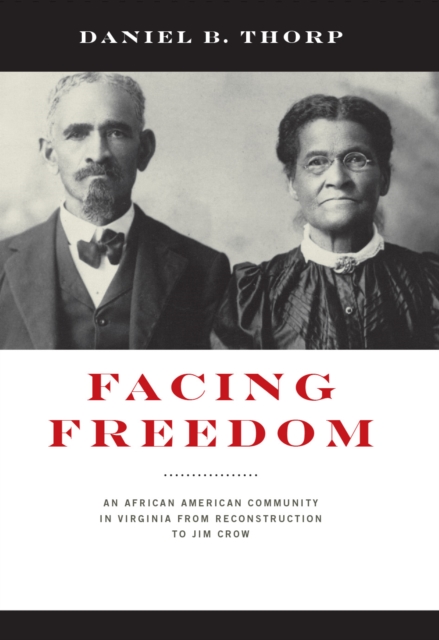
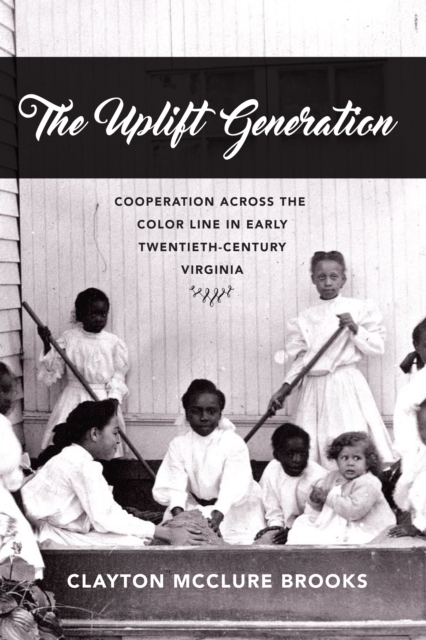
Offering a fresh look at interracial cooperation in the formative years of Jim Crow, The Uplift Generation examines how segregation was molded, not by Virginia's white political power structure alone but rather through the work of a generation of Virginian reformers across the color line who from 1900 to 1930 engaged in interracial reforms.
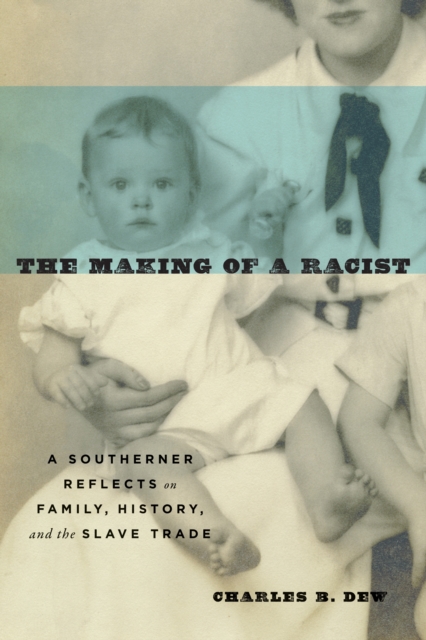
In this powerful memoir, Charles Dew, one of America's most respected historians of the South--and particularly its history of slavery--turns the focus on his own life, which began not in the halls of enlightenment but in a society unequivocally committed to segregation.
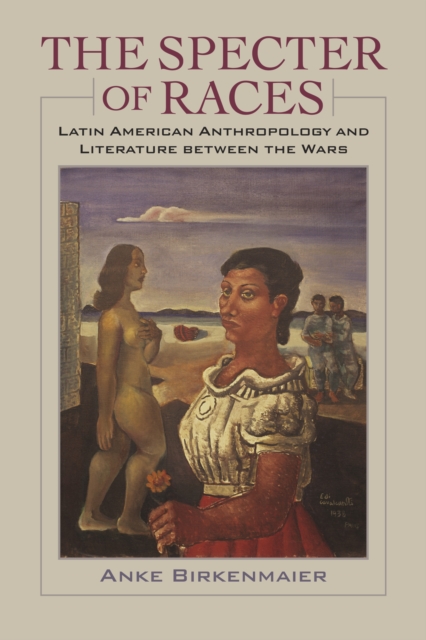
Arguing that race has been the specter that has haunted many of the discussions about Latin American regional and national cultures today, Anke Birkenmaier shows how theories of race and culture in Latin America evolved dramatically in the period between the two world wars.
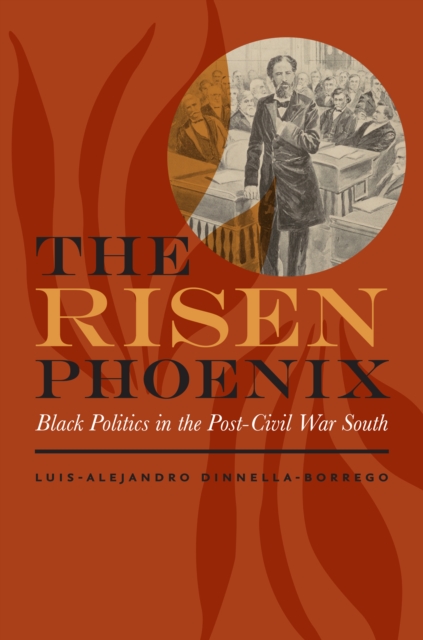
The Risen Phoenix charts the changing landscape of black politics and political culture in the postwar South by focusing on the careers of six black congressmen who served between the Civil War and the turn of the nineteenth century: John Mercer Langston of Virginia, James Thomas Rapier of Alabama, Robert Smalls of South Carolina, John Roy Lynch of Mississippi, Josiah Thomas Walls of Florida, and George Henry White of North Carolina.
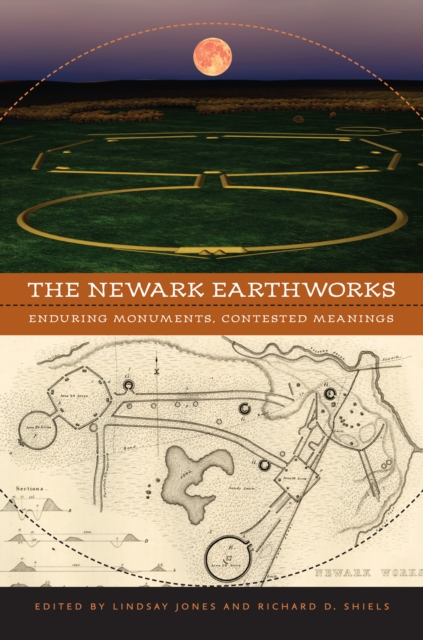
Considered a wonder of the ancient world, the Newark Earthworks-the gigantic geometrical mounds of earth built nearly two thousand years ago in the Ohio valley--have been a focal point for archaeologists and surveyors, researchers and scholars for almost two centuries.
In Being Apart, LaRose Parris draws on traditional and radical Western theory to emphasize how nineteenth- and twentieth-century Africana thinkers explored the two principal existential themes of being and freedom prior to existentialism's rise to prominence in postwar European thought.
In her reading of detective fiction and passing narratives from the end of the nineteenth century forward, Jinny Huh investigates anxieties about race and detection.
The emerging demographic and political presence of Latinos in the United States has moved the discussion of race relations beyond the terms of black and white.
Using the term "e;prophetic remembrance"e; to articulate the expression of a constituent faith in the performative capacity of language, Erica Still shows how black subjectivity is born of and interprets cultural trauma.
Bringing Race Back In empirically investigates whether "e;post-racial"e; campaign strategies, which are becoming increasingly common, improve black candidates' ability to mobilize and attract voters of all races and ethnicities.
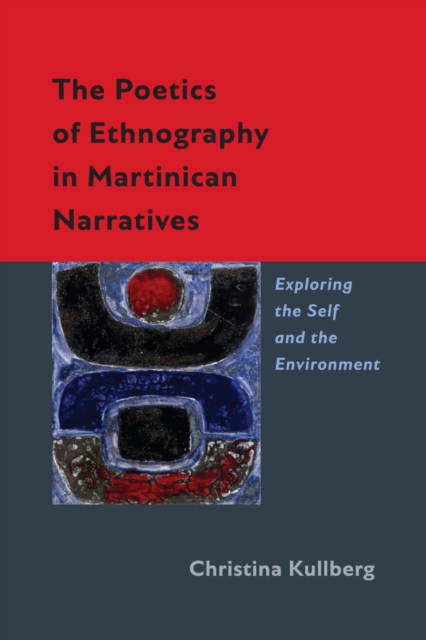
Drawing on narratives from Martinique by Aime Cesaire, Edouard Glissant, Ina Cesaire, and Patrick Chamoiseau, among others, Christina Kullberg shows how these writers turn to ethnography-even as they critique it-as an exploration and expression of the self.
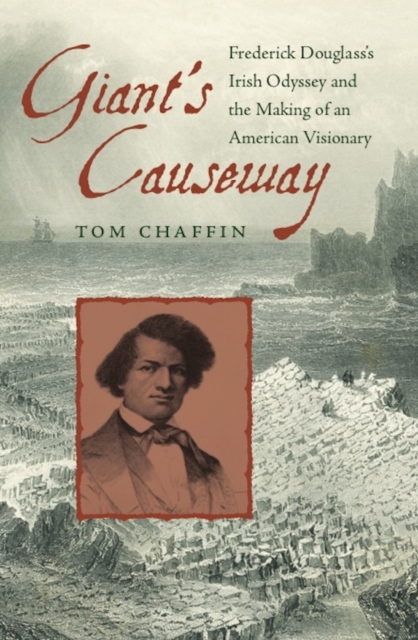
In 1845, seven years after fleeing bondage in Maryland, Frederick Douglass was in his late twenties and already a celebrated lecturer across the northern United States.