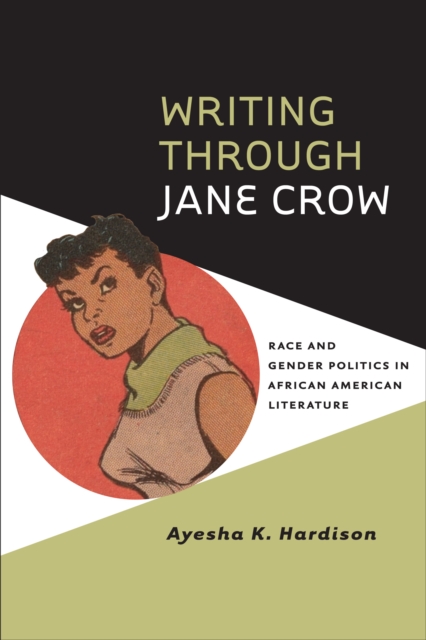
In Writing through Jane Crow, Ayesha Hardison examines African American literature and its representation of black women during the pivotal but frequently overlooked decades of the 1940s and 1950s.
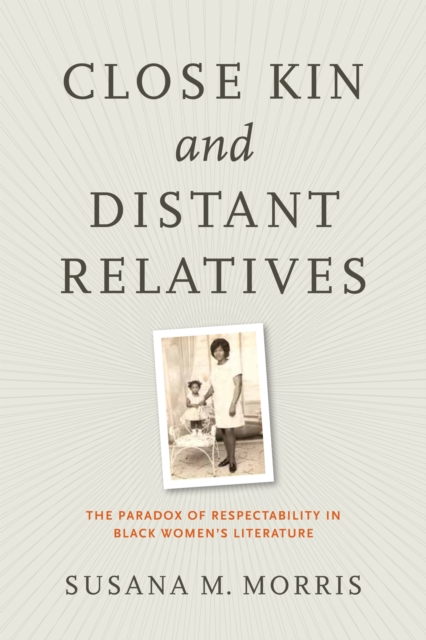
The "e;black family"e; in the United States and the Caribbean often holds contradictory and competing meanings in public discourse: on the one hand, it is a site of love, strength, and support; on the other hand, it is a site of pathology, brokenness, and dysfunction that has frequently called forth an emphasis on conventional respectability if stability and social approval are to be achieved.
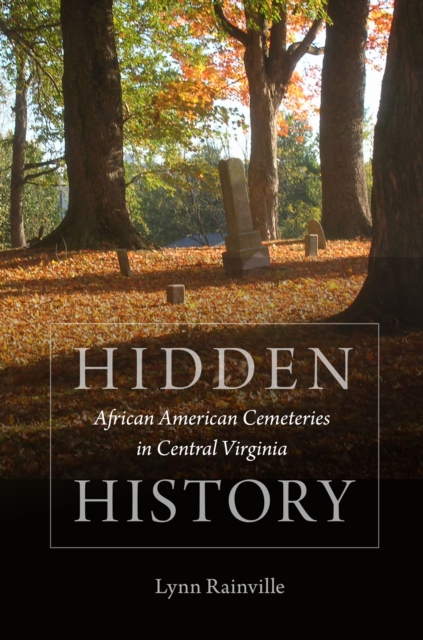
In Hidden History, Lynn Rainville travels through the forgotten African American cemeteries of central Virginia to recover information crucial to the stories of the black families who lived and worked there for over two hundred years.
The Punitive Turn explores the historical, political, economic, and sociocultural roots of mass incarceration, as well as its collateral costs and consequences.
In this culminating work of a long and distinguished career, historian Bertram Wyatt-Brown looks at the theme of honor-a subject on which he was the acknowledged expert-and places it in a broader historical and cultural context than ever before.
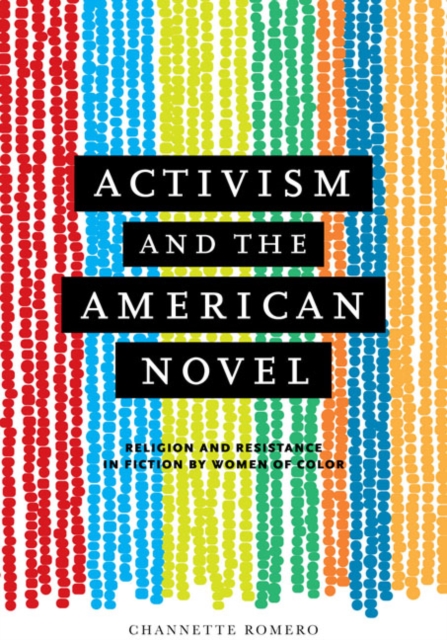
Since the 1980s, many activists and writers have turned from identity politics toward ethnic religious traditions to rediscover and reinvigorate their historic role in resistance to colonialism and oppression.
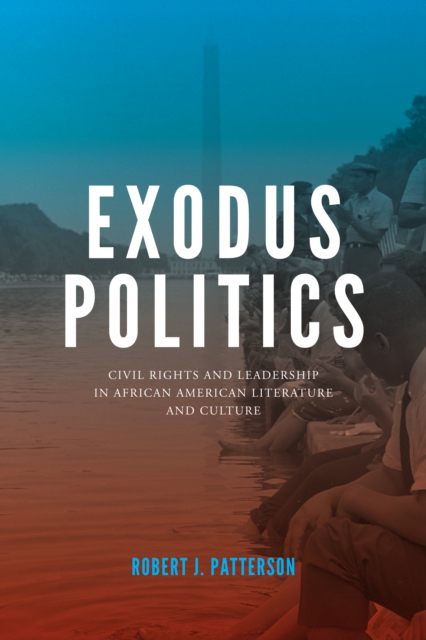
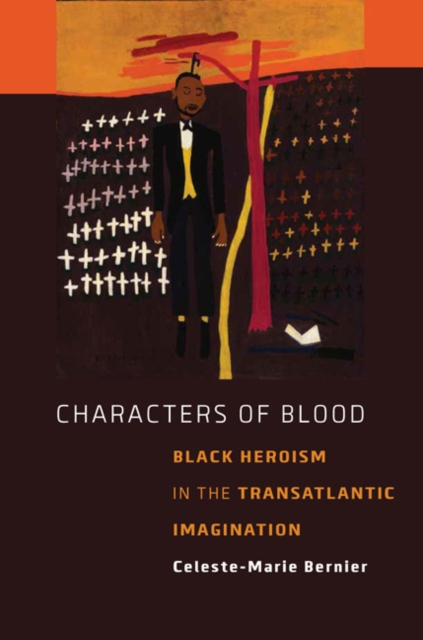
Across the centuries, the acts and arts of black heroism have inspired a provocative, experimental, and self-reflexive intellectual, political, and aesthetic tradition.
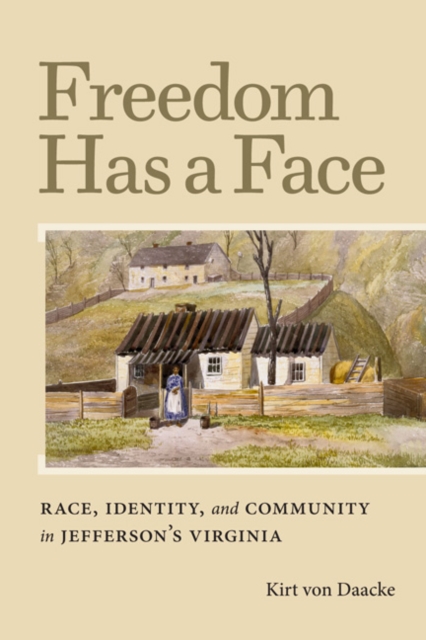
In his examination of a wide array of court papers from Albemarle County, a rural Virginia slaveholding community, Kirt von Daacke argues against the commonly held belief that southern whites saw free blacks only as a menace.
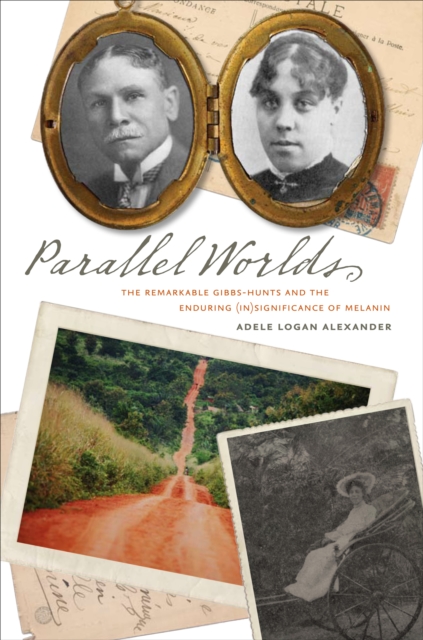
When William Henry Hunt married Ida Alexander Gibbs in the spring of 1904, their wedding was a dazzling Washington social event that joined an Oberlin-educated diplomat's daughter and a Wall Street veteran who could trace his lineage to Jamestown.
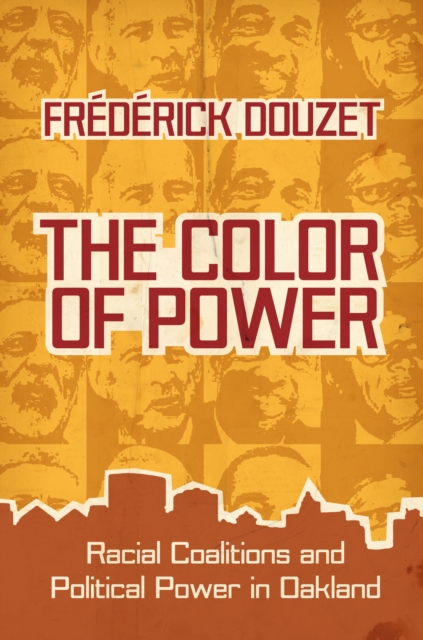
Barack Obama's inauguration as the first African American president of the United States has caused many commentators to conclude that America has entered a postracial age.
Over the past four decades, the foreign-born population in the United States has nearly tripled, from about 10 million in 1965 to more than 30 million today.
The earliest known prison memoir by an African American writer—recently discovered and authenticated by a team of Yale scholars—sheds light on the longstanding connection between race and incarceration in America.
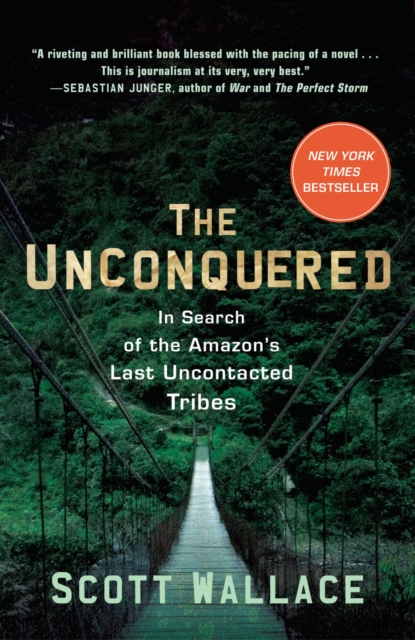
THE UNCONQUERED TELLS THE EXTRAORDINARY TRUE STORY OF A JOURNEY INTO THE DEEPEST RECESSES OF THE AMAZON TO TRACK ONE OF THE PLANET’S LAST UNCONTACTED IN DIGENOUS TRIBES.
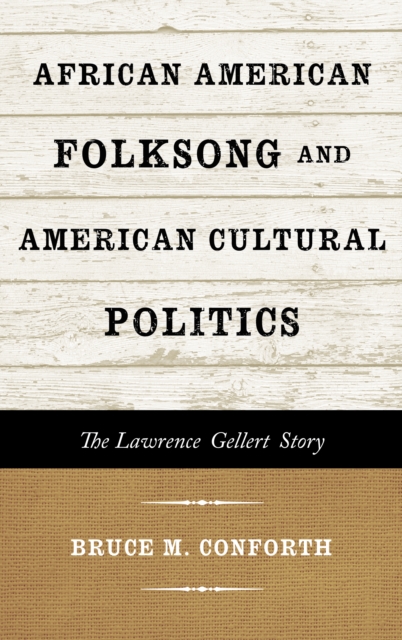
In African American Folksong and American Cultural Politics: The Lawrence Gellert Story, scholar and musician Bruce Conforth tells the story of one of the most unusual collections of African American folk music ever amassed-and the remarkable story of the man who produced it: Lawrence Gellert.
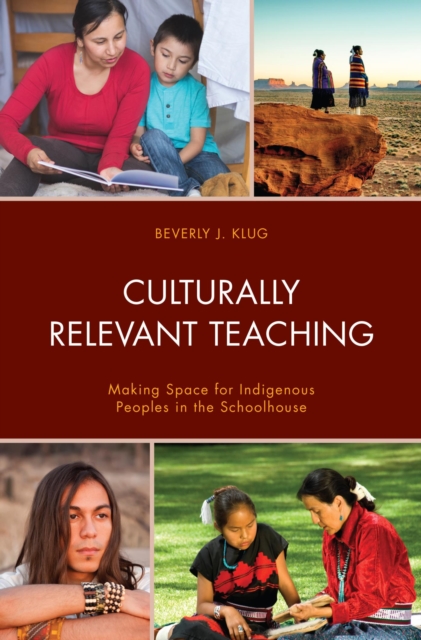
American Indian Education/indigenous education is still faltering today and is not producing significant differences in results where school practices follow those for the dominant culture.
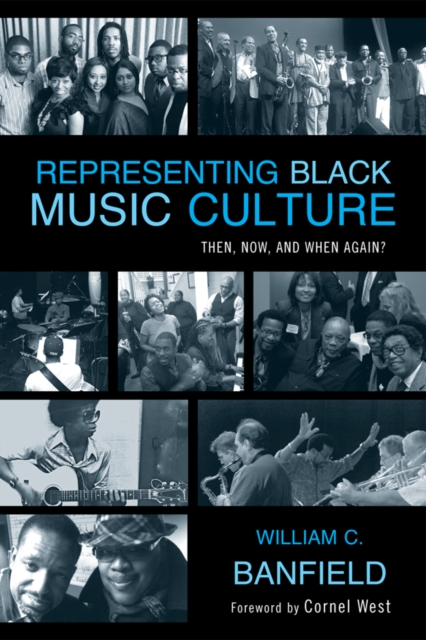
In this collection of essays, interviews, and profiles, William Banfield reflects on his life as a musician and educator, as he weaves together pieces of cultural criticism and artistry, all the while paying homage to Black music of the last 40 years and beyond.
The Removal of the Five Tribes from what is now the Southeastern part of the United States to the area that would become the state of Oklahoma is a topic widely researched and studied.
Asian American literature is one of the most recent forms of ethnic literature and is already becoming one of the most prominent, given the large number of writers, the growing ethnic population from the region, the general receptivity of this body of work, and the quality of the authors.
African American Theater is a vibrant and unique entity enriched by ancient Egyptian rituals, West African folklore, and European theatrical practices.
This work sets forth the argument that in the age of (neoliberal) globalization, black people around the world are ever-so slowly becoming "e;African-Americanized"e;.
Native Americans in the United States, similar to other indigenous people, created political, economic, and social movements to meet and adjust to major changes that impacted their cultures.
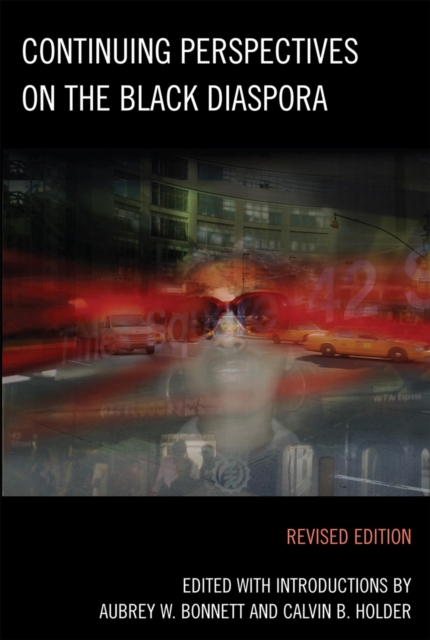
Continuing Perspectives on the Black Diaspora is a response to a 1990 publication that studied the persistence and resilience of black (African) diasporic populations in the Caribbean, Latin America, North America, and the United Kingdom.
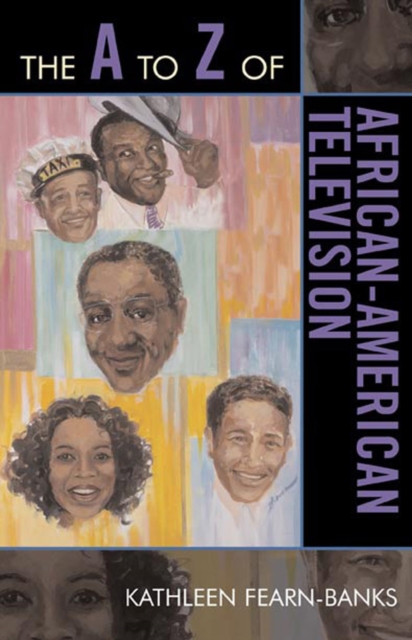
From Amos 'n' Andy to The Jeffersons to Family Matters to Chappelle's Show, this volume covers it all with entries on all different genres-animation, documentaries, sitcoms, sports, talk shows, and variety shows-and performers such as Muhammad Ali, Louis Armstrong, Bill Cosby, and Oprah Winfrey.
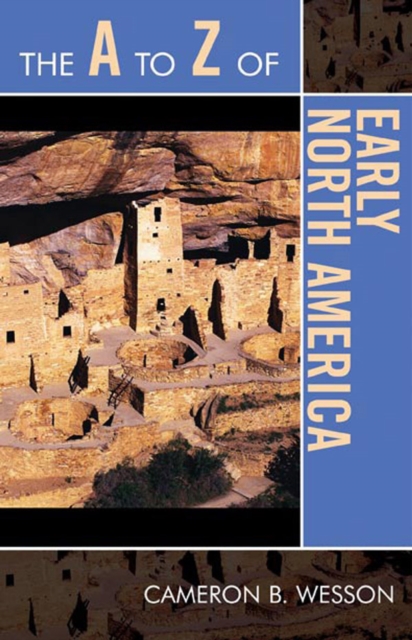
Those unfamiliar with the prehistory of North America have a general perception of the cultures of the continent that includes Native Americans living in tipis, wearing feathered headdresses and buckskin clothing, and following migratory bison herds on the Great Plains.