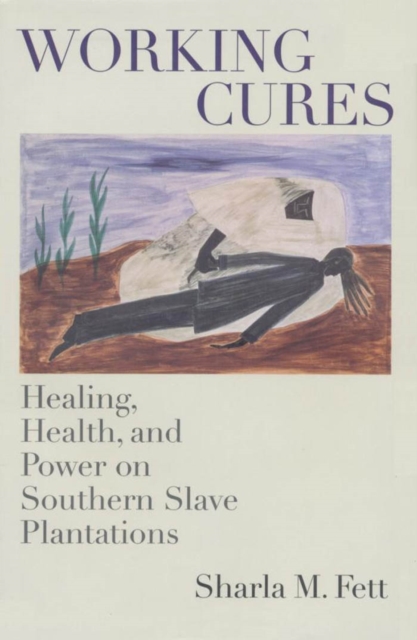
Exploring the charged topic of black health under slavery, Sharla Fett reveals how herbalism, conjuring, midwifery, and other African American healing practices became arts of resistance in the antebellum South.
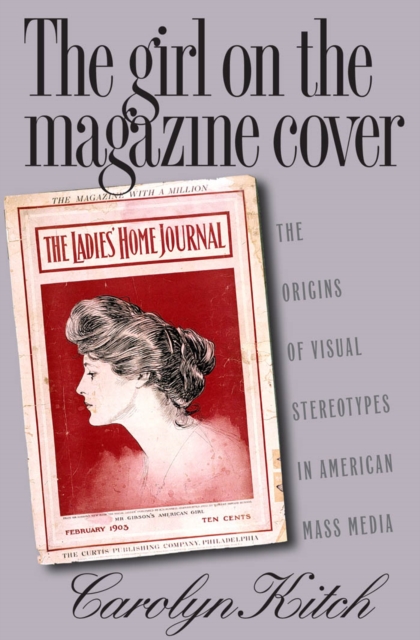
From the Gibson Girl to the flapper, from the vamp to the New Woman, Carolyn Kitch traces mass media images of women to their historical roots on magazine covers, unveiling the origins of gender stereotypes in early-twentieth-century American culture.
Focusing on six major Supreme Court cases during the 1960s and 1970s, Marc Stein examines the generally liberal rulings on birth control, abortion, interracial marriage, and obscenity in Griswold, Eisenstadt, Roe, Loving, and Fanny Hill alongside a profoundly conservative ruling on homosexuality in Boutilier.
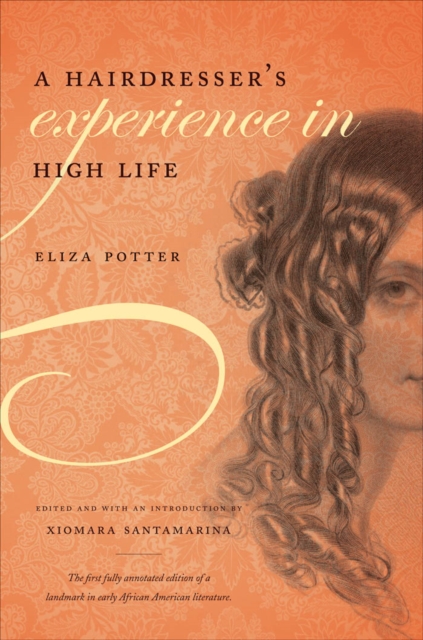
Here is the first fully annotated edition of a landmark in early African American literature Eliza Potters 1859 autobiography, A Hairdressers Experience in High Life.
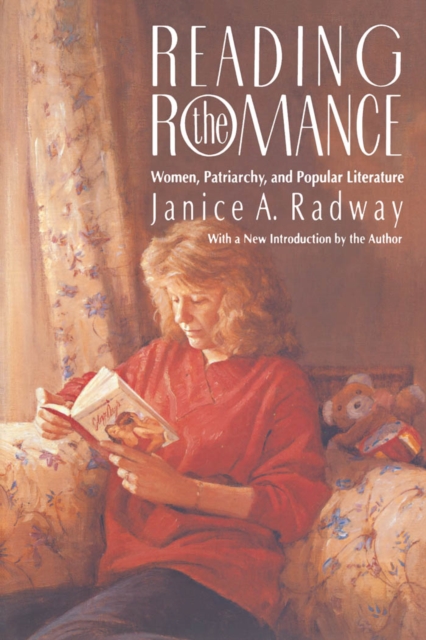
Originally published in 1984, Reading the Romance challenges popular (and often demeaning) myths about why romantic fiction, one of publishings most lucrative categories, captivates millions of women readers.
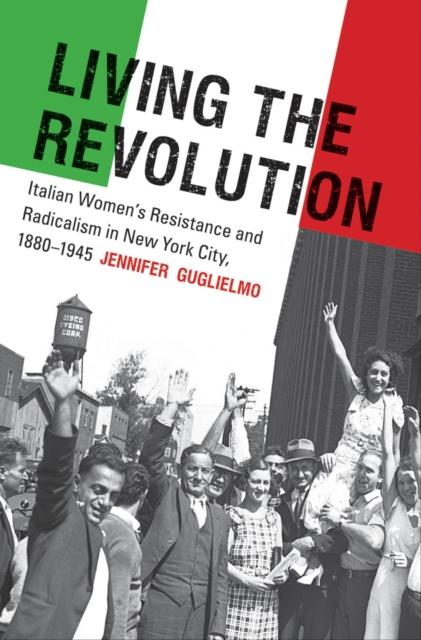
Italians were the largest group of immigrants to the United States at the turn of the twentieth century, and hundreds of thousands led and participated in some of the periods most volatile labor strikes.
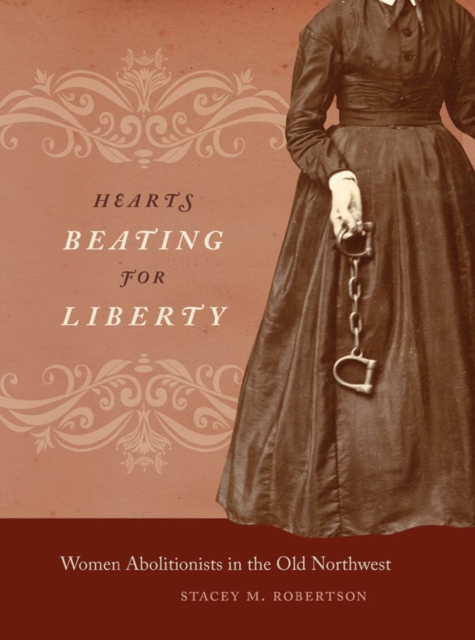
Challenging traditional histories of abolition, this book shifts the focus away from the East to show how the women of Ohio, Indiana, Illinois, Michigan, and Wisconsin helped build a vibrant antislavery movement in the Old Northwest.
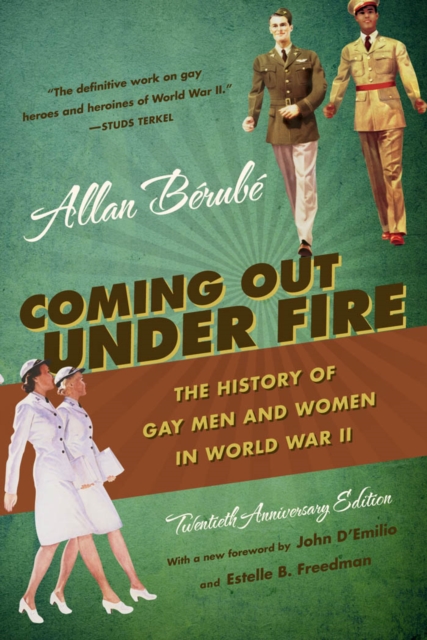
During World War II, as the United States called on its citizens to serve in unprecedented numbers, the presence of gay Americans in the armed forces increasingly conflicted with the expanding antihomosexual policies and procedures of the military.
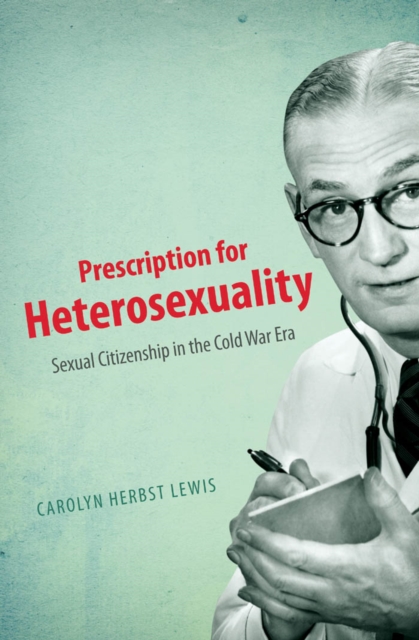
In Prescription for Heterosexuality, Carolyn Herbst Lewis explores how medical practitioners, especially family physicians, situated themselves as the guardians of Americans' sexual well-being during the early Cold War years.
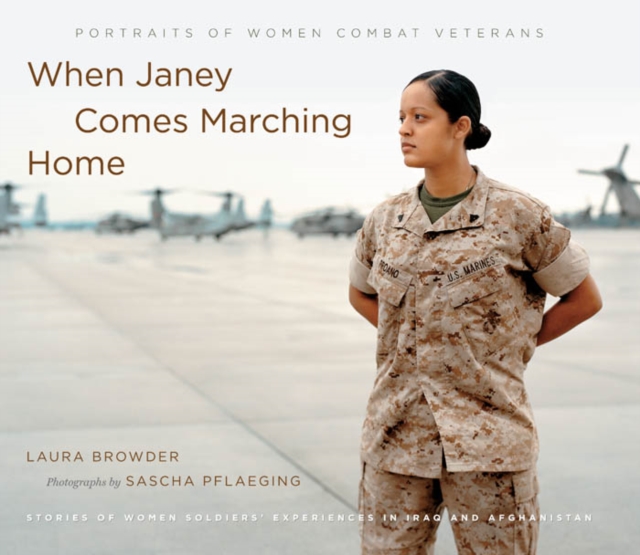
While women are officially barred from combat in the American armed services, in the current war, where there are no front lines, the ban on combat is virtually meaningless.
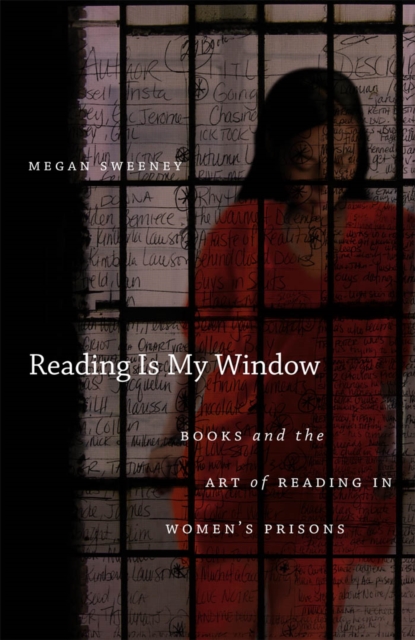
Drawing on extensive interviews with ninety-four women prisoners, Megan Sweeney examines how incarcerated women use available reading materials to come to terms with their pasts, negotiate their present experiences, and reach toward different futures.
Supermarkets are a mundane feature in the landscape, but as Tracey Deutsch reveals, they represent a major transformation in the ways that Americans feed themselves.
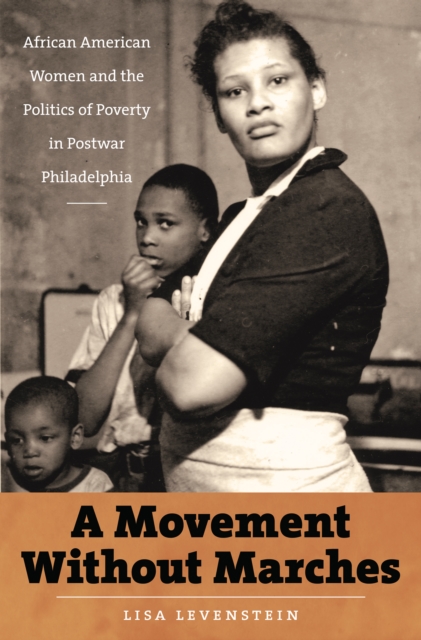
Lisa Levenstein reframes highly charged debates over the origins of chronic African American poverty and the social policies and political struggles that led to the postwar urban crisis.
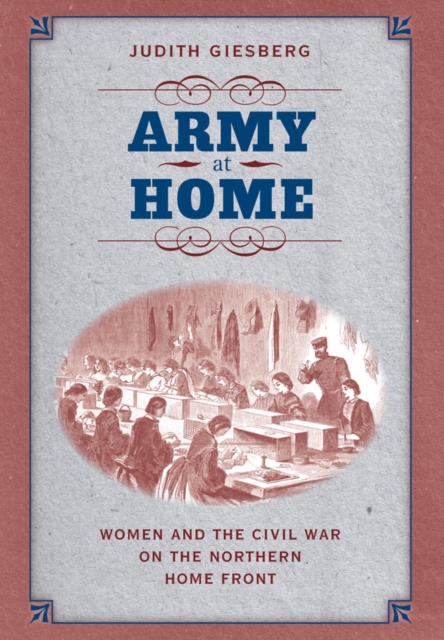
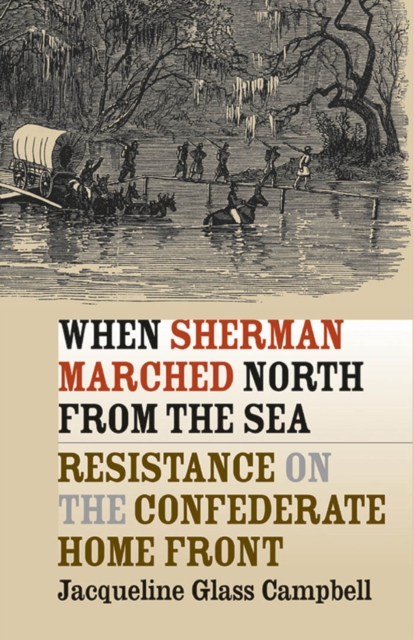
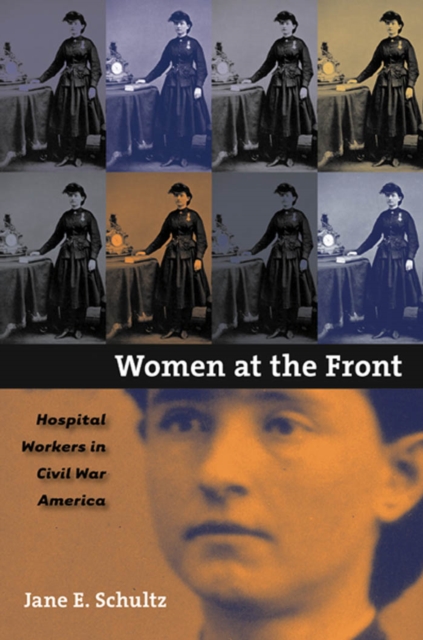
Introducing readers to women whose Civil War experiences have long been ignored, Judith Giesberg examines the lives of working-class women in the North, for whom the home front was a battlefield of its own.
The place of womens rights in African American public culture has been an enduring question, one that has long engaged activists, commentators, and scholars.
Tracing the full history of traditionally white college fraternities in America from their days in antebellum all-male schools to the sprawling modern-day college campus, Nicholas Syrett reveals how fraternity brothers have defined masculinity over the course of their 180-year history.
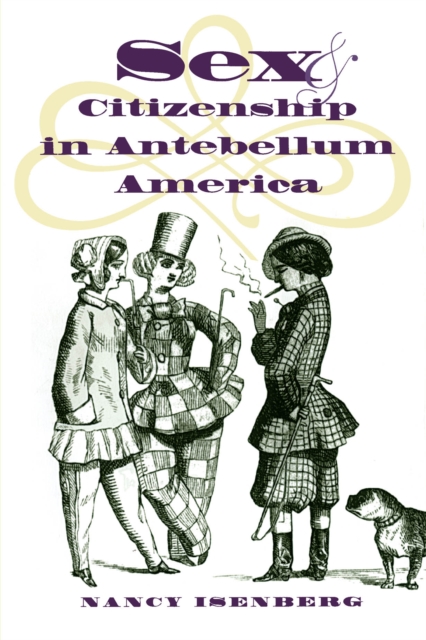
The meaning of race in the antebellum southern United States was anchored in the racial exclusivity of slavery (coded as black) and full citizenship (coded as white as well as male).
In Sexual Revolutions in Cuba Carrie Hamilton delves into the relationship between passion and politics in revolutionary Cuba to present a comprehensive history of sexuality on the island from the triumph of the Revolution in 1959 into the twenty-first century.
In a direct, frank, and intimate exploration of Iranian literature and society, scholar, teacher, and poet Fatemeh Keshavarz challenges popular perceptions of Iran as a society bereft of vitality and joy.
In this study of devotional hagiographical texts and contemporary ritual performances of the Shi'a of Hyderabad, India, Karen Ruffle demonstrates how traditions of sainthood and localized cultural values shape gender roles.
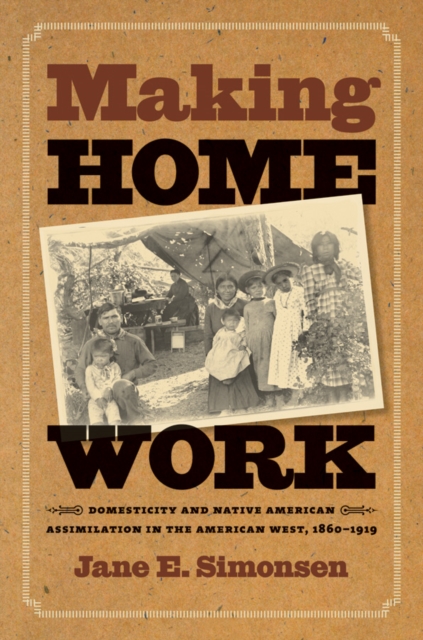
During the westward expansion of America, white middle-class ideals of home and domestic work were used to measure differences between white and Native American women.
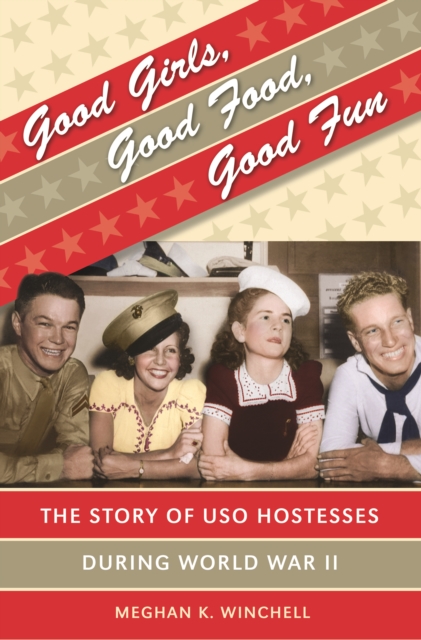
Throughout World War II, when Saturday nights came around, servicemen and hostesses happily forgot the war for a little while as they danced together in USO clubs, which served as havens of stability in a time of social, moral, and geographic upheaval.
In the 1960s, increasing numbers of African American students entered predominantly White colleges and universities in the northern and western United States.
Over the past two decades, historians have successfully disputedthe notion that American women remained wholly outside the realm of politics until the early twentieth century.
Margaret Meuse Clay, who barely escaped a public whipping in the 1760s for preaching without a license; Old Elizabeth, an ex-slave who courageously traveled to the South to preach against slavery in the early nineteenth century; Harriet Livermore, who spoke in front of Congress four times between 1827 and 1844 these are just a few of the extraordinary women profiled in this, the first comprehensive history of female preaching in early America.
This book explores the post-harem lives of Ottoman palace women who, unlike valide sultans, mothers of princes (sehzades), or imperial princesses (hanim sultans), lost their formal prominence after the death of the reigning sultan and have remained largely overlooked in imperial historiography.
This outstanding collection of fifteen original essays represents innovative work by some of the most influential scholars in the field of womens history.
In the 1950s, the International Brotherhood of Teamsters empowered poor immigrants who had grown up in the crowded blocks of the central city to move upward and outward to comfortable suburbs.
Emily Dickinson's Open Folios: Scenes of Reading, Surfaces of Writing is a fine facsimile edition and aesthetic exploration of a group of forty late drafts and fragments hitherto known as the "e;Lord letters.
Over fifty years after her death, Simone Weil (1909-1943) remains one of the most searching religious inquirers and political thinkers of the twentieth century.
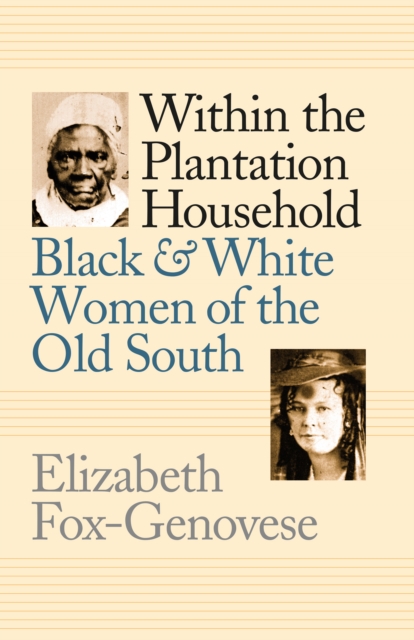
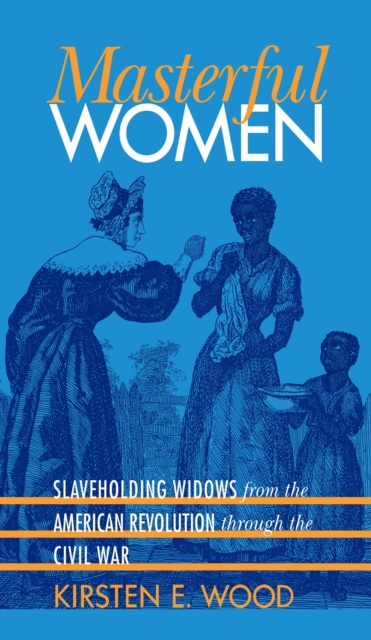
Documenting the difficult class relations between women slaveholders and slave women, this study shows how class and race as well as gender shaped womens experiences and determined their identities.
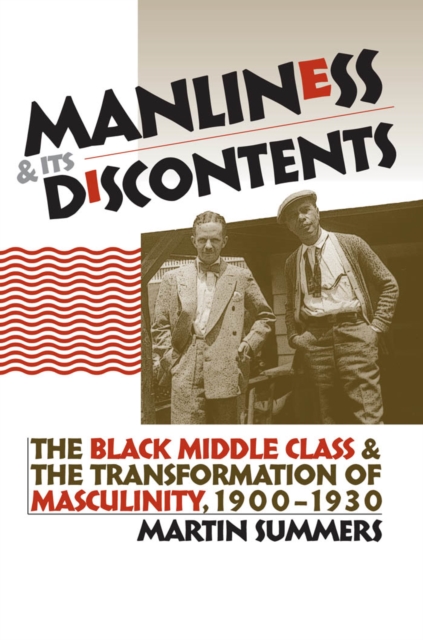
In a pathbreaking new assessment of the shaping of black male identity in the early twentieth century, Martin Summers explores how middle-class African American and African Caribbean immigrant men constructed a gendered sense of self through organizational life, work, leisure, and cultural production.
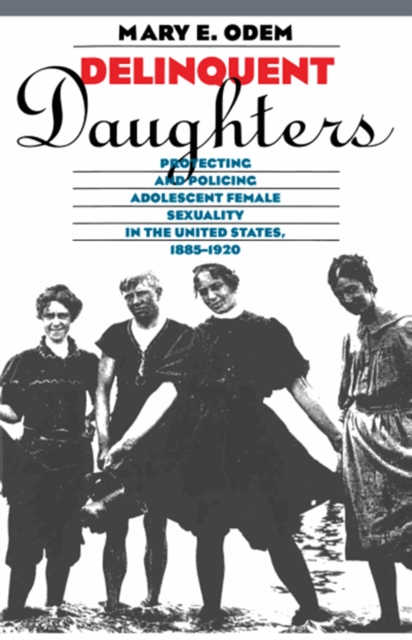
Delinquent Daughters explores the gender, class, and racial tensions that fueled campaigns to control female sexuality in late nineteenth- and early twentieth-century America.
In this comprehensive history of womens antislavery petitions addressed to Congress, Susan Zaeske argues that by petitioning, women not only contributed significantly to the movement to abolish slavery but also made important strides toward securing their own rights and transforming their own political identity.