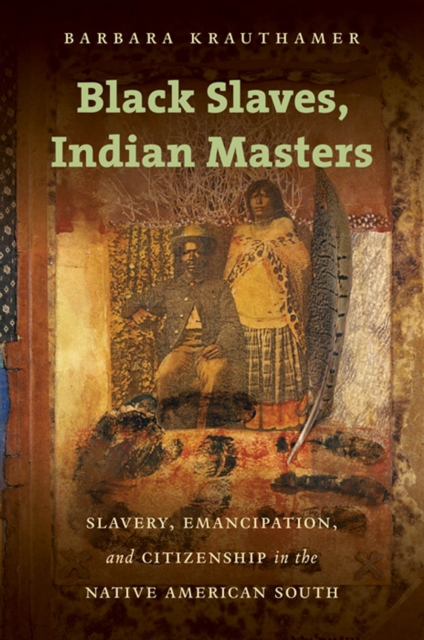
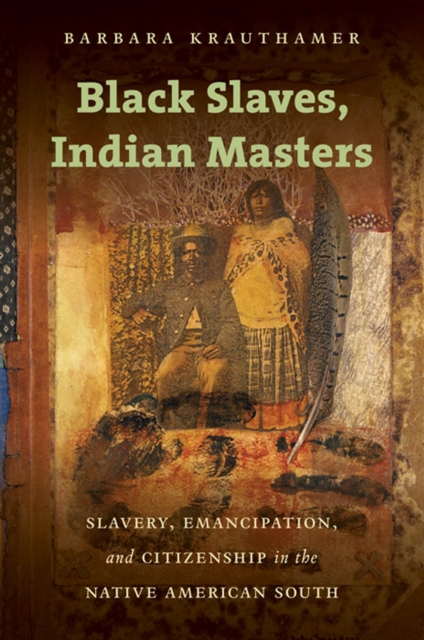
From the late eighteenth century through the end of the Civil War, Choctaw and Chickasaw Indians bought, sold, and owned Africans and African Americans as slaves, a fact that persisted after the tribes' removal from the Deep South to Indian Territory.
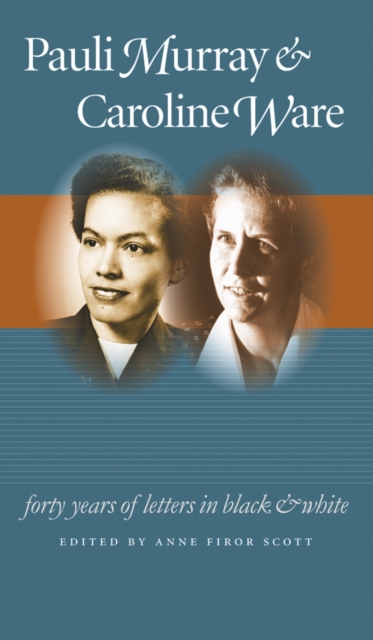
In 1942 Pauli Murray, a young black woman from North Carolina studying law at Howard University, visited a constitutional law class taught by Caroline Ware, one of the nation's leading historians.
From the late eighteenth century through the end of the Civil War, Choctaw and Chickasaw Indians bought, sold, and owned Africans and African Americans as slaves, a fact that persisted after the tribes' removal from the Deep South to Indian Territory.
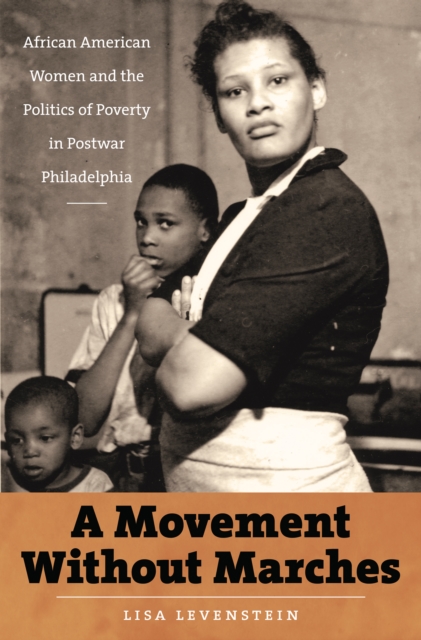
Lisa Levenstein reframes highly charged debates over the origins of chronic African American poverty and the social policies and political struggles that led to the postwar urban crisis.
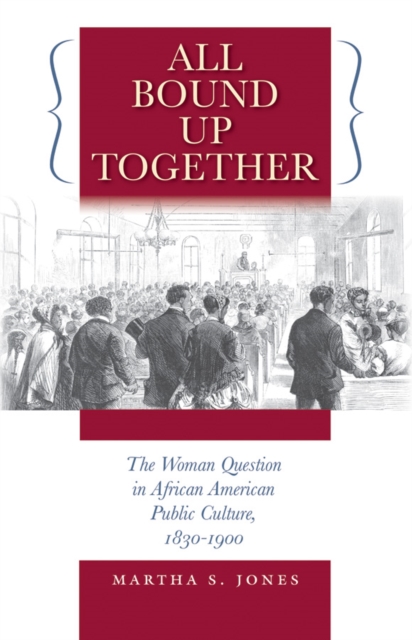
The place of womens rights in African American public culture has been an enduring question, one that has long engaged activists, commentators, and scholars.
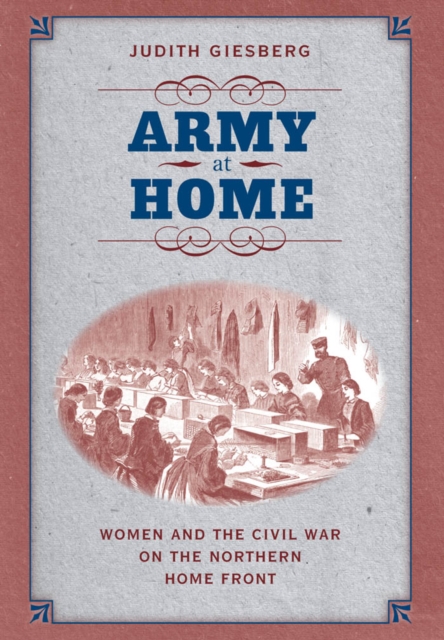
Introducing readers to women whose Civil War experiences have long been ignored, Judith Giesberg examines the lives of working-class women in the North, for whom the home front was a battlefield of its own.
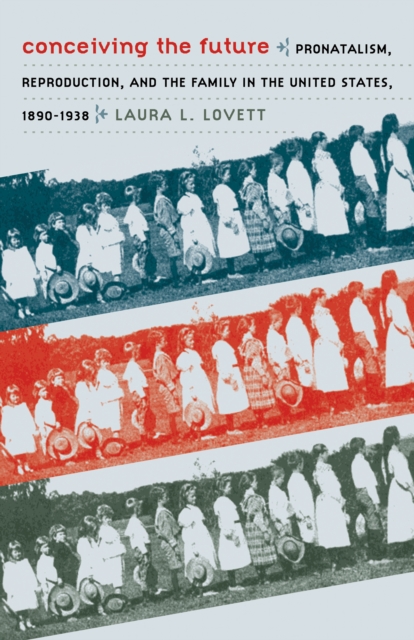
Through nostalgic idealizations of motherhood, family, and the home, influential leaders in early twentieth-century America constructed and legitimated a range of reforms that promoted human reproduction.
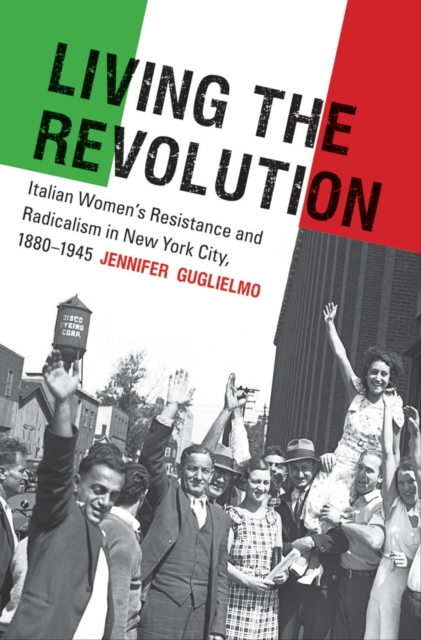
Italians were the largest group of immigrants to the United States at the turn of the twentieth century, and hundreds of thousands led and participated in some of the periods most volatile labor strikes.
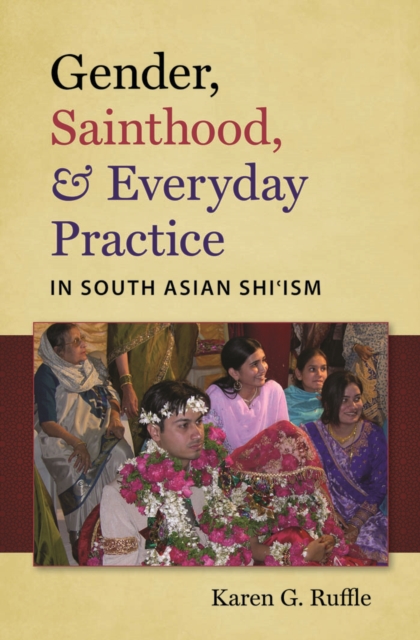
In this study of devotional hagiographical texts and contemporary ritual performances of the Shi'a of Hyderabad, India, Karen Ruffle demonstrates how traditions of sainthood and localized cultural values shape gender roles.
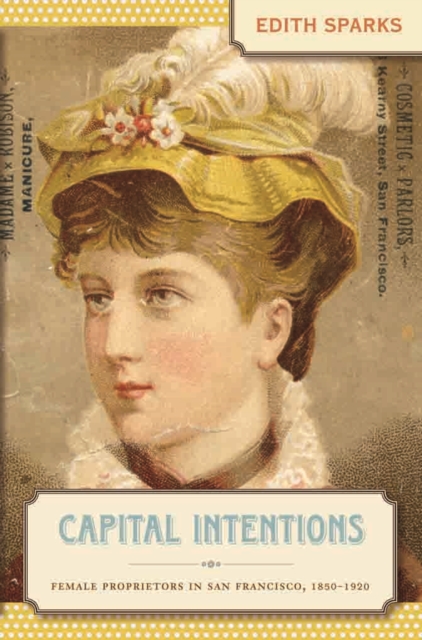
Late nineteenth-century San Francisco was an ethnically diverse but male-dominated society bustling from a rowdy gold rush, earthquakes, and explosive economic growth.
Thirteenth-century Sufi poet, mystic, and legal scholar Muhyi al-Din ibn al-'Arabi gave deep and sustained attention to gender as integral to questions of human existence and moral personhood.
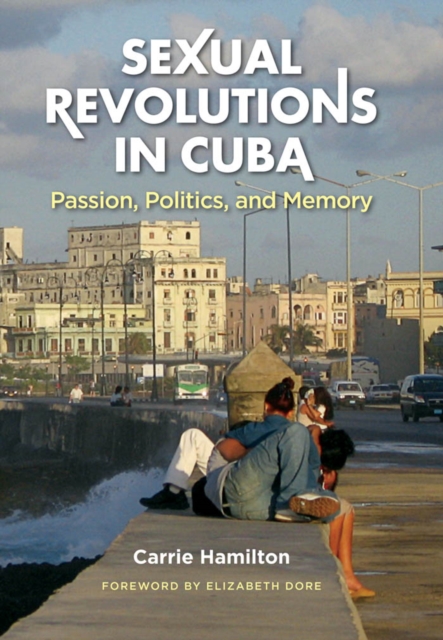
In Sexual Revolutions in Cuba Carrie Hamilton delves into the relationship between passion and politics in revolutionary Cuba to present a comprehensive history of sexuality on the island from the triumph of the Revolution in 1959 into the twenty-first century.
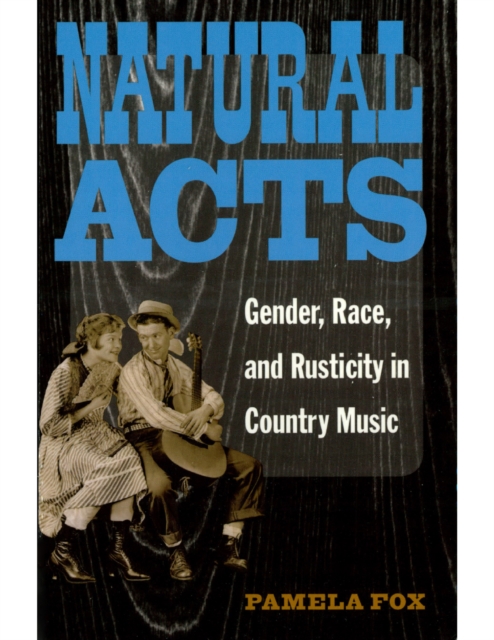
Whether found in country barn dances, the plaintive twang of Hank Williams, the glitzy glamour of Dolly Parton, or the country-pop sound of Faith Hill, country music has always maintained an allegiance to its own authenticity.
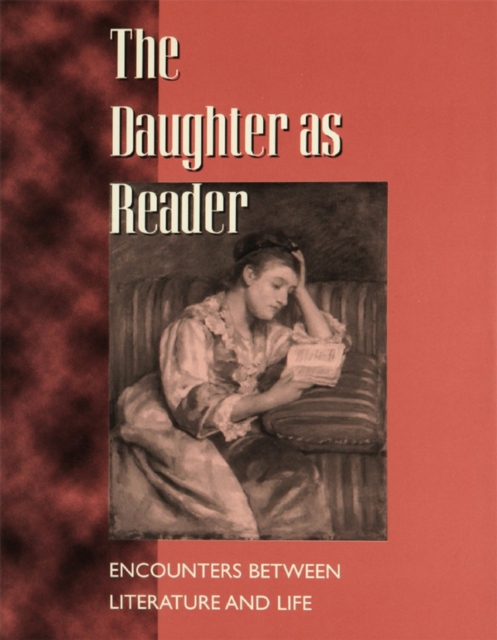
The Daughter as Reader juxtaposes personal narrative with literary criticism to celebrate the ways in which literature enriches and shapes individual experience.
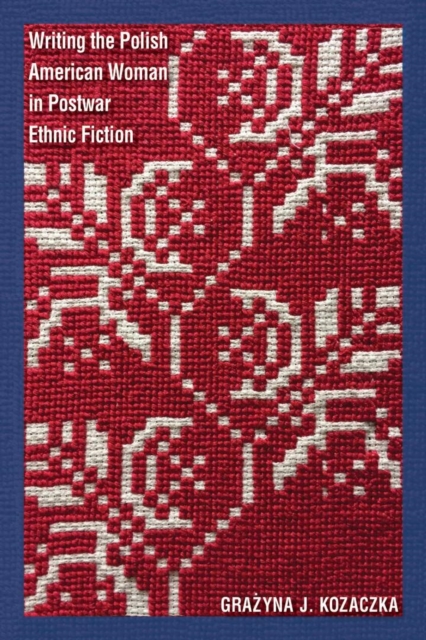
Though often unnoticed by scholars of literature and history, Polish American women have for decades been fighting back against the patriarchy they encountered in America and the patriarchy that followed them from Poland.
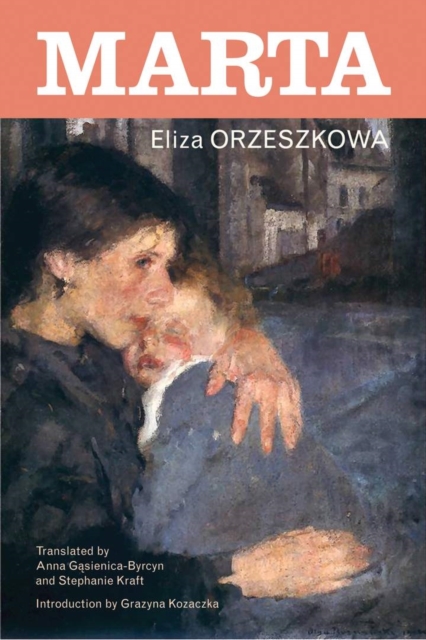
Eliza Orzeszkowa was a trailblazing Polish novelist who, alongside Leo Tolstoy and Henryk Sienkiewicz, was a finalist for the 1905 Nobel Prize in Literature.
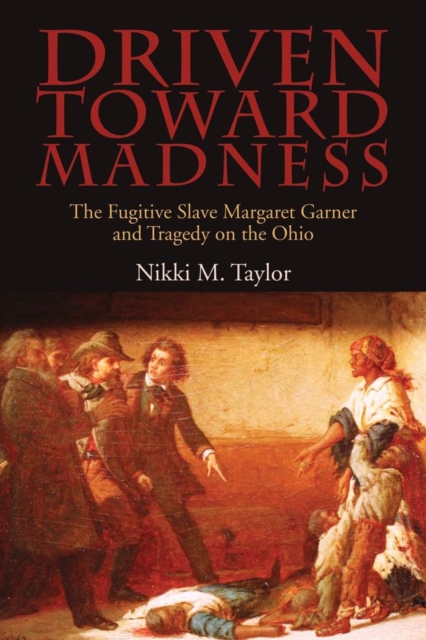
Margaret Garner was the runaway slave who, when confronted with capture just outside of Cincinnati, slit the throat of her toddler daughter rather than have her face a life in slavery.
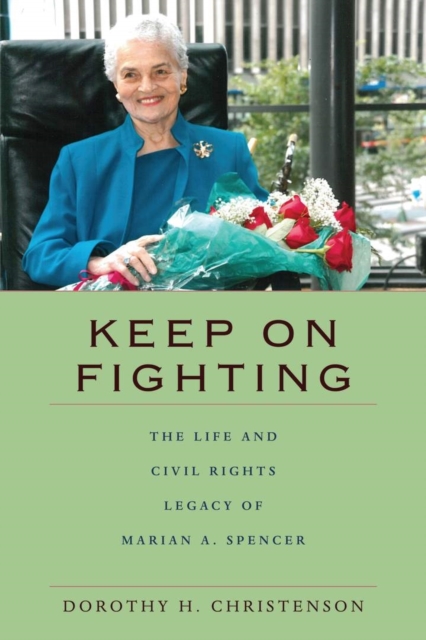
Marian Alexander Spencer was born in 1920 in the Ohio River town of Gallipolis, Ohio, one year after the "e;Red Summer"e; of 1919 that saw an upsurge in race riots and lynchings.
As narrow, nationalist views of patriotic allegiance have become widespread and are routinely invoked to justify everything from flag-waving triumphalism to xenophobic bigotry, the concept of a nonnationalist patriotism has vanished from public conversation.
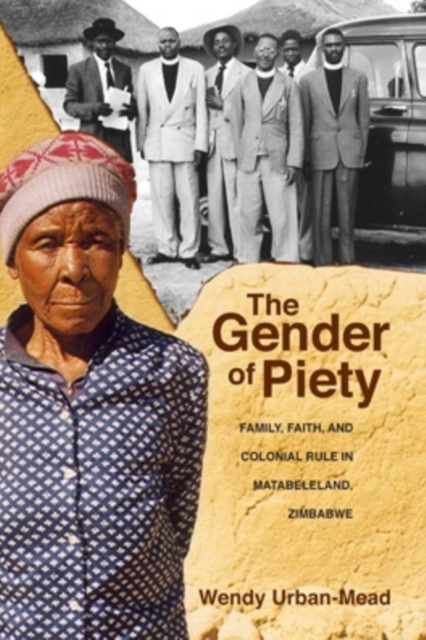
The Gender of Piety is an intimate history of the Brethren in Christ Church in Zimbabwe, or BICC, as related through six individual life histories that extend from the early colonial years through the first decade after independence.
By November 1822, the British reading public had already voraciously consumed both Walter Scott's expensive novels and Rudolf Ackermann's exquisite lithographs.
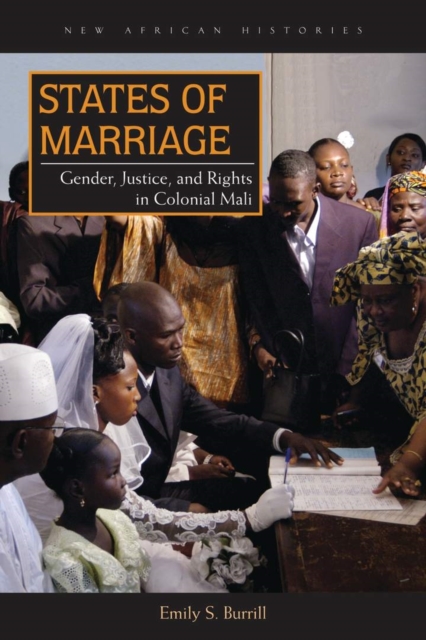
States of Marriage shows how throughout the colonial period in French Sudan (present-day Mali) the institution of marriage played a central role in how the empire defined its colonial subjects as gendered persons with certain attendant rights and privileges.
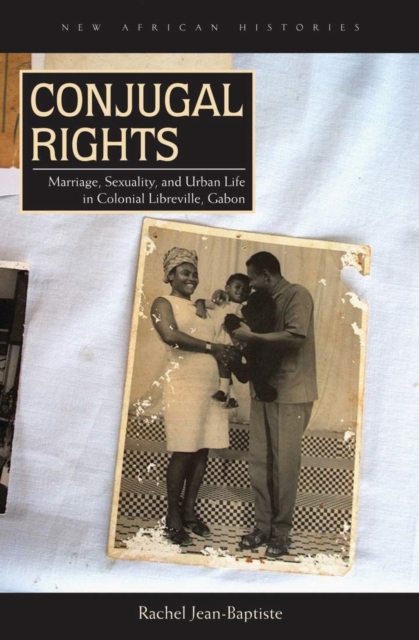
Conjugal Rights is a history of the role of marriage and other arrangements between men and women in Libreville, Gabon, during the French colonial era, from the mid-nineteenth century through 1960.
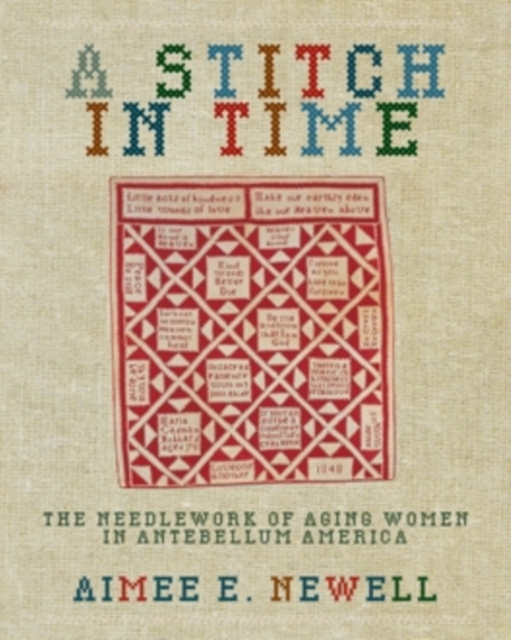
Drawing from 167 examples of decorative needlework-primarily samplers and quilts from 114 collections across the United States-made by individual women aged forty years and over between 1820 and 1860, this exquisitely illustrated book explores how women experienced social and cultural change in antebellum America.
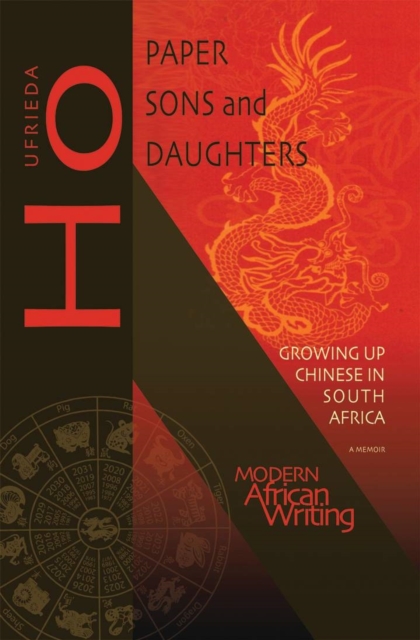
Ufrieda Ho's compelling memoir describes with intimate detail what it was like to come of age in the marginalized Chinese community of Johannesburg during the apartheid era of the 1970s and 1980s.
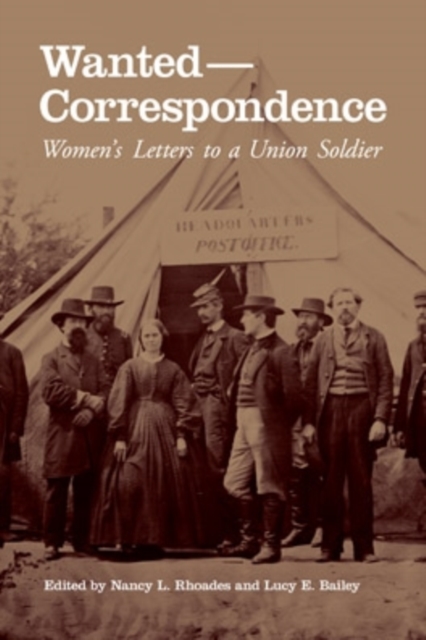
A unique collection of more than 150 letters written to an Ohio serviceman during the American Civil War that offers glimpses of women's lives as they waited, worked, and wrote from the Ohio home front.
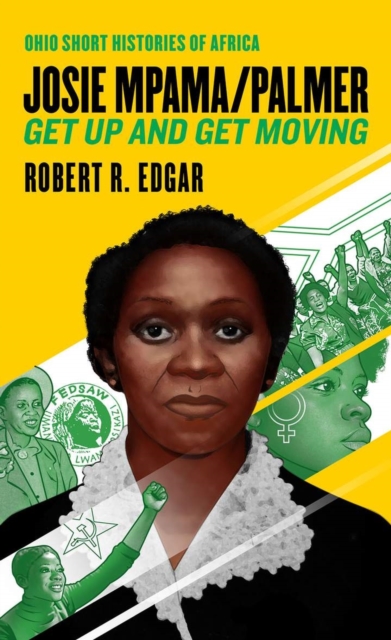
While African National Congress narratives dominate much of the scholarship on South Africa's freedom struggle, Josie Mpama/Palmer's political life offers a different perspective.
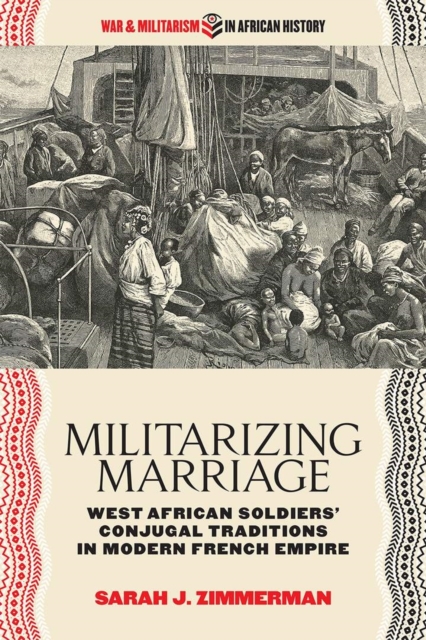
Following tirailleurs senegalais' deployments in West Africa, Congo, Madagascar, North Africa, Syria-Lebanon, Vietnam, and Algeria from the 1880s to 1962, Militarizing Marriage historicizes how African servicemen advanced conjugal strategies with women at home and abroad.
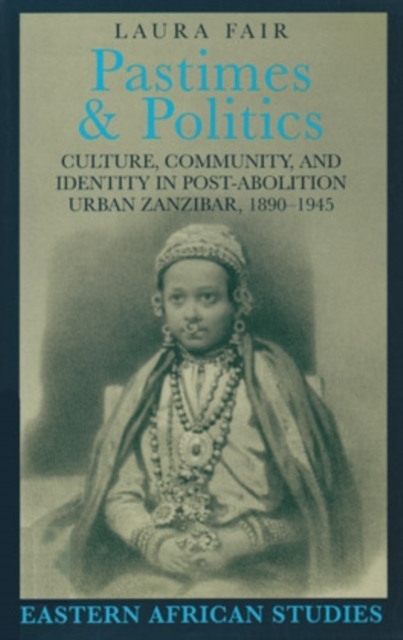
The first decades of the twentieth century were years of dramatic change in Zanzibar, a time when the social, economic, and political lives of island residents were in incredible flux, framed by the abolition of slavery, the introduction of colonialism, and a tide of urban migration.
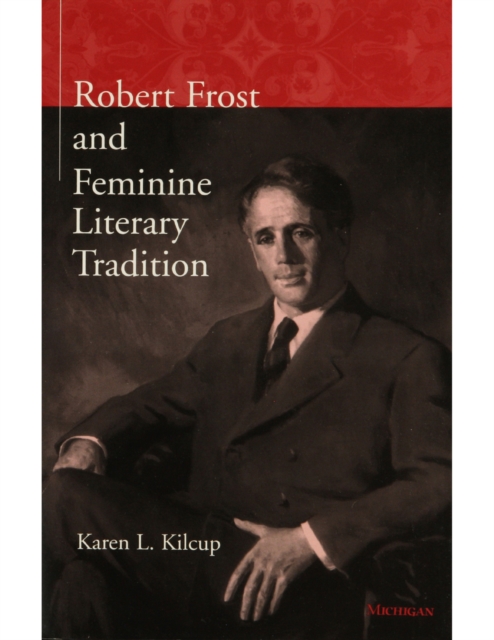
In spite of Robert Frost's continuing popularity with the public, the poet remains an outsider in the academy, where more "e;difficult"e; and "e;innovative"e; poets like T.
The Great Recession punished American workers, leaving many underemployed or trapped in jobs that did not provide the income or opportunities they needed.
In a compelling approach structured as theme and variations, Barbara Sicherman offers insightful profiles of a number of accomplished women born in Americas Gilded Age who lost and found themselves in books, and worked out a new life purpose around them.