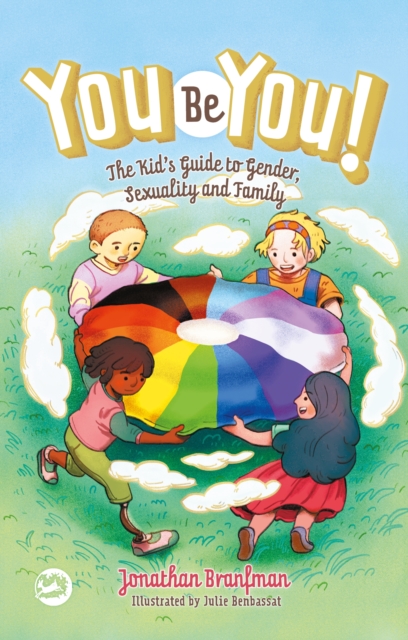
Moonbeam Children's Book Awards Gold Medal WinnerThis is an illustrated children's book for ages 7-11 that makes gender identity, sexual orientation and family diversity easy to explain to children.
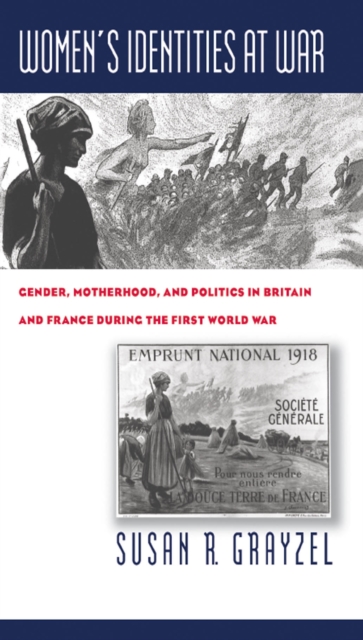
There are few moments in history when the division between the sexes seems as natural as during wartime: men go off to the war front, while women stay behind on the home front.
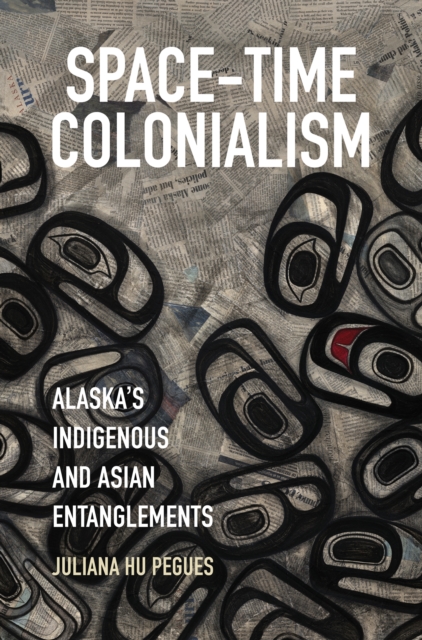
As the enduring last frontier, Alaska proves an indispensable context for examining the form and function of American colonialism, particularly in the shift from western continental expansion to global empire.
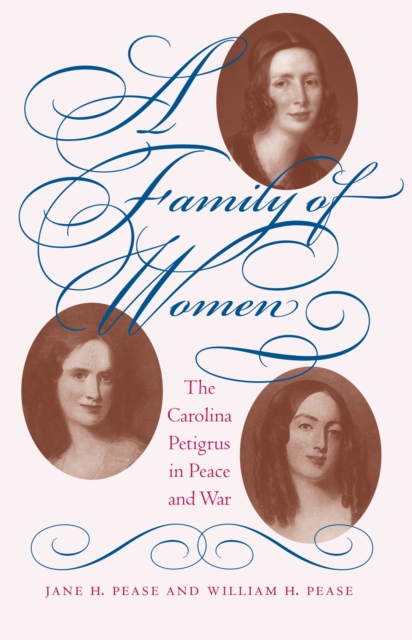
The often-stereotyped belles and matrons of the nineteenth-century South emerge as diverse personalities in this compelling account of three generations of women from a South Carolina family whose fate rose and fell with the fortunes of the state.
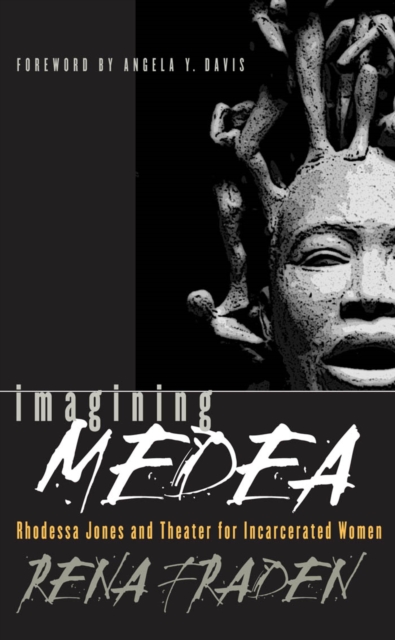
This aint no Dreamgirls, Rhodessa Jones warns participants in the Medea Project, the theater program for incarcerated women that she founded and directs.
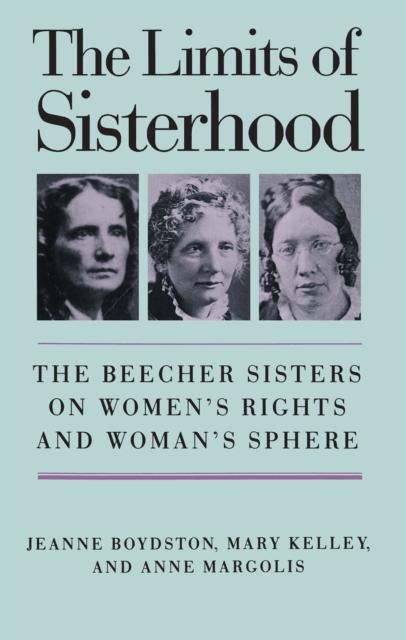
In a century almost continually at odds with the proper place of females, Catherine Esther Beecher, Harriet Beecher Stowe, and Isabella Beecher Hooker shared a commitment to womens power.
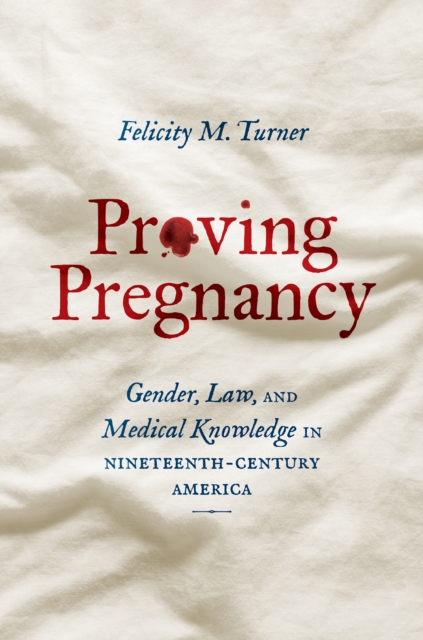
Examining infanticide cases in the United States from the late eighteenth to the late nineteenth centuries, Proving Pregnancy documents how womenBlack and white, enslaved and freegradually lost control over reproduction to male medical and legal professionals.
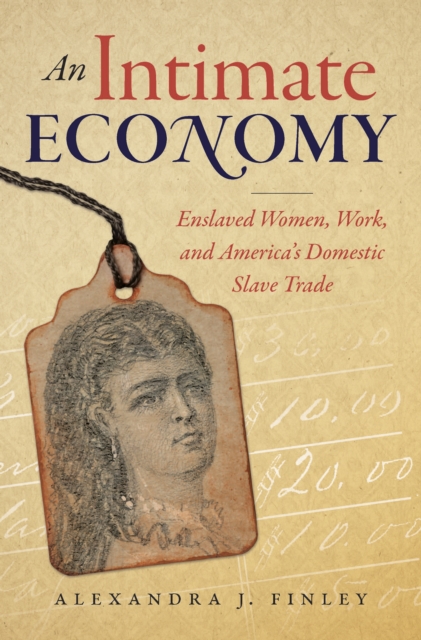
Alexandra Finley adds crucial new dimensions to the boisterous debate over the relationship between slavery and capitalism by placing womens labor at the center of the antebellum slave trade, focusing particularly on slave traders' ability to profit from enslaved womens domestic, reproductive, and sexual labor.
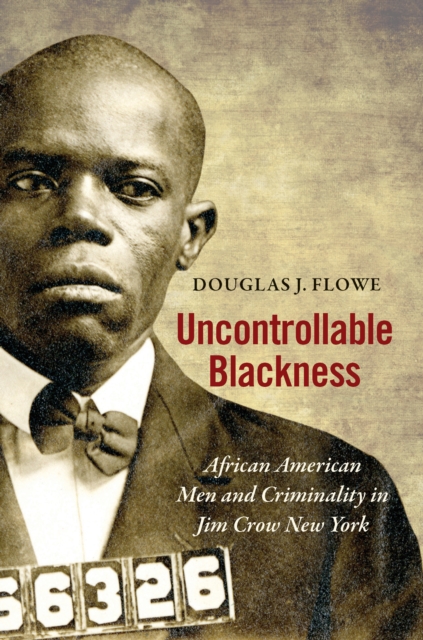
Early twentieth-century African American men in northern urban centers like New York faced economic isolation, segregation, a biased criminal justice system, and overt racial attacks by police and citizens.
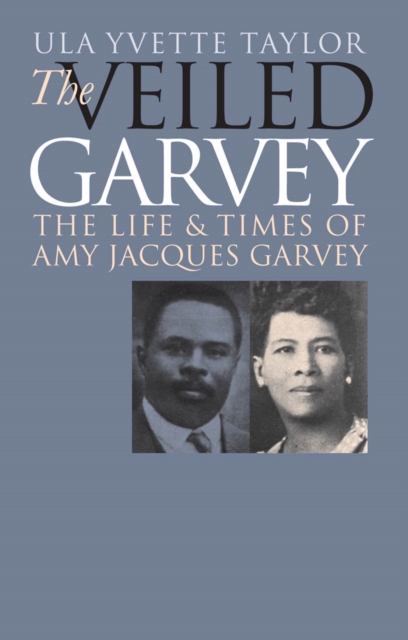
In this biography, Ula Taylor explores the life and ideas of one of the most important, if largely unsung, Pan-African freedom fighters of the twentieth century: Amy Jacques Garvey (18951973).
Thirteenth-century Sufi poet, mystic, and legal scholar Muhyi al-Din ibn al-'Arabi gave deep and sustained attention to gender as integral to questions of human existence and moral personhood.
The first critical study of personal narrative by women with disabilities, Unruly Bodies examines how contemporary writers use life writing to challenge cultural stereotypes about disability, gender, embodiment, and identity.
In a sweeping synthesis of American history, Mary Ryan demonstrates how the meaning of male and female has evolved, changed, and varied over a span of 500 years and across major social and ethnic boundaries.
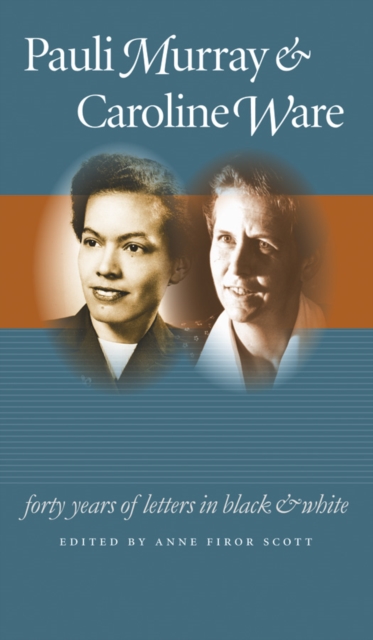
In 1942 Pauli Murray, a young black woman from North Carolina studying law at Howard University, visited a constitutional law class taught by Caroline Ware, one of the nations leading historians.
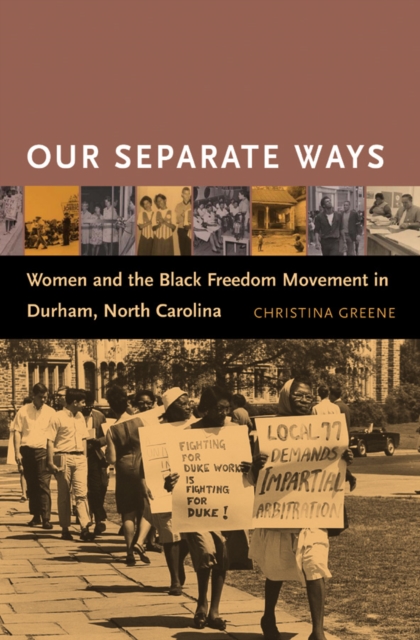
In an in-depth community study of women in the civil rights movement, Christina Greene examines how several generations of black and white women, low-income as well as more affluent, shaped the struggle for black freedom in Durham, North Carolina.
Cristina's son was about to embark on gender-affirming care that would likely cause infertility, when she realised the need to support both her child and the adult he would become, and give him the right to have children of his own.
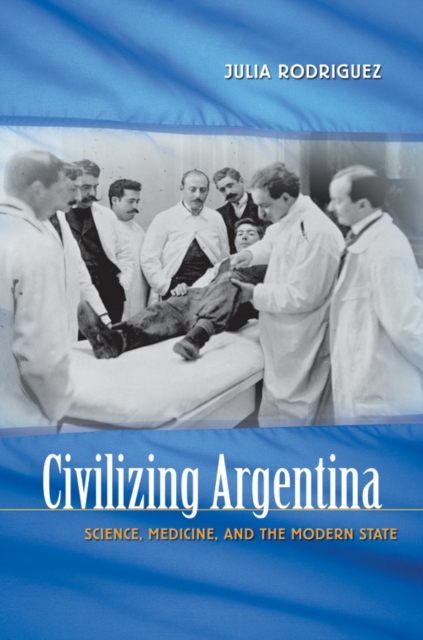
After a promising start as a prosperous and liberal democratic nation at the end of the nineteenth century, Argentina descended into instability and crisis.
Women in public office are often assumed to make a difference for women, as women in other words, to represent their female constituents better than do their male counterparts.
The first major study of slavery in the maritime South, The Watermans Song chronicles the world of slave and free black fishermen, pilots, rivermen, sailors, ferrymen, and other laborers who, from the colonial era through Reconstruction, plied the vast inland waters of North Carolina from the Outer Banks to the upper reaches of tidewater rivers.
On a summer day in 1846 two years before the Seneca Falls convention that launched the movement for womans rights in the United States six women in rural upstate New York sat down to write a petition to their states constitutional convention, demanding equal, and civil and political rights with men.
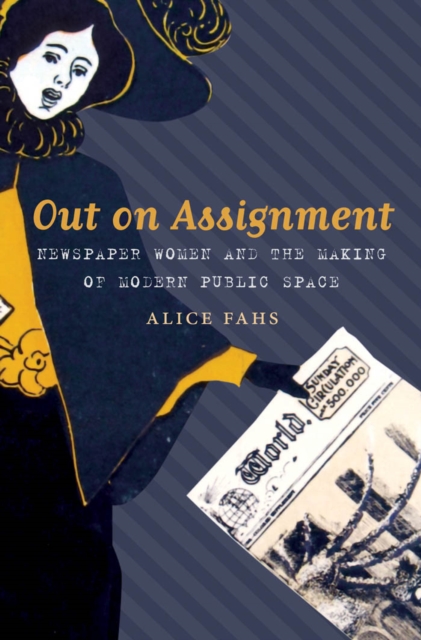
Out on Assignment illuminates the lives and writings of a lost world of women who wrote for major metropolitan newspapers at the start of the twentieth century.
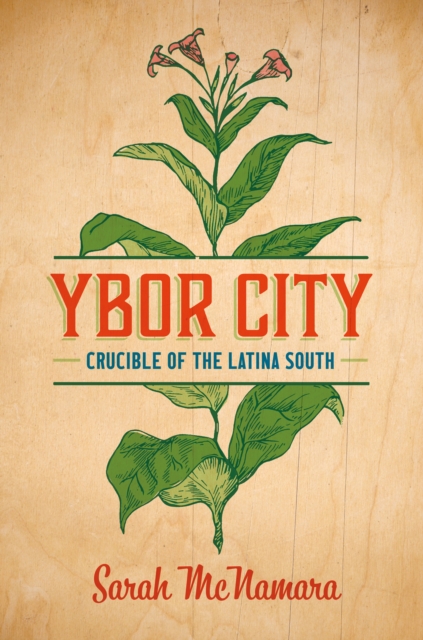
Decades before Miami became Havana USA, a wave of leftist, radical, working-class women and men from prerevolutionary Cuba crossed the Florida Straits, made Ybor City the global capital of the Cuban cigar industry, and established the foundation of latinidad in the Sunshine State.
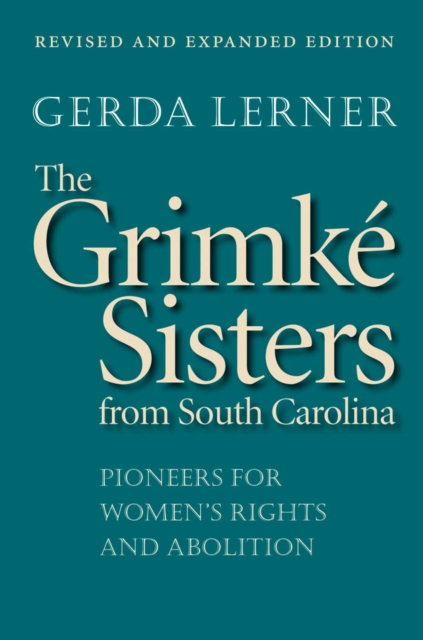
A landmark work of womens history originally published in 1967, Gerda Lerners best-selling biography of Sarah and Angelina Grimk explores the lives and ideas of the only southern women to become antislavery agents in the North and pioneers for womens rights.