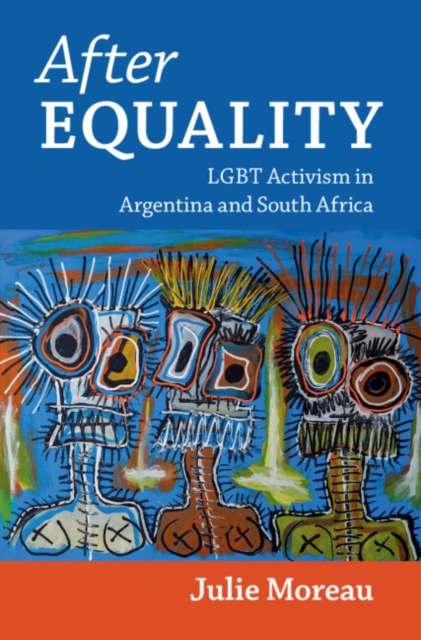
Historians of sexuality agree that the binary divide between gay and straight is a relatively recent social invention, only becoming dominant around the mid-twentieth-century.
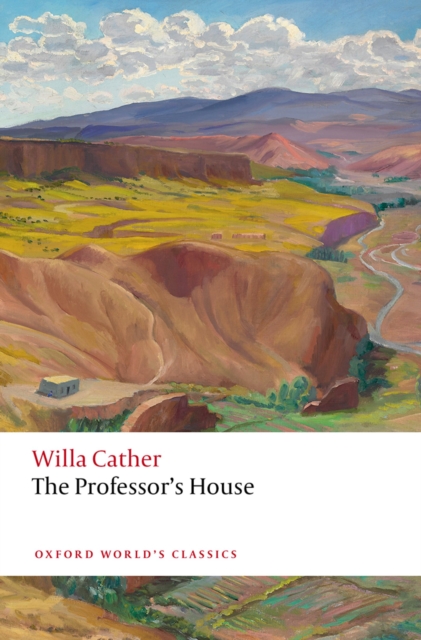
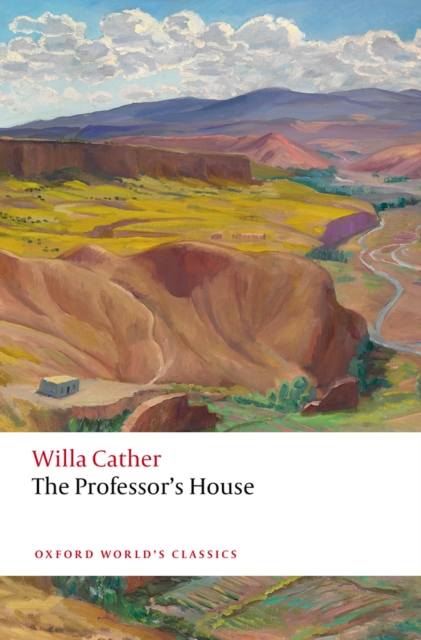
'I knew at once I had come upon the city of some extinct civilization, hidden away in this inaccessible mesa for centuries'The Professor's House (1925) depicts the mid-life crisis of Godfrey St.
'I knew at once I had come upon the city of some extinct civilization, hidden away in this inaccessible mesa for centuries'The Professor's House (1925) depicts the mid-life crisis of Godfrey St.
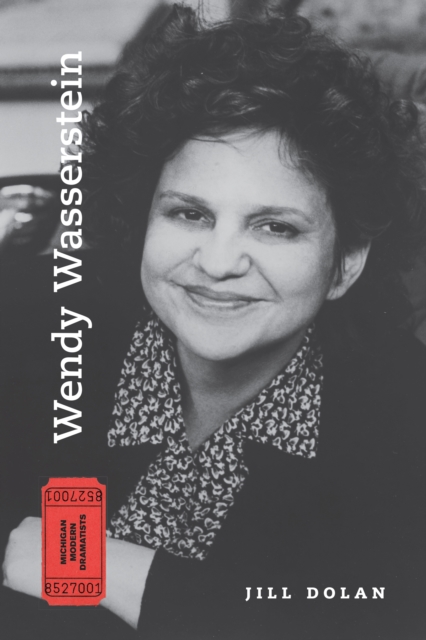
Playwright Wendy Wasserstein (1950-2006), author of The Heidi Chronicles, wrote topical, humorous plays addressing relationships among women and their families, taking the temperature of social moments from the 1960s onward to debate women's rightful place in their professional and personal lives.
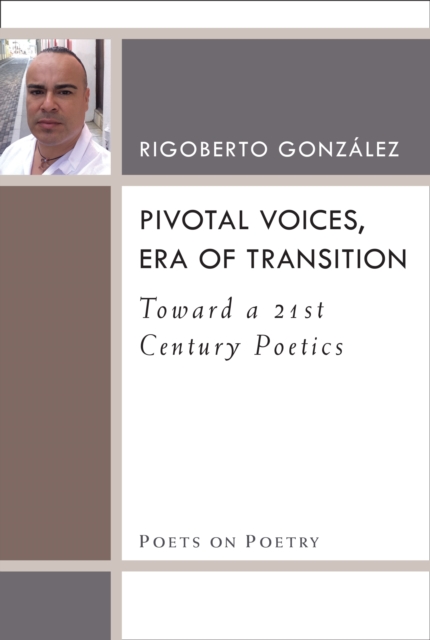
Pivotal Voices, Era of Transition gathers Rigoberto Gonzalez's most important essays and book reviews, many of which consider the work of emerging poets whose identities and political positions are transforming what readers expect from contemporary poetry.
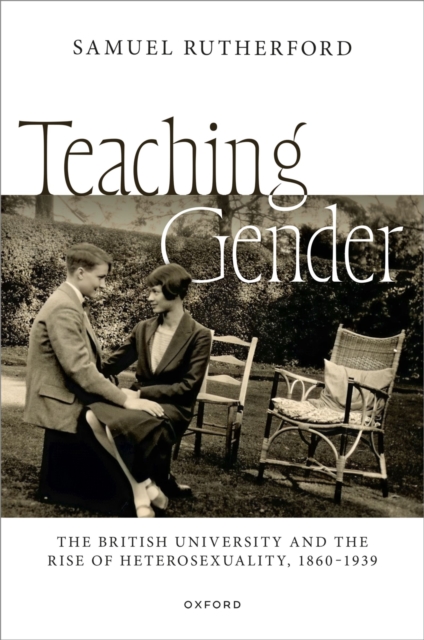
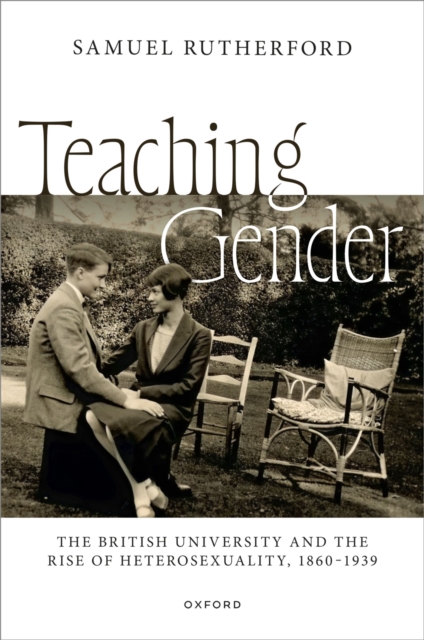
In Britain in the late nineteenth and early twentieth centuries, universities were one of many institutional state structures wherein gender difference, the male breadwinner ideal, and heterosexuality were central to a conception of citizenship.
In Britain in the late nineteenth and early twentieth centuries, universities were one of many institutional state structures wherein gender difference, the male breadwinner ideal, and heterosexuality were central to a conception of citizenship.
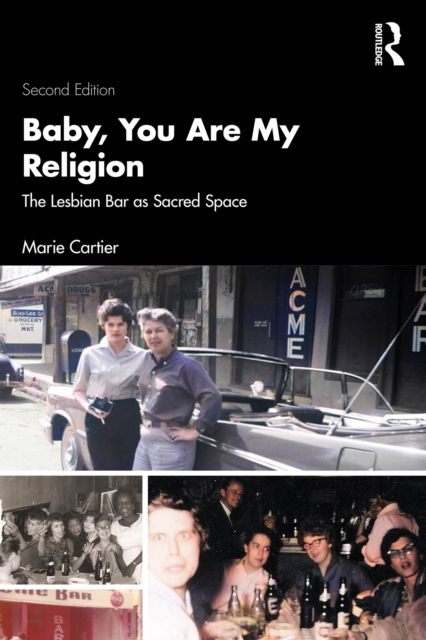
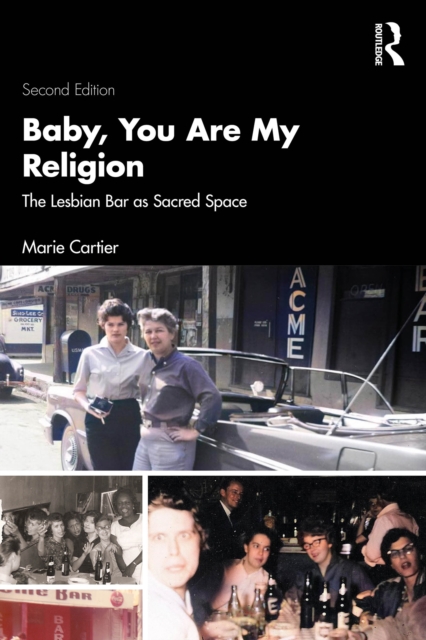
Baby, You Are My Religion: The Lesbian Bar as Sacred Space is a foundational work of lived lesbian and queer theology, which offers an exploration of how lesbian bars served as spiritual havens for queer women.
This volume uses classical liberal thought to present new theoretical and empirical perspectives on freedom of lesbian, gay, bisexual, transgender, and queer (LGBTQ) individuals and communities.
This volume uses classical liberal thought to present new theoretical and empirical perspectives on freedom of lesbian, gay, bisexual, transgender, and queer (LGBTQ) individuals and communities.
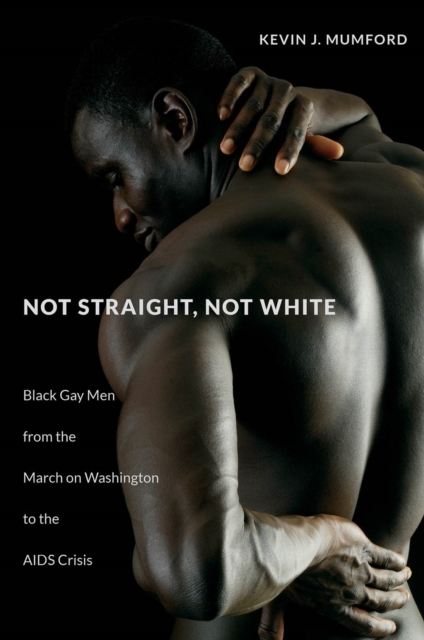
This compelling book recounts the history of black gay men from the 1950s to the 1990s, tracing how the major movements of the timesfrom civil rights to black power to gay liberation to AIDS activismhelped shape the cultural stigmas that surrounded race and homosexuality.
Baby, You Are My Religion: The Lesbian Bar as Sacred Space is a foundational work of lived lesbian and queer theology, which offers an exploration of how lesbian bars served as spiritual havens for queer women.
This compelling book recounts the history of black gay men from the 1950s to the 1990s, tracing how the major movements of the timesfrom civil rights to black power to gay liberation to AIDS activismhelped shape the cultural stigmas that surrounded race and homosexuality.
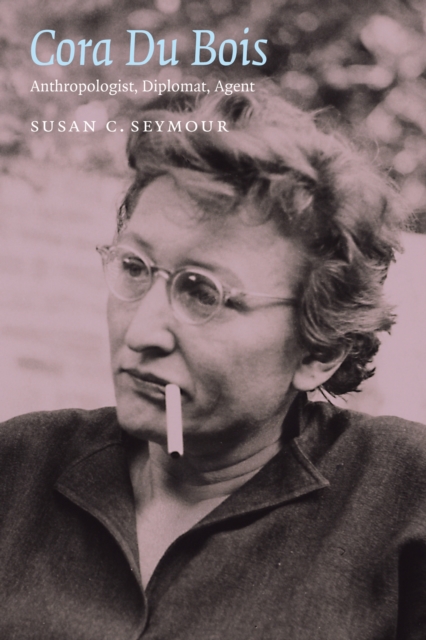
Although Cora Du Bois began her life in the early twentieth century as a lonely and awkward girl, her intellect and curiosity propelled her into a remarkable life as an anthropologist and diplomat in the vanguard of social and academic change.
This edited volume focuses on a key notion in Queer Theory and activism: challenging, resisting and subverting contestations to the identitarian expression and performance of LGBTIQ+ (lesbian, gay, bisexual, trans*, intersex, queer/querying etc.
This edited volume focuses on a key notion in Queer Theory and activism: challenging, resisting and subverting contestations to the identitarian expression and performance of LGBTIQ+ (lesbian, gay, bisexual, trans*, intersex, queer/querying etc.
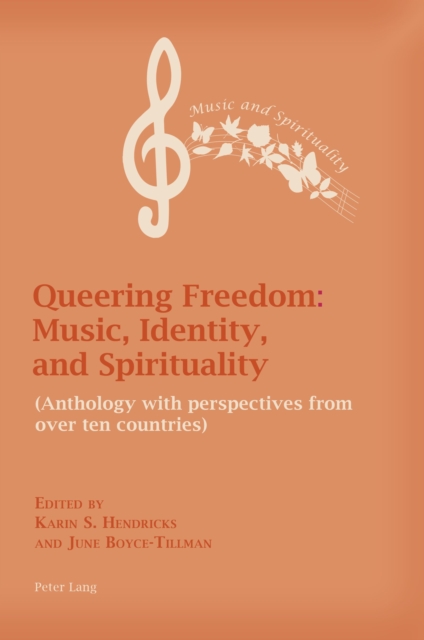
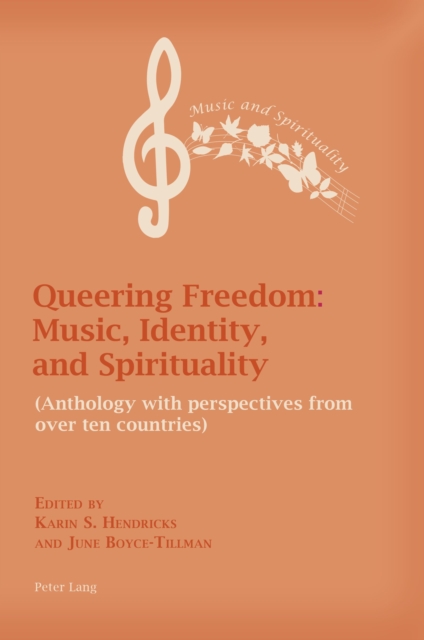
This book is intended to challenge the status quo of music learning and experience by intersecting various musical topics with discussions of spirituality and queer studies.
This book is intended to challenge the status quo of music learning and experience by intersecting various musical topics with discussions of spirituality and queer studies.
Even as substantial legal and social victories are being celebrated within the gay rights movement, much of working-class America still exists outside the current narratives of gay liberation.
Even as substantial legal and social victories are being celebrated within the gay rights movement, much of working-class America still exists outside the current narratives of gay liberation.
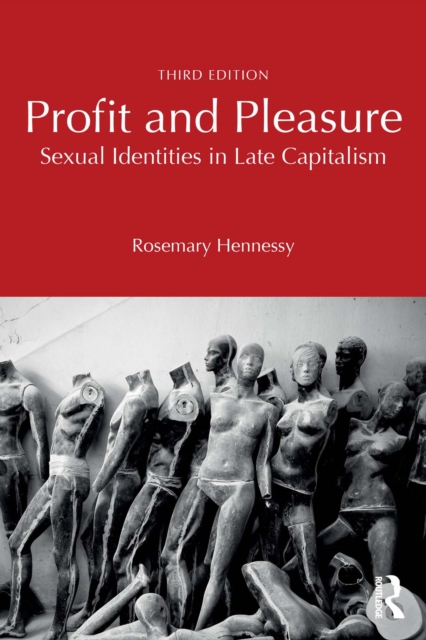
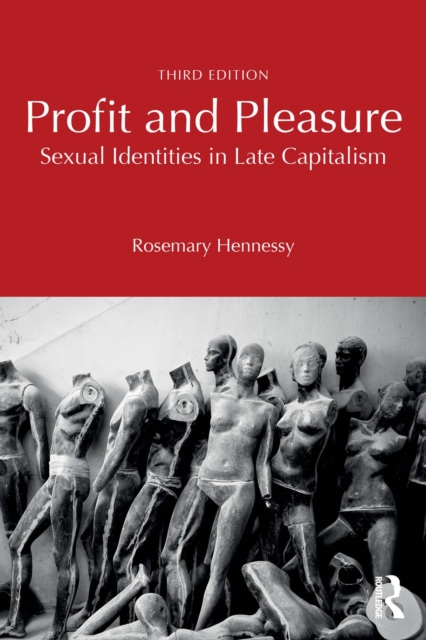
This new edition of Profit and Pleasure: Sexual Identities in Late Capitalism explores how sexual identities have been shaped, differentiated, and commodified through the cultural and economic logics of capitalism.
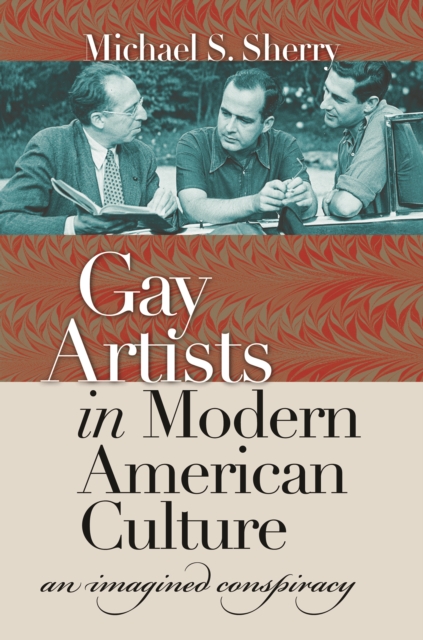
Today it is widely recognized that gay men played a prominent role in defining the culture of mid-twentieth-century America, with such icons as Tennessee Williams, Edward Albee, Aaron Copland, Samuel Barber, Montgomery Clift, and Rock Hudson defining much of what seemed distinctly American on the stage and screen.
This new edition of Profit and Pleasure: Sexual Identities in Late Capitalism explores how sexual identities have been shaped, differentiated, and commodified through the cultural and economic logics of capitalism.
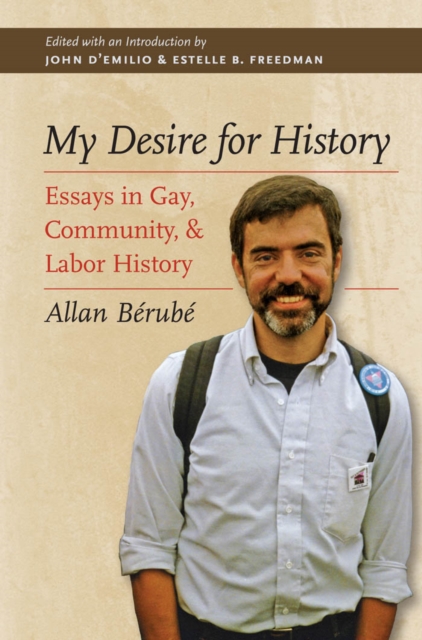
This anthology pays tribute to Allan Brub (19462007), a self-taught historian and MacArthur Fellow who was a pioneer in the study of lesbian and gay history in the United States.
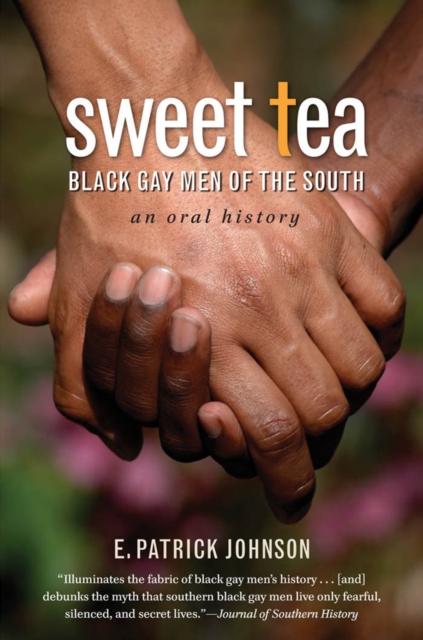
Giving voice to a population too rarely acknowledged, Sweet Tea collects more than sixty life stories from black gay men who were born, raised, and continue to live in the South.
Viewing contemporary history from the perspective of the AIDS crisis, Jennifer Brier provides rich, new understandings of the United States' complex social and political trends in the post-1960s era.
Viewing contemporary history from the perspective of the AIDS crisis, Jennifer Brier provides rich, new understandings of the United States' complex social and political trends in the post-1960s era.
Today it is widely recognized that gay men played a prominent role in defining the culture of mid-twentieth-century America, with such icons as Tennessee Williams, Edward Albee, Aaron Copland, Samuel Barber, Montgomery Clift, and Rock Hudson defining much of what seemed distinctly American on the stage and screen.