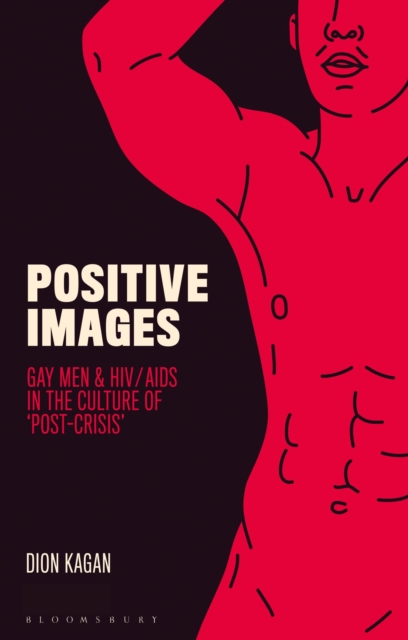
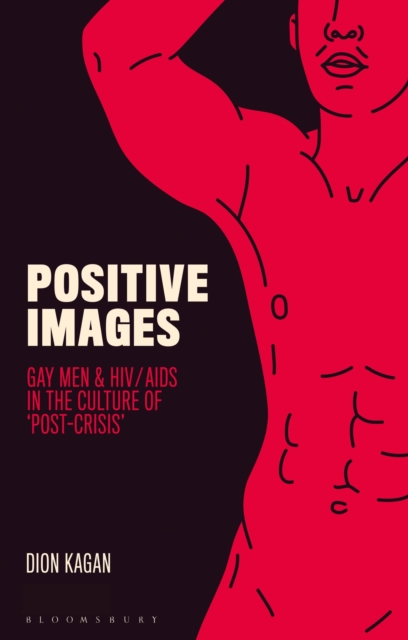
Gay culture has become a nightmare of consumerism, whether it's an endless quest for Absolut vodka, Diesel jeans, rainbow Hummers, pec implants, or Pottery Barn.
This is My Body is a compelling and unforgettably powerful story of trauma, illness, recovery and transformation, told with honesty, courage and resilient good humour.
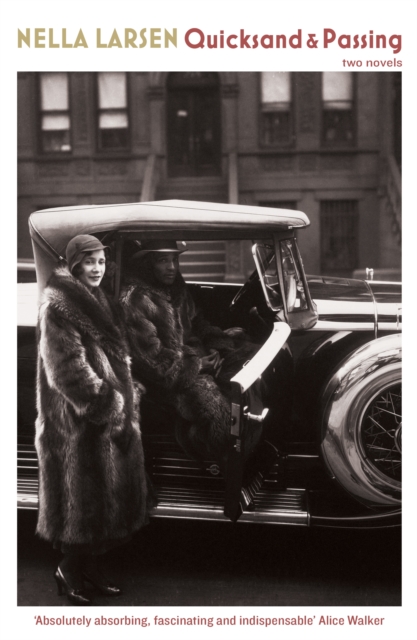
'I was probably 14 when I first read it, and it's withstood the test of time' BERNARDINE EVARISTO A major motion picture starring Tessa Thompson, Ruth Negga and Alexander SkarsgardA writer of the Harlem Renaissance, Nella Larsen wrote just two novels, published here, and a handful of short stories.
Whether you're planning a lavish party or just indulging in a nightcap, The Classic Cocktail Bible gives you a range of inspirations to create the best of the exotic and the timeless cocktails.
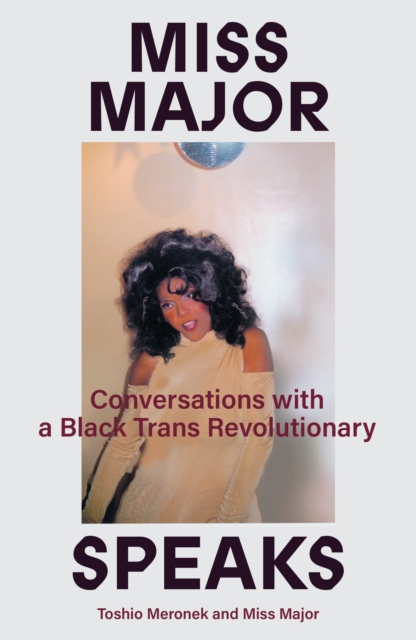
Miss Major Griffin-Gracy is a veteran of the infamous Stonewall Riots, a former sex worker, and a transgender elder and activist who has survived Bellevue psychiatric hospital, Attica Prison, the HIV/AIDS crisis and a world that white supremacy has built.
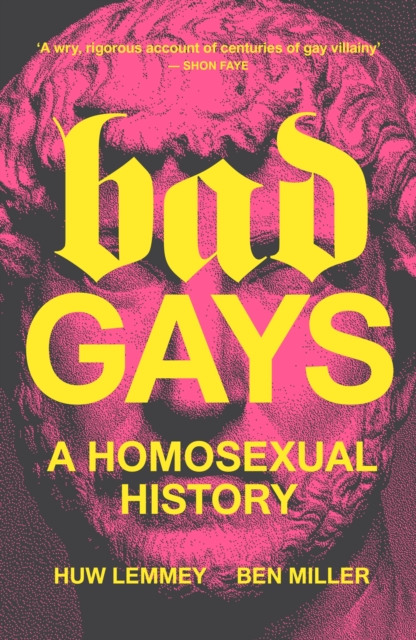
Too many popular histories seek to establish heroes, pioneers and martyrs but as Huw Lemmey and Ben Miller argue, the past is filled with queer people whose sexualities and/or dastardly deeds have been overlooked.
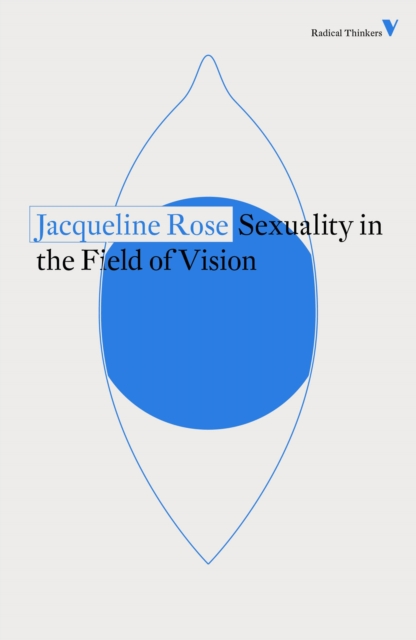
A pivotal work in the history of feminism and a groundbreaking intervention into film theory, Sexuality in the Field of Vision is a brilliantly original exploration of the interface between feminism, psychoanalysis, semiotics and film theory
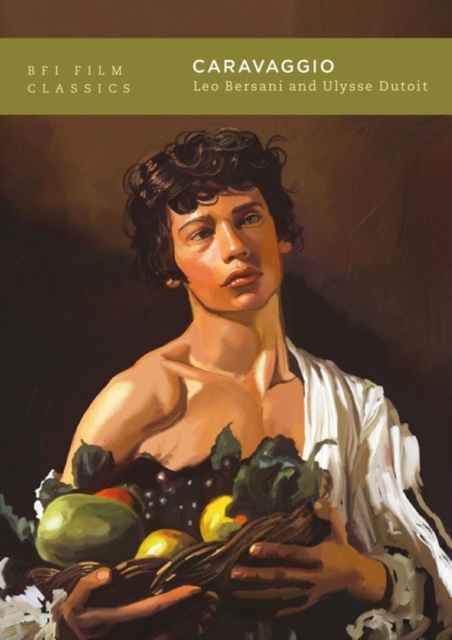
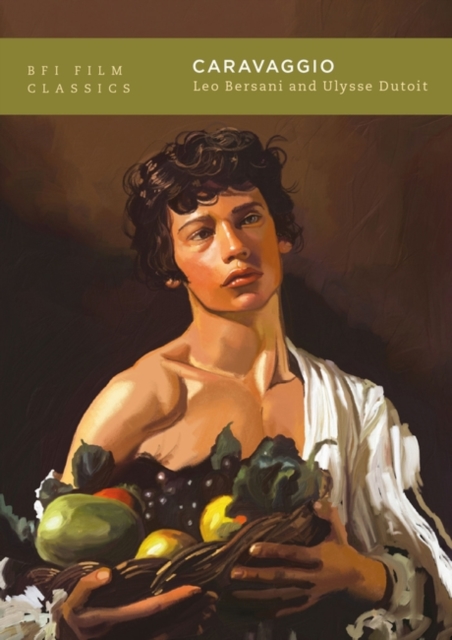
Caravaggio (1986), Derek Jarman's portrait of the Italian Baroque artist, shows the painter at work with models drawn from Rome's homeless and prostitutes, and his relationship with two very different lovers: Ranuccio, played by Sean Bean, and Lena, played by Tilda Swinton.
Caravaggio (1986), Derek Jarman's portrait of the Italian Baroque artist, shows the painter at work with models drawn from Rome's homeless and prostitutes, and his relationship with two very different lovers: Ranuccio, played by Sean Bean, and Lena, played by Tilda Swinton.
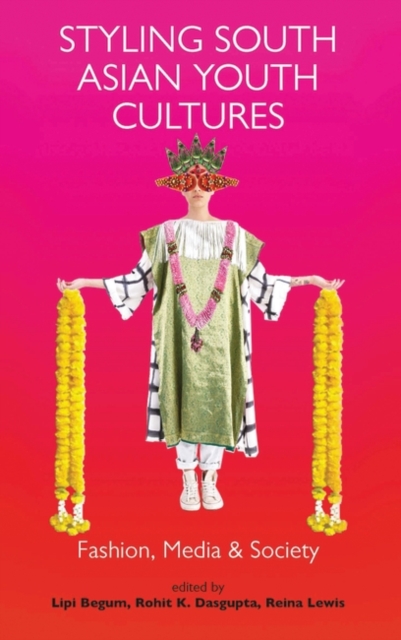
For South Asia, fashion and consumption have come to play an increasingly important role in the lives of young people and in the formation of youth cultures.
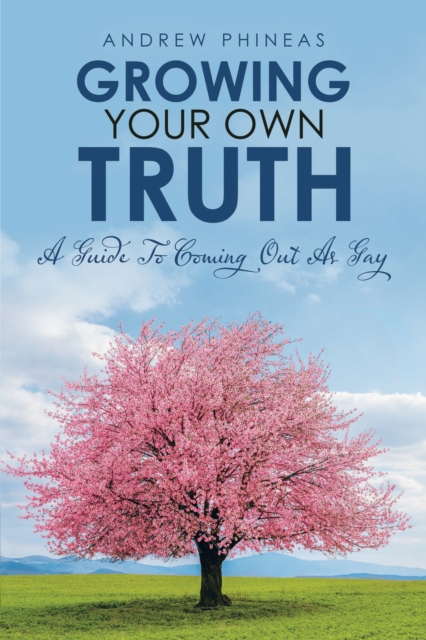
Growing Your Own Truth is a deconstruction of the gay coming out process, as well as a defense of the concept of "e;personal truth,"e; with many personal stories, examples and applications to relationships in general.
Este libro es una creación de Manuel García, una auténtica mina de placeres prohibidos y encuentros apasionados, diseñada especialmente para satisfacer los apetitos eróticos más audaces de los lectores adultos homosexuales.
They Must Be Represented examines documentary in print, photography, television and film from the 1930s through the 1980s, using the lens of recent feminist film theory as well as scholarship on race, class and gender emerging from the new interdisciplinary approach of American cultural studies.
These provocative essays explore the links between literature, history and politics, through an examination of the work of Cervantes, Tolstoy, Proust, Musil, Roth, Platonov, Soltzhenitsyn, Grossman, Munif, Rushdie and others.
Gender and sexuality have long held an important place in western attitudes towards the people and regions of the world-from the titillating accounts of harem life in the Middle East to terrifying captivity narratives of North America.
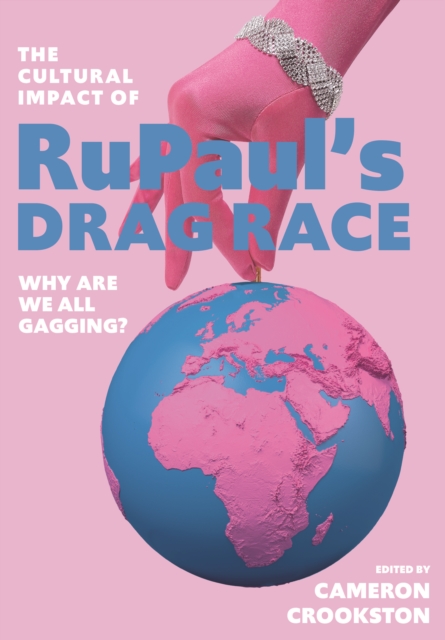
Insightful, provocative and now in paperback, The Cultural Impact of RuPaul's Drag Race is a collection of original material that goes beyond simple analysis of the show and examines the profound effect that RuPaul's Drag Race has had on the cultures that surround it: audience cultures, economics, branding, queer politics and all points in between.
Insightful, provocative and now in paperback, The Cultural Impact of RuPaul's Drag Race is a collection of original material that goes beyond simple analysis of the show and examines the profound effect that RuPaul's Drag Race has had on the cultures that surround it: audience cultures, economics, branding, queer politics and all points in between.
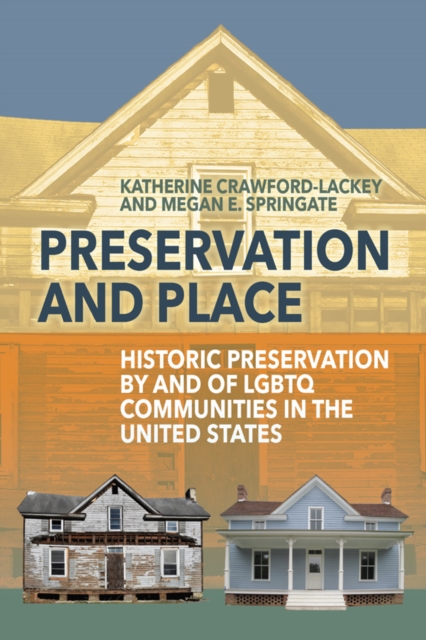
Significant historic and archaeological sites affiliated with two-spirit, lesbian, gay, bisexual, transgender, and queer history in the United States are examined in this unique volume.
Come Together tells the incredible story of the emerging radicalism of the Gay Liberation Front, providing a vivid history of the movement, as well as the new ideas and practices it gave rise to across the United Kingdom.
Though the interpretations of the interplay between sexism and capitalism, between the personal and the political, vary across this spectacularly wide ranging collection, each essay shares two fundamental premises.
American Homo offers a sweeping interpretation of the political, cultural and economic struggles of lesbian, gay and bisexual people to reveal how sexual minorities have challenged and changed American society.
This book which combines the methods and results of both Freud and Marx is by one of the leaders of the West German student left during its most militant phase in the late 1960s.