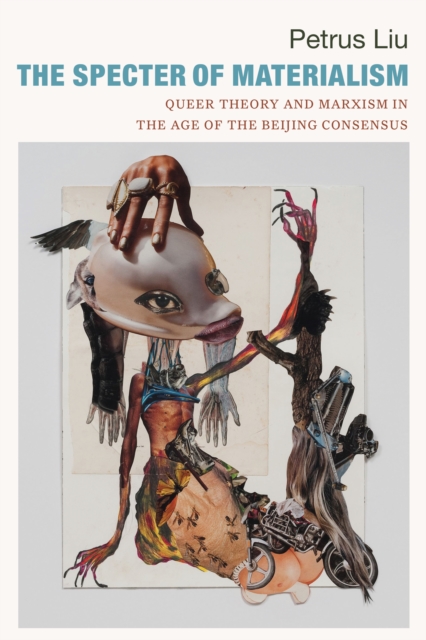
In recent years, queer theory appears to have made a materialist turn away from questions of representation and performativity to those of dispossession, precarity, and the differential distribution of life chances.
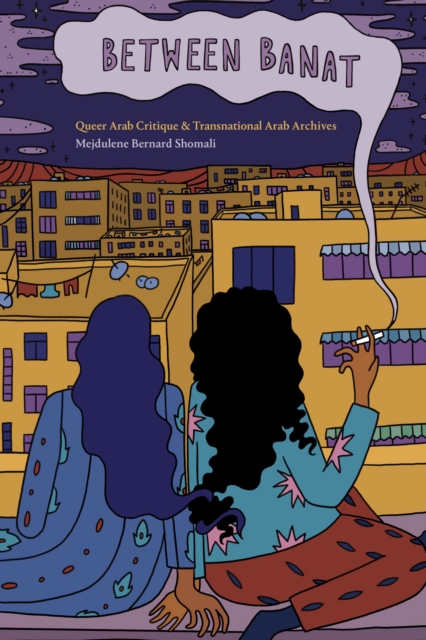
In Between Banat Mejdulene Bernard Shomali examines homoeroticism and nonnormative sexualities between Arab women in transnational Arab literature, art, and film.
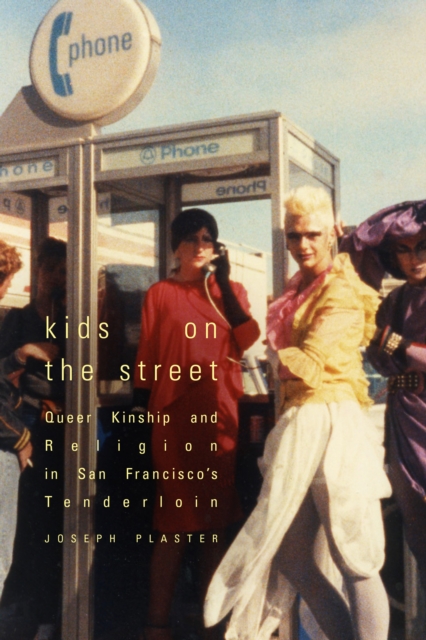
In Kids on the Street Joseph Plaster explores the informal support networks that enabled abandoned and runaway queer youth to survive in tenderloin districts across the United States.
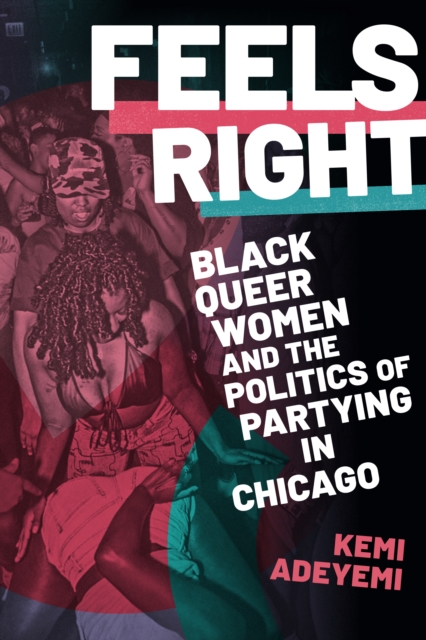
In Feels Right Kemi Adeyemi presents an ethnography of how black queer women in Chicago use dance to assert their physical and affective rights to the city.
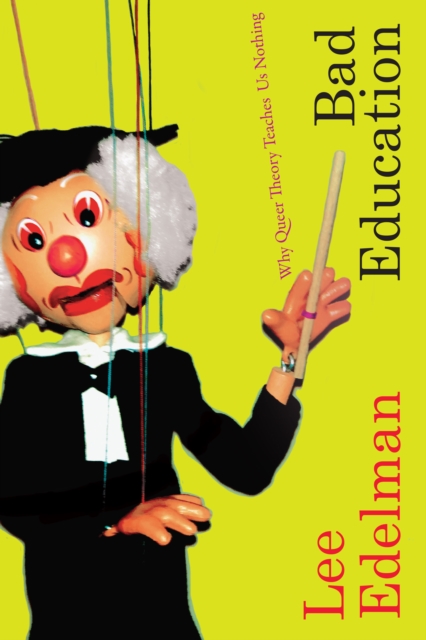
Long awaited after No Future, and making queer theory controversial again, Lee Edelman's Bad Education proposes a queerness without positive identity-a queerness understood as a figural name for the void, itself unnamable, around which the social order takes shape.
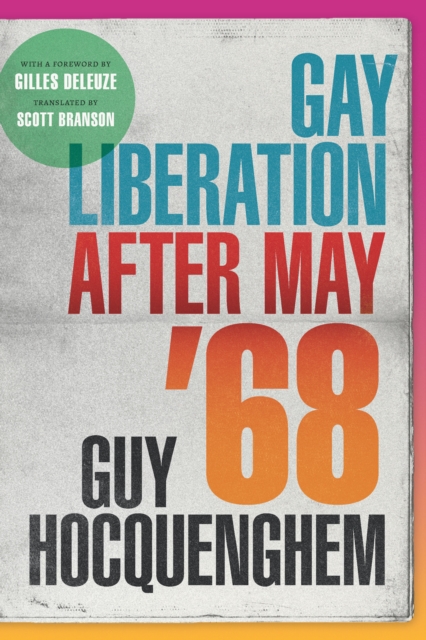
In Gay Liberation after May '68, first published in France in 1974 and appearing here in English for the first time, Guy Hocquenghem details the rise of the militant gay liberation movement alongside the women's movement and other revolutionary organizing.
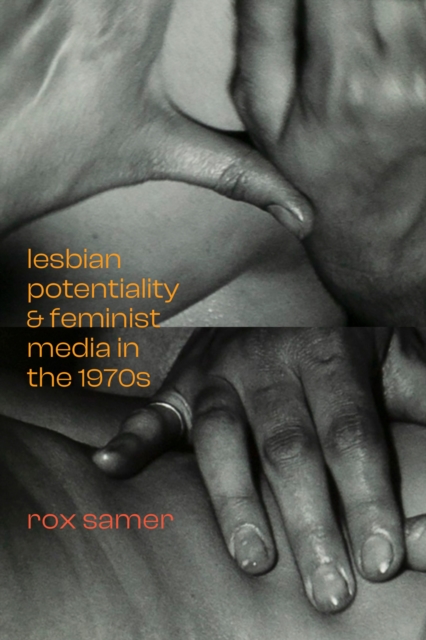
In Lesbian Potentiality and Feminist Media in the 1970s, Jed Samer explores how 1970s feminists took up the figure of the lesbian in broad attempts to reimagine gender and sexuality.
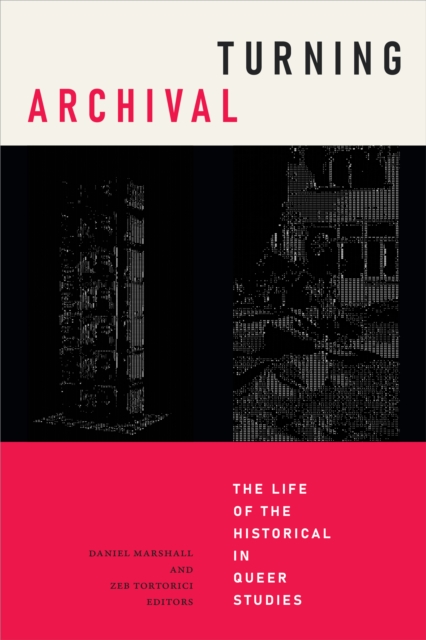
The contributors to Turning Archival trace the rise of "e;the archive"e; as an object of historical desire and study within queer studies and examine how it fosters historical imagination and knowledge.
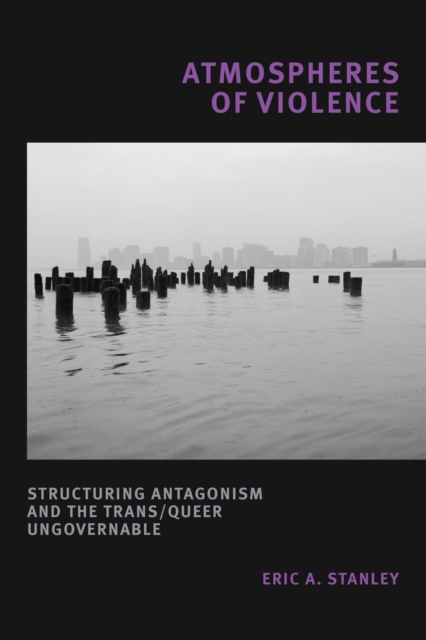
Advances in LGBTQ rights in the recent past-marriage equality, the repeal of Don't Ask, Don't Tell, and the expansion of hate crimes legislation-have been accompanied by a rise in attacks against trans, queer and/or gender-nonconforming people of color.
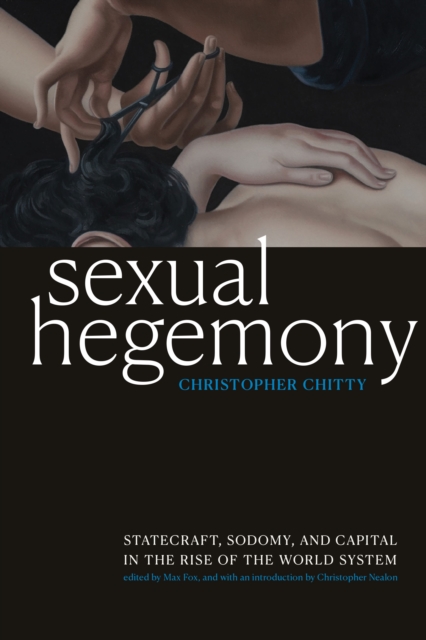
In Sexual Hegemony Christopher Chitty traces the five-hundred year history of capitalist sexual relations by excavating the class dynamics of the bourgeoisie's attempts to regulate homosexuality.
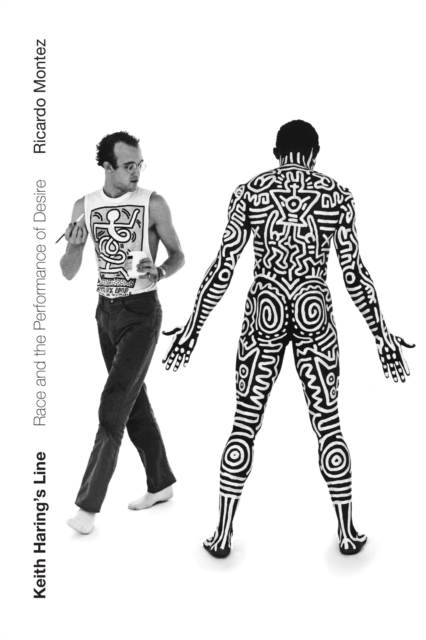
In the thirty years since his death, Keith Haring-a central presence on the New York downtown scene of the 1980s-has remained one of the most popular figures in contemporary American art.
For decades, lesbian feminists across the United States and Canada have created information to build movements and survive in a world that doesn't want them.
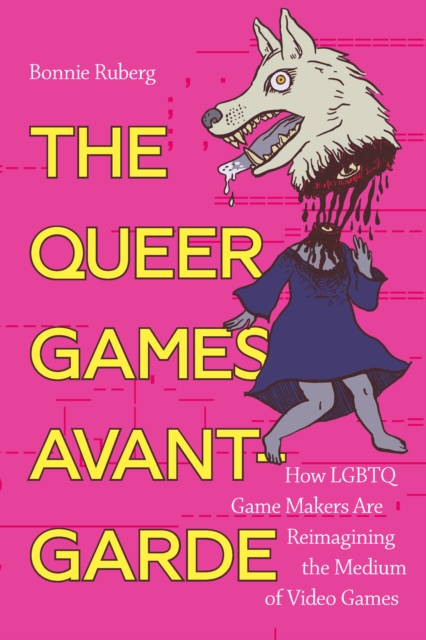
In The Queer Games Avant-Garde, Bonnie Ruberg presents twenty interviews with twenty-two queer video game developers whose radical, experimental, vibrant, and deeply queer work is driving a momentous shift in the medium of video games.
Over the course of her long career, Eve Kosofsky Sedgwick became one of the most important voices in queer theory, and her calls for reparative criticism and reading practices grounded in affect and performance have transformed understandings of affect, intimacy, politics, and identity.
In Shimmering Images Eliza Steinbock traces how cinema offers alternative ways to understand gender transitions through a specific aesthetics of change.
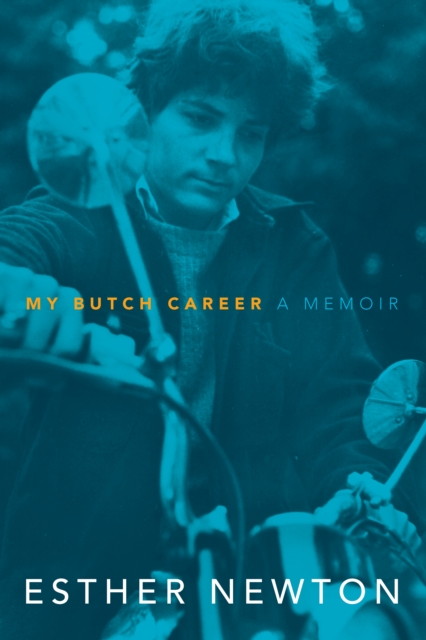
In My Butch Career Esther Newton tells the compelling, disarming, and at times sexy story of her struggle to write, teach, and find love, all while coming to terms with her identity.
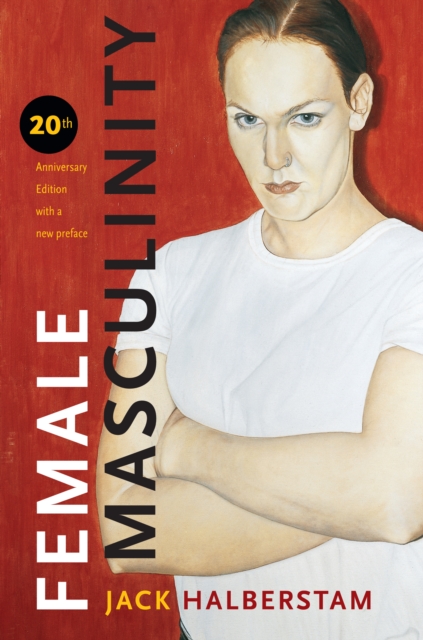
In this quintessential work of queer theory, Jack Halberstam takes aim at the protected status of male masculinity and shows that female masculinity has offered a distinct alternative to it for well over two centuries.
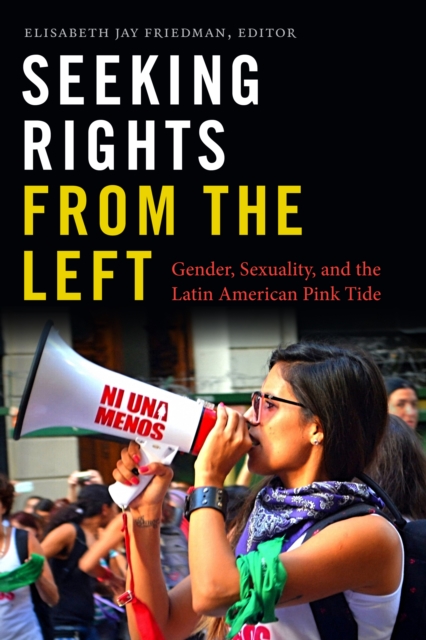
Seeking Rights from the Left offers a unique comparative assessment of left-leaning Latin American governments by examining their engagement with feminist, women's, and LGBT movements and issues.
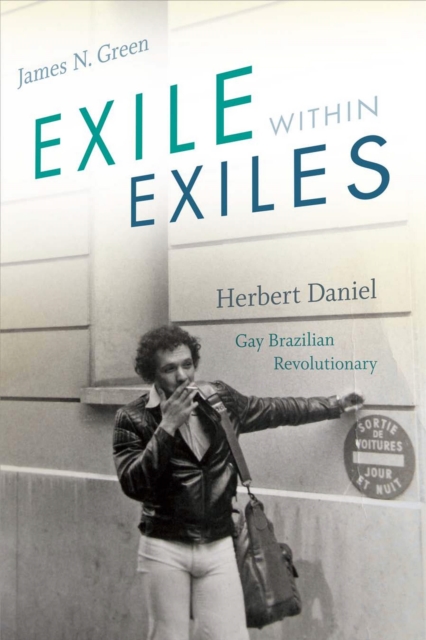
Herbert Daniel was a significant and complex figure in Brazilian leftist revolutionary politics and social activism from the mid-1960s until his death in 1992.
In postapartheid Cape Town-Africa's gay capital-many Pentecostal men turned to "e;ex-gay"e; ministries in hopes of "e;curing"e; their homosexuality in order to conform to conservative Christian values and African social norms.
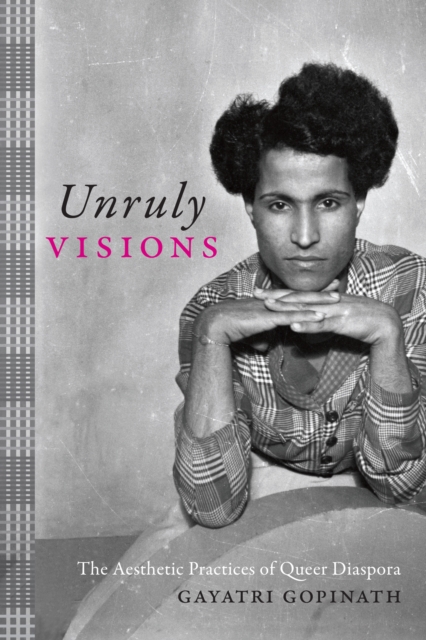
In Unruly Visions Gayatri Gopinath brings queer studies to bear on investigations of diaspora and visuality, tracing the interrelation of affect, archive, region, and aesthetics through an examination of a wide range of contemporary queer visual culture.
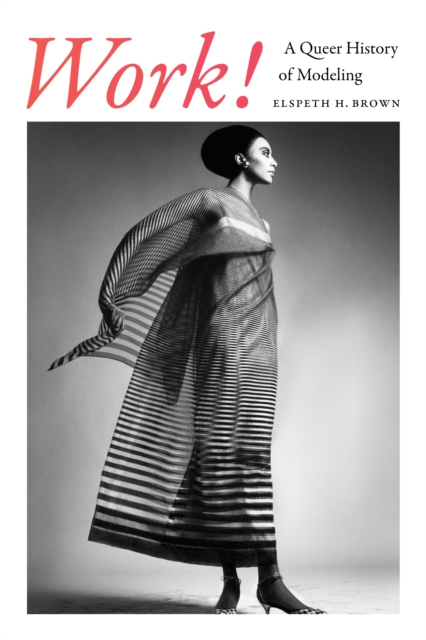
From the haute couture runways of Paris and New York and editorial photo shoots for glossy fashion magazines to reality television, models have been a ubiquitous staple of twentieth- and twenty-first-century American consumer culture.
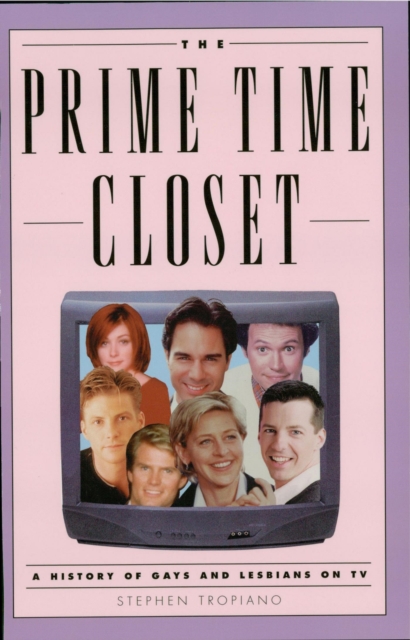
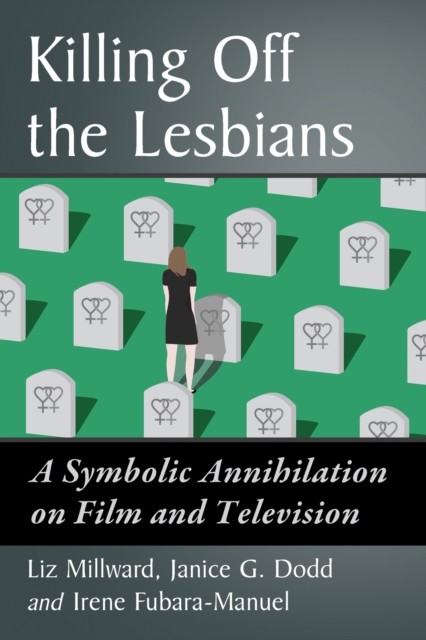
Television history was made on April 30, 1997, when comedian Ellen DeGeneres and her sitcom alter-ego Ellen Morgan, "e;came out"e; to her close friends and 36 million viewers.
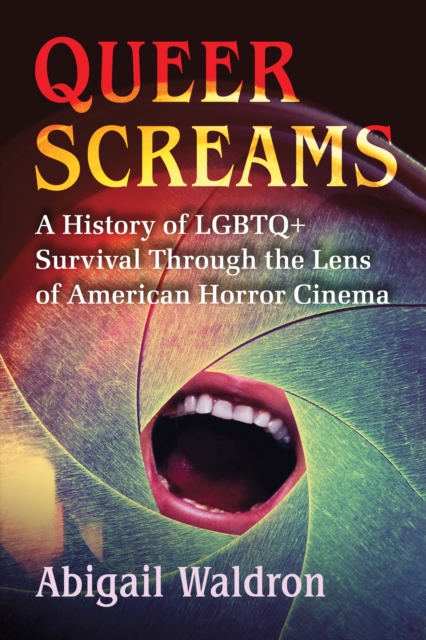
The horror genre mirrors the American queer experience, both positively and negatively, overtly and subtextually, from the lumbering, flower-picking monster of Frankenstein (1931) to the fearless intersectional protagonist of the Fear Street Trilogy (2021).
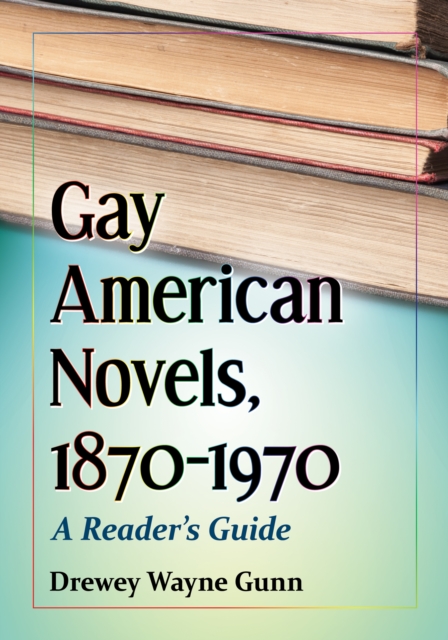
Examining the development of gay American fiction and providing an essential reading list, this literary survey covers 257 works--novels, novellas, a graphic story cycle and a narrative poem--in which gay and bisexual male characters play a major role.
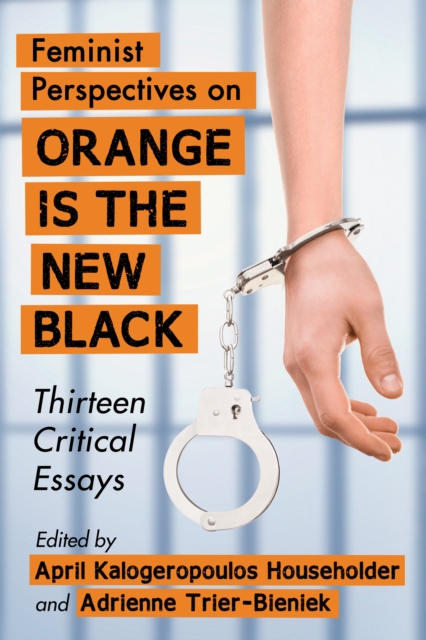
Since its 2013 premiere, Orange Is the New Black has become Netflix's most watched series, garnering critical praise and numerous awards and advancing the cultural phenomenon of binge-watching.