An engrossing history of the desperate battles for the Rzhev Salient, a forgotten story brought to life by the harrowing memoirs of German and Russian soldiers.
An engrossing history of the desperate battles for the Rzhev Salient, a forgotten story brought to life by the harrowing memoirs of German and Russian soldiers.
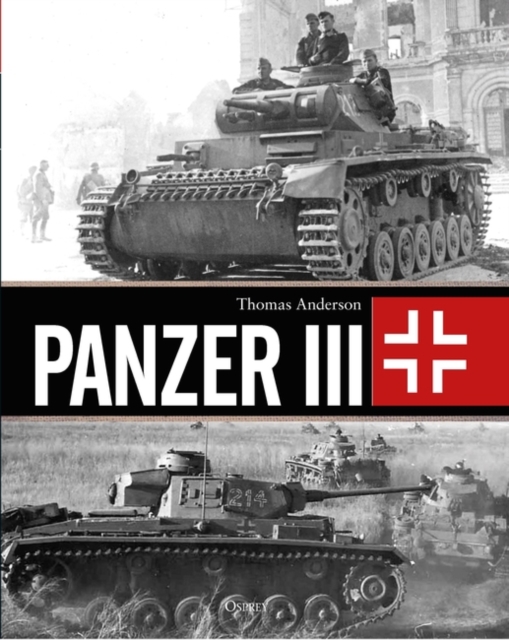
This highly illustrated title details the history of the Panzer III throughout World War II, from its early development in the pre-war years, through its pivotal role in the Blitzkrieg campaigns in Poland and Western Europe, to its eventual obsolescence on the Eastern Front.
This highly illustrated title details the history of the Panzer III throughout World War II, from its early development in the pre-war years, through its pivotal role in the Blitzkrieg campaigns in Poland and Western Europe, to its eventual obsolescence on the Eastern Front.
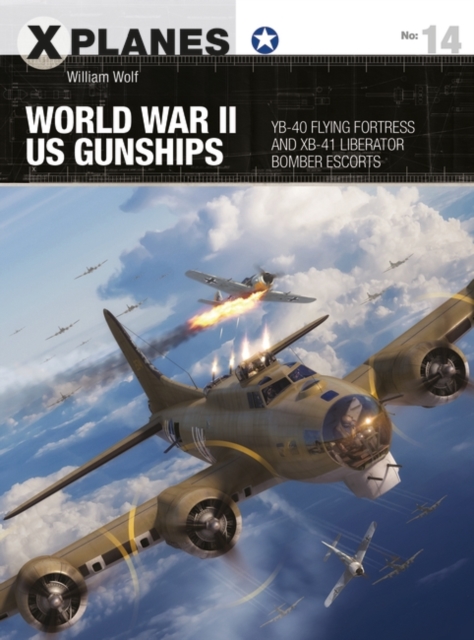
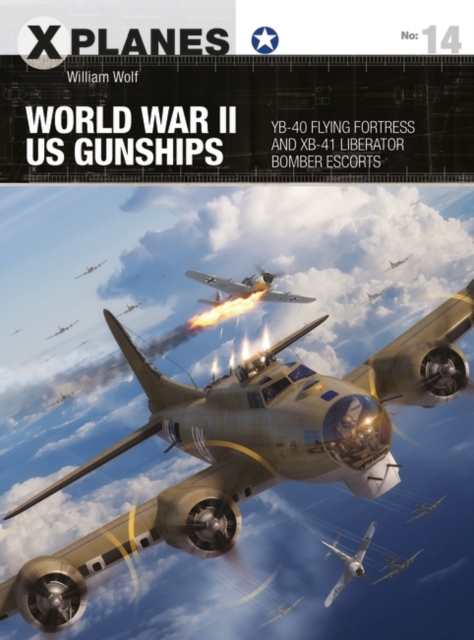
The XB-40 and XB-41 were secret, little-known experimental modifications of the B-17F and B-24D, respectively, into heavily-armed bomber gunships sometimes referred to as bomber escorters .
The XB-40 and XB-41 were secret, little-known experimental modifications of the B-17F and B-24D, respectively, into heavily-armed bomber gunships sometimes referred to as bomber escorters .
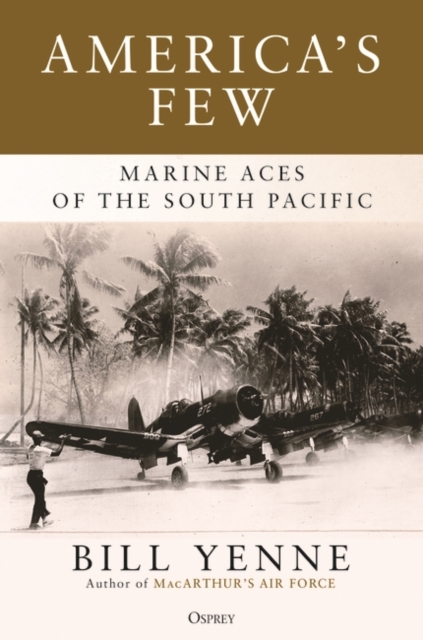
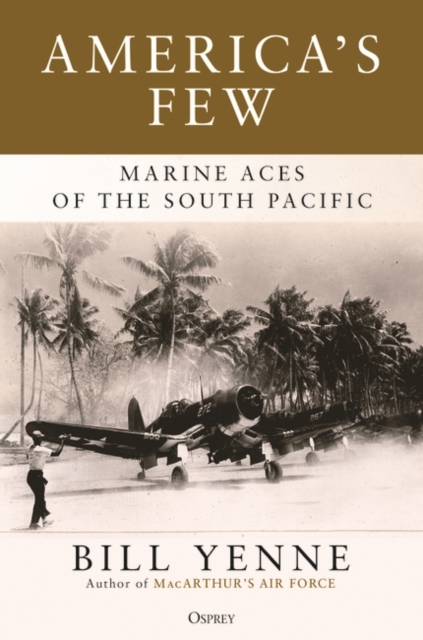
America's Few delves into the history of US Marine Corps aviation in World War II, following the feats of the Corps' top-scoring aces in the skies over Guadalcanal.
America's Few delves into the history of US Marine Corps aviation in World War II, following the feats of the Corps' top-scoring aces in the skies over Guadalcanal.
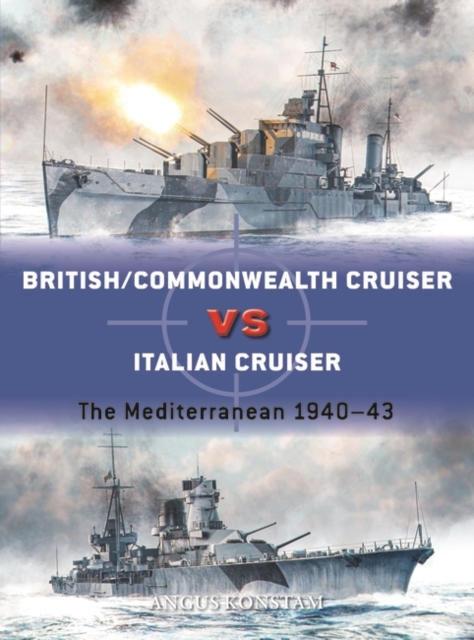
This illustrated history explores the cruiser forces of the Italian and British Royal navies, the jack-of-all trades warships of the Mediterranean Naval War.
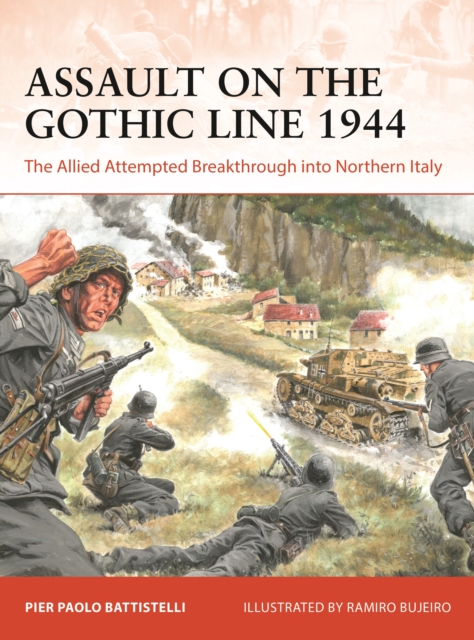
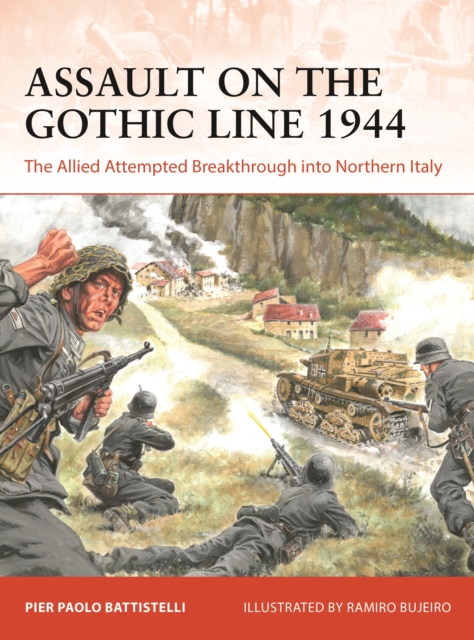
Enjoy a detailed examination of Operation Olive as US, British, Commonwealth and Allied forces seek to smash through the last German defensive line in Italy.
Enjoy a detailed examination of Operation Olive as US, British, Commonwealth and Allied forces seek to smash through the last German defensive line in Italy.
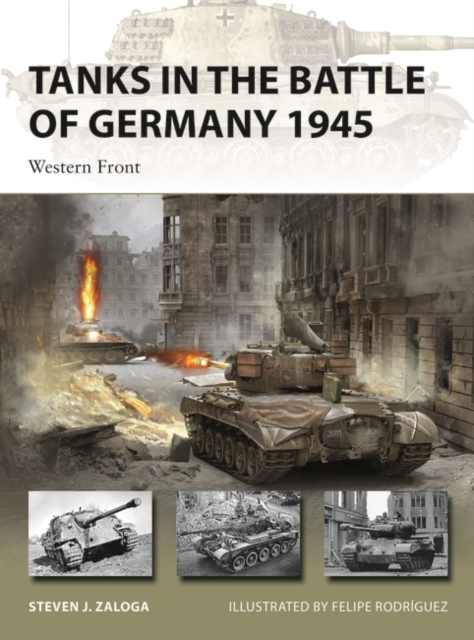
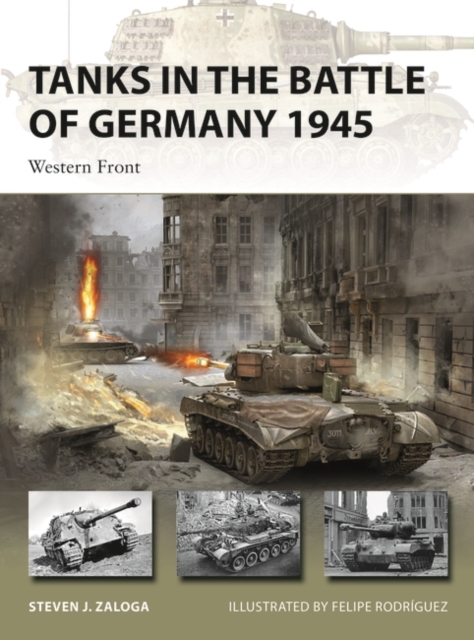
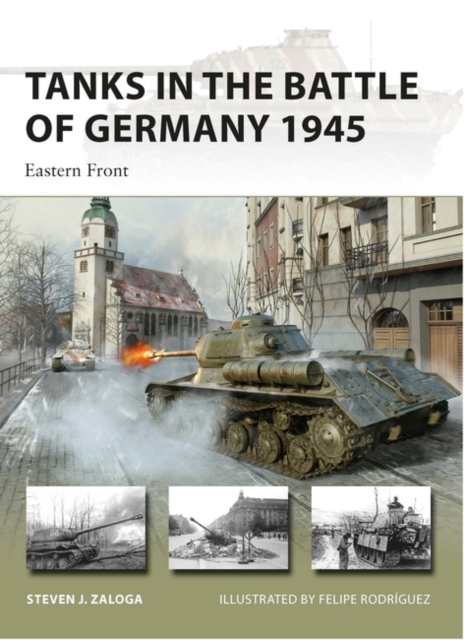
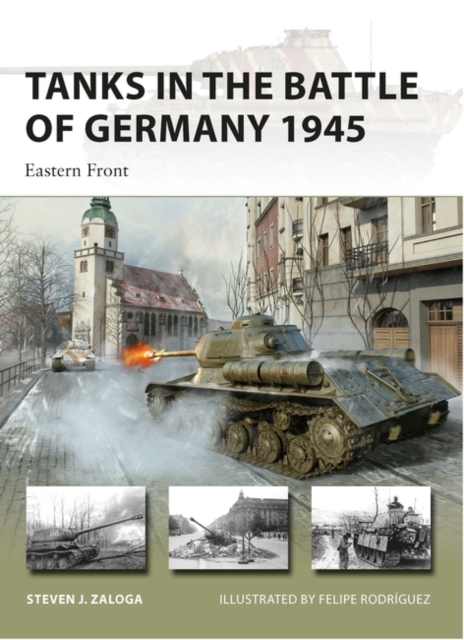
The crossing of the river Rhine marked the beginning of the end of the Third Reich, but the Wehrmacht would fight ferociously on its home soil until the fall of Berlin.
The crossing of the river Rhine marked the beginning of the end of the Third Reich, but the Wehrmacht would fight ferociously on its home soil until the fall of Berlin.
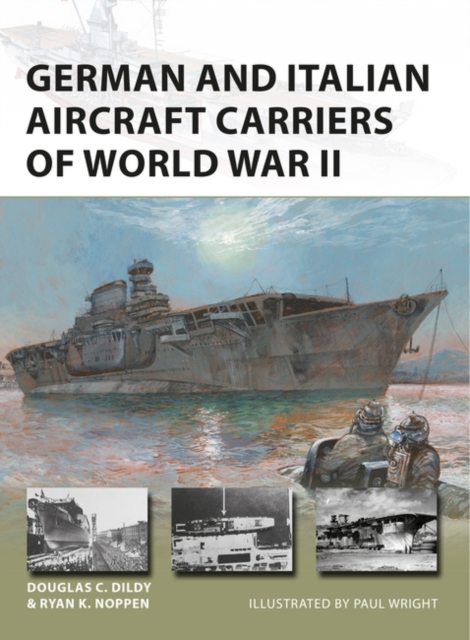
This fully illustrated study details Germany and Italy's failed development of World War II aircraft carriers, and the naval aviation ships that the two Axis powers sent into action in their place.
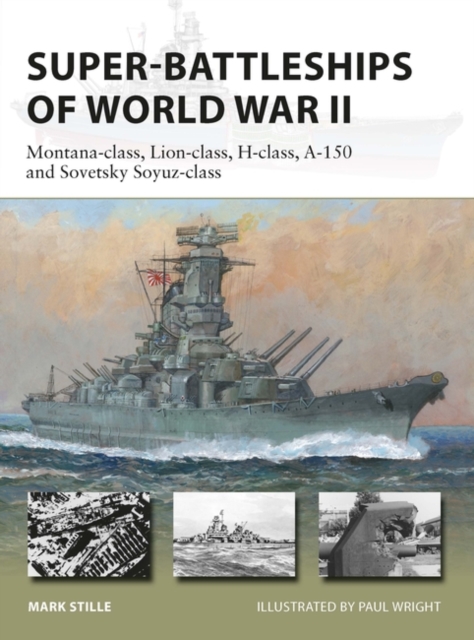
An illustrated study of the design, development and eventual fates of the uncompleted super-battleships intended to be built before and during World War II.
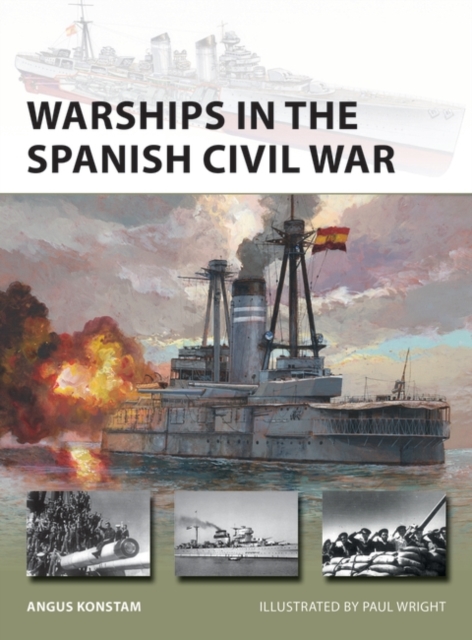
This detailed study of the naval Spanish Civil War describes how the Spanish Navy, torn in two and comprising a Republican and Nationalist part, fought a civil war at sea involving both Hitler's and Mussolini's navies.
This detailed study of the naval Spanish Civil War describes how the Spanish Navy, torn in two and comprising a Republican and Nationalist part, fought a civil war at sea involving both Hitler's and Mussolini's navies.
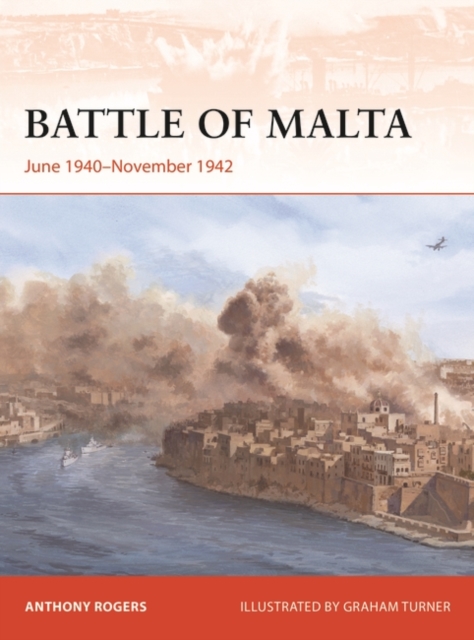
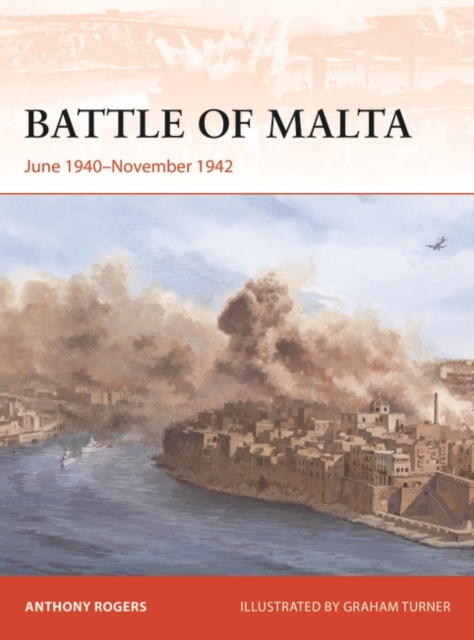
A detailed, illustrated exploration of the land, sea and air units that defended Malta, and the repeated Axis attempts to bring the crucial Allied island fortress to its knees.
A detailed, illustrated exploration of the land, sea and air units that defended Malta, and the repeated Axis attempts to bring the crucial Allied island fortress to its knees.
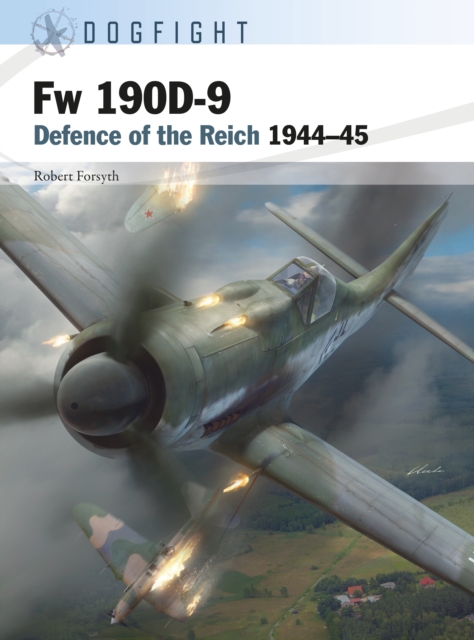
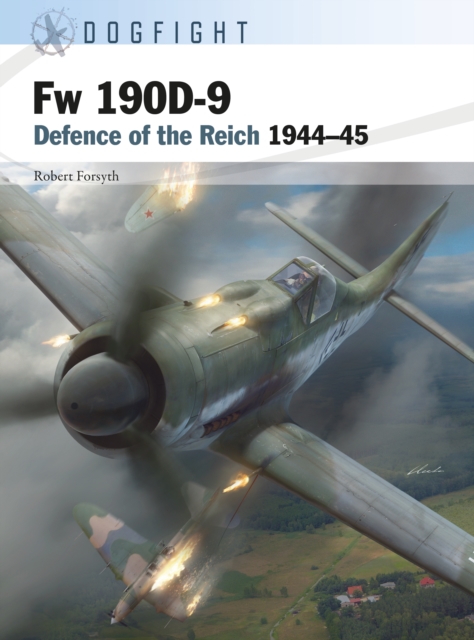
This up-to-date history by leading German aviation specialist Robert Forsyth reveals what it was like to pilot the 'long-nosed' Dora in combat as Germany desperately battled to remain in the war.
This up-to-date history by leading German aviation specialist Robert Forsyth reveals what it was like to pilot the 'long-nosed' Dora in combat as Germany desperately battled to remain in the war.
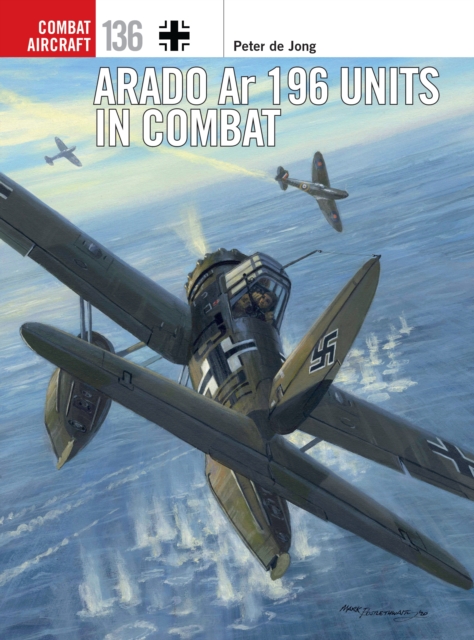
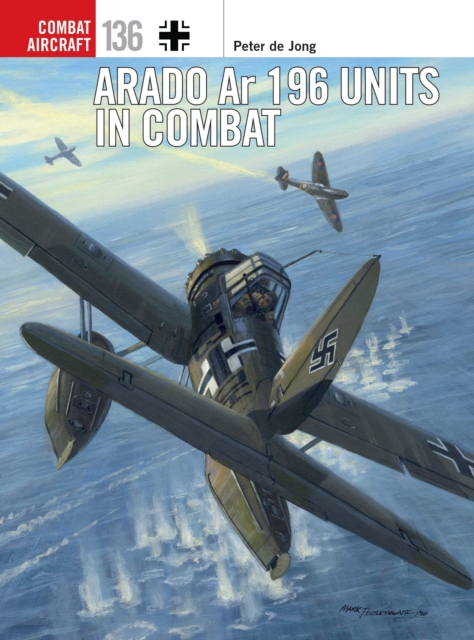
Beating its biplane rivals in a 1936 Reich Air Ministry design competition, the Arado Ar 196 provided the Kriegsmarine with possibly the best shipborne reconnaissance seaplane of World War II.
Beating its biplane rivals in a 1936 Reich Air Ministry design competition, the Arado Ar 196 provided the Kriegsmarine with possibly the best shipborne reconnaissance seaplane of World War II.
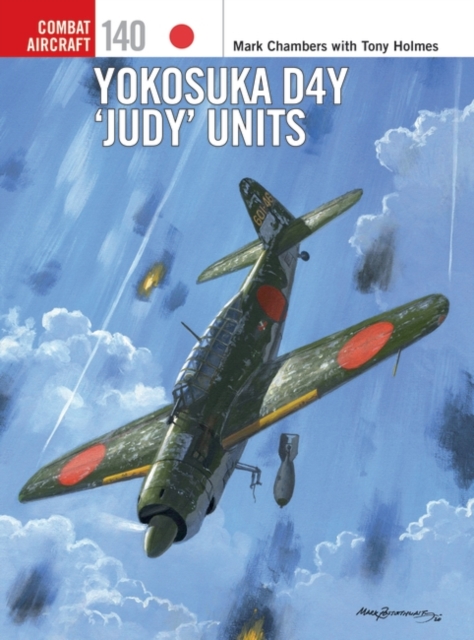
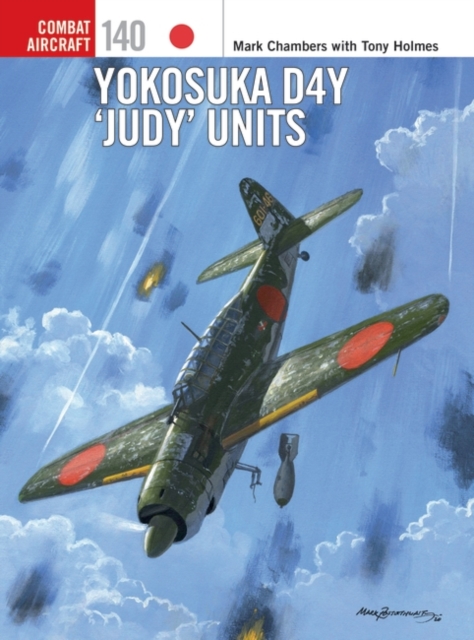
In 1938, the Yokosuka Naval Air Technical Arsenal, acting under the requirements issued by the Kaigun Koku Hombu for a Navy Experimental 13-Shi Carrier Borne specification for a dive-bomber to replace the venerable 'Val' aboard carriers.
In 1938, the Yokosuka Naval Air Technical Arsenal, acting under the requirements issued by the Kaigun Koku Hombu for a Navy Experimental 13-Shi Carrier Borne specification for a dive-bomber to replace the venerable 'Val' aboard carriers.
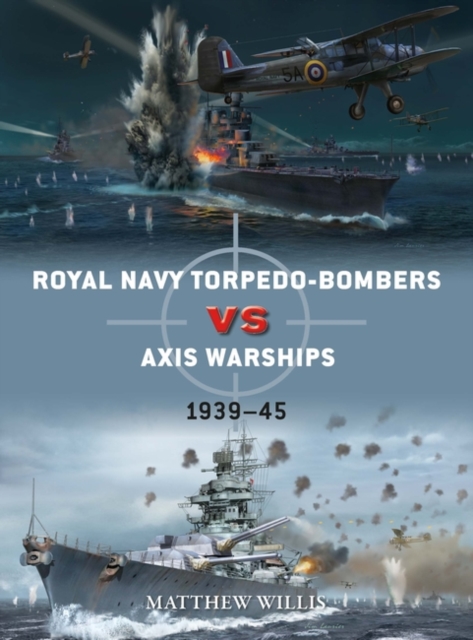
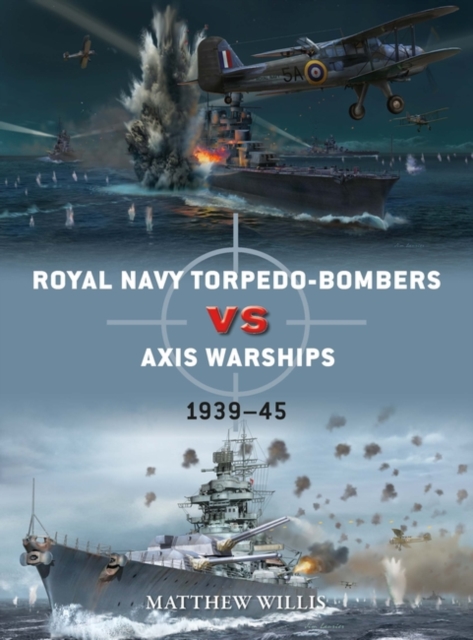
Drawing on rare, historical photography and specially commissioned artwork, Matthew Willis explores the heroic feats of the few Royal Navy's obsolescent biplanes that stood between the state-of-the-art Axis warships and their objectives.
Drawing on rare, historical photography and specially commissioned artwork, Matthew Willis explores the heroic feats of the few Royal Navy's obsolescent biplanes that stood between the state-of-the-art Axis warships and their objectives.
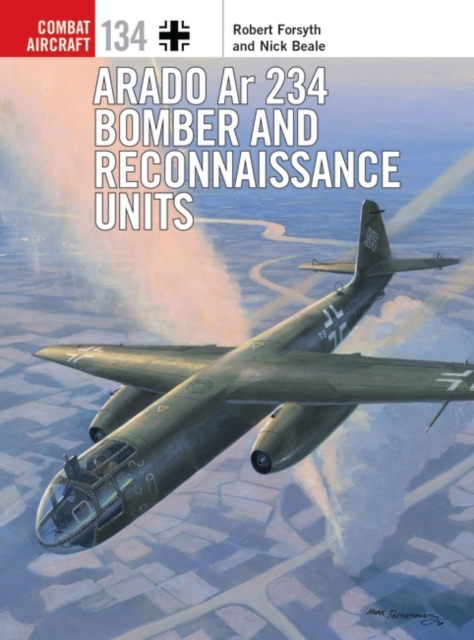
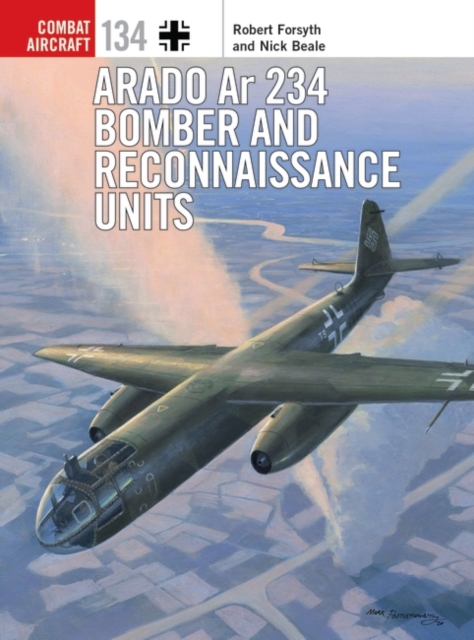
When the revolutionary twin jet-powered Arado Ar 234 first appeared in the skies over north-west Europe in the summer of 1944, it represented the state-of-the-art in terms of aeronautical and technical development.
When the revolutionary twin jet-powered Arado Ar 234 first appeared in the skies over north-west Europe in the summer of 1944, it represented the state-of-the-art in terms of aeronautical and technical development.
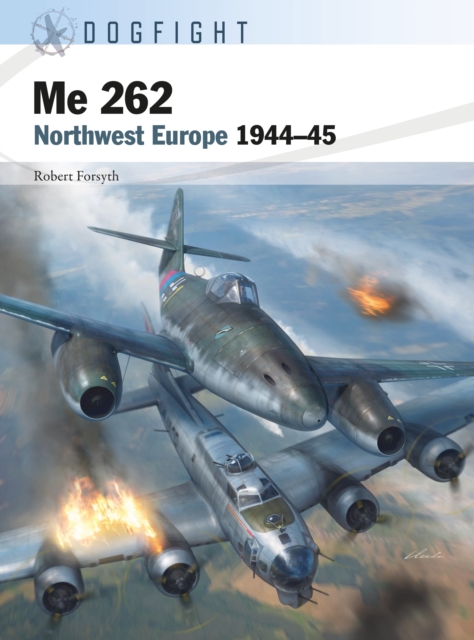
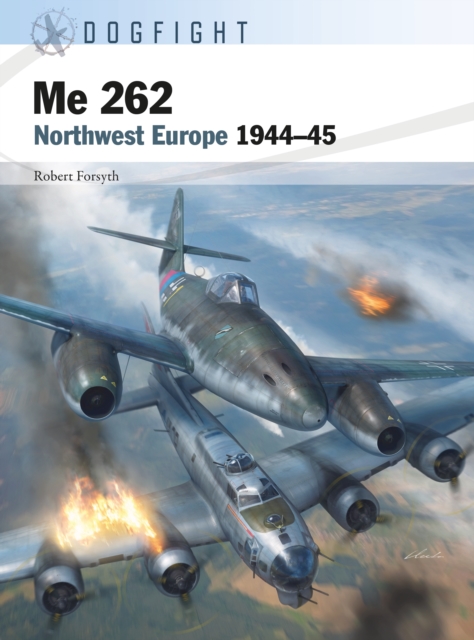
Using rare first-hand accounts from Me 262 pilots, Robert Forsyth examines what it was like to fly the world's most advanced interceptor in the deadly skies over Germany in 1944 45.
Using rare first-hand accounts from Me 262 pilots, Robert Forsyth examines what it was like to fly the world's most advanced interceptor in the deadly skies over Germany in 1944 45.