In the Zohar, the jewel in the crown of Jewish mystical literature, the verse "e;A river flows from Eden to water the garden"e; (Genesis 2:10) symbolizes the river of divine plenty that unceasingly flows from the depths of divinity into the garden of reality.
Turkey's contemporary struggles with Islam are often interpreted as a conflict between religion and secularism played out most obviously in the split between rural and urban populations.
The contributors, who each work with spiritual issues, either explicitly as spiritual directors or accompaniers, or as an implicit part of their therapeutic work, offer a psychologically-informed approach to Spiritual Accompaniment and Direction, and to working with others on a spiritual level more generally.
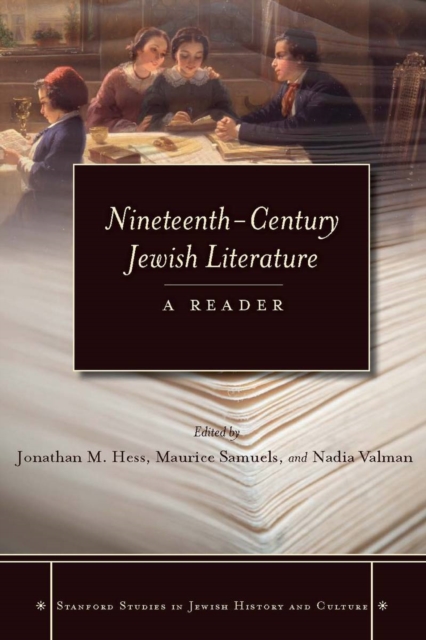
Recent scholarship has brought to light the existence of a dynamic world of specifically Jewish forms of literature in the nineteenth century-fiction by Jews, about Jews, and often designed largely for Jews.
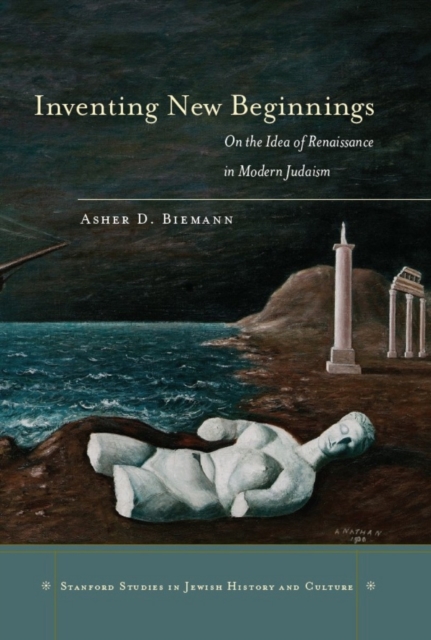
Inventing New Beginnings is the first book-length study to examine the conceptual underpinnings of the "e;Jewish Renaissance,"e; or "e;return"e; to Judaism, that captured much of German-speaking Jewry between 1890 and 1938.
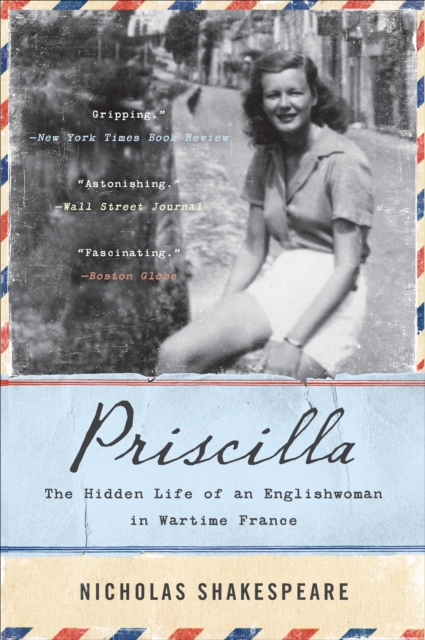
When Nicholas Shakespeare stumbled across a box of documents belonging to his late aunt, Priscilla, he was completely unaware of where this discovery would take him and what he would learn about her hidden past.
With the simultaneous rise of New Atheism and popularity of fundamentalist movements, a rational, open-minded debate on the role of religion today is sorely needed.
An A to Z of Mindfulness for Christians is geared to help Christians live in the now, the present -- the presence of God -- by encouraging them to explore mindfulness.
Peter Cajka's erudite book shows how even staunch Catholics were transformed by the maelstrom of the American Sixties, turning away from powerful and corrupt institutions and toward the inner moral compass provided by their own consciences.
The story of the succession to the Prophet Muhammad and the rise of the Rashidun Caliphate (632-661) is familiar to historians from the political histories of medieval Islam, which treat it as a factual account.
From the beginning of the colonial period to the recent conflicts in the Middle East, encounters with the Muslim world have helped Americans define national identity and purpose.
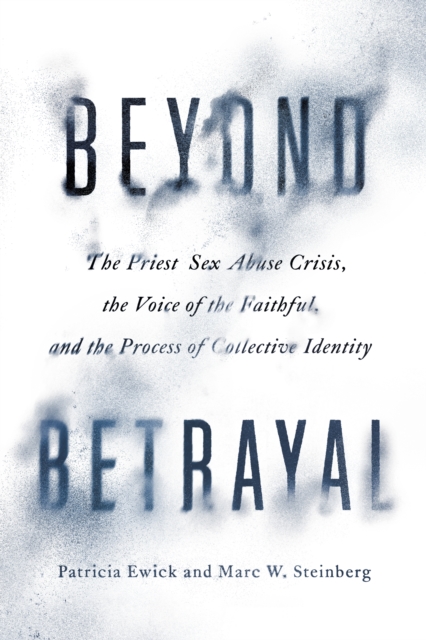
In 2002, the national spotlight fell on Boston's archdiocese, where decades of rampant sexual misconduct from priests-and the church's systematic cover-ups-were exposed by reporters from the Boston Globe.
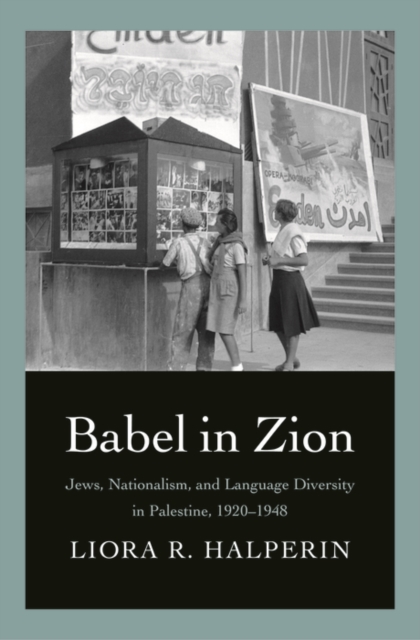
The promotion and vernacularization of Hebrew, traditionally a language of Jewish liturgy and study, was a central accomplishment of the Zionist movement in Palestine.
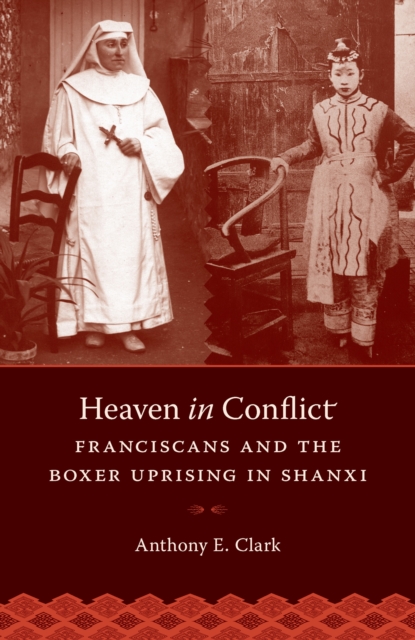
One of the most violent episodes of Chinas Boxer Uprising was the Taiyuan Massacre of 1900, in which rebels killed foreign missionaries and thousands of Chinese Christians.
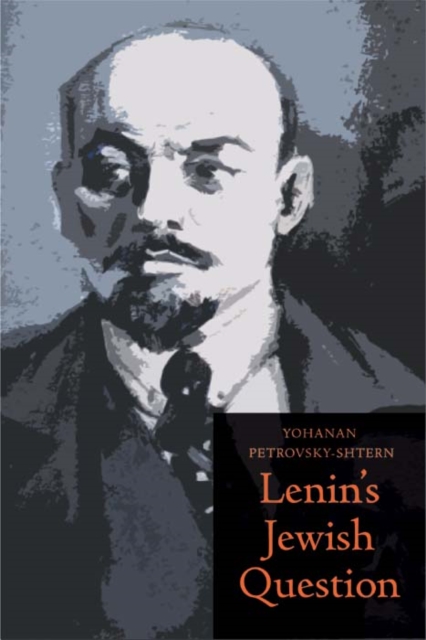
In this first examination of Lenin’s genealogical and political connections to East European Jews, Yohanan Petrovsky-Shtern reveals the broad cultural meanings of indisputable evidence that Lenin’s maternal grandfather was a Jew.
A classroom perennial and comprehensive guide, America's Religions lays out the background, beliefs, practices, and leaders of the nation's religious movements and denominations.
A celebrated novelist and an acclaimed historian of ideas, father and daughter, unravel the chain of words at the core of Jewish life, history, and culture Why are words so important to so many Jews?
A revisionist account of Zionist history, challenging the inevitability of a one-state solution, from a bold, path-breaking young scholar The Jewish nation-state has often been thought of as Zionism’s end goal.
Ultra-orthodox Jews in Jerusalem are isolated from the secular community that surrounds them not only physically but by their dress, behaviors, and beliefs.
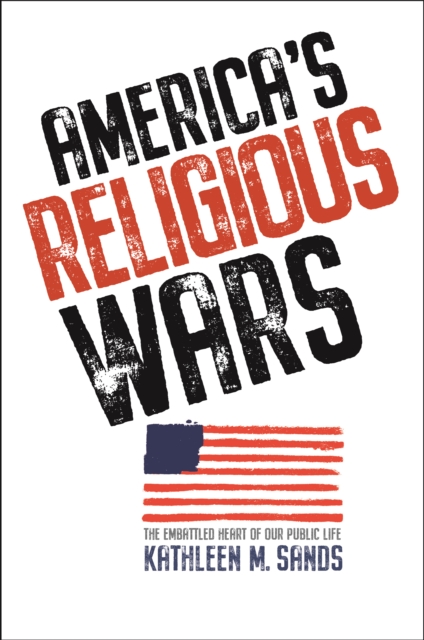
How American conflicts about religion have always symbolized our foundational political values When Americans fight about “religion,” we are also fighting about our conflicting identities, interests, and commitments.
A distinguished scholar of international politics clarifies what is widely misunderstood in the West: Islam and Islamism are not two words for the same thing Despite the intense media focus on Muslims and their religion since the tragedy of 9/11, few Western scholars or policymakers today have a clear idea of the distinctions between Islam and the politically based fundamentalist movement known as Islamism.
In this fascinating and erudite book, Bryan Cheyette throws new light on a wide range of modern and contemporary writers—some at the heart of the canon, others more marginal—to explore the power and limitations of the diasporic imagination after the Second World War.
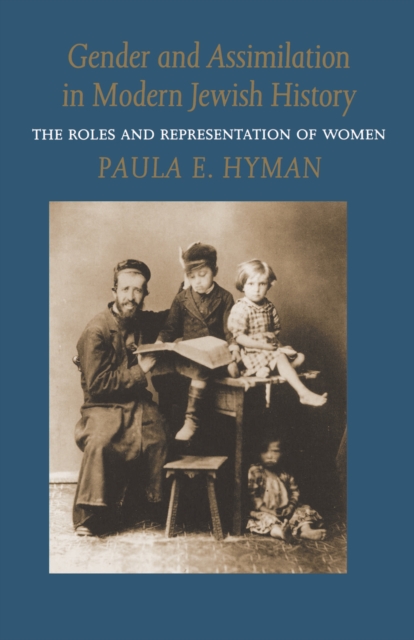
Paula Hyman broadens and revises earlier analyses of Jewish assimilation, which depicted the Jews as though they were all men, by focusing on women and the domestic as well as the public realms.
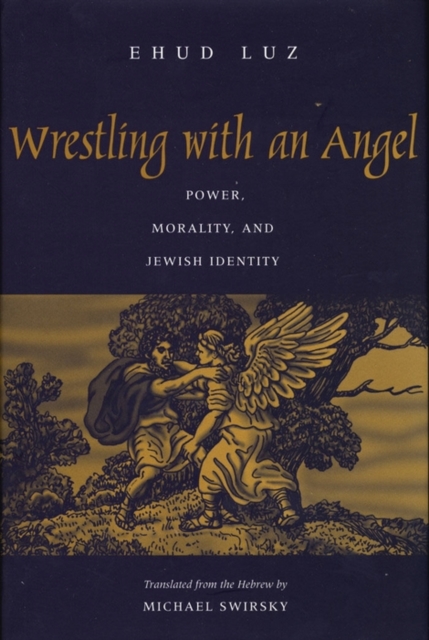
By regaining for the Jewish people the capacity to deploy force, Zionism posed moral dilemmas for the Jews that for many generations, living in exile, they had not had to confront.
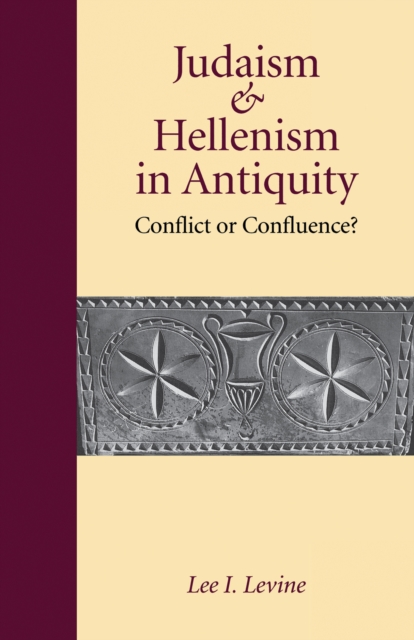
Generations of scholars have debated the influence of Greco-Roman culture on Jewish society and the degree of its impact on Jewish material culture and religious practice in Palestine and the Diaspora of antiquity.