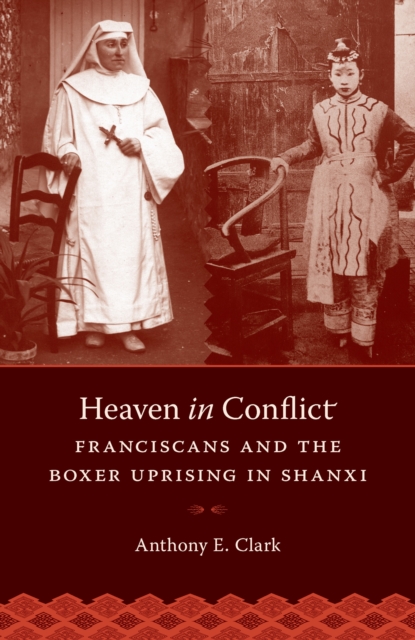
One of the most violent episodes of Chinas Boxer Uprising was the Taiyuan Massacre of 1900, in which rebels killed foreign missionaries and thousands of Chinese Christians.
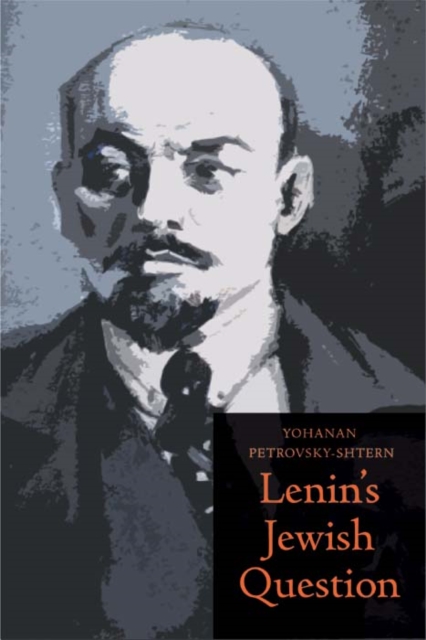
In this first examination of Lenin’s genealogical and political connections to East European Jews, Yohanan Petrovsky-Shtern reveals the broad cultural meanings of indisputable evidence that Lenin’s maternal grandfather was a Jew.
A classroom perennial and comprehensive guide, America's Religions lays out the background, beliefs, practices, and leaders of the nation's religious movements and denominations.
A celebrated novelist and an acclaimed historian of ideas, father and daughter, unravel the chain of words at the core of Jewish life, history, and culture Why are words so important to so many Jews?
A revisionist account of Zionist history, challenging the inevitability of a one-state solution, from a bold, path-breaking young scholar The Jewish nation-state has often been thought of as Zionism’s end goal.
Ultra-orthodox Jews in Jerusalem are isolated from the secular community that surrounds them not only physically but by their dress, behaviors, and beliefs.
How American conflicts about religion have always symbolized our foundational political values When Americans fight about “religion,” we are also fighting about our conflicting identities, interests, and commitments.
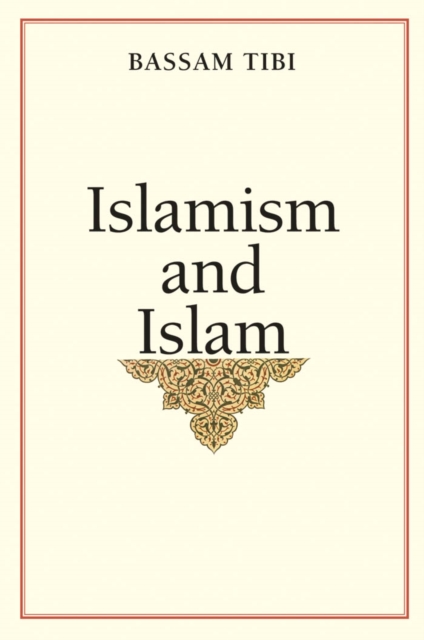
A distinguished scholar of international politics clarifies what is widely misunderstood in the West: Islam and Islamism are not two words for the same thing Despite the intense media focus on Muslims and their religion since the tragedy of 9/11, few Western scholars or policymakers today have a clear idea of the distinctions between Islam and the politically based fundamentalist movement known as Islamism.
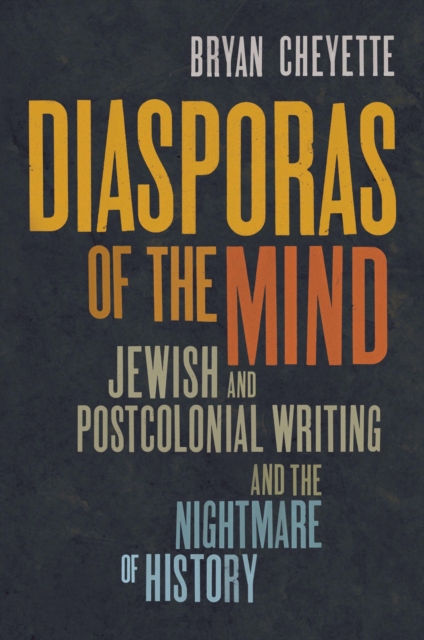
In this fascinating and erudite book, Bryan Cheyette throws new light on a wide range of modern and contemporary writers—some at the heart of the canon, others more marginal—to explore the power and limitations of the diasporic imagination after the Second World War.
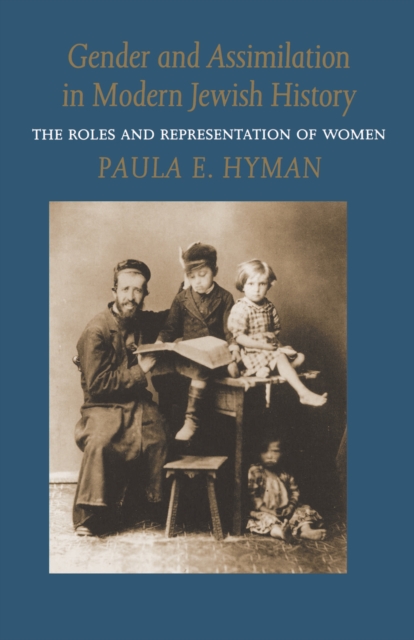
Paula Hyman broadens and revises earlier analyses of Jewish assimilation, which depicted the Jews as though they were all men, by focusing on women and the domestic as well as the public realms.
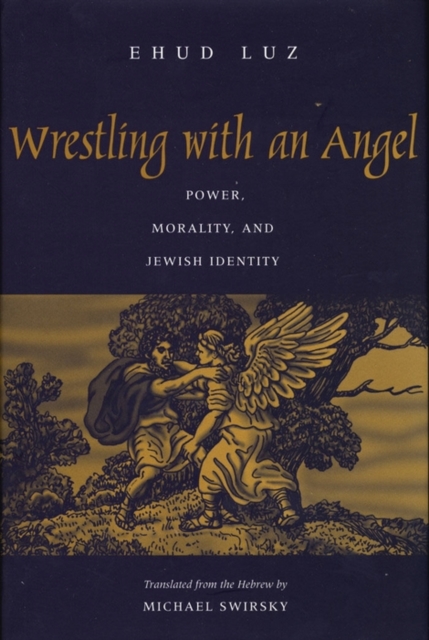
By regaining for the Jewish people the capacity to deploy force, Zionism posed moral dilemmas for the Jews that for many generations, living in exile, they had not had to confront.
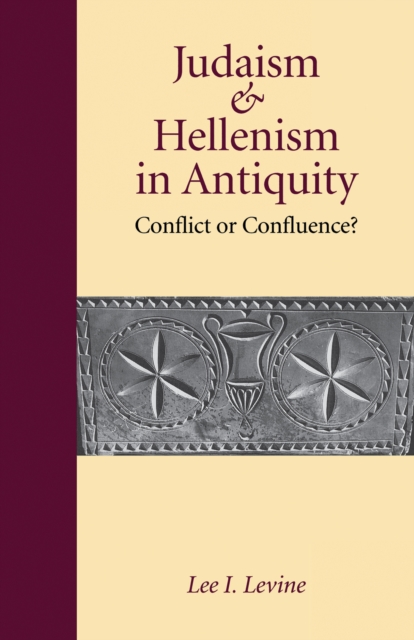
Generations of scholars have debated the influence of Greco-Roman culture on Jewish society and the degree of its impact on Jewish material culture and religious practice in Palestine and the Diaspora of antiquity.
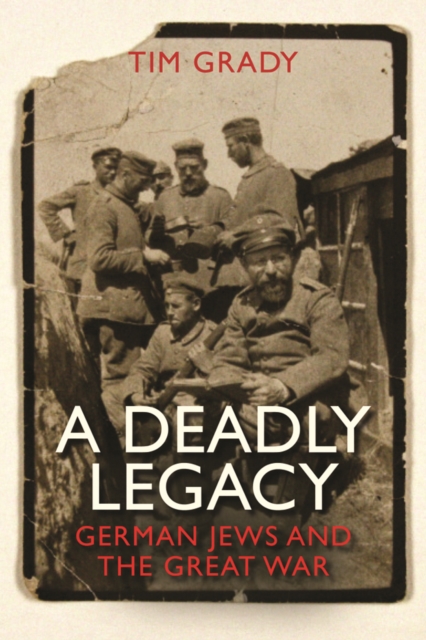
Shortlisted for the Wolfson History Prize 2018 This book is the first to offer a full account of the varied contributions of German Jews to Imperial Germany’s endeavors during the Great War.
A lively intellectual history that explores how prominent midcentury public intellectuals approached Zionism and then the State of Israel itself and its conflicts with the Arab world In this lively intellectual history of the political Left, cultural critic Susie Linfield investigates how eight prominent twentieth-century intellectuals struggled with the philosophy of Zionism, and then with Israel and its conflicts with the Arab world.
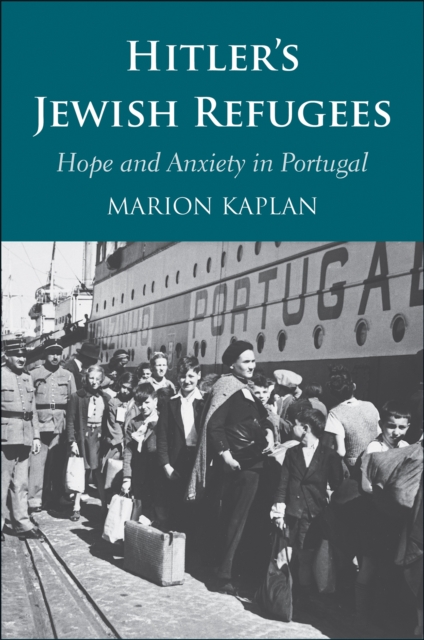
An award-winning historian presents an emotional history of Jewish refugees biding their time in Portugal as they attempt to escape Nazi Europe This riveting book describes the dramatic experiences of Jewish refugees as they fled Hitler’s regime and then lived in limbo in Portugal until they could reach safer havens abroad.
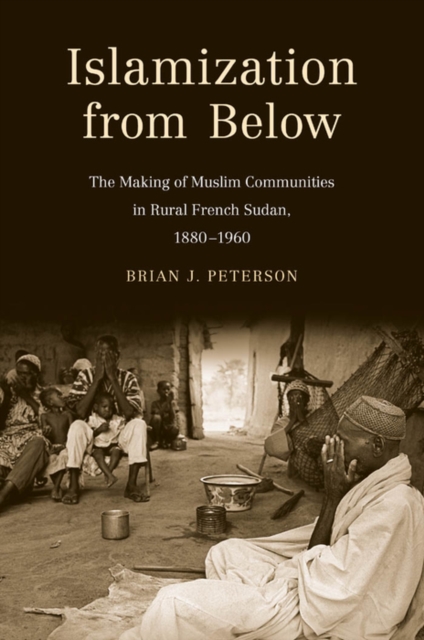
The colonial era in Africa, spanning less than a century, ushered in a more rapid expansion of Islam than at any time during the previous thousand years.
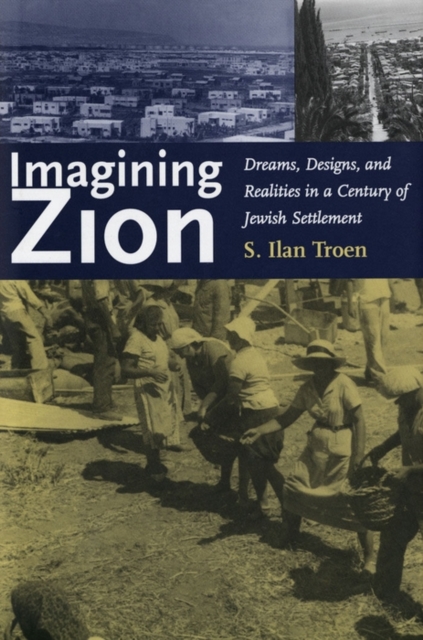
This timely book tells the fascinating story of how Zionists colonizers planned and established nearly 700 agricultural settlements, towns, and cities from the 1880s to the present.
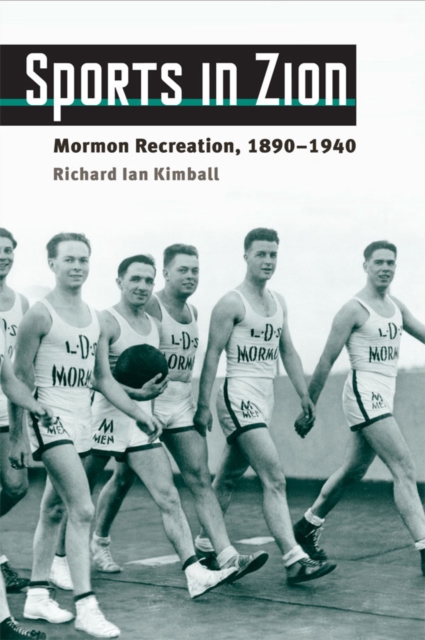
If a religion cannot attract and instruct young people, it will struggle to survive, which is why recreational programs were second only to theological questions in the development of twentieth-century Mormonism.
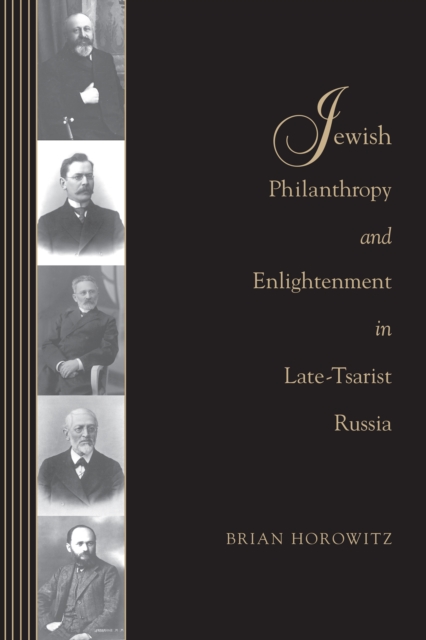
The Society for the Promotion of Enlightenment among the Jews of Russia (OPE) was a philanthropic organization, the oldest Jewish organization in Russia.
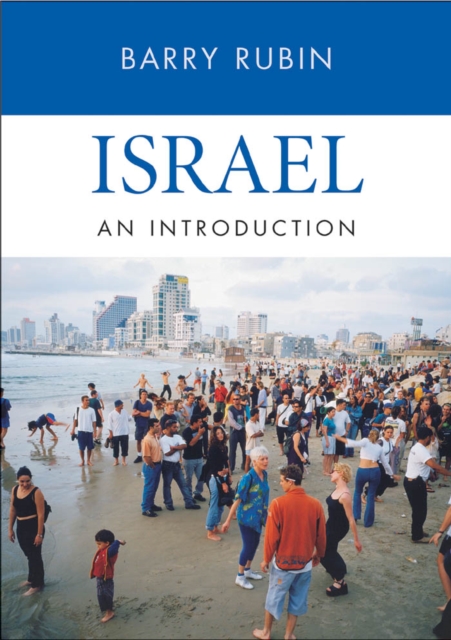
This comprehensive book provides a well-rounded introduction to Israel—a definitive account of the nation's past, its often controversial present, and much more.
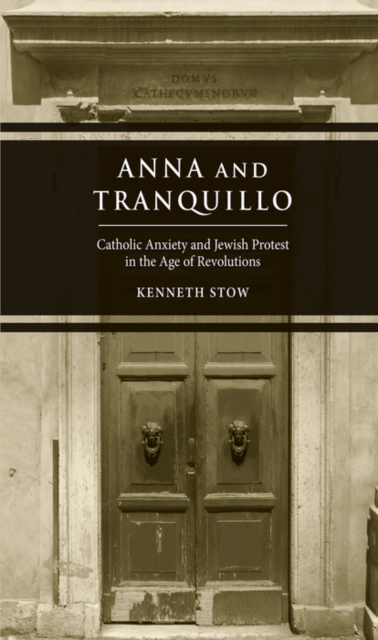
A historical interpretation of the diary of an eighteenth-century Jewish woman who resisted the efforts of the papal authorities to force her religious conversion After being seized by the papal police in Rome in May 1749, Anna del Monte, a Jew, kept a diary detailing her captors’ efforts over the next thirteen days to force her conversion to Catholicism.
A stunningly original look at the forgotten Jewish political roots of contemporary international human rights, told through the moving stories of five key activists The year 2018 marks the seventieth anniversary of two momentous events in twentieth-century history: the birth of the State of Israel and the creation of the Universal Declaration of Human Rights.
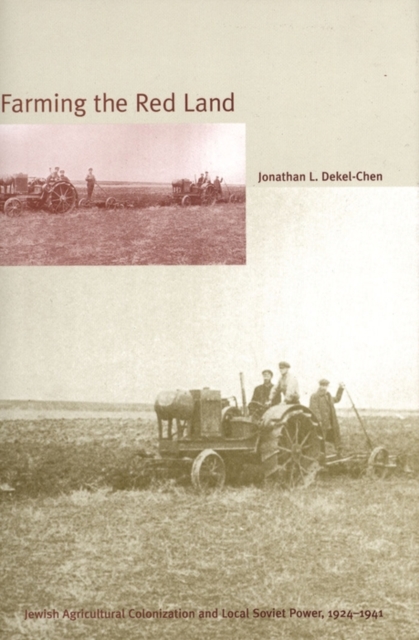
This is the first history of the Jewish agricultural colonies that were established in Crimea and Southern Ukraine in 1924 and that, fewer than 20 years later, ended in tragedy.
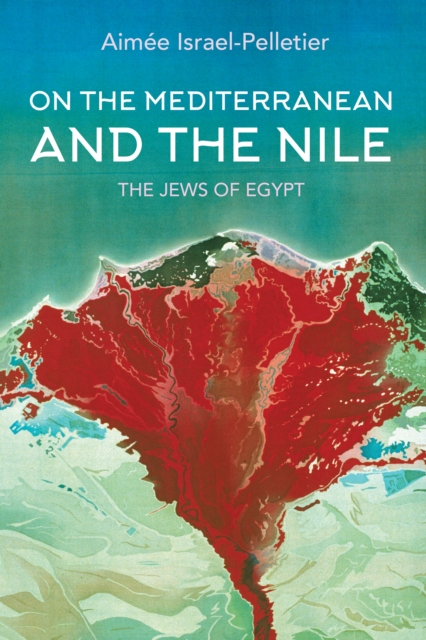
Aimee Israel-Pelletier examines the lives of Middle Eastern Jews living in Islamic societies in this political and cultural history of the Jews of Egypt.
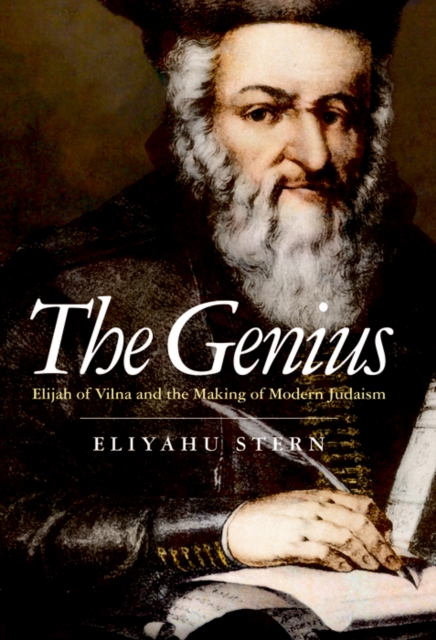
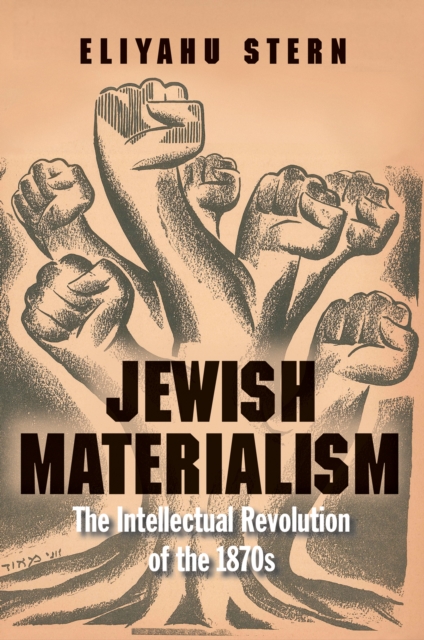
A paradigm-shifting account of the modern Jewish experience, from one of the most creative young historians of his generationTo understand the organizing framework of modern Judaism, Eliyahu Stern believes that we should look deeper and farther than the Holocaust, the establishment of the State of Israel, and the influence and affluence of American Jewry.
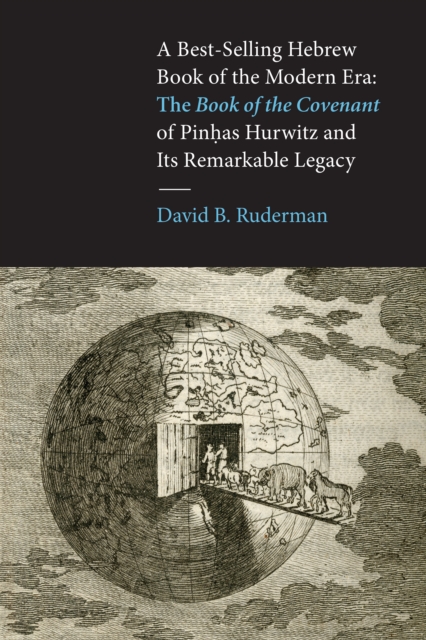
The history of a single book sheds light on the beginnings of modern Jewish thoughtIn 1797, in what is now the Czech Republic, Pinas Hurwitz published Book of the Covenant.
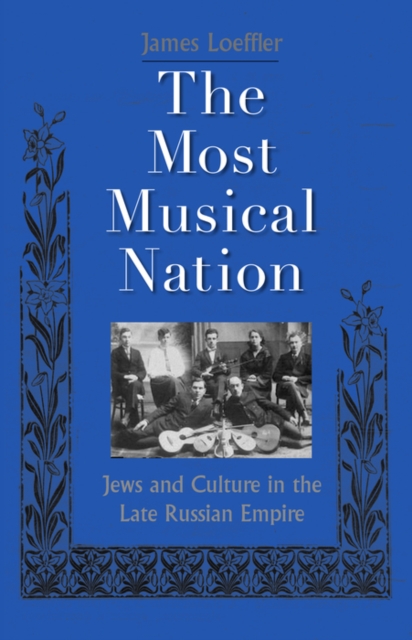
Drawing on a mass of unpublished writings and archival sources from prerevolutionary Russian conservatories, this book offers an insightful account of the Jewish search for a modern identity in Russia through music, rather than politics or religion.
In this powerful book one of the most important Jewish thinkers in the world today grapples with issues that increasingly divide Israel’s secular Jewish community from its religious Zionists.
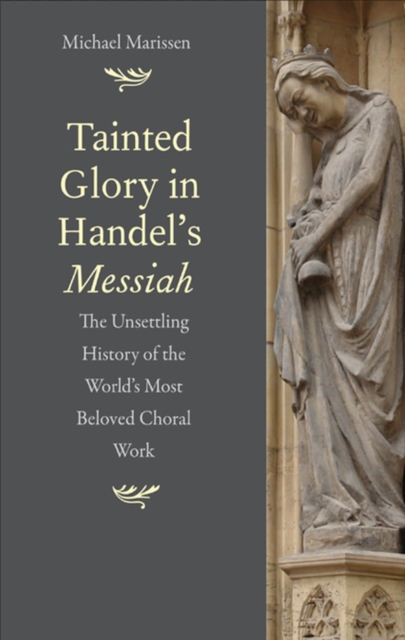
An eye-opening reexamination of Handel’s beloved religious oratorio Every Easter, audiences across the globe thrill to performances of Handel’s “Hallelujah Chorus,” but they would probably be appalled to learn the full extent of the oratorio’s anti-Judaic message.
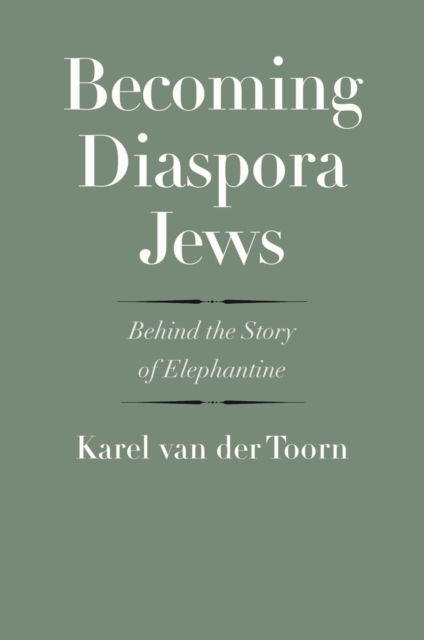
Based on a previously unexplored source, this book transforms the way we think about the formation of Jewish identity This book tells the story of the earliest Jewish diaspora in Egypt in a way it has never been told before.