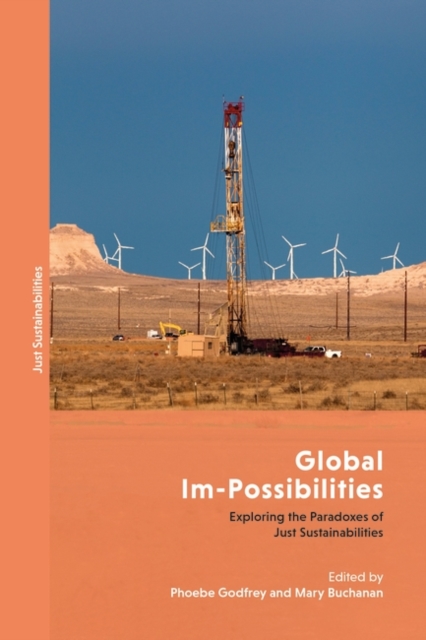
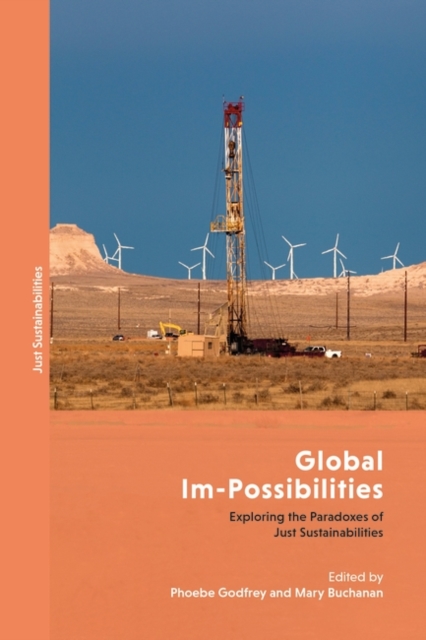
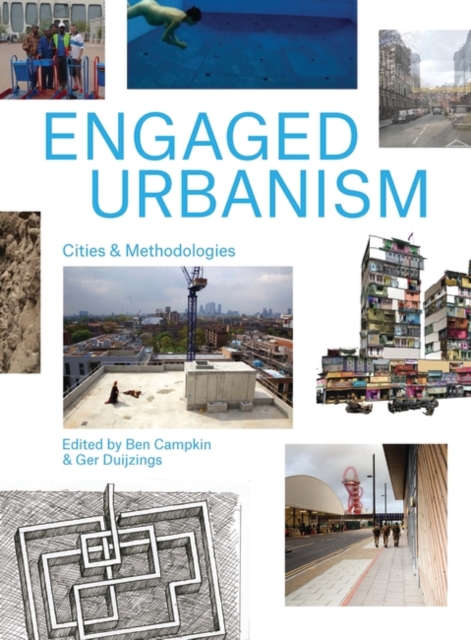
At a time when environmental and social stakes are at their highest with rising crises and contradictions at the nexus of a building sense of environmental and social collapse there are no easy solutions.
At a time when environmental and social stakes are at their highest with rising crises and contradictions at the nexus of a building sense of environmental and social collapse there are no easy solutions.
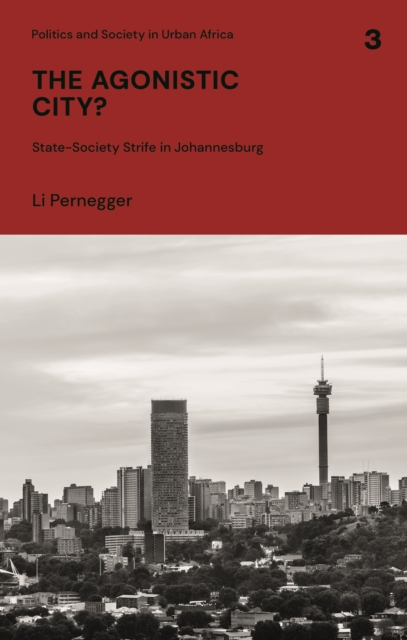
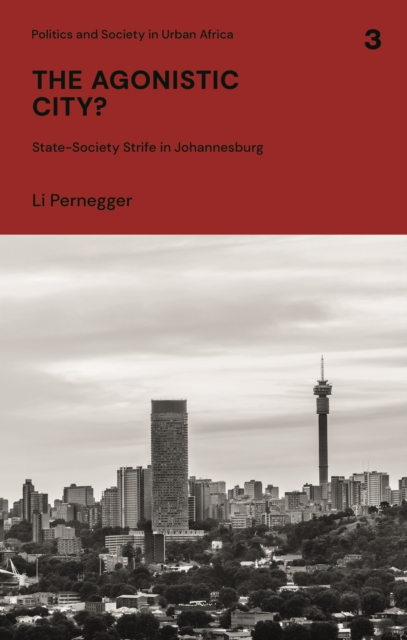
An exploration of Johannesburg's post-apartheid's city administration's governance of conflict from 1996 to the current day, in the case of service delivery protests and shifts in city policy.
An exploration of Johannesburg's post-apartheid's city administration's governance of conflict from 1996 to the current day, in the case of service delivery protests and shifts in city policy.
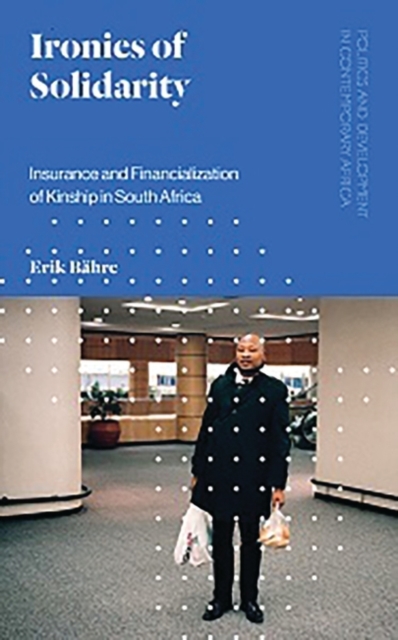
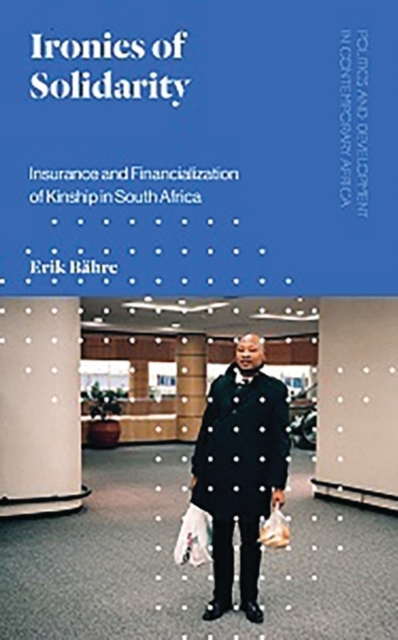
Set in one of the world's most unequal and violent places, this ethnographic study reveals how insurance companies discovered a vast market of predominantly poor African clients.
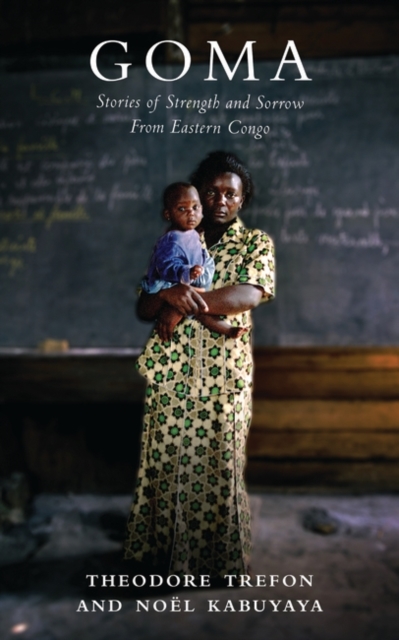
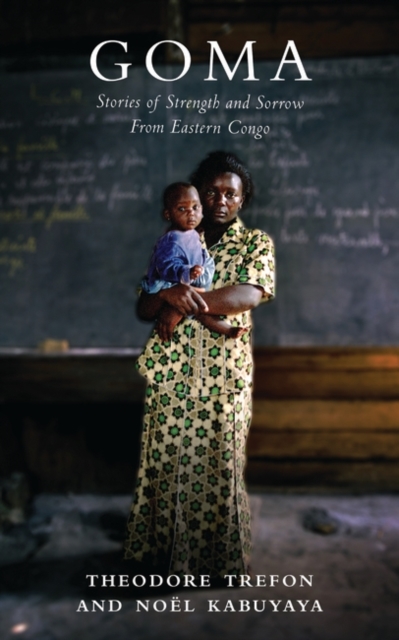
A city of over one million people caught between volcanic eruptions and armed conflict, Goma has come to embody the 'tragedy' that is the Democratic Republic of Congo.
A city of over one million people caught between volcanic eruptions and armed conflict, Goma has come to embody the 'tragedy' that is the Democratic Republic of Congo.
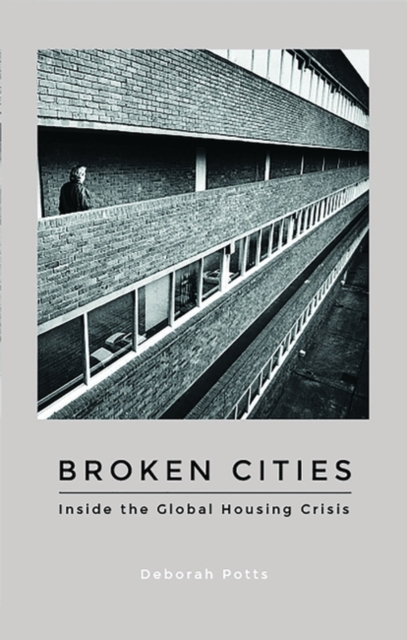
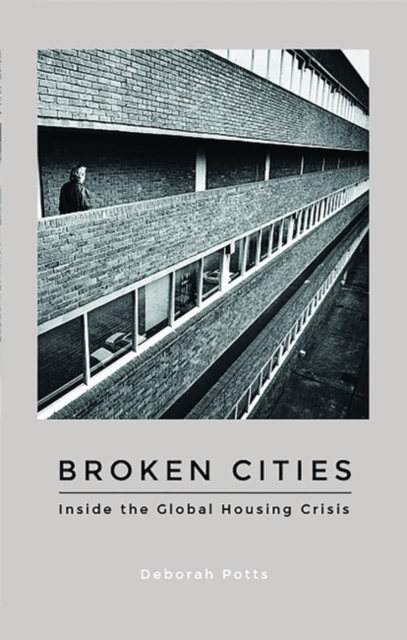
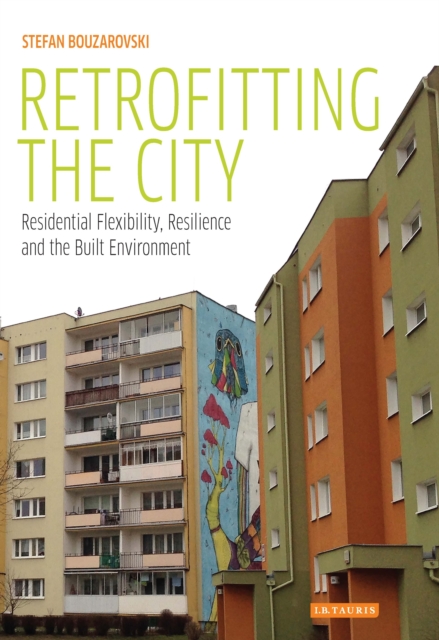
From Britain's 'Generation Rent' to Hong Kong's notorious 'cage homes', societies around the world are facing a housing crisis of unprecedented proportions.
From Britain's 'Generation Rent' to Hong Kong's notorious 'cage homes', societies around the world are facing a housing crisis of unprecedented proportions.
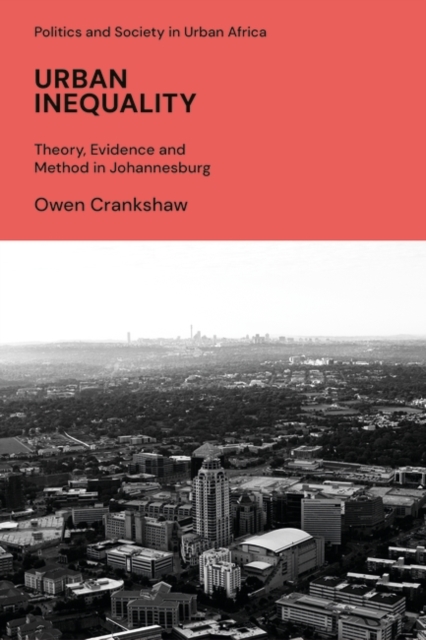
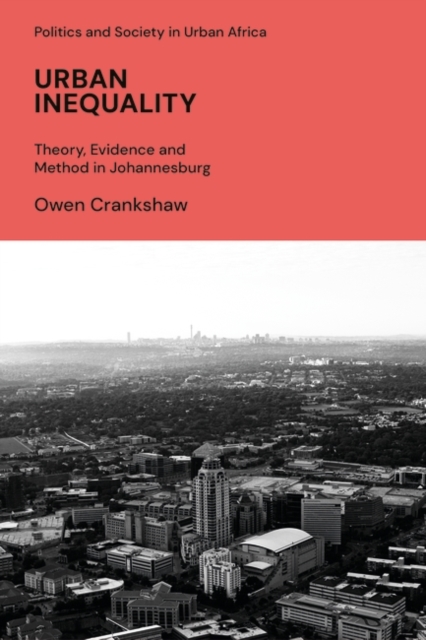
Based on new evidence that challenges existing theories of urban inequality, Crankshaw argues that the changing pattern of earnings and occupational inequality in Johannesburg is better described by the professionalism of employment alongside high-levels of chronic unemployment.
Based on new evidence that challenges existing theories of urban inequality, Crankshaw argues that the changing pattern of earnings and occupational inequality in Johannesburg is better described by the professionalism of employment alongside high-levels of chronic unemployment.
Set in one of the world's most unequal and violent places, this ethnographic study reveals how insurance companies discovered a vast market of predominantly poor African clients.
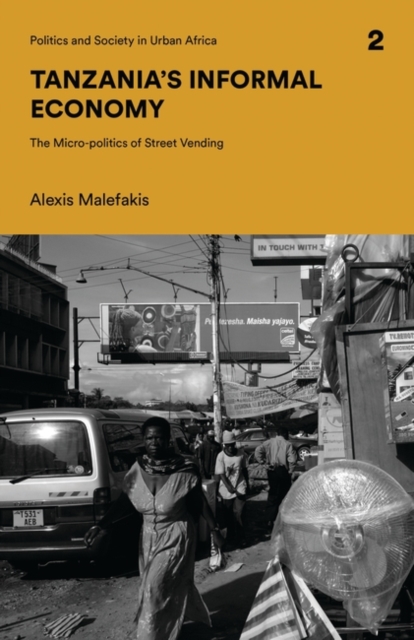
The market places and street corners of Dar es Salaam are home to a thriving informal economy of street vendors selling secondhand clothing and other goods.
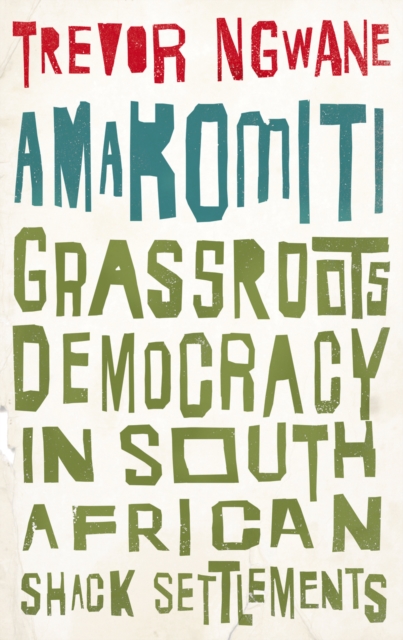
'One of the most exciting and provocative books that I've read in a long time' - Mike Davis, author of Planet of the SlumsCan people who live in shantytowns, shacks and favelas teach us anything about democracy?
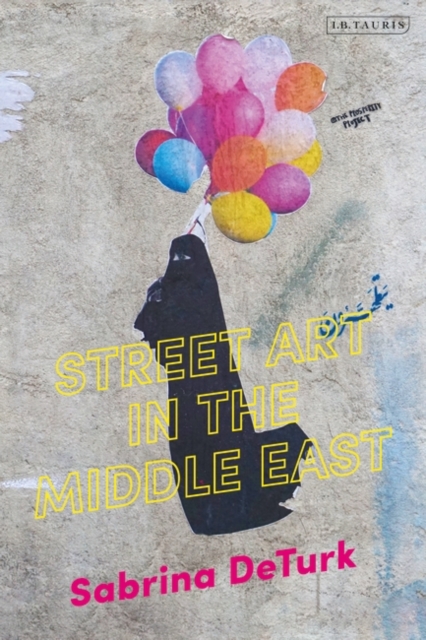
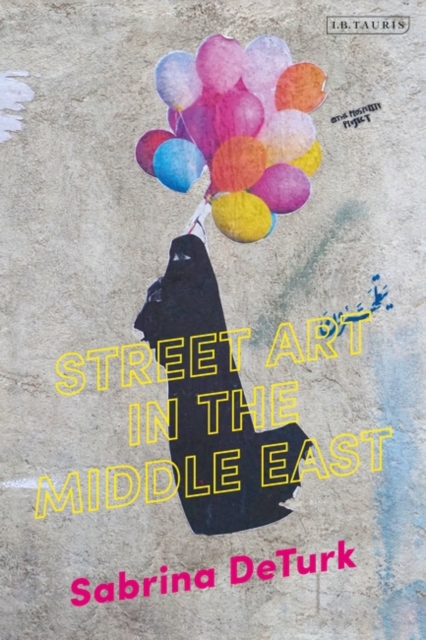
Since the 2011 Arab Spring street art has been a vehicle for political discourse in the Middle East, and has generated much discussion in both the popular media and academia.
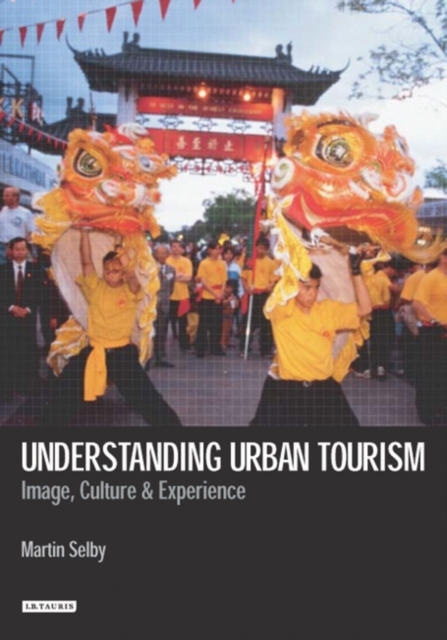
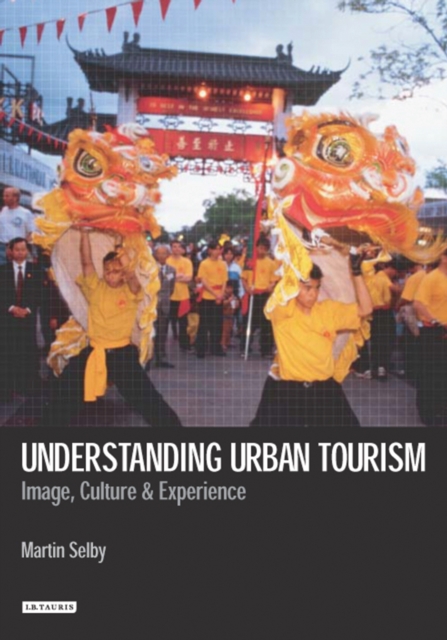
Despite the formidable growth of urban tourism there has been little of the critical engagement that one would expect from the social sciences: the rich potential of contemporary social science for urban tourism has yet to be realized.
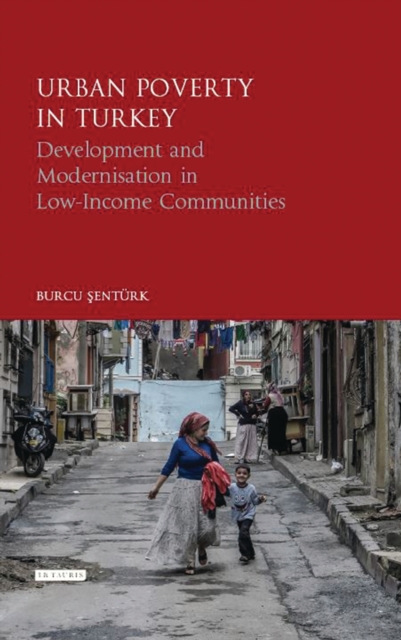
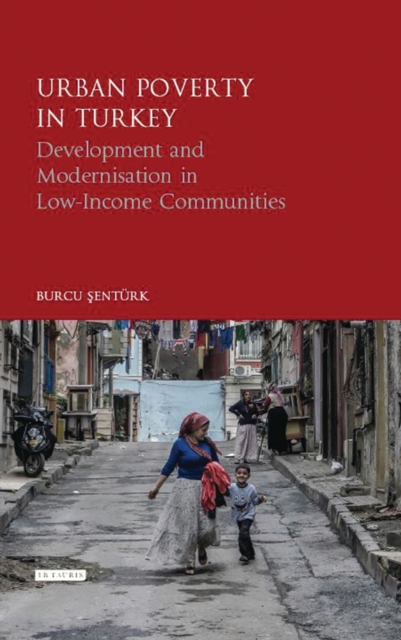
Gecekondu settlements-or shanty towns-in large Turkish cities are mostly populated by low-income families, many of which have migrated from the villages of Central Anatolia.
Since the 2011 Arab Spring street art has been a vehicle for political discourse in the Middle East, and has generated much discussion in both the popular media and academia.
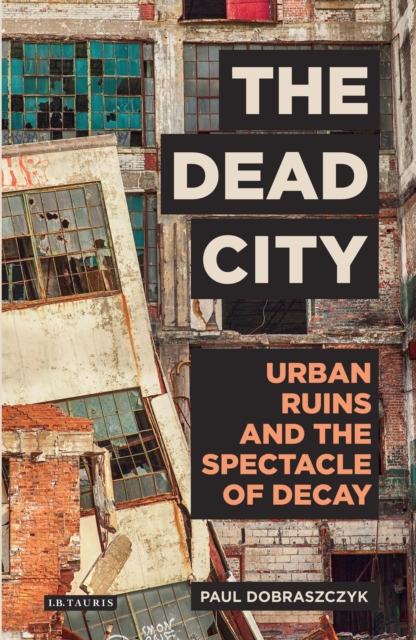
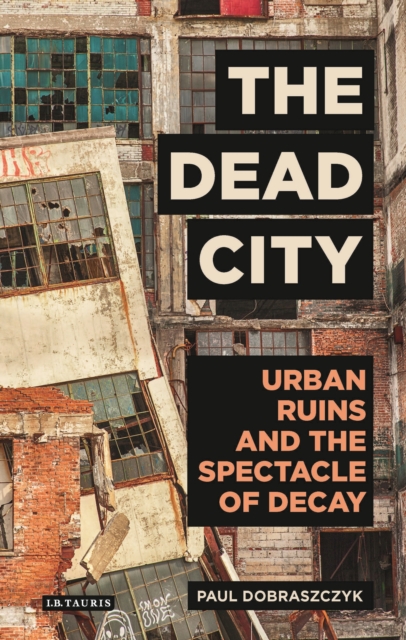
The Dead City unearths meanings from such depictions of ruination and decay, looking at representations of both thriving cities and ones which are struggling, abandoned or simply in transition.
Despite the formidable growth of urban tourism there has been little of the critical engagement that one would expect from the social sciences: the rich potential of contemporary social science for urban tourism has yet to be realized.
The Dead City unearths meanings from such depictions of ruination and decay, looking at representations of both thriving cities and ones which are struggling, abandoned or simply in transition.
Gecekondu settlements-or shanty towns-in large Turkish cities are mostly populated by low-income families, many of which have migrated from the villages of Central Anatolia.