Originally published in the tumult of 1996, in an era of new nativism and panic about the Latinization of America, Anything But Mexican solidified Rodolfo Acu,a's place as "e;the W.
Megacities of over 10 million inhabitants are unique entities in their own right, both challenging and supporting the policies, governance and cohesion of states.
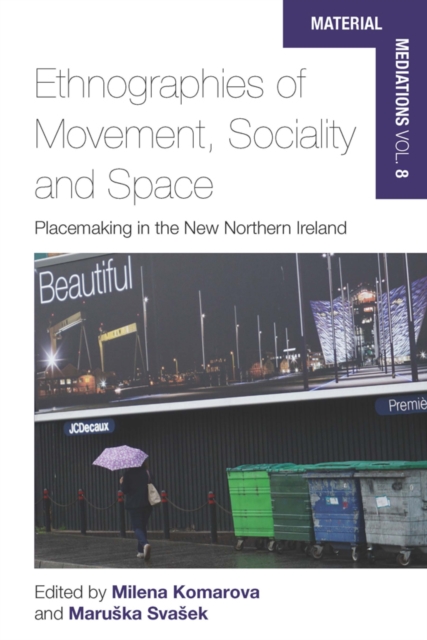
Exploring the complex dynamics of twenty-first century spatial sociality, this volume provides a much-needed multi-dimensional perspective that undermines the dominant image of Northern Ireland as a conflict-ridden place.
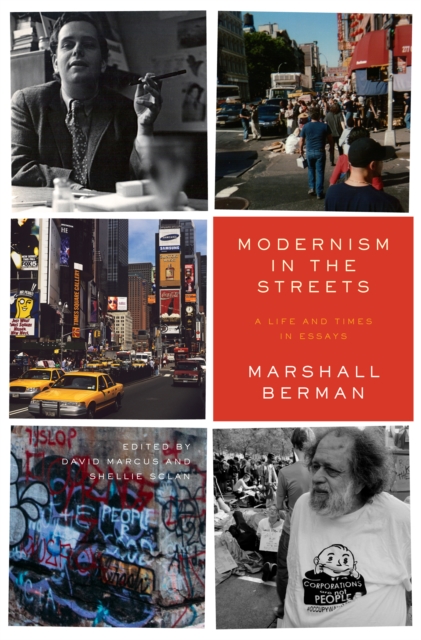
Marshall Berman was one of the great urbanists and Marxist cultural critics of the twentieth and twenty-first centuries, and his brilliant, nearly sui generis book All That Is Solid Melts Into Air is a masterpiece of the literature on modernism.
Public toilets are places where individual identity is put to the test through experiences of fear, anxiety, shame, and embarrassment, yet also places where we shore up, confirm, and check the status of our gendered identities.
Urbanization has dominated China's development landscape in recent decades, yet the human costs of this economic achievement are largely ignored in commentaries on the subject.
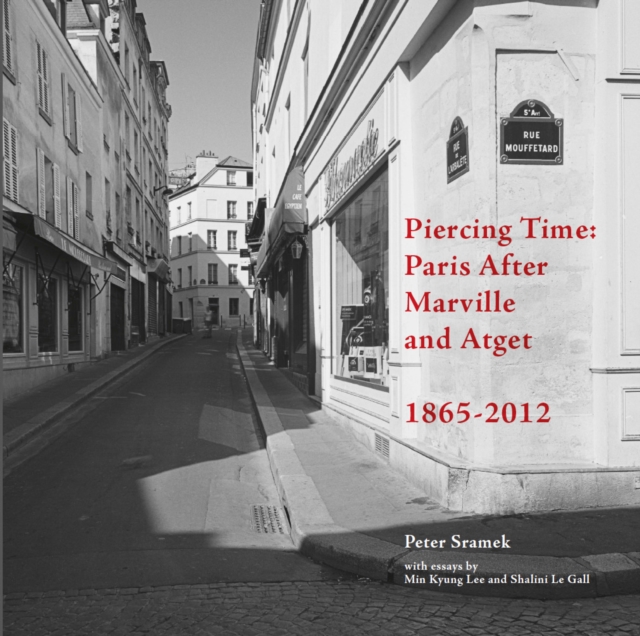
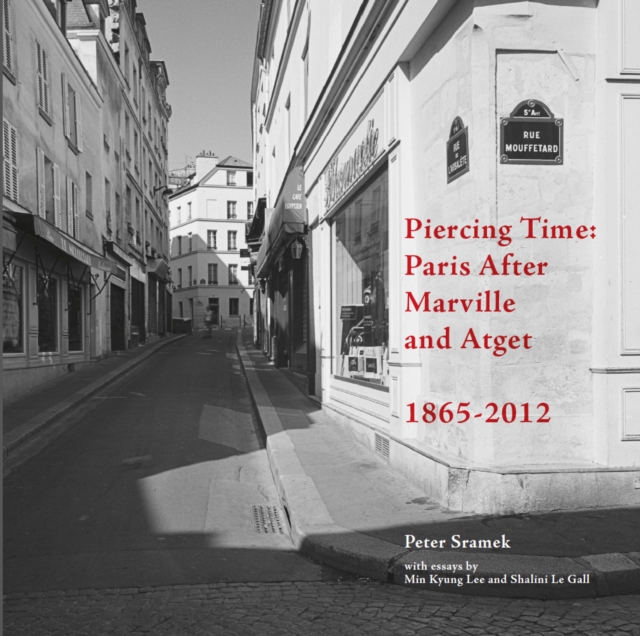
Piercing Time examines the role of photography in documenting urban change by juxtaposing contemporary 'rephotographs' taken by the author with images of nineteenth-century Paris taken by Charles Marville, who worked under Georges Haussmann, and corresponding photographs by Eugene Atget taken in the early twentieth century.
Piercing Time examines the role of photography in documenting urban change by juxtaposing contemporary 'rephotographs' taken by the author with images of nineteenth-century Paris taken by Charles Marville, who worked under Georges Haussmann, and corresponding photographs by Eugene Atget taken in the early twentieth century.
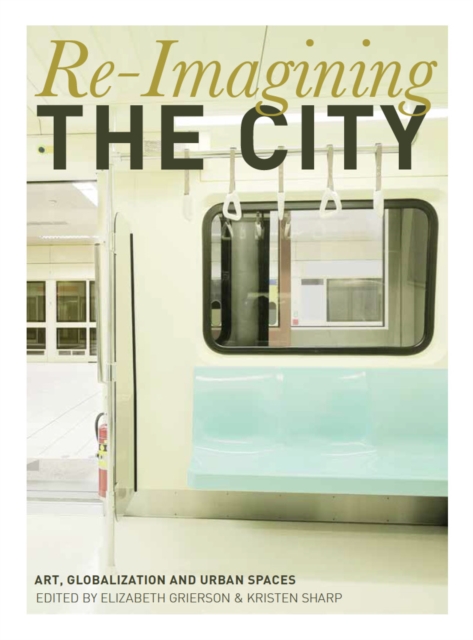
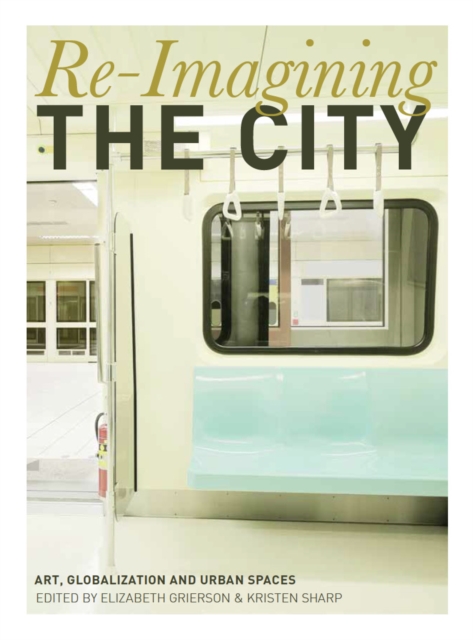
Re-Imagining the City: Art, Globalization, and Urban Spaces examines how contemporary processes of globalization are transforming cultural experience and production in urban spaces.
Re-Imagining the City: Art, Globalization, and Urban Spaces examines how contemporary processes of globalization are transforming cultural experience and production in urban spaces.
This book takes the small rural town of La Calera, in the outskirts of the Colombian capital of Bogota, as a case study to analyze how residents from different social classes - wealthier ex-urban newcomers arriving to traditionally peasant and rural areas - interact to decide how nature will be used in the face of further urban expansion.
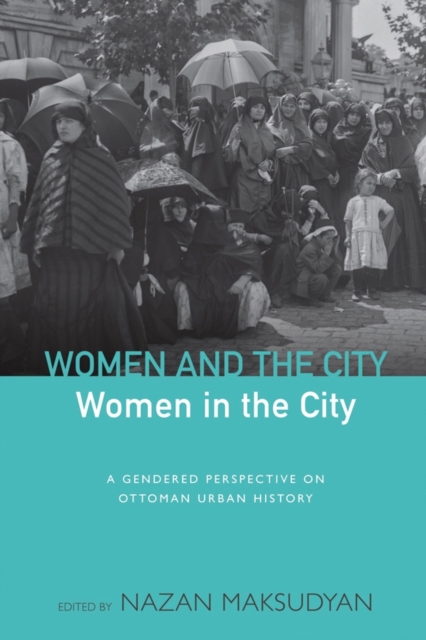
An attempt to reveal, recover and reconsider the roles, positions, and actions of Ottoman women, this volume reconsiders the negotiations, alliances, and agency of women in asserting themselves in the public domain in late- and post-Ottoman cities.
In the southern German city of Stuttgart lives a pious Muslim population that has merged with the local population to create a meaningful shared existence.
Shortly after the book s protagonists moved into their apartment complex in Sarajevo, they, like many others, were overcome by the 1992-1995 war and the disintegration of socialist Yugoslavia More than a decade later, in post-war Bosnia and Herzegovina, they felt they were collectively stuck in a time warp where nothing seemed to be as it should be.
Covering a period from the late eighteenth century to today, this volume explores the phenomenon of urban violence in order to unveil general developments and historical specificities in a variety of Middle Eastern contexts.
Examining urban environmental issues at the macro, municipal level down to the micro community and individual level, this volume features cities and metropolitan regions across the global north and south with case studies from the United States, Canada, Eastern and Western Europe to India, Central America, South America and Africa.
In his classic sequence of films, Patrick Keiller retraces the hidden story of the places where we live, the cities and landscapes of our everyday lives.