The Eastern Mediterranean is one of the world's most vibrant and vital commercial centres and for centuries the region's cities and ports have been at the heart of East-West trade.
During the 1990s, Naples left-wing administration sought to tackle the city s infamous reputation of being poor, crime-ridden, chaotic and dirty by reclaiming the city s cultural and architectural heritage.
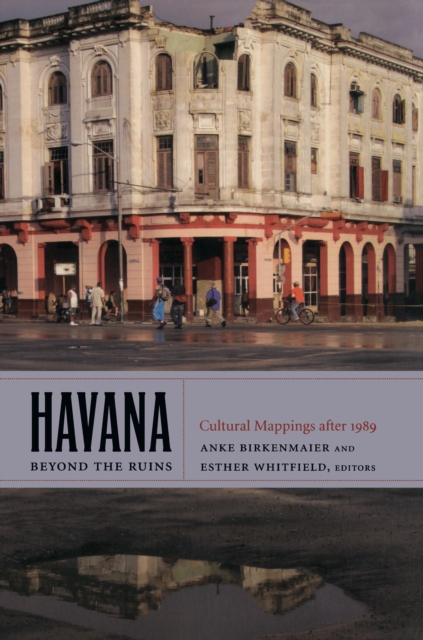
In Havana beyond the Ruins, prominent architects, scholars, and writers based in and outside of Cuba analyze how Havana has been portrayed in literature, music, and the visual arts since Soviet subsidies of Cuba ceased, and the Cuban state has re-imagined Havana as a destination for international tourists and business ventures.
The punitive turn of penal policy in the United States after the acme of the Civil Rights movement responds not to rising criminal insecurity but to the social insecurity spawned by the fragmentation of wage labor and the shakeup of the ethnoracial hierarchy.
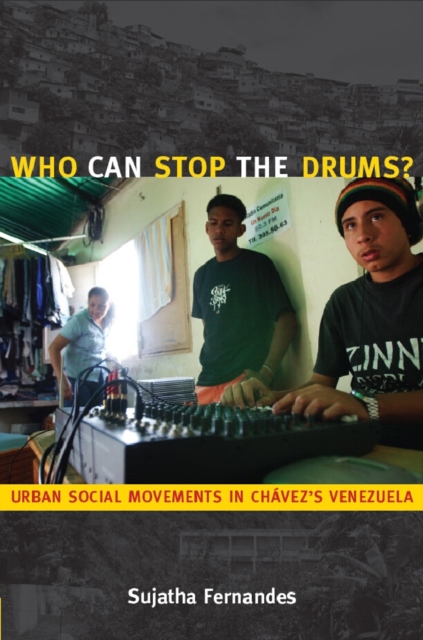
In this vivid ethnography of social movements in the barrios, or poor shantytowns, of Caracas, Sujatha Fernandes reveals a significant dimension of political life in Venezuela since President Hugo Chavez was elected.
South Koreans in the Debt Crisis is a detailed examination of the logic underlying the neoliberal welfare state that South Korea created in response to the devastating Asian Debt Crisis (1997-2001).
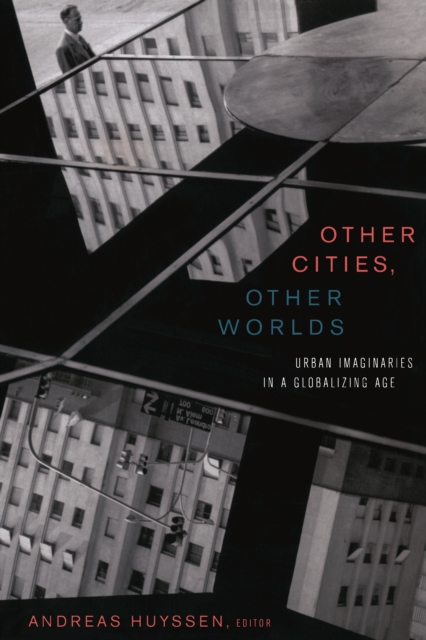
Other Cities, Other Worlds brings together leading scholars of cultural theory, urban studies, art, anthropology, literature, film, architecture, and history to look at non-Western global cities.
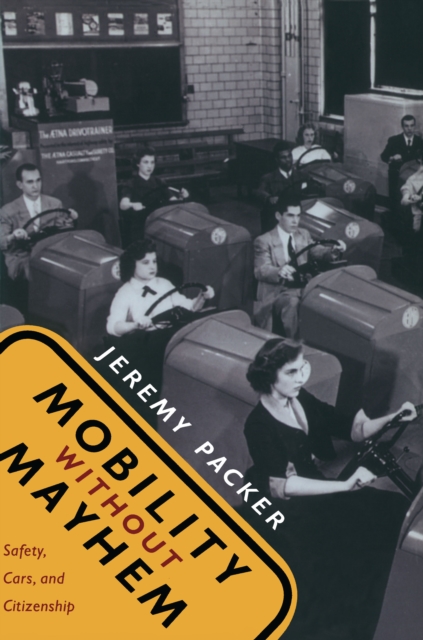
While Americans prize the ability to get behind the wheel and hit the open road, they have not always agreed on what constitutes safe, decorous driving or who is capable of it.
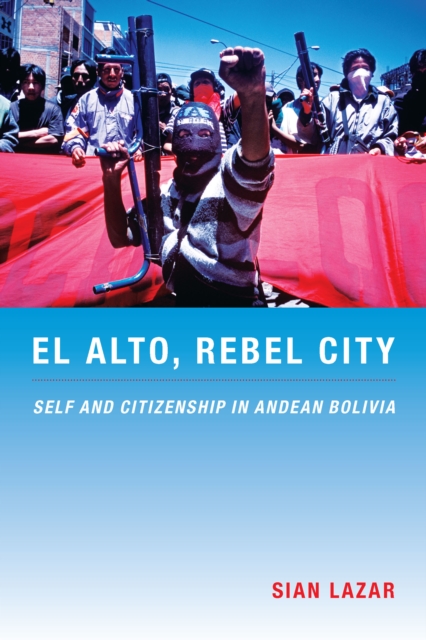
Combining anthropological methods and theories with political philosophy, Sian Lazar analyzes everyday practices and experiences of citizenship in a satellite city to the Bolivian capital of La Paz: El Alto, where more than three-quarters of the population identify as indigenous Aymara.
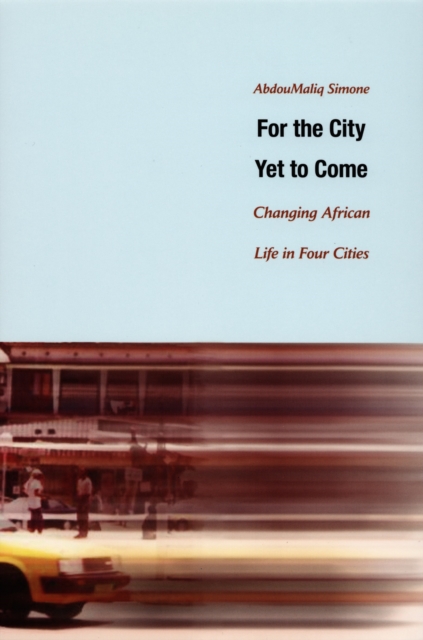
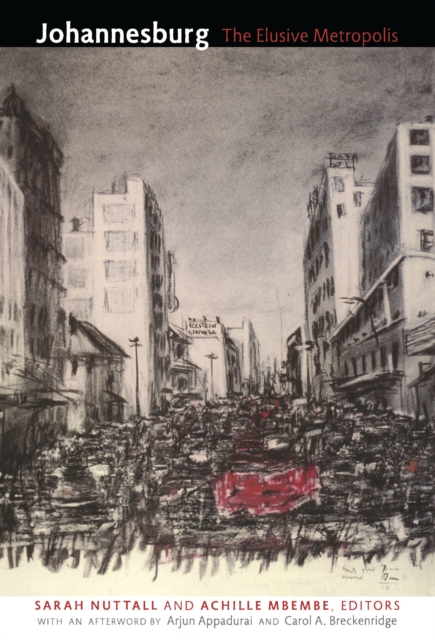
Among government officials, urban planners, and development workers, Africa's burgeoning metropolises are frequently understood as failed cities, unable to provide even basic services.
With the urbanization of eighteenth-century English society, moral philosophers became preoccupied with the difference between individual and crowd behavior.
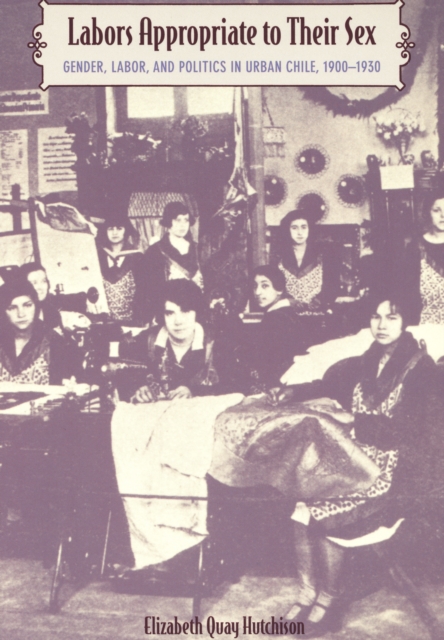
In Labors Appropriate to Their Sex Elizabeth Quay Hutchison addresses the plight of working women in early twentieth-century Chile, when the growth of urban manufacturing was transforming the contours of women's wage work and stimulating significant public debate, new legislation, educational reform, and social movements directed at women workers.
This collection of essays challenges long-entrenched ideas about the history, nature, and significance of the informal neighborhoods that house the vast majority of Latin America's urban poor.
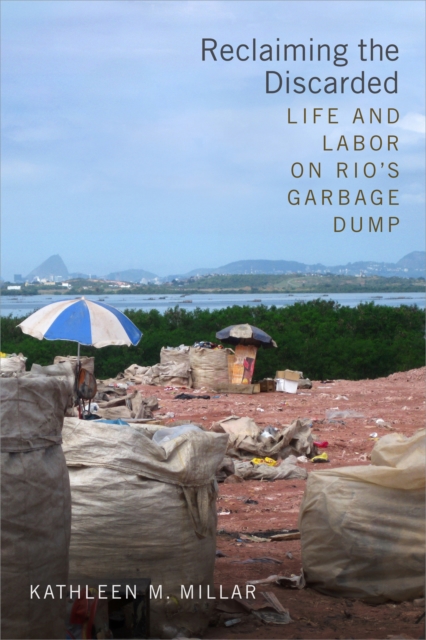
Beginning in the late 1970s, activists from the favelas of Rio de Janeiro challenged the conditions-such as limited access to security, sanitation, public education, and formal employment-that separated favela residents from Rio's other citizens.
In Oxford Street, Accra, Ato Quayson analyzes the dynamics of Ghana's capital city through a focus on Oxford Street, part of Accra's most vibrant and globalized commercial district.
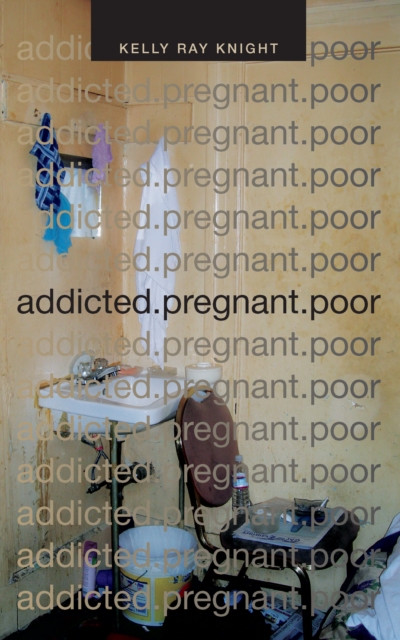
For the addicted, pregnant, and poor women living in daily-rent hotels in San Francisco's Mission district, life is marked by battles against drug cravings, housing debt, and potential violence.
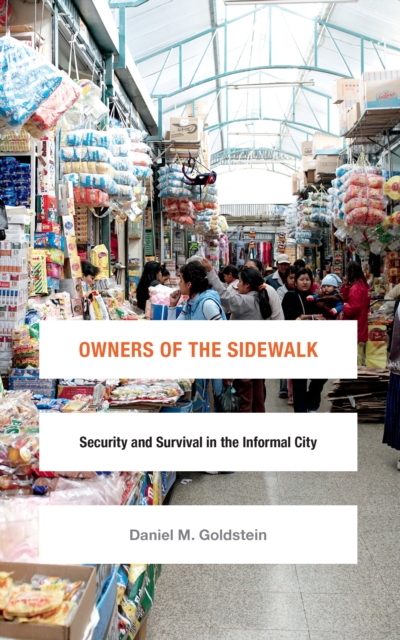
Many of Bolivia's poorest and most vulnerable citizens work as vendors in the Cancha mega-market in the city of Cochabamba, where they must navigate systems of informality and illegality in order to survive.
In A Century of Violence in a Red City Lesley Gill provides insights into broad trends of global capitalist development, class disenfranchisement and dispossession, and the decline of progressive politics.
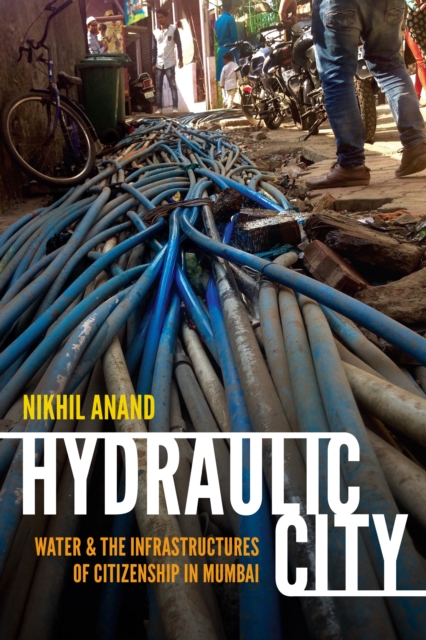
In Hydraulic City Nikhil Anand explores the politics of Mumbai's water infrastructure to demonstrate how citizenship emerges through the continuous efforts to control, maintain, and manage the city's water.
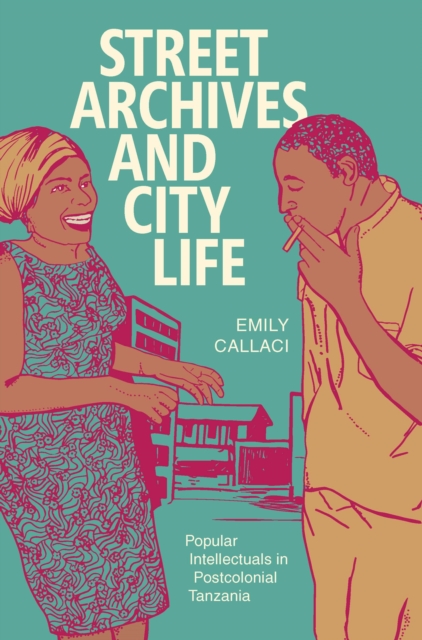
In Street Archives and City Life Emily Callaci maps a new terrain of political and cultural production in mid- to late twentieth-century Tanzanian urban landscapes.
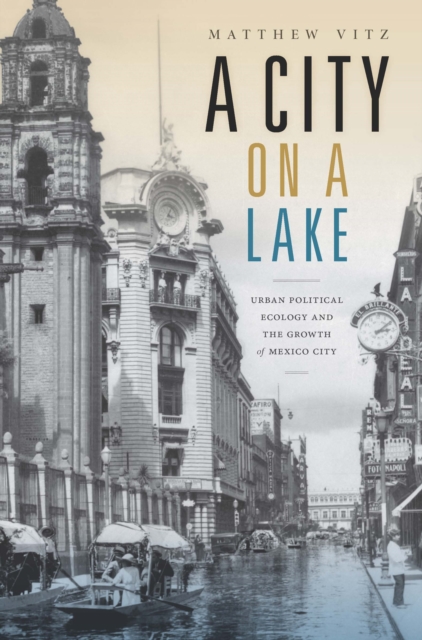
In A City on a Lake Matthew Vitz tracks the environmental and political history of Mexico City and explains its transformation from a forested, water-rich environment into a smog-infested megacity plagued by environmental problems and social inequality.
In Migrants and City-Making Ayse Caglar and Nina Glick Schiller trace the participation of migrants in the unequal networks of power that connect their lives to regional, national, and global institutions.