It is not uncommon to hear that poor school performance, welfare dependancy, youth unemployment, and criminal activity result more from shortcomings in the personal makeup of individuals than from societal forces beyond their control.
Television, Japan, and Globalization makes a monumental contribution to the literature of television studies, which has increasingly recognized its problematic focus on US and Western European media, and a compelling intervention in discussions of globalization, through its careful attention to contradictory and complex phenomena on Japanese TV.
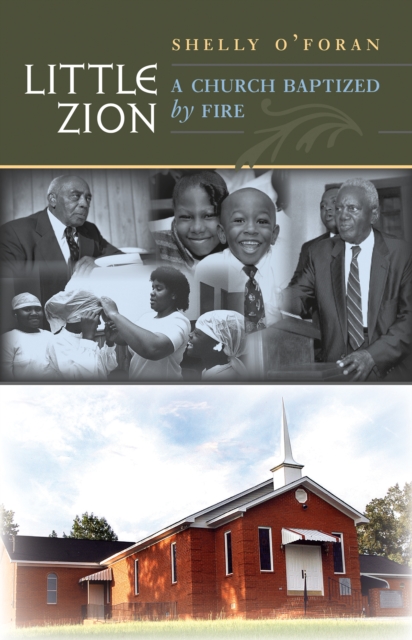
The arson attacks in early 2006 on a number of small Baptist churches in rural Alabama recalled the rash of burnings at dozens of predominantly black houses of worship in the South during the mid-1990s.
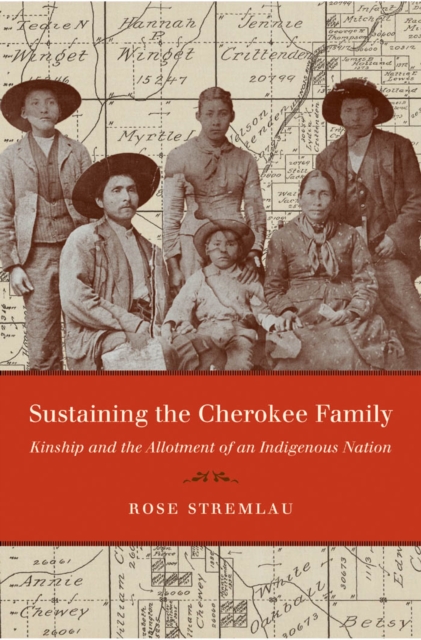
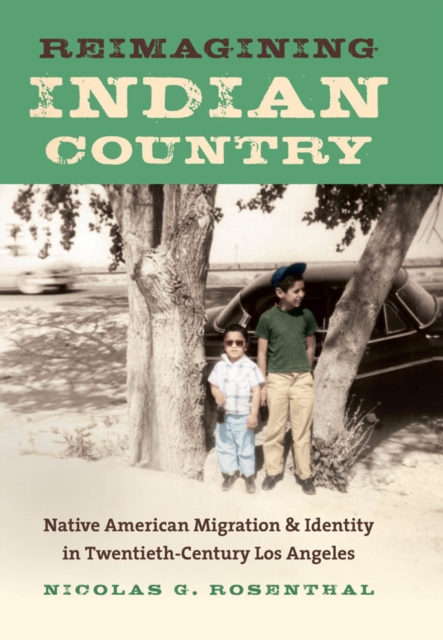
During the late nineteenth and early twentieth centuries, the federal government sought to forcibly assimilate Native Americans into American society through systematized land allotment.
Giving close consideration to previously neglected debates, Matthew Mason challenges the common contention that slavery held little political significance in America until the Missouri Crisis of 1819.
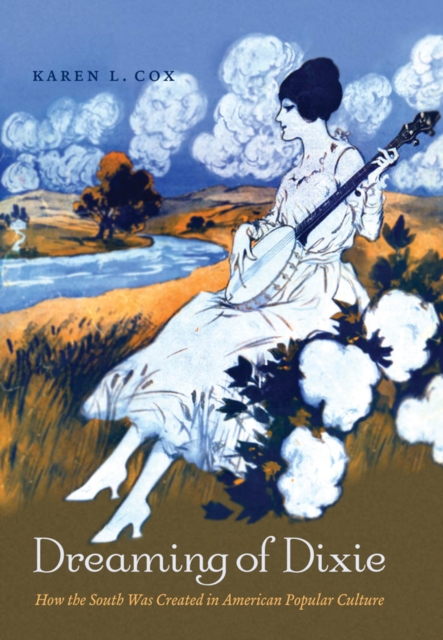
From the late nineteenth century through World War II, popular culture portrayed the American South as a region ensconced in its antebellum past, draped in moonlight and magnolias, and represented by such southern icons as the mammy, the belle, the chivalrous planter, white-columned mansions, and even bolls of cotton.
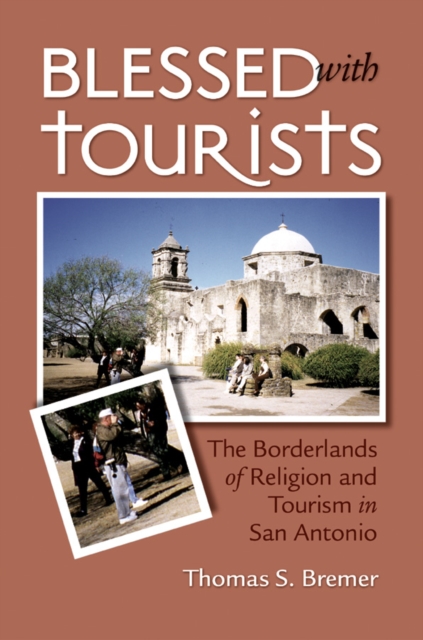
More than a million tourists visit religious landmarks in San Antonio, Texas, each year, observing and sometimes participating in religious activities there.
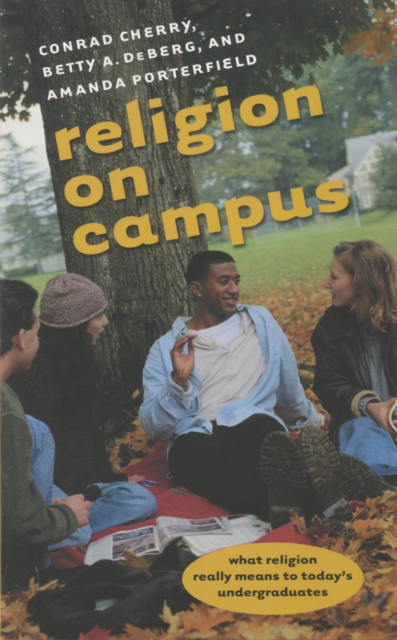
The first intensive, close-up investigation of the practice and teaching of religion at American colleges and universities, Religion on Campus is an indispensable resource for all who want to understand what religion really means to todays undergraduates.
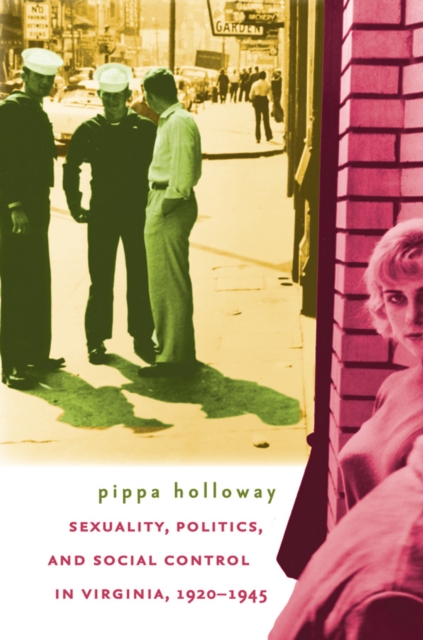
In the first half of the twentieth century, white elites who dominated Virginia politics sought to increase state control over African Americans and lower-class whites, whom they saw as oversexed and lacking sexual self-restraint.
Michael Kay and Lorin Cary illuminate new aspects of slavery in colonial America by focusing on North Carolina, which has largely been ignored by scholars in favor of the more mature slave systems in the Chesapeake and South Carolina.
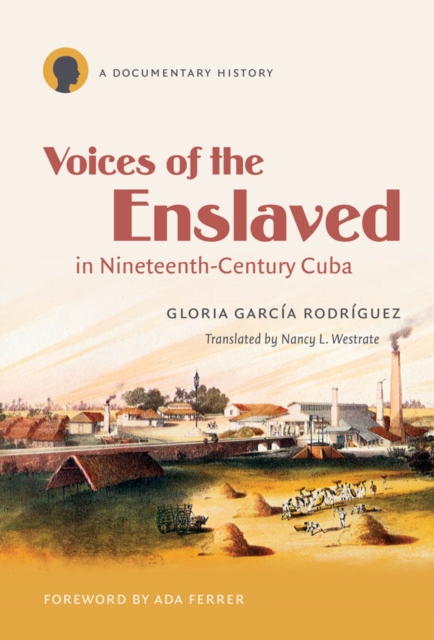
Putting the voices of the enslaved front and center, Gloria Garca Rodrguezs study presents a compelling overview of African slavery in Cuba and its relationship to the plantation system that was the economic center of the New World.
From 2004 to 2006 the Osage Nation conducted a contentious governmental reform process in which sharply differing visions arose over the new governments goals, the Nations own history, and what it means to be Osage.
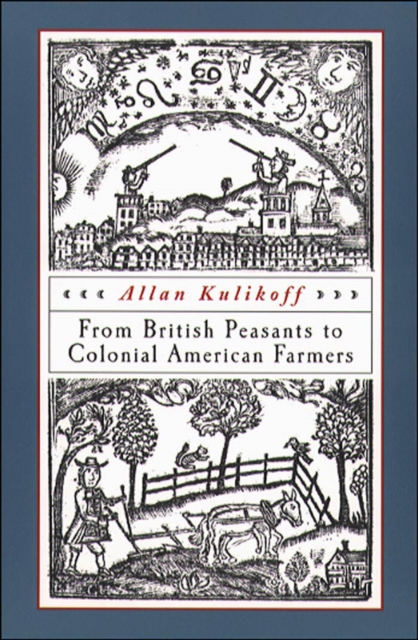
With this book, Allan Kulikoff offers a sweeping new interpretation of the origins and development of the small farm economy in Britains mainland American colonies.
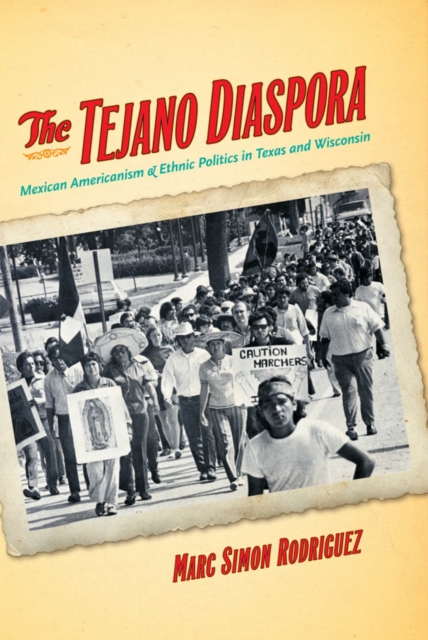
Each spring during the 1960s and 1970s, a quarter million farm workers left Texas to travel across the nation, from the Midwest to California, to harvest Americas agricultural products.
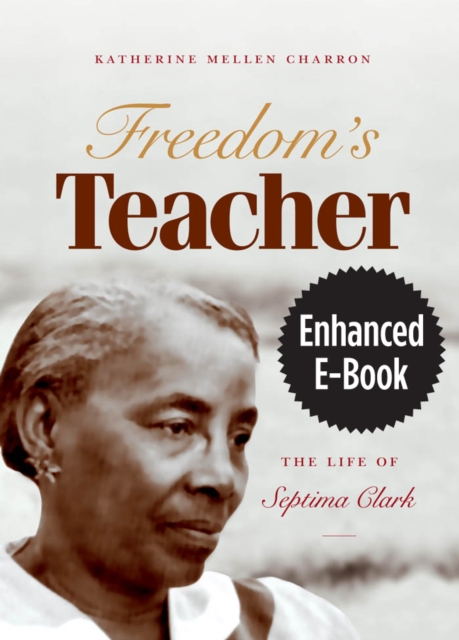
Civil rights activist Septima Poinsette Clark (1898-1987) developed a citizenship education program that enabled tens of thousands of African Americans to register to vote and to link the power of the ballot to concrete strategies for individual and communal empowerment.
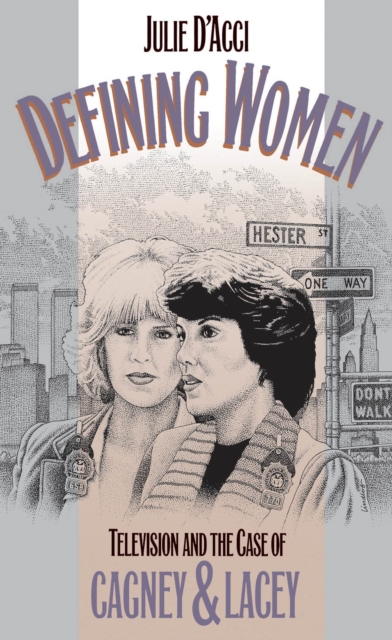
Defining Women explores the social and cultural construction of gender and the meanings of woman, women, and femininity as they were negotiated in the pioneering television series Cagney and Lacey, starring two women as New York City police detectives.
A landmark work of womens history originally published in 1967, Gerda Lerners best-selling biography of Sarah and Angelina Grimk explores the lives and ideas of the only southern women to become antislavery agents in the North and pioneers for womens rights.
Weaving national narratives from stories of the daily lives and familiar places of local residents, Franoise Hamlin chronicles the slow struggle for black freedom through the history of Clarksdale, Mississippi.
In this remarkable book, Graham Hodges presents a comprehensive history of African Americans in New York City and its rural environs from the arrival of the first African a sailor marooned on Manhattan Island in 1613 to the bloody Draft Riots of 1863.
The Greening of Protestant Thought traces the increasing influence of environmentalism on American Protestantism since the first Earth Day, which took place in 1970.
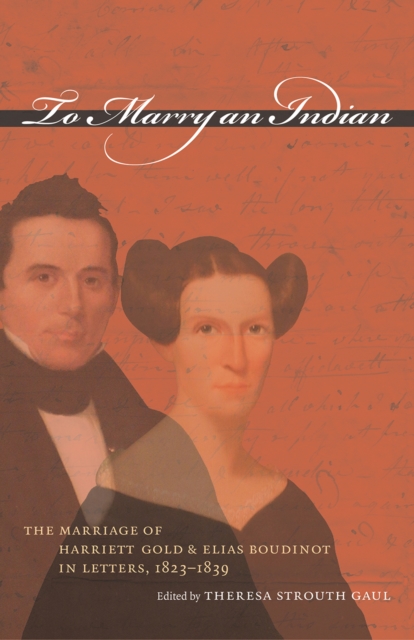
When nineteen-year-old Harriett Gold, from a prominent white family in Cornwall, Connecticut, announced in 1825 her intention to marry a Cherokee man, her shocked family initiated a spirited correspondence debating her decision to marry an Indian.