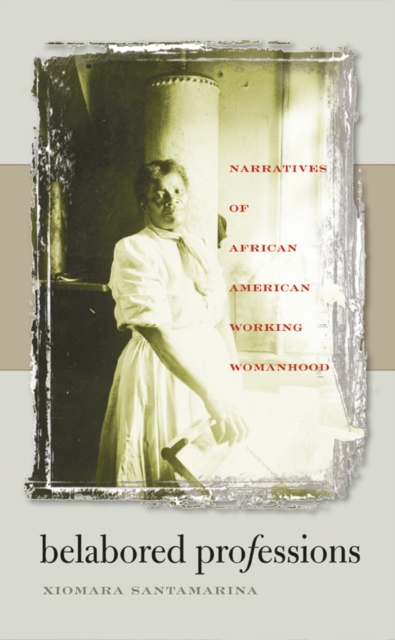
Although historians over the past two decades have written extensively on the plantation mistress and the slave woman, they have largely neglected the world of the working woman.
This volume explores the lives and works of nine Northern women who wrote during the Civil War period, examining the ways in which, through their writing, they engaged in the national debates of the time.
In the first half of the twentieth century, Americans' intense concern with sex crimes against children led to a wave of public discussion, legislative action, and criminal prosecution.
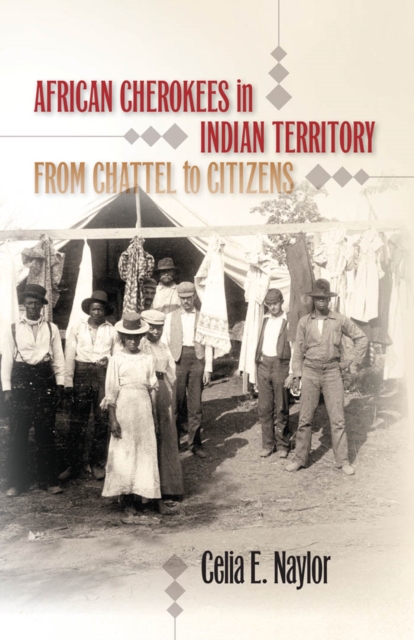
Forcibly removed from their homes in the late 1830s, Cherokee, Creek, Choctaw, and Chickasaw Indians brought their African-descended slaves with them along the Trail of Tears and resettled in Indian Territory, present-day Oklahoma.
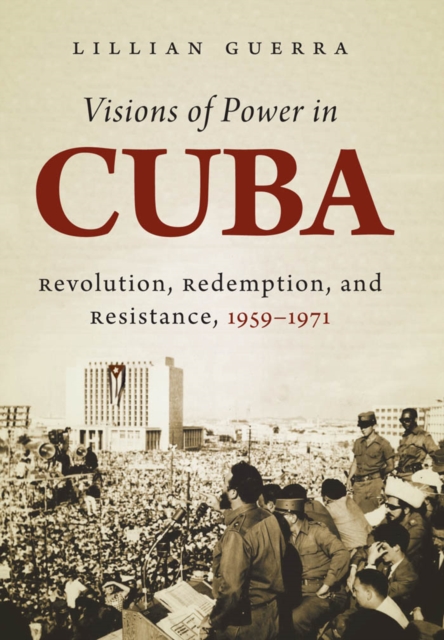
In the tumultuous first decade of the Cuban Revolution, Fidel Castro and other leaders saturated the media with altruistic images of themselves in a campaign to win the hearts of Cubas six million citizens.
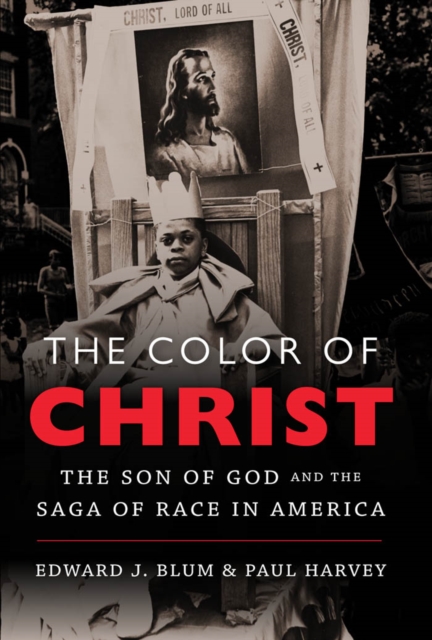
How is it that in America the image of Jesus Christ has been used both to justify the atrocities of white supremacy and to inspire the righteousness of civil rights crusades?
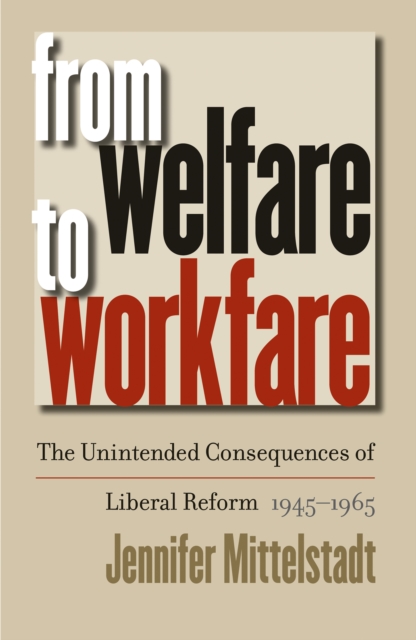
In 1996, Democratic president Bill Clinton and the Republican-controlled Congress ended welfare as we know it and trumpeted workfare as a dramatic break from the past.
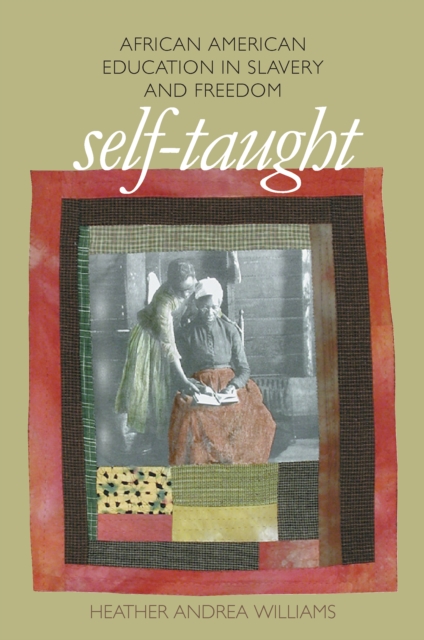
In this previously untold story of African American self-education, Heather Andrea Williams moves across time to examine African Americans' relationship to literacy during slavery, during the Civil War, and in the first decades of freedom.
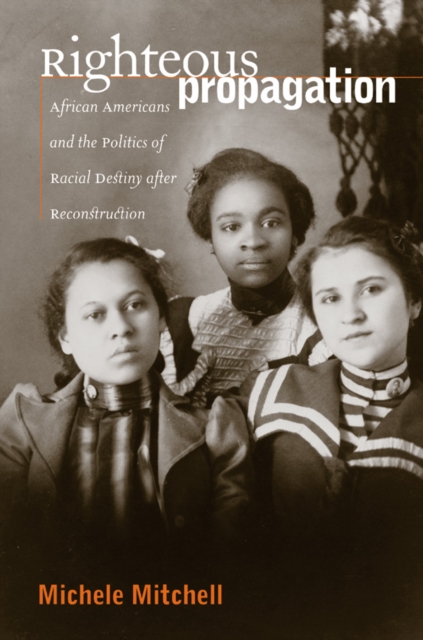
Between 1877 and 1930 years rife with tensions over citizenship, suffrage, immigration, and the Negro problem African American activists promoted an array of strategies for progress and power built around racial destiny, the idea that black Americans formed a collective whose future existence would be determined by the actions of its members.
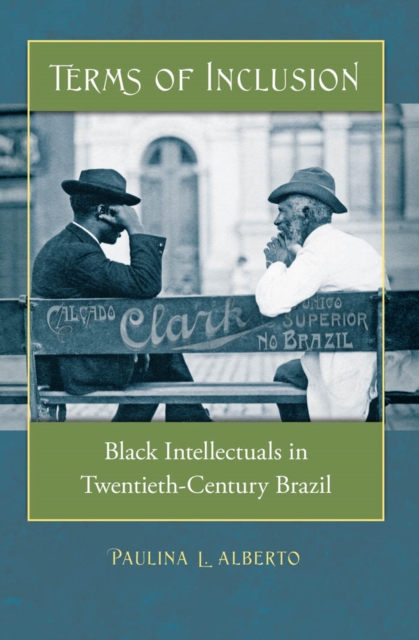
In this history of black thought and racial activism in twentieth-century Brazil, Paulina Alberto demonstrates that black intellectuals, and not just elite white Brazilians, shaped discourses about race relations and the cultural and political terms of inclusion in their modern nation.
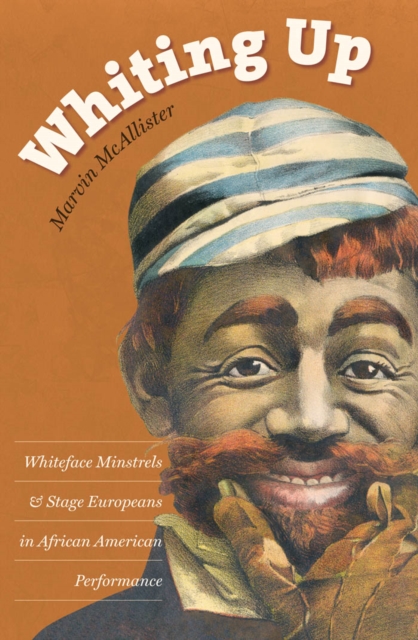
In the early 1890s, black performer Bob Cole turned blackface minstrelsy on its head with his nationally recognized whiteface creation, a character he called Willie Wayside.
According to nineteenth-century racial uplift ideology, African American women served their race best as reformers and activists, or as doers of the word.
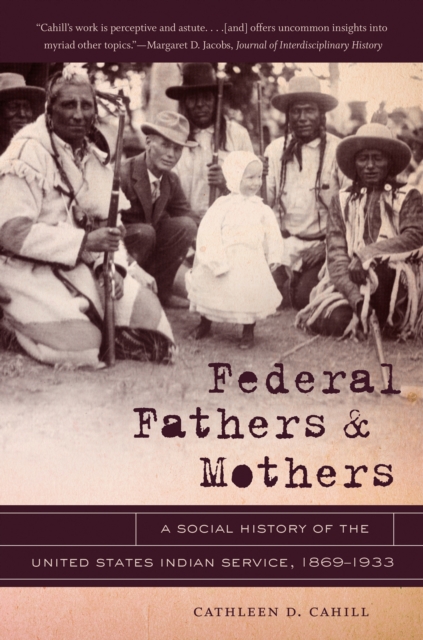
Established in 1824, the United States Indian Service (USIS), now known as the Bureau of Indian Affairs, was the agency responsible for carrying out U.
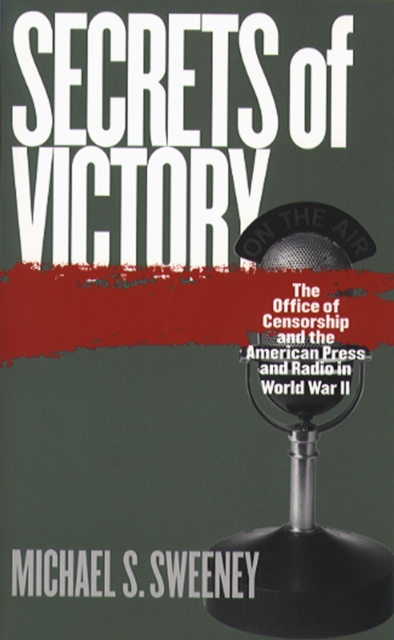
During World War II, the civilian Office of Censorship supervised a huge and surprisingly successful program of news management: the voluntary self-censorship of the American press.
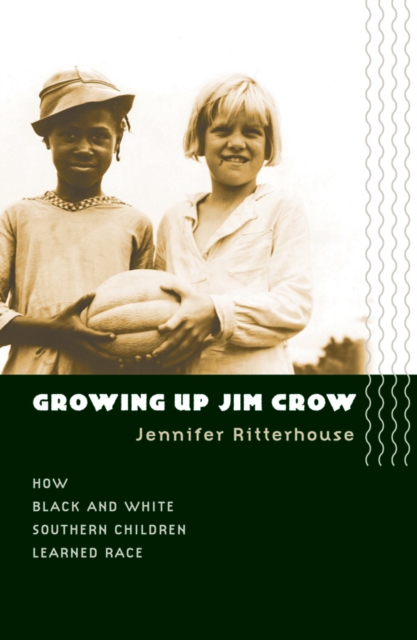
In the segregated South of the early twentieth century, unwritten rules guided every aspect of individual behavior, from how blacks and whites stood, sat, ate, drank, walked, and talked to whether they made eye contact with one another.
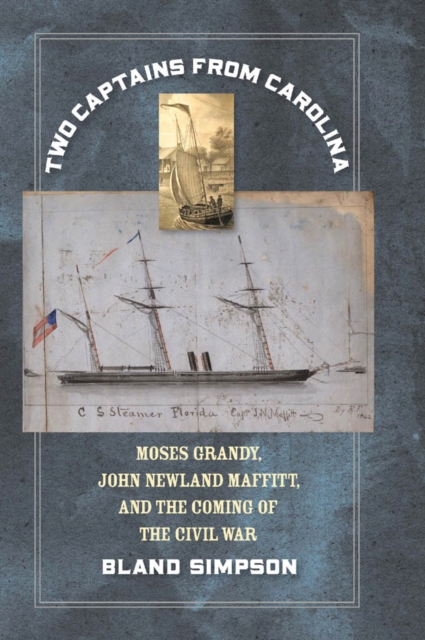
In Two Captains from Carolina, Bland Simpson twines together the lives of two accomplished nineteenth-century mariners from North Carolina one African American, one Irish American.
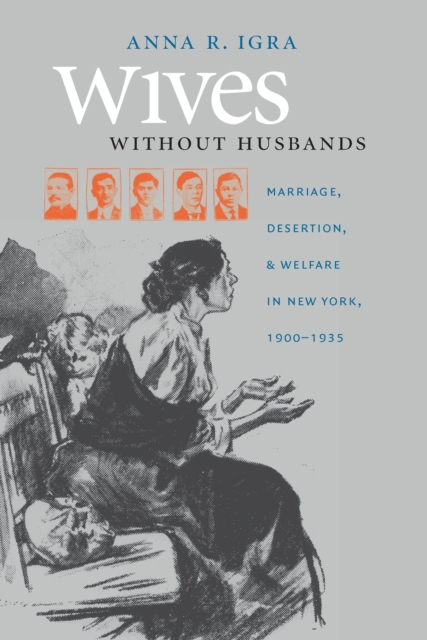
Shedding new light on contemporary campaigns to encourage marriage among welfare recipients and to prosecute deadbeat dads, Wives without Husbands traces the efforts of Progressive reformers to make runaway husbands support their families.
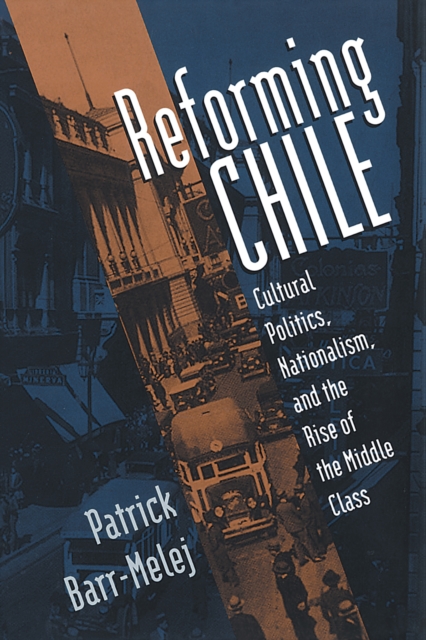
Highlighting the crucial yet largely overlooked role played by societys middle layers in the historical development of Latin America, Patrick Barr-Melej provides the first comprehensive analysis of the rise of Chiles middle-class reform movement and its profound impact on that countrys cultural and political landscapes.
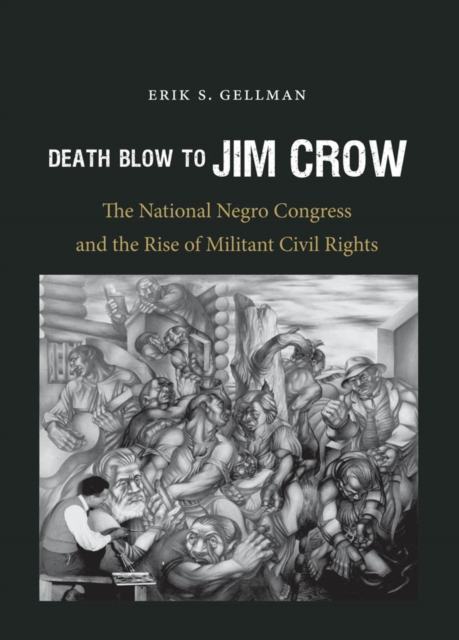
During the Great Depression, black intellectuals, labor organizers, and artists formed the National Negro Congress (NNC) to demand a second emancipation in America.
Between 1845 and 1855, 2 million Irish men and women fled their famine-ravaged homeland, many to settle in large British and American cities that were already wrestling with a complex array of urban problems.
The intense urbanization and industrialization of Americas largest city from the turn of the twentieth century to World War II was accompanied by profound shifts in sexual morality, sexual practices, and gender roles.
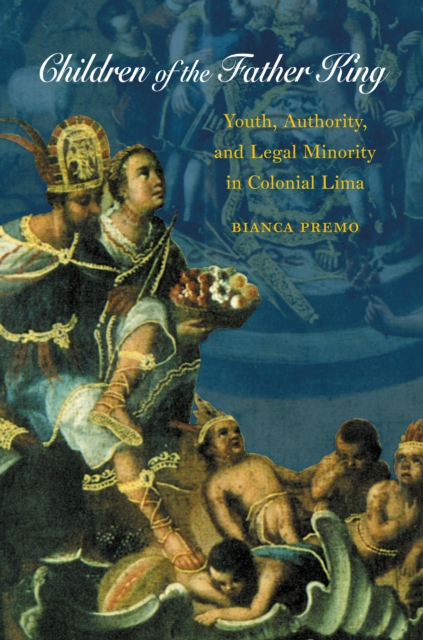
In a pioneering study of childhood in colonial Spanish America, Bianca Premo examines the lives of youths in the homes, schools, and institutions of the capital city of Lima, Peru.
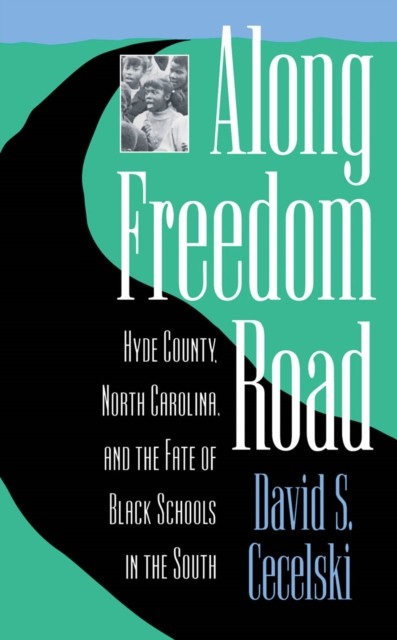
David Cecelski chronicles one of the most sustained and successful protests of the civil rights movement the 196869 school boycott in Hyde County, North Carolina.
'A vital book' JUNO ROCHE'Beautifully illustrated and fascinating' MEG-JOHN BARKER'Fun and fact-filled' SUSAN STRYKERThis inspiring collection of illustrated portraits celebrates the lives of influential transgender, non-binary and intersex figures throughout history.
Moonbeam Children's Book Awards Gold Medal WinnerThis is an illustrated children's book for ages 7-11 that makes gender identity, sexual orientation and family diversity easy to explain to children.
The rates of bullying, truancy due to lack of safety in schools, and subsequent suicidality for LGBT+ youth are exponentially higher than for non-LGBT+ youth.
Colostrum Unveiled: The Human and Animal Benefits of Bovine Colostrum is emerging as a groundbreaking topic in the fields of health and nutrition, and this book provides a comprehensive exploration of its biological, nutritional, and clinical applications.
Lisa Gay Nichols is the mom of a former difficult teen and learned the biggest lessons of her life, which she shares in Surviving Your Out-of-Control Teen.
Cristina's son was about to embark on gender-affirming care that would likely cause infertility, when she realised the need to support both her child and the adult he would become, and give him the right to have children of his own.
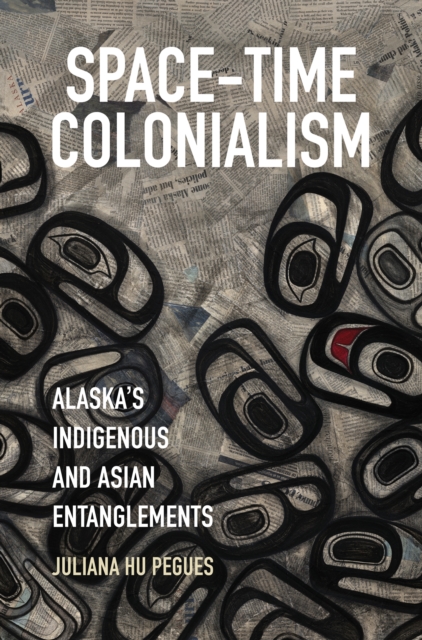
As the enduring last frontier, Alaska proves an indispensable context for examining the form and function of American colonialism, particularly in the shift from western continental expansion to global empire.
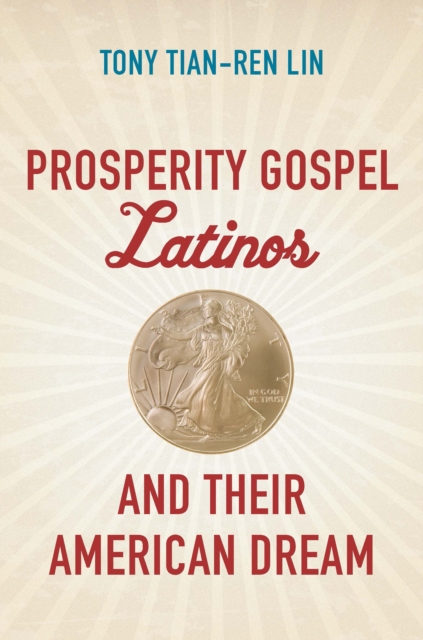
In this immersive ethnography, Tony Tian-Ren Lin explores the reasons that Latin American immigrants across the United States are increasingly drawn to Prosperity Gospel Pentecostalism, a strand of Protestantism gaining popularity around the world.