Early twentieth-century African American men in northern urban centers like New York faced economic isolation, segregation, a biased criminal justice system, and overt racial attacks by police and citizens.
Red Clay, 1835 envelops students in the treaty negotiations between the Cherokee National Council and representatives of the United States at Red Clay, Tennessee.
In the antebellum United States, formerly enslaved men and women who told their stories and advocated for abolition helped establish a new genre with widely recognized tropes: the slave narrative.
In this sweeping chronicle of guarana glossy-leaved Amazonian vine packed with more caffeine than any other plantSeth Garfield develops a wide-ranging approach to the history of Brazil itself.
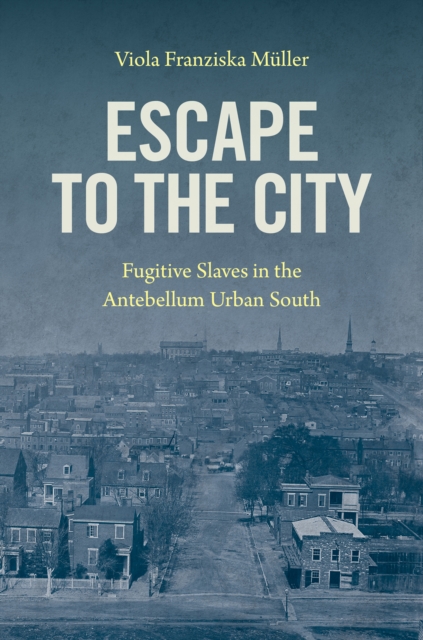
Viola Franziska Mller examines runaways who camouflaged themselves among the free Black populations in Baltimore, Charleston, New Orleans, and Richmond.
The story of activist youth in America is usually framed around the Vietnam War, the counterculture, and college campuses, focusing primarily on college students in the 1960s and 1970s.
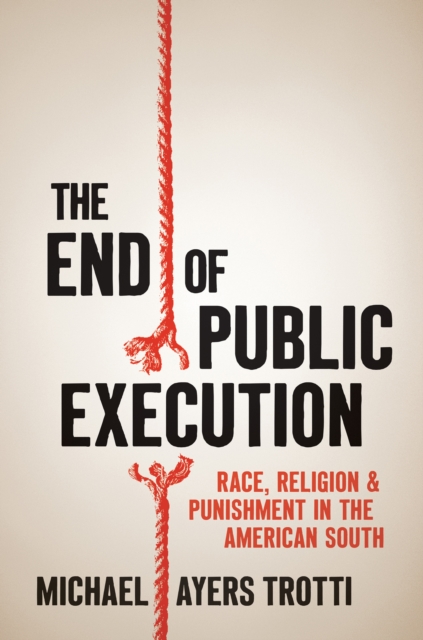
Before 1850, all legal executions in the South were performed before crowds that could number in the thousands; the last legal public execution was in 1936.
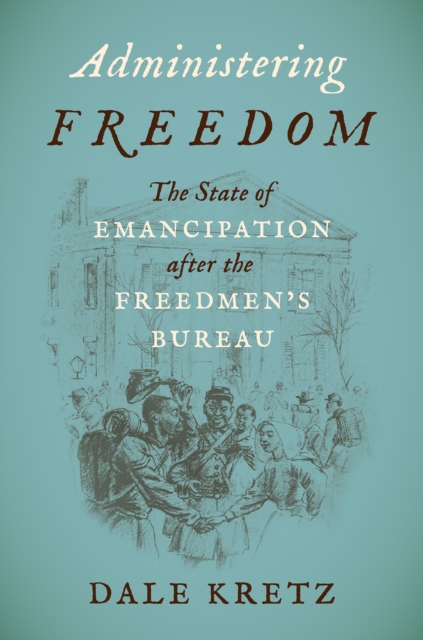
This book offers the definitive history of how formerly enslaved men and women pursued federal benefits from the Civil War to the New Deal and, in the process, transformed themselves from a stateless people into documented citizens.
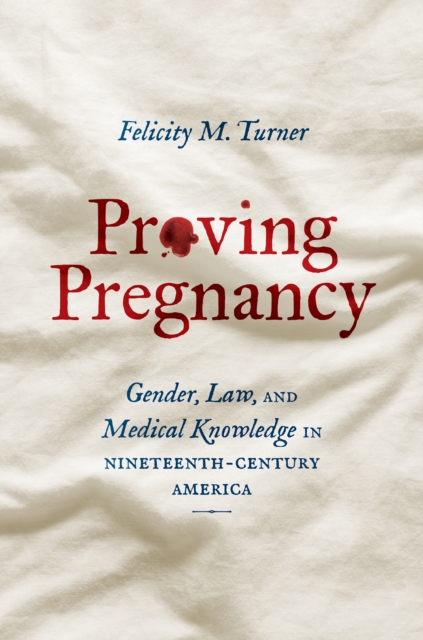
Examining infanticide cases in the United States from the late eighteenth to the late nineteenth centuries, Proving Pregnancy documents how womenBlack and white, enslaved and freegradually lost control over reproduction to male medical and legal professionals.
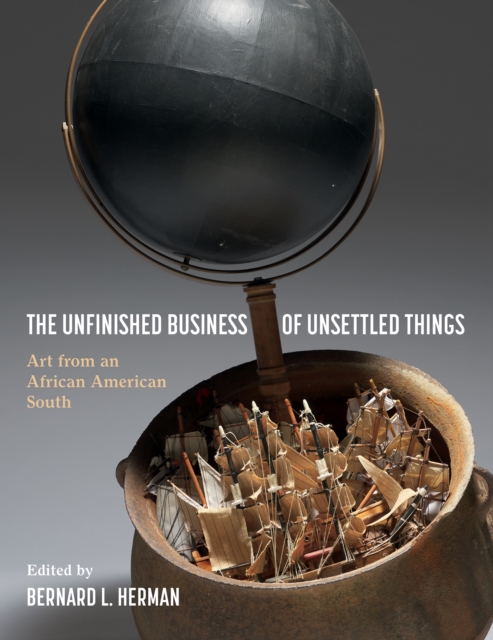
This book invites readers into a growing, dynamic conversation among scholars and critics around a vibrant community of artists from an African American South.
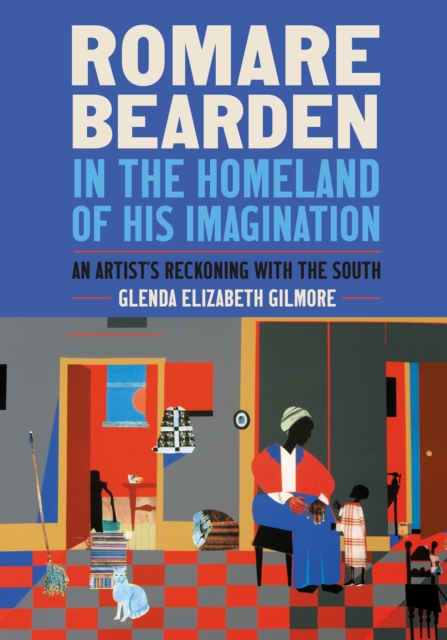
Romare Bearden (19111988), one of the most prolific, original, and acclaimed American artists of the twentieth century,richly depictedscenes and figures rooted in the American South and the Black experience.
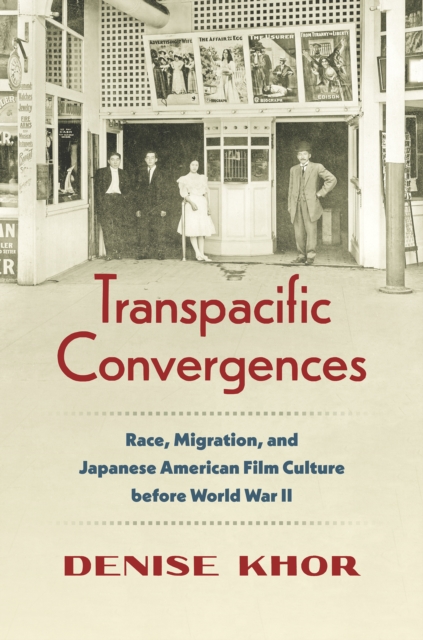
Despite the rise of the Hollywood system and hostility to Asian migrant communities in the early twentieth-century United States, Japanese Americans created a thriving cinema culture that produced films and established theaters and exhibition companies to facilitate their circulation between Japan and the United States.
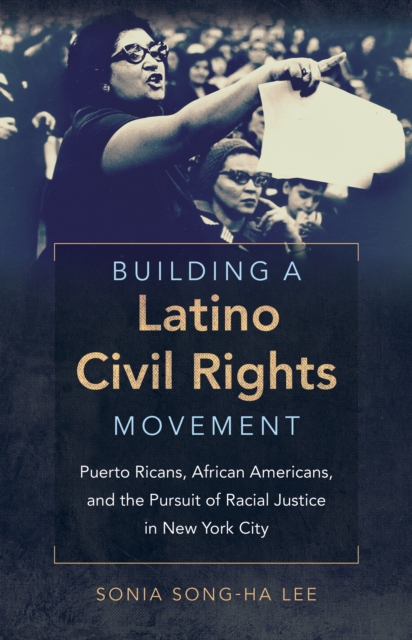
In the first book-length history of Puerto Rican civil rights in New York City, Sonia Lee traces the rise and fall of an uneasy coalition between Puerto Rican and African American activists from the 1950s through the 1970s.
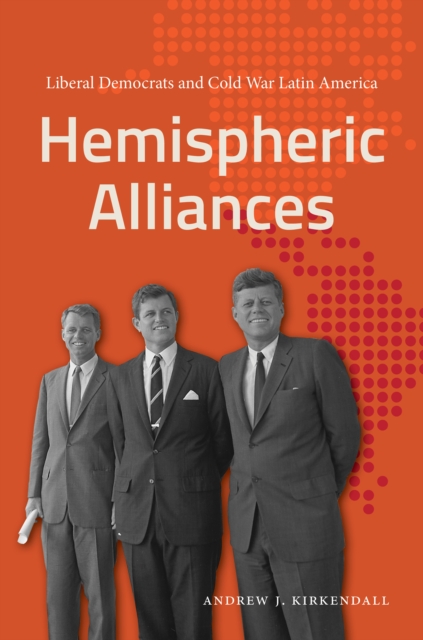
Hemispheric foreign policy has waxed and waned since the Mexican War, and the Cold War presented both extraordinary promises and dangerous threats to U.
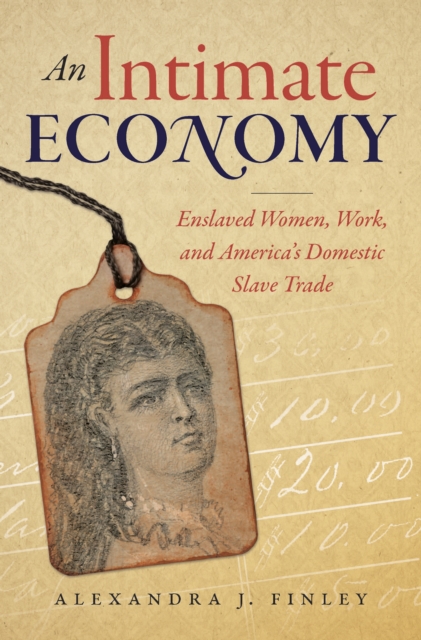
Alexandra Finley adds crucial new dimensions to the boisterous debate over the relationship between slavery and capitalism by placing womens labor at the center of the antebellum slave trade, focusing particularly on slave traders' ability to profit from enslaved womens domestic, reproductive, and sexual labor.
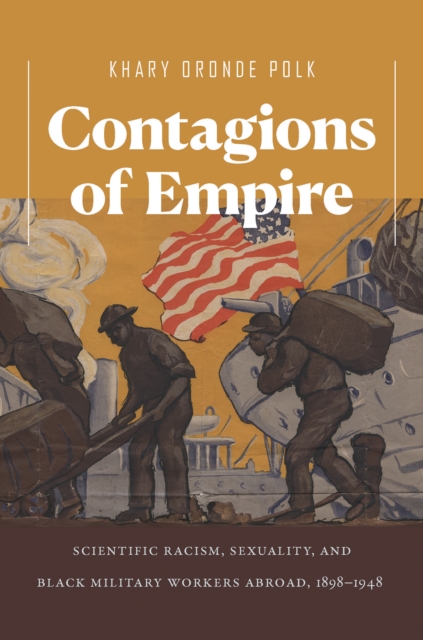
From 1898 onward, the expansion of American militarism and empire abroad increasingly relied on black labor, even as policy remained inflected both by scientific racism and by fears of contagion.
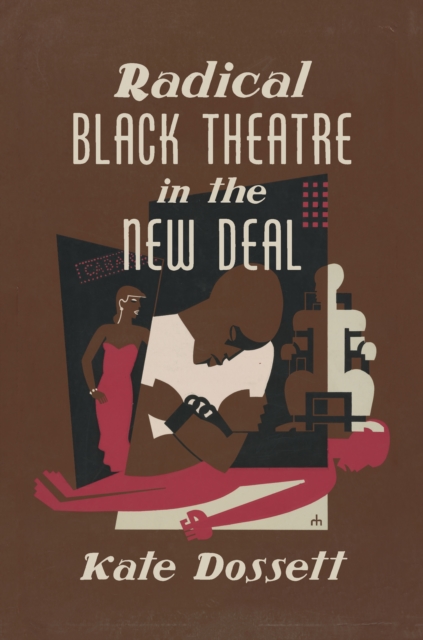
Between 1935 and 1939, the United States government paid out-of-work artists to write, act, and stage theatre as part of the Federal Theatre Project (FTP), a New Deal job relief program.
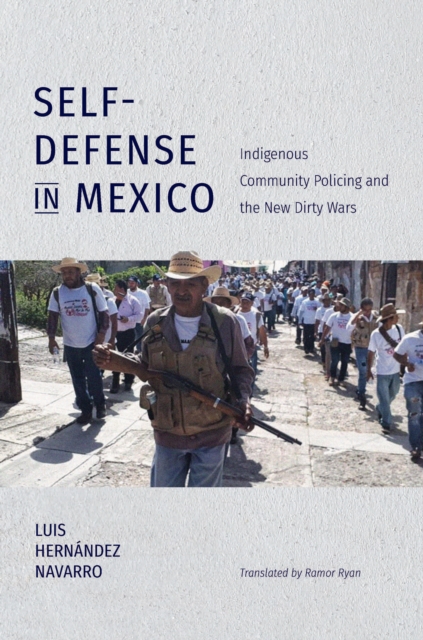
In Mexico and across other parts of Latin America local Indigenous peoples have built community policing groups as a means of protection where the state has limited control over, and even complicity in, crime and violence.
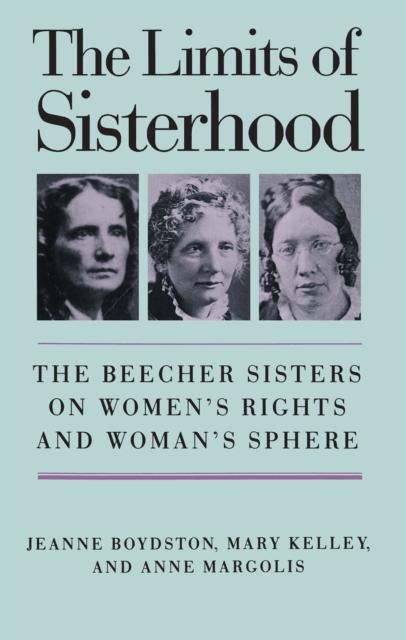
In a century almost continually at odds with the proper place of females, Catherine Esther Beecher, Harriet Beecher Stowe, and Isabella Beecher Hooker shared a commitment to womens power.
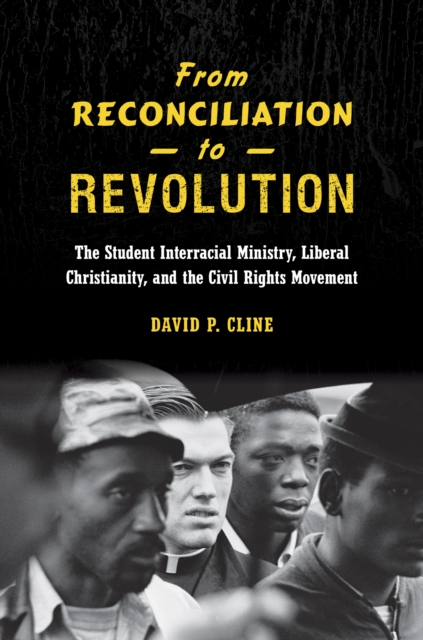
Conceived at the same conference that produced the Student Nonviolent Coordinating Committee (SNCC), the Student Interracial Ministry (SIM) was a national organization devoted to dismantling Jim Crow while simultaneously advancing American Protestant mainline churches approach to race.
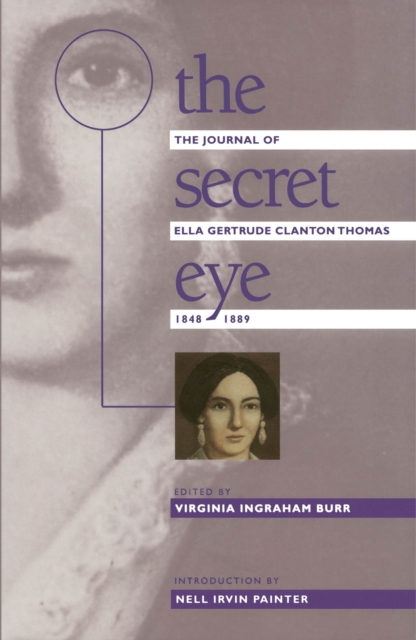
The journal of Ella Gertrude Clanton Thomas, spanning the years from 1848 to 1889, is rare for its treatment of both the Civil War and postbellum years and for its candor and detail in treating these eras.
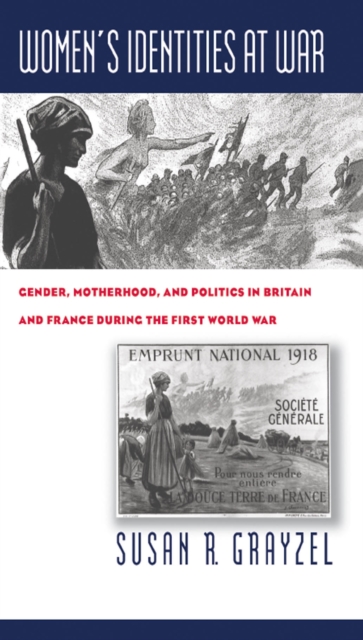
There are few moments in history when the division between the sexes seems as natural as during wartime: men go off to the war front, while women stay behind on the home front.