Gunnar Myrdals An American Dilemma (1944) influenced the attitudes of a generation of Americans on the race issue and established Myrdal as a major critic of American politics and culture.
In this first comprehensive study of womens property rights in early America, Marylynn Salmon discusses the effect of formal rules of law on womens lives.
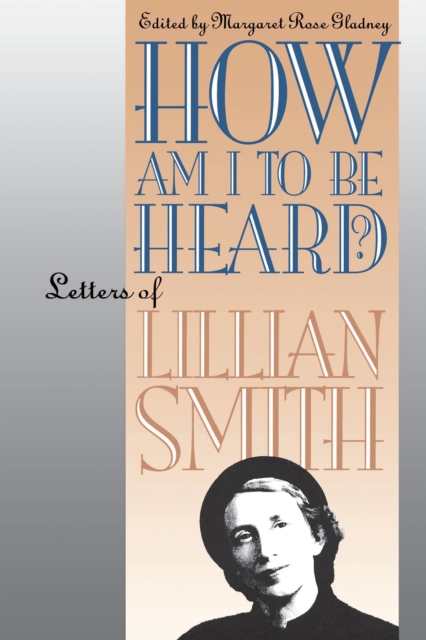
This compelling volume offers the first full portrait of the life and work of writer Lillian Smith (18971966), the foremost southern white liberal of the mid-twentieth century.
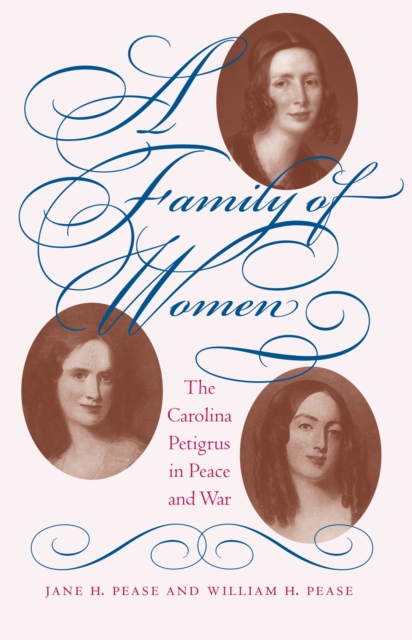
The often-stereotyped belles and matrons of the nineteenth-century South emerge as diverse personalities in this compelling account of three generations of women from a South Carolina family whose fate rose and fell with the fortunes of the state.
An Ordered Love is the first detailed study of sex roles in the utopian communities that proposed alternatives to monogamous marriage: The Shakers (1779-1890), the Mormons (1843-90), and the Oneida Community (1848-79).
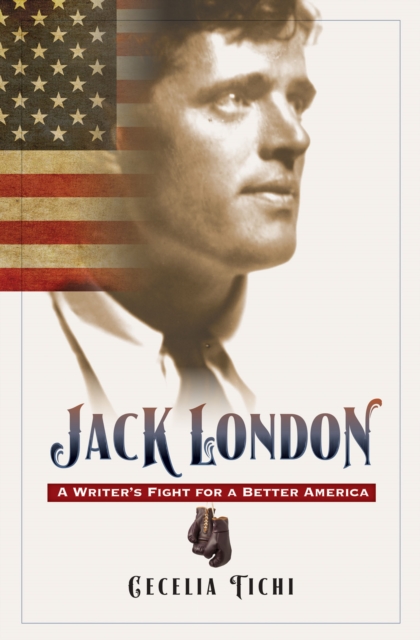
Jack London (1876-1916) found fame with his wolf-dog tales and sagas of the frozen North, but Cecelia Tichi challenges the long-standing view of London as merely a mass-market producer of potboilers.
These thirty-four letters, written by members of the William Ellison family, comprise the only sustained correspondence by a free Afro-American family in the late antebellum South.
Professing a policy of cultural and social integration, the American settlement house movement made early progress in helping immigrants adjust to life in American cities.
Drawing on a decade-long ethnographic study of seven Illinois farming communities, Salamon demonstrates how family land transfers serve as the mechanism fro recreating the social relations fundamental to midwestern ethnic identities.
In the early decades of the twentieth century, tens of thousands of African Americans arrived at Detroits Michigan Central Station, part of the Great Migration of blacks who left the South seeking improved economic and political conditions in the urban North.
This social and cultural history of Argentinas long sixties argues that the nations younger generation was at the epicenter of a public struggle over democracy, authoritarianism, and revolution from the mid-twentieth century through the ruthless military dictatorship that seized power in 1976.
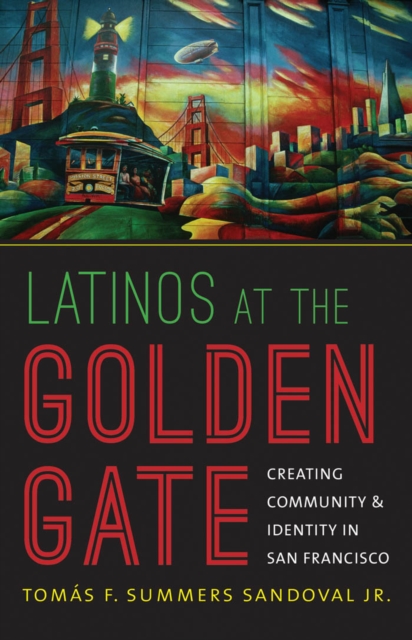
Born in an explosive boom and built through distinct economic networks, San Francisco has a cosmopolitan character that often masks the challenges migrants faced to create community in the city by the bay.
According to Michael Barkun, many white supremacist groups of the radical right are deeply committed to the distinctive but little-recognized religious position known as Christian Identity.
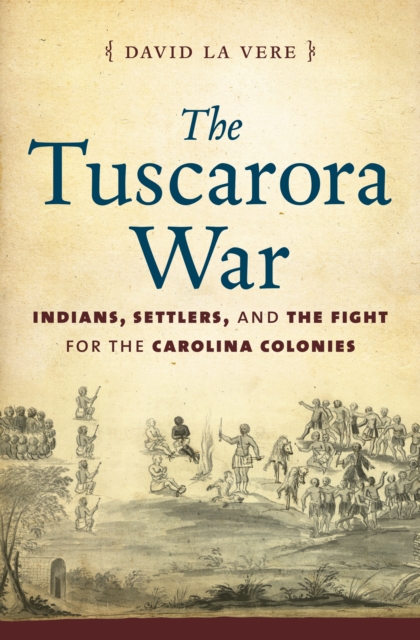
At dawn on September 22, 1711, more than 500 Tuscarora, Core, Neuse, Pamlico, Weetock, Machapunga, and Bear River Indian warriors swept down on the unsuspecting European settlers living along the Neuse and Pamlico Rivers of North Carolina.
This aint no Dreamgirls, Rhodessa Jones warns participants in the Medea Project, the theater program for incarcerated women that she founded and directs.
This compelling history of what Laura Micheletti Puaca terms technocratic feminism traces contemporary feminist interest in science to the World War II and early Cold War years.
Under policies instituted by the Confederacy, white Virginians and North Carolinians surrendered control over portions of their slave populations to state authorities, military officials, and the national government to defend their new nation.
In Conceiving Freedom, Camillia Cowling shows how gender shaped urban routes to freedom for the enslaved during the process of gradual emancipation in Cuba and Brazil, which occurred only after the rest of Latin America had abolished slavery and even after the American Civil War.
Most histories of the Civil War era portray the struggle over slavery as a conflict that exclusively pitted North against South, free labor against slave labor, and black against white.
In this pioneering study of slavery in colonial Ecuador and southern Colombia Spains Kingdom of Quito Sherwin Bryant argues that the most fundamental dimension of slavery was governance and the extension of imperial power.
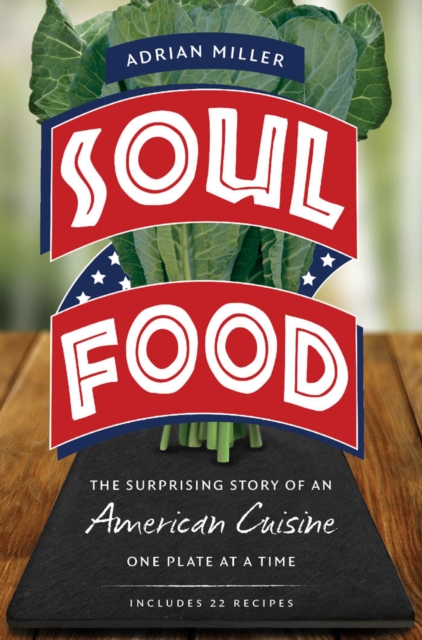
2014 James Beard Foundation Book Award, Reference and ScholarshipHonor Book for Nonfiction, Black Caucus of the American Library AssociationIn this insightful and eclectic history, Adrian Miller delves into the influences, ingredients, and innovations that make up the soul food tradition.
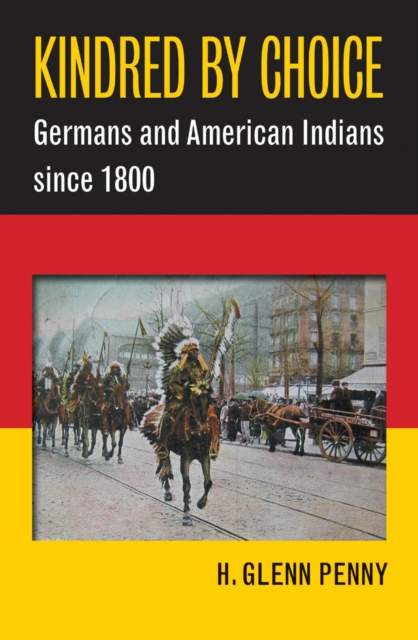
How do we explain the persistent preoccupation with American Indians in Germany and the staggering numbers of Germans one encounters as visitors to Indian country?
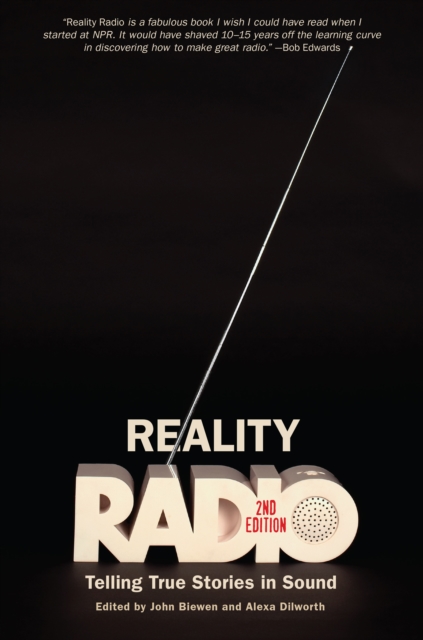
This new revised and expanded edition of Reality Radio celebrates todays best audio documentary work by bringing together some of the most influential and innovative practitioners from the United States, Canada, the United Kingdom, and Australia.
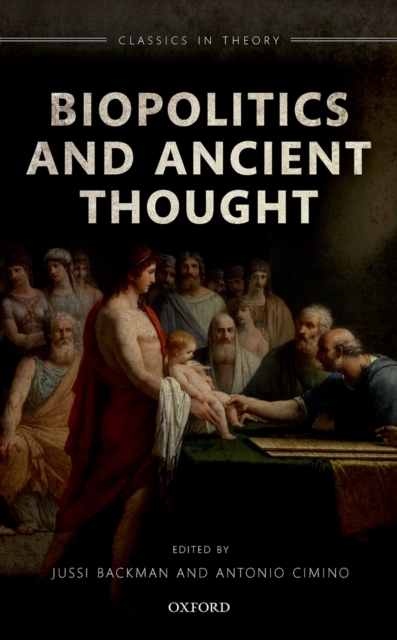
The volume studies, from different perspectives, the relationship between ancient thought and biopolitics, that is, theories, discourses, and practices in which the biological life of human populations becomes the focal point of political government.
The volume studies, from different perspectives, the relationship between ancient thought and biopolitics, that is, theories, discourses, and practices in which the biological life of human populations becomes the focal point of political government.
An Ordered Love is the first detailed study of sex roles in the utopian communities that proposed alternatives to monogamous marriage: The Shakers (1779-1890), the Mormons (1843-90), and the Oneida Community (1848-79).
Making Connections with Vulnerable Children and Families is the practical go-to resource for practitioners looking to build effective relationships and engage meaningfully with vulnerable children and their families.
Binding is a crucial strategy in many transgender and non-binary people's lives for coping with gender dysphoria, yet the vast majority of those who bind report some negative physical symptoms.
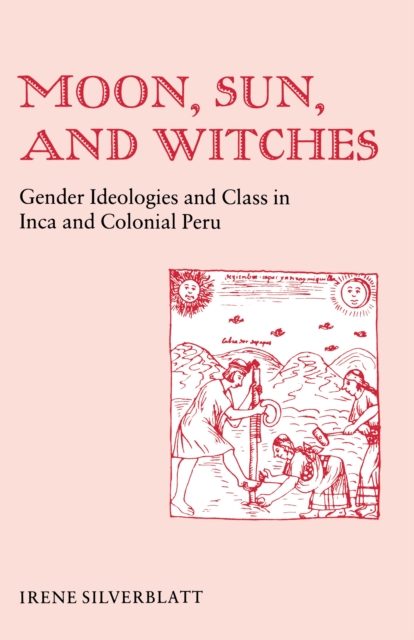
When the Spanish arrived in Peru in 1532, men of the Inca Empire worshipped the Sun as Father and their dead kings as ancestor heroes, while women venerated the Moon and her daughters, the Inca queens, as founders of female dynasties.