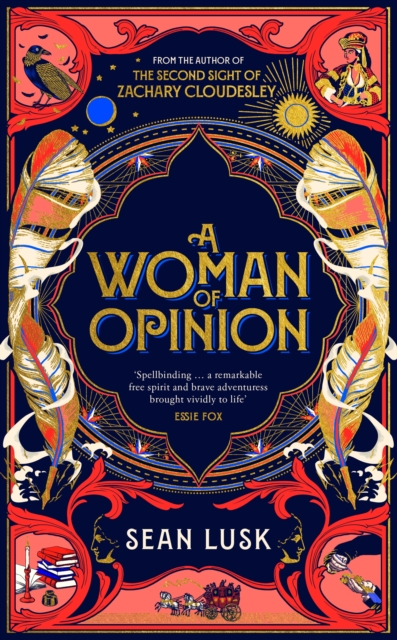
WINNER OF THE 2025 SALTIRE SCOTTISH FICTION OF THE YEAR from the bestselling author of The Second Sight of Zachary Cloudesley'A triumph - vivid, exquisite, enthralling' Kate Griffin, author of Fyneshade'Lusk conjures prose of a spell-binding elegance and charm' Essie Fox, author of The Fascination Witty, insightful and moving Sunday Times---'I shall be a thousand different Marys and, in such manner, shall find the one I wish to be.
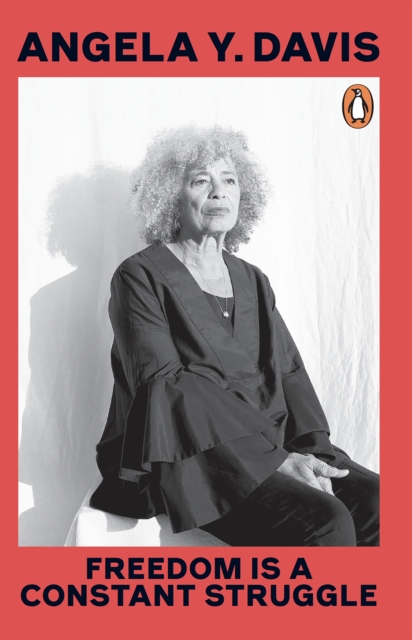
From the Author of WOMEN, RACE AND CLASS, this is a timely provocation that examines the concept of attaining freedom in light of our current world conflictsIn these newly collected essays, interviews and speeches, world-renowned activist and scholar Angela Y.
Familienaktivierendes Arbeiten unterstützt Familien in akuten Krisen dabei, handlungsfähig zu werden und tragfähige Lösungen zum Schutz und Wohl von Kindern zu entwickeln.
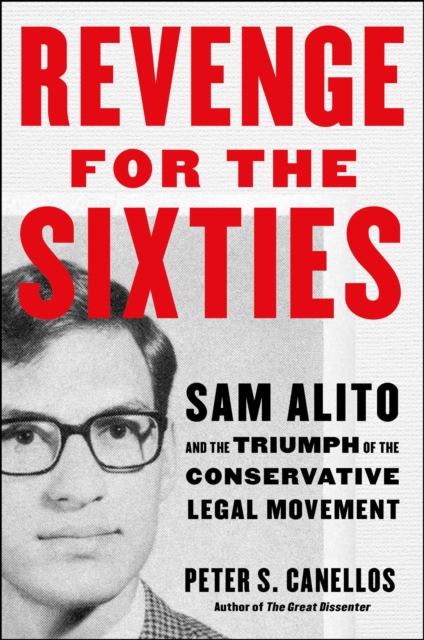
The first-ever biography of the most pivotal Justice on the Supreme Court whose decisions, like the overturning of Roe, will drive the reshaping of America, by prize-winning journalist Peter Canellos.
From Dorothy Roberts, author of Killing the Black Body and a writer who has brilliantly illuminated the Black experience in America for decades (Bryan Stevenson), comes a spirited and riveting memoir of growing up in an interracial family in 1960s Chicago and a daughters journey to understand her parents marriageand her own identity.
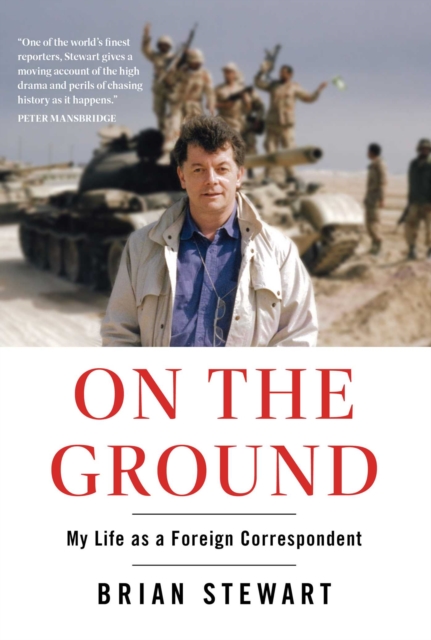
National Bestseller Nominated for the Shaughnessy Cohen Prize for Political Writing A powerful memoir revealing the pressures, joys, and traumas of witnessing history up close and personal, from one of Canadas most prominent and decorated foreign correspondents.
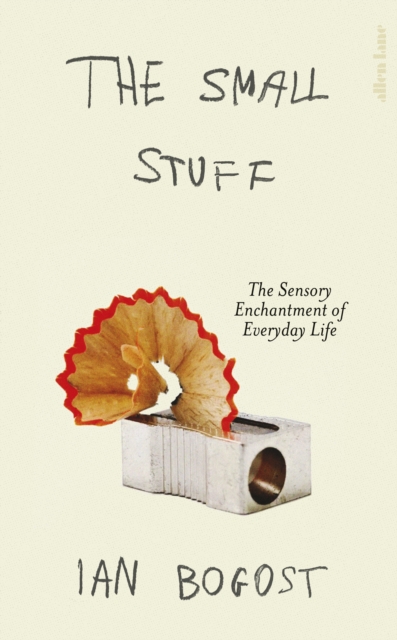
A lively and witty guide to reclaiming connection with our physical worldIn an era dominated by convenience and efficiency, you d think life would be easier and, most importantly, happier.
Wer in der Psychiatrie oder Psychosomatik arbeitet, steht oft früh vor der Aufgabe, therapeutische Gruppen anzuleiten – meist ohne spezifische Ausbildung dafür.
New York Times bestselling author of Tinseltown and Bogart offers the first definitive account of the Black Dahlia murderthe most famous unsolved true crime case in American history.
'This book is a pleasure and a treasure' TAYARI JONES, Women's Prize-winning author of An American Marriage and KinTHE DEAD ARE RELENTLESS GOSSIPS, OR AT LEAST THESE DEAD ARE.
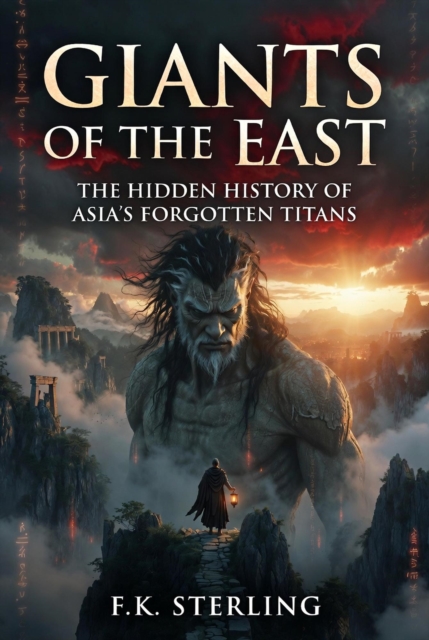
Giants of the East: The Hidden History of Asia's Forgotten Titans In the shadow of towering mountains and ancient empires, four colossal powers—China, Japan, South Korea, and Taiwan—shape the destiny of the world's most dynamic region.
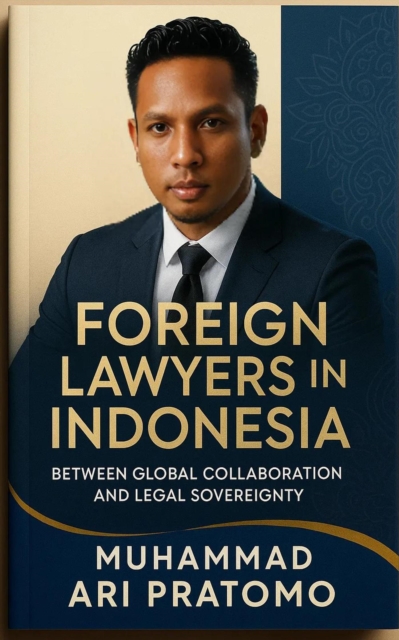
Foreign Lawyers in Indonesia: Between Global Collaboration and Legal Sovereignty is a timely legal guide for navigating the rules, ethics, and boundaries surrounding foreign legal practice in Indonesia.
Codex of Will is a three-volume authorial philosophical and metaphorical system about Consciousness, Volia, responsibility, the Flow, and the possibility of a more conscious human society.
Wer in der Psychiatrie oder Psychosomatik arbeitet, steht oft früh vor der Aufgabe, therapeutische Gruppen anzuleiten – meist ohne spezifische Ausbildung dafür.
Forgotten Titans: Giants, Creation Myths, and Lost Civilizations of Africa, Australia, and Oceania While the West obsesses over Nephilim, Titans, and Norse frost-giants, the colossal beings of the Global South have been largely forgotten.
The PERFECT GIFT for anyone who has ever broken up with someone or ever been broken up with, or is about to take a trip to Break-up City, population you.
LONGLISTED FOR THE GORDON BURN PRIZE 2025LONGLISTED FOR THE JHALAK PRIZE 2025A Book of the Year 2024 in the Guardian, Times Literary Supplement and ObserverRichly imaginative and powerfully empathetic, an intimate portrait of five remarkable Black men, and a meditation on race, estrangement and the search for home'Thrilling and ingenious, propulsive and genre-defying: The Strangers is an outstanding book' Bernardine Evaristo'Luminous and extraordinary.
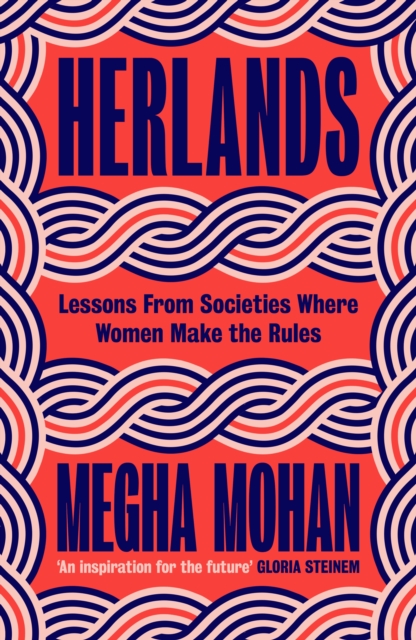
A landmark exploration of women-led communities worldwide and what they can teach us about new ways to live, think and govern, from BBC global correspondent Megha Mohan.
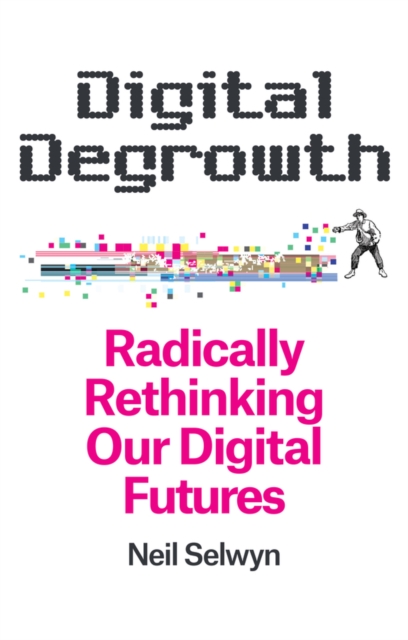
We are fast approaching the point of peak digital , with the continued mass production and excessive consumption of digital technologies set to become a key driver of climate crisis, ecological breakdown and ongoing societal instability.
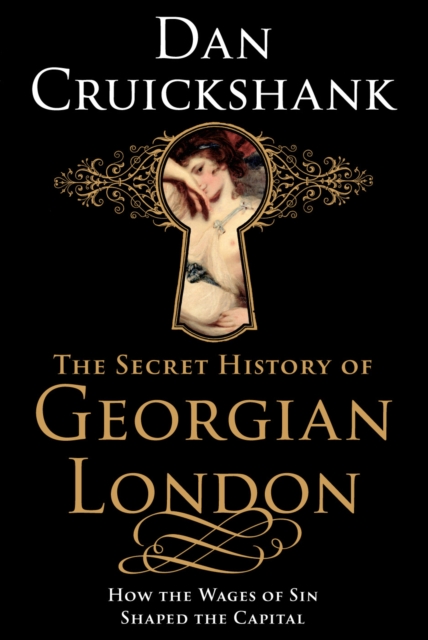
Georgian London evokes images of elegant buildings and fine art, but it was also a city where prostitution was rife, houses of ill repute widespread, and many tens of thousands of people dependent in some way or other on the wages of sin.
Para hacer una mejor medicina es necesario adquirir y renovar continuamente el conocimiento, y la manera más expedita de hacerlo es comprender los artículos sobre los problemas clínicos que enfrentan los médicos.