Originally published in 1993, as part of the Ethnoscapes: Current Challenges in the Environmental Social Sciences series, reissued now with a new series introduction, Housing: Design, Research and Education, demonstrated some of the diversity and richness of the research being undertaken in housing at time, which took as its starting point peoples' notion of home and the way in which a sense of home is captured distilled and expressed through various facets of design, and conversely the urgent need for architects and planners to take seriously the everyday scale and scope of peoples' home experience.
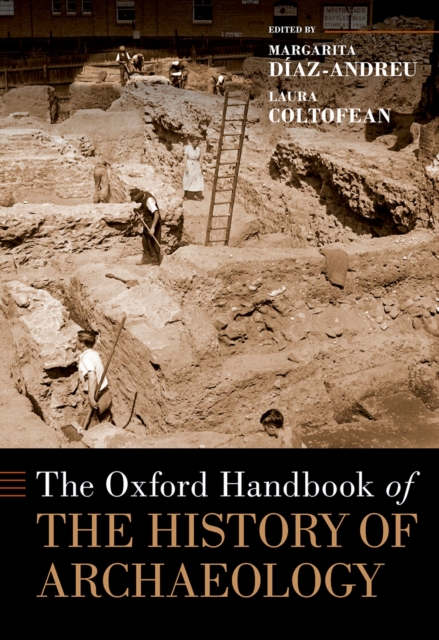
The Oxford Handbook of the History of Archaeology offers comprehensive perspectives on the origins and developments of the discipline of archaeology and the direction of future advances in the field.
This volume delves into the colonial past and identifies papers on nature and natural phenomenon that were deemed 'primitive' and 'superstitious' by those who narrated them and analyzed them in the pages of the Journal of the Anthropological Society of Bombay, published from 1886 to 1936; the period covered by the papers that have been reproduced in this volume.
This four-volume, reset collection takes as its starting point the earliest substantial descriptions of tea as a commodity in the mid-seventeenth century, and ends in the early nineteenth century with two key events: the discovery of tea plants in Assam in 1823, and the dissolution of the East India Company's monopoly on the tea trade in 1833.
Arguing that there has never been a consensus on which rights all people are entitled, Beyond Illiberalism: Rights, Rhetoric, and Reality in a Pluralistic World traces how the concept of human rights is tied to a global project rooted in colonialism and grounded in nineteenth-century liberalism and post-World War II social democratic principles.
Arguing that there has never been a consensus on which rights all people are entitled, Beyond Illiberalism: Rights, Rhetoric, and Reality in a Pluralistic World traces how the concept of human rights is tied to a global project rooted in colonialism and grounded in nineteenth-century liberalism and post-World War II social democratic principles.
This textbook offers a unique insight into the theoretical and applied aspects of human development in relation to the cultural traditions of non-Western countries.
El sacrificio humano entre los aztecas es resultado de una investigacion exhaustiva por parte de Michel Graulich en la cual se dedica a comprender el sacrificio humano entre los mexicas.
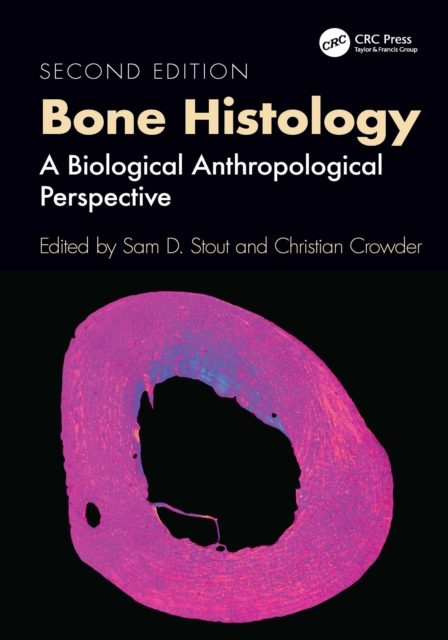
Bone Histology: A Biological Anthropological Perspective, Second Edition builds on the success of the first edition, recognizing the significant advances that have occurred in bone biology, histology, and histological techniques and methods in subsequent years.
This book examines the everyday state from the perspective of the lived experiences of peripheralized Indigenous tribal peoples in contemporary Tripura, Northeast India.
Takezawa, Harrison, Tanabe, and their contributors present a multi-sited, transnational, and intercultural perspective on racism, shifting its emphasis away from the conventional North Atlantic interpretive frameworks to better understand its fundamental nature.
Set in the Northern English City of Leeds, in the midst of Liz Truss' 49 days in office, what we are now calling The Cost of Living Crisis emerges as the most recent incantation of economic decline.
Kinship and Marriage in the Soviet Union (1984) presents articles by established Soviet anthropologists, writing on kinship and marriage in the countries of the USSR.
With the message that everything in a sense is alive, thus allowing us to join forces with new politico-ethical communities stretching across human and nonhuman realms, the new materialisms have captivated the minds of many academics, artists, and intellectuals by stressing that it is time to return to a premodern mindset and discard modernity and its concepts of secularization, autonomy, and finitude.
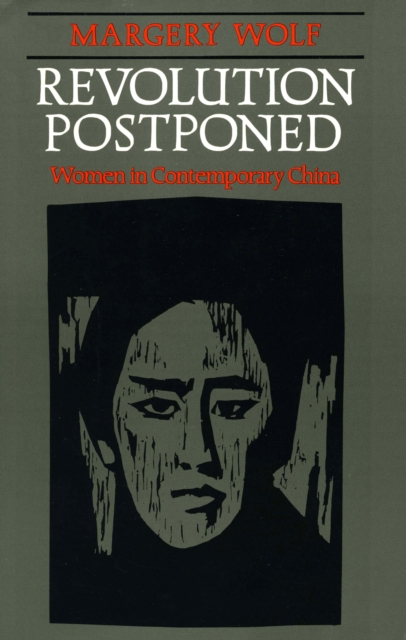
The Communist revolution promised Chinese women an end to thousands of years of subjugation, an equality with men in all matters legal, political, social, and economic.
The Communist revolution promised Chinese women an end to thousands of years of subjugation, an equality with men in all matters legal, political, social, and economic.
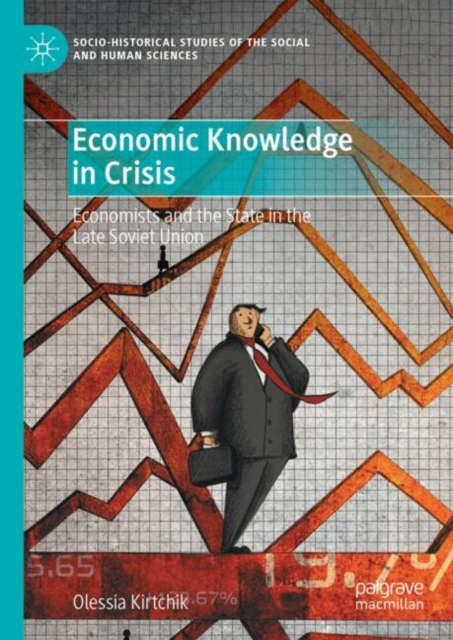
This book aims to shed new light on the puzzle of the late Soviet conversion to the "e;market"e; and capitalism by revisiting the history of Soviet reform economics.