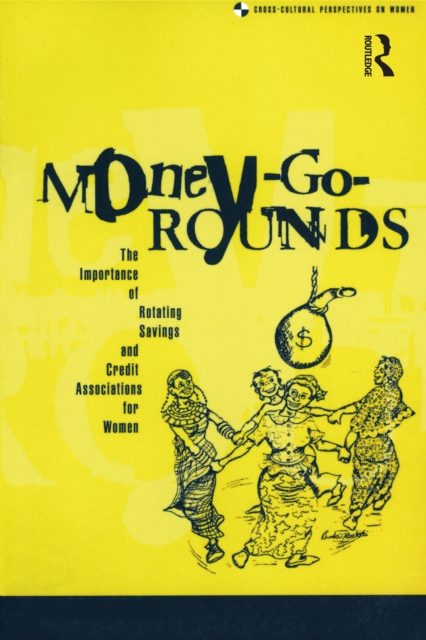
On most continents - from the USA to Africa and Asia - various forms of rotating savings and credit associations (ROSCAs) serve men and women of the community, often as their major -- and sometimes their only -- savings institution.
After an introductory general essay on the life cycle and status of women in Byzantine society, this volume focuses on female religious life, with particular emphasis on the role of convents - as spiritual sanctuary, refuge for women in need, or provider of charitable services.
This book provides a comprehensive overview of aging and its mechanisms through the prism of telomere length and its link to lifestyle parameters and environmental pollutants, diseases where telomere length attrition is prominent, and therapeutic approaches to slow down or prevent the process of telomere length reduction.
Der inzwischen fünfte Gedankenband von Lutz Meier bietet eine gewohnt pointierte Mischung aus philosophischem Essayismus, genauer Alltagsbeobachtung sowie eine Lust an Sprache und ihrem Spiel.
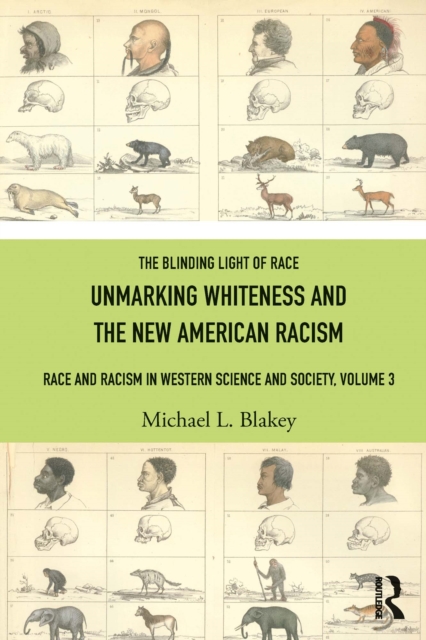
This book criticizes recent performative solutions to racism ("e;diversity"e; programs at universities, for example) and White people's "e;Fragility"e; or intolerance of mature criticism.
Third in the series Sociocultural Studies of Educational Policy Formation and Appropriation, this volume brings together scholars from North America, South America, and Europe to examine the relationship between ethnographic research and educational policy.
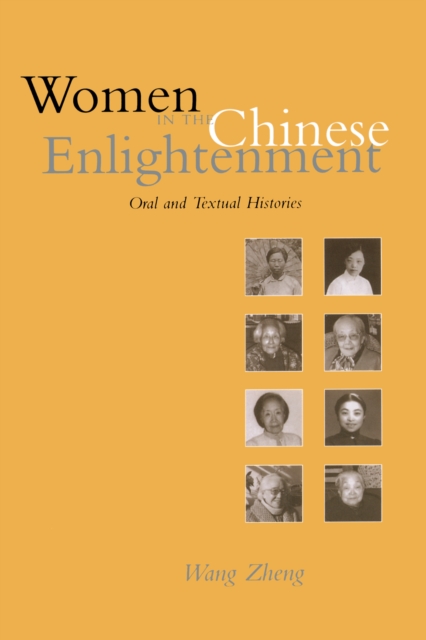
Centering on five life stories by Chinese women activists born just after the turn of this century, this first history of Chinese May Fourth feminism disrupts the Chinese Communist Party's master narrative of Chinese women's liberation, reconfigures the history of the Chinese Enlightenment from a gender perspective, and addresses the question of how feminism engendered social change cross-culturally.
Sites, Traces, and Materiality proposes a new materialist model for archaeology that brings together the concept of site ontology from geography, a novel analysis of archaeological materiality as traces, and engagement with the concept of animacy hierarchy, in order to explore how geological materials can be reconceived as active.
Sites, Traces, and Materiality proposes a new materialist model for archaeology that brings together the concept of site ontology from geography, a novel analysis of archaeological materiality as traces, and engagement with the concept of animacy hierarchy, in order to explore how geological materials can be reconceived as active.
What would a body of literature, focusing on Southern childhoods, look like when epistemologically driven by the demands (social, cultural, economic, political) of the localities in which they are shaped and produced?
In this, his most famous work, Marcel Mauss presented to the world a book which revolutionized our understanding of some of the basic structures of society.
Originally published in 1993, as part of the Ethnoscapes: Current Challenges in the Environmental Social Sciences series, reissued now with a new series introduction, Placemaking: Production of Built Environment in Two Cultures is a book about the context of placemaking - the production of vernacular architecture and settlement.