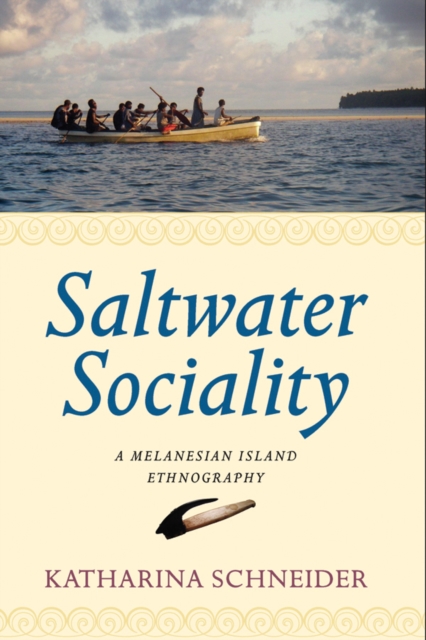
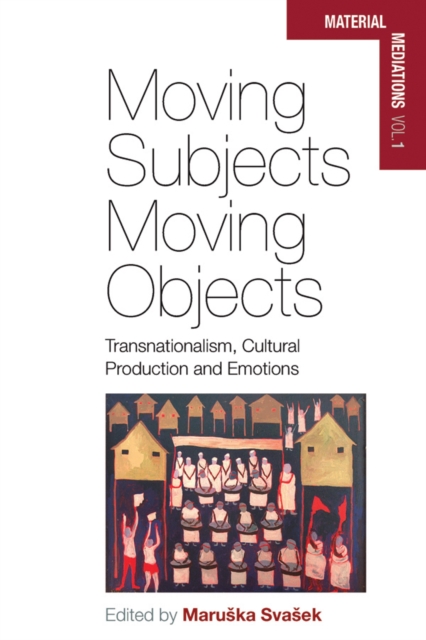
The inhabitants of Pororan Island, a small group of saltwater people in Papua New Guinea, are intensely interested in the movements of persons across the island and across the sea, both in their everyday lives as fishing people and on ritual occasions.
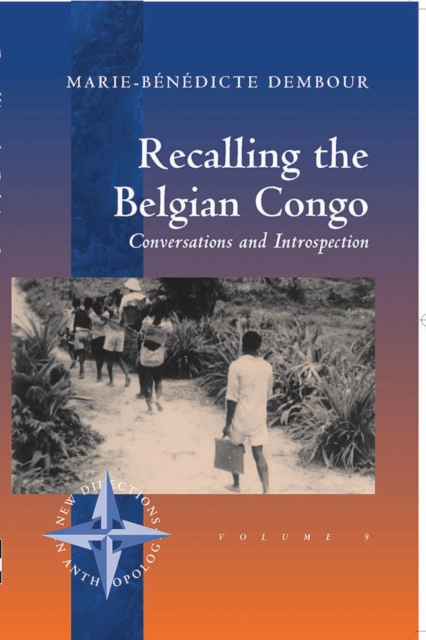
When the author embarked on her study, her aim was to approach former colonial officers with a view to analyzing processes of domination in the ex-Belgian Congo.
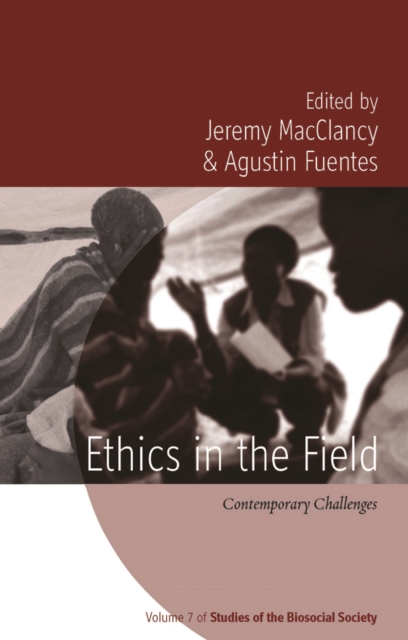
In recent years ever-increasing concerns about ethical dimensions of fieldwork practice have forced anthropologists and other social scientists to radically reconsider the nature, process, and outcomes of fieldwork: what should we be doing, how, for whom, and to what end?
Rapid population aging, once associated with only a select group of modern industrialized nations, has now become a topic of increasing global concern.
Focusing on practice more than theory, this collection offers new perspectives for studying the so-called humoral medical traditions, as they have flourished around the globe during the last 2,000 years.
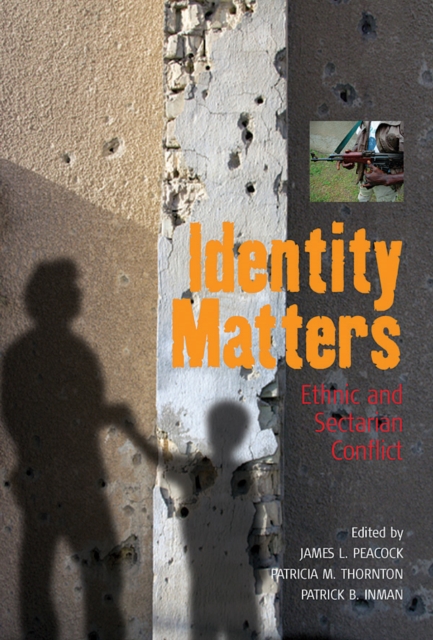
In response to the attacks of September 11, 2001 and war in Afghanistan, the Fulbright New Century Scholars program brought together social scientists from around the world to study sectarian, ethnic, and cultural conflict within and across national borders.
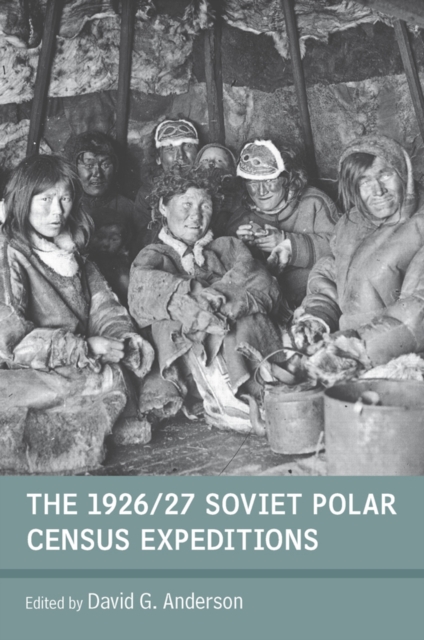
In 1926/27 the Soviet Central Statistical Administration initiated several yearlong expeditions to gather primary data on the whereabouts, economy and living conditions of all rural peoples living in the Arctic and sub-Arctic at the end of the Russian civil war.
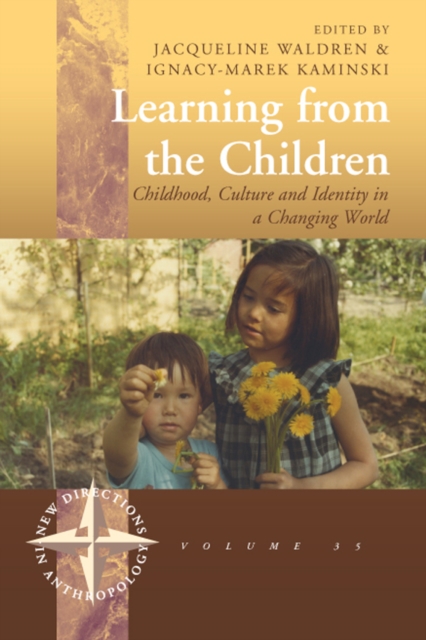
Children and youth, regardless of their ethnic backgrounds, are experiencing lifestyle choices their parents never imagined and contributing to the transformation of ideals, traditions, education and adult child power dynamics.
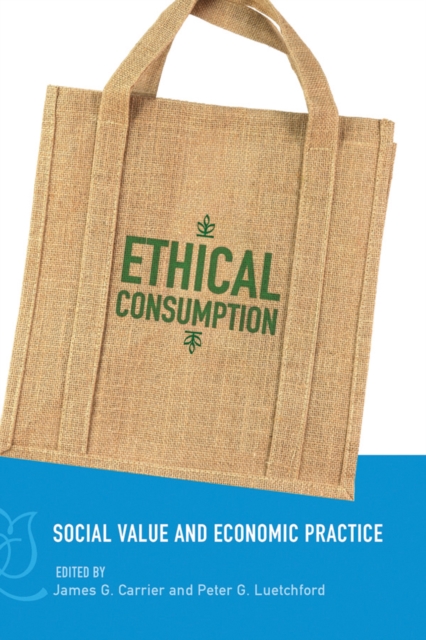
Increasingly, consumers in North America and Europe see their purchasing as a way to express to the commercial world their concerns about trade justice, the environment and similar issues.
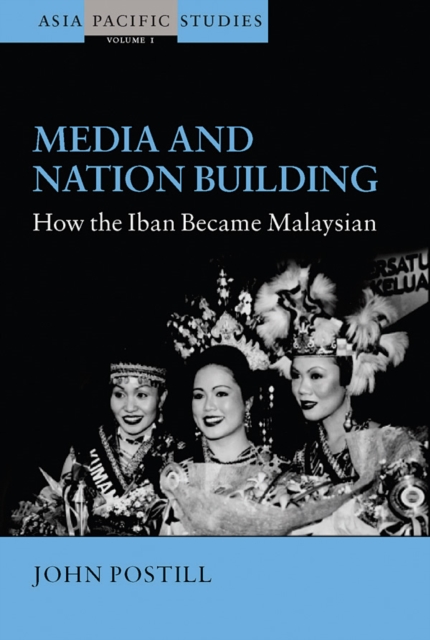
With the end of the Cold War and the proliferation of civil wars and "e;regime changes,"e; the question of nation building has acquired great practical and theoretical urgency.
Technologies of the allied warfare in Iraq and Afghanistan, such as remote-controlled drones and night vision goggles, allow the user to virtualize human targets.
The last decade has seen an unexpected return of the religious, and with it the creation of new kinds of social forms alongside new fusions of political and religious realms that high modernity kept distinct.
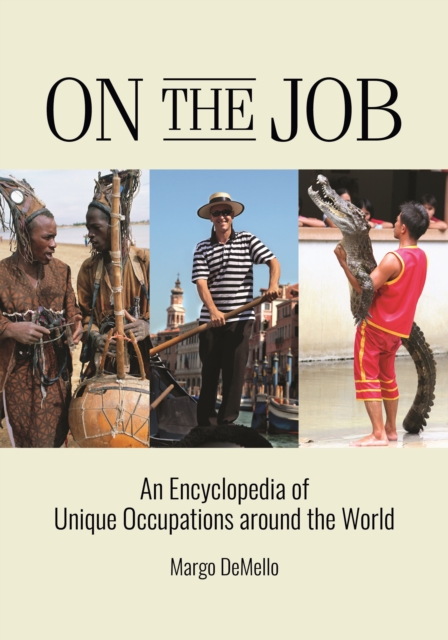
This one-volume encyclopedia examines jobs and occupations from around the world that are unique and out of the ordinary, from bike fishermen in the Netherlands and professional wedding guests in South Korea to elephant dressers in India.
Over the last two decades, anthropological studies have highlighted the problems of development as a discursive regime, arguing that such initiatives are paradoxically used to consolidate inequality and perpetuate poverty.
In many parts of post-socialist Europe the tumultuous political and economic developments have generated strong emotions, ranging from hope and euphoria to disappointment, envy, disillusionment, sorrow, loneliness, and hatred.
In recent years an increasing number of scholars have incorporated a focus on emotions in their theories of material culture, transnationalism and globalization, and this book aims to contribute to this field of inquiry.
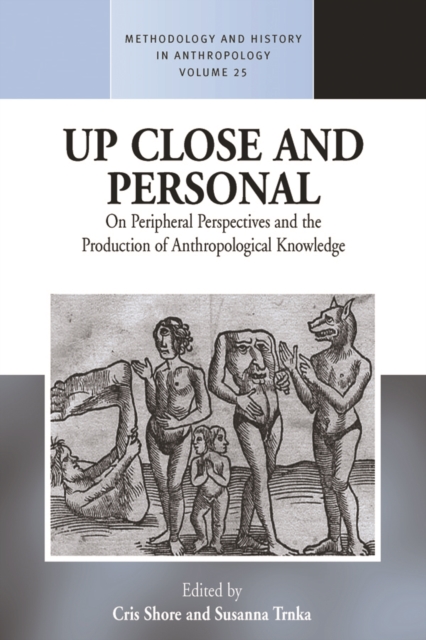
Combining rich personal accounts from twelve veteran anthropologists with reflexive analyses of the state of anthropology today, this book is a treatise on theory and method offering fresh insights into the production of anthropological knowledge, from the creation of key concepts to major paradigm shifts.
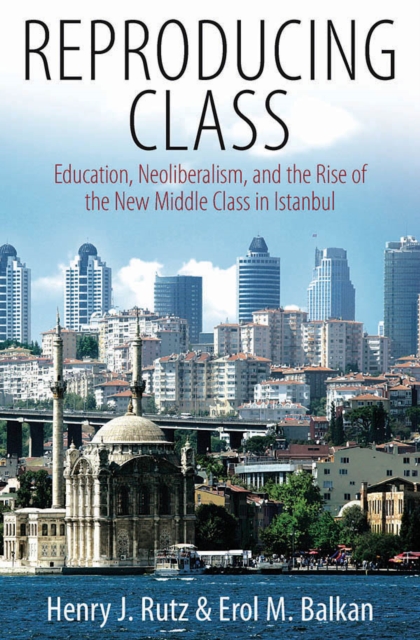
Middle classes are by definition ambiguous, raising all sorts of paradoxical questions, perceived and real, about their power and place relative to those above and below them in a class-structured society.
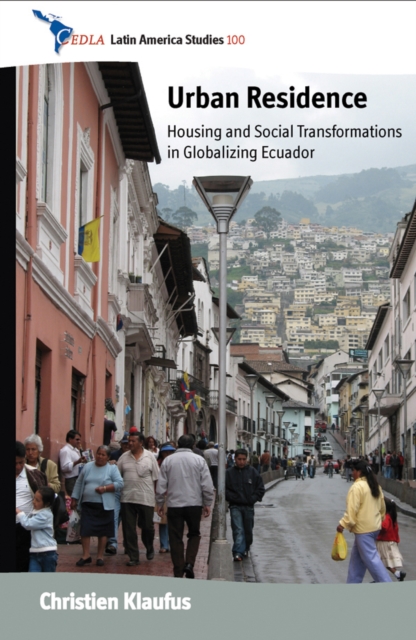
Riobamba and Cuenca, two intermediate cities in Ecuador, have become part of global networks through transnational migration, incoming remittances, tourism, and global economic connections.
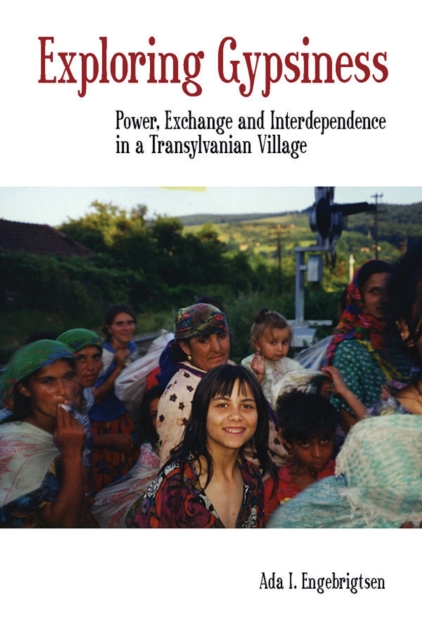
Romania has a larger Gypsy population than most other countries but little is known about the relationship between this group and the non-Gypsy Romanians around them.
This thematic encyclopedia provides an overview of education in 70 countries worldwide and links educational organization, philosophy, and practice with important global social, economic, and environmental issues facing the contemporary world.
Juxtaposing contributions from geneticists and anthropologists, this volume provides a contemporary overview of cousin marriage and what is happening at the interface of public policy, the management of genetic risk and changing cultural practices in the Middle East and in multi-ethnic Europe.
The rapid postwar economic growth in the Southeast Asia region has led to a transformation of many of the societies there, together with the development of new types of anthropological research in the region.