Using a vertical slice approach, anthropologists critically analyze the relationship between undemocratic uses and abuses of power and the survival of the human species.
Breastfeeding and child feeding at the center of nurturing practices, yet the work of nurture has escaped the scrutiny of medical and social scientists.
Grace after Genocide is the first comprehensive ethnography of Cambodian refugees, charting their struggle to transition from life in agrarian Cambodia to survival in post-industrial America, while maintaining their identities as Cambodians.
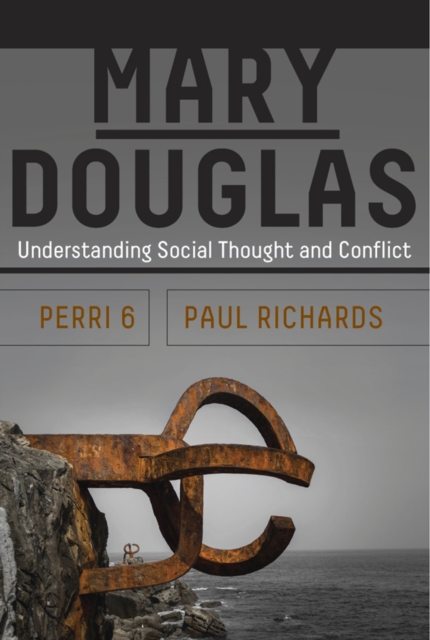
Mary Douglas s innovative explanations for styles of human thought and for the dynamics of institutional change have furnished a distinctive and powerful theory of how conflicts are managed, yet her work remains astonishingly poorly appreciated in social science disciplines.
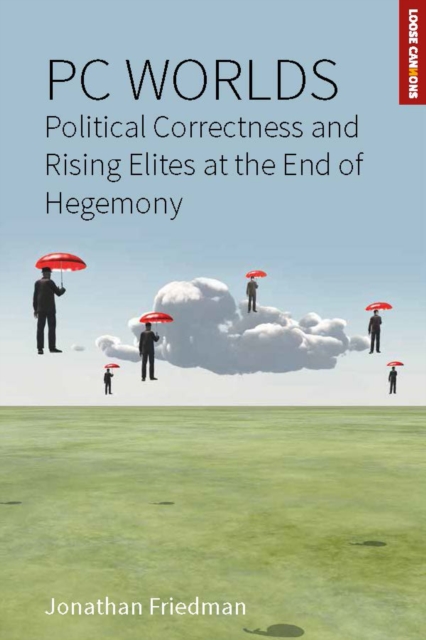
This provocative work offers an anthropological analysis of the phenomenon of political correctness, both as a general phenomenon of communication, in which associations in space and time take precedence over the content of what is communicated, and at specific critical historical conjunctures at which new elites attempt to redefine social reality.
For the last five decades, the Dani of the central highlands of West Papua, along with other Papuans, have struggled with the oppressive conditions of Indonesian rule.
Gambling in Papua New Guinea, despite being completely absent prior to the Colonial era, has come to supersede storytelling as the region s main nighttime activity.
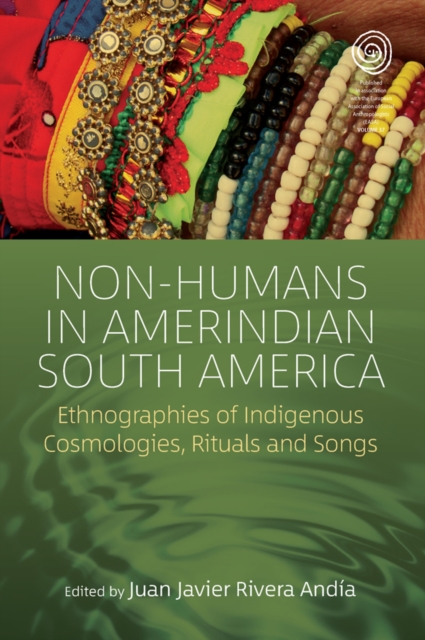
Drawing on fieldwork from diverse Amerindian societies whose lives and worlds are undergoing processes of transformation, adaptation, and deterioration, this volume offers new insights into the indigenous constitutions of humanity, personhood, and environment characteristic of the South American highlands and lowlands.
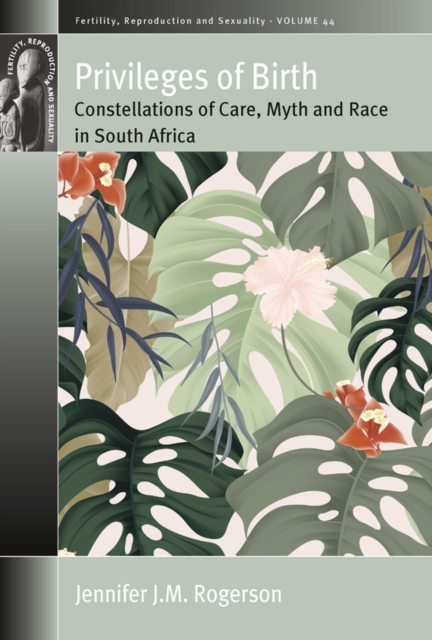
Focussing ethnographically on private-sector maternity care in South Africa, Privileges of Birth looks at the ways healthcare and childbirth are shaped by South Africa s racialised history.
Examining how people alter or customize various dimensions of their temporal experience, this volume discovers how we resist external sources of temporal constraint or structure.
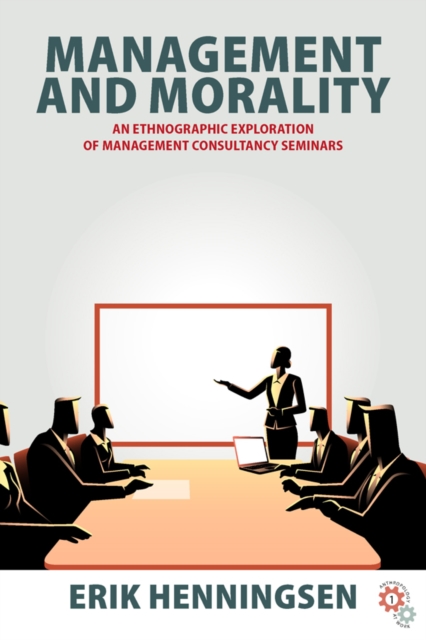
Drawing on extended ethnographic studies of management consultancies in the Oslo region of Norway, this book seeks to find a richer understanding of their role in contemporary work life and the attraction their practices exert on people.
While some scholars have said that there is no such thing as culture and have urged to abandon the concept altogether, the contributors to this volume overcome this impasse by understanding cultures and their representations for what they ultimately are rhetorical constructs.
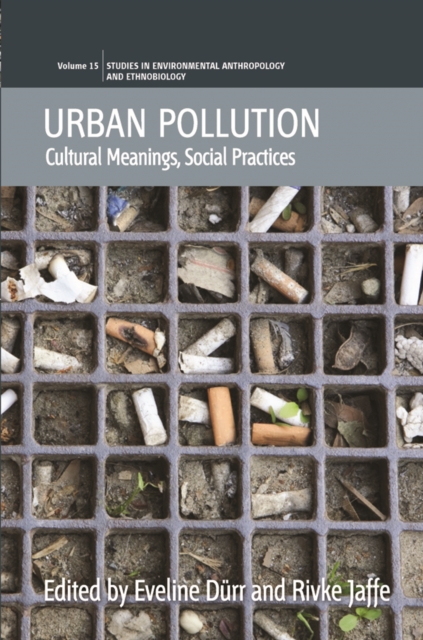
Re-examining Mary Douglas work on pollution and concepts of purity, this volume explores modern expressions of these themes in urban areas, examining the intersections of material and cultural pollution.
Analyzing both historical contexts and geographical locations, this volume explores the continuous reformation of state power and its potential in situations of violent conflict.
Nostalgia is intimately connected to the history of the social sciences in general and anthropology in particular, though finely grained ethnographies of nostalgia and loss are still scarce.
This phenomenologically oriented ethnography focuses on experiential aspects of Yanomami shamanism, including shamanistic activities in the context of cultural change.
The first book to address the classic anthropological theme of property through the ethnography of Amazonia, Ownership and Nurture sets new and challenging terms for anthropological debates about the region and about property in general.
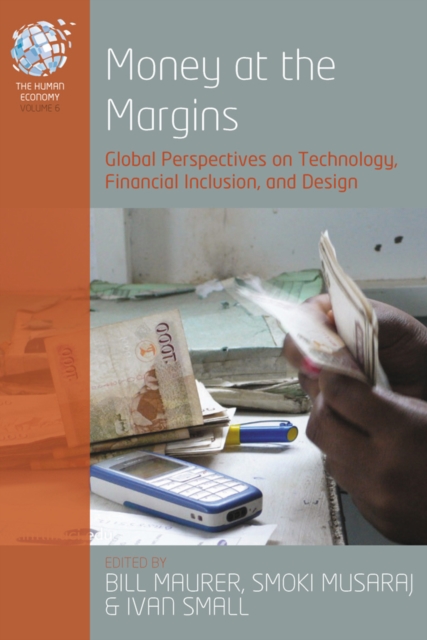
Mobile money, e-commerce, cash cards, retail credit cards, and more as new monetary technologies become increasingly available, the global South has cautiously embraced these mediums as a potential solution to the issue of financial inclusion.
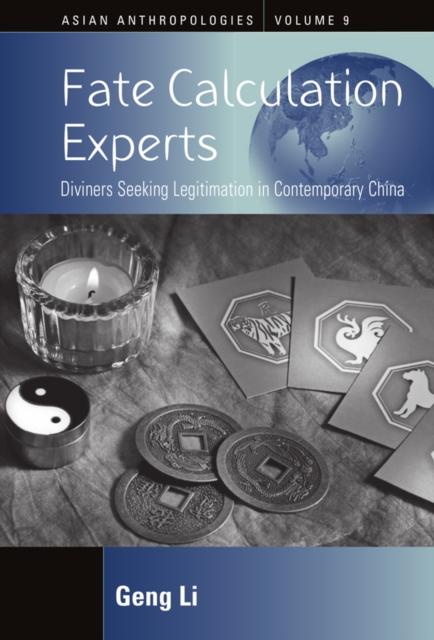
Having long been stigmatized as an immoral and even illegal superstition , the popular practice of divination is experiencing a revival in contemporary China.
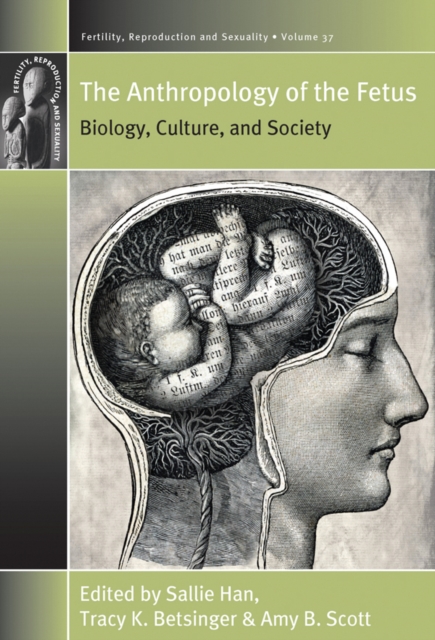
As a biological, cultural, and social entity, the human fetus is a multifaceted subject which calls for equally diverse perspectives to fully understand.
The last several decades have witnessed an explosion of new empirical research into representations of the past and the conditions of their production, prompting claims that we have entered a new era in which the past has become more present than ever before.
Collaboration between experts and the public is vital for effective community engagement aimed at improving the lives of the most vulnerable in society, whether at the local or global level.
Tracing the boom of local NGOs since the 1990s in the context of the global political economy of aid, current trends of neoliberal state restructuring, and shifting post-Cold War hegemonies, this book explores the associational revolution in post-socialist, post-conflict Serbia.
What set our ancestors off on a separate evolutionary trajectory was the ability to flex their reproductive and social strategies in response to changing environmental conditions.
After the revolution of 2011, the electoral victory of the Islamist party Ennahdha allowed previously silenced religious and conservative ideas about women s right to abortion to be expressed.
Using examples from Poland, Elzbieta Drazkiewicz explores the question of why states become donors and individuals decide to share their wealth with others through foreign aid.
Written for study abroad practitioners, this book introduces theoretical understandings of key study abroad terms including the global/national, culture, native speaker, immersion, and host society.