That the Blood Stay Pure traces the history and legacy of the commonwealth of Virginia's effort to maintain racial purity and its impact on the relations between African Americans and Native Americans.
This study reclaims and builds upon the classic work of anthropologist Elena Padilla in an effort to examine constructions of space and identity among Latinos.
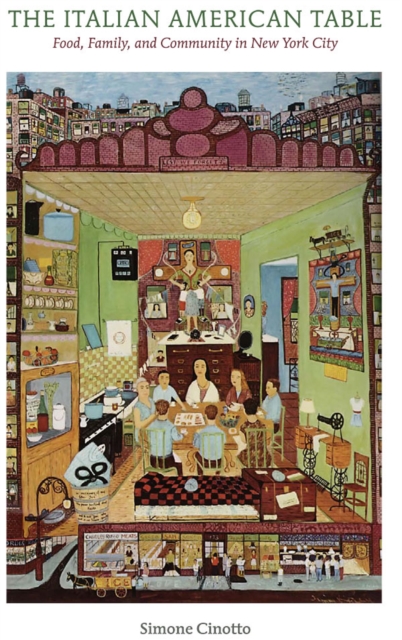
Best Food Book of 2014 by The Atlantic Looking at the historic Italian American community of East Harlem in the 1920s and 30s, Simone Cinotto recreates the bustling world of Italian life in New York City and demonstrates how food was at the center of the lives of immigrants and their children.
A cutting-edge media history on a perennially fascinating topic, which attempts to answer the crucial question: Who is in charge, the servant or the master?
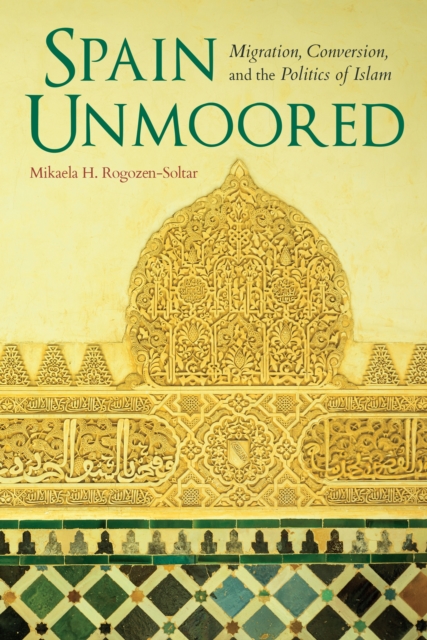
Long viewed as Spain's "e;most Moorish city,"e; Granada is now home to a growing Muslim population of Moroccan migrants and European converts to Islam.
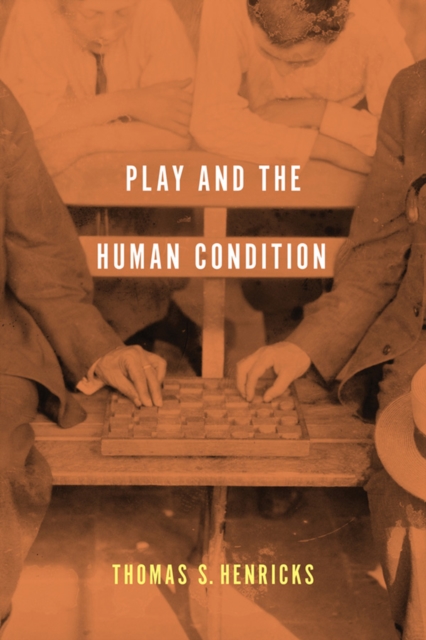
In Play and the Human Condition, Thomas Henricks brings together ways of considering play to probe its essential relationship to work, ritual, and communitas.
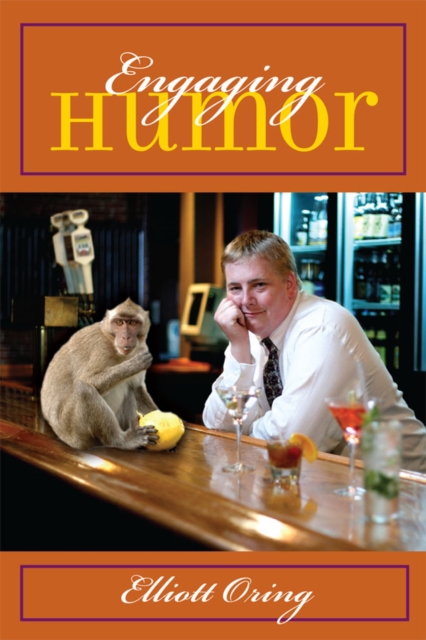
Exploring the structure, motives, and meanings of humor in everyday life In Engaging Humor, Elliott Oring asks essential questions concerning humorous expression in contemporary society, examining how humor works, why it is employed, and what its messages might be.
An intimate portrait of India’s child runaways, and the sociopolitical forces shaping their lives This intimate portrait examines the tracks, journeys, and experiences of child runaways in northern India.
Embodied Protests examines how Bolivia's hesitant courtship with globalization manifested in the visceral and emotional diseases that afflicted many Bolivian women.
If a religion cannot attract and instruct young people, it will struggle to survive, which is why recreational programs were second only to theological questions in the development of twentieth-century Mormonism.
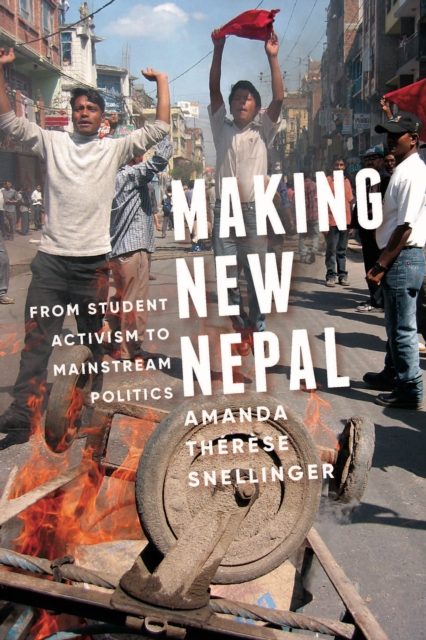
One of the most important political transitions to occur in South Asia in recent decades was the ouster of Nepals monarchy in 2006 and the institution of a democratic secular republic in 2008.
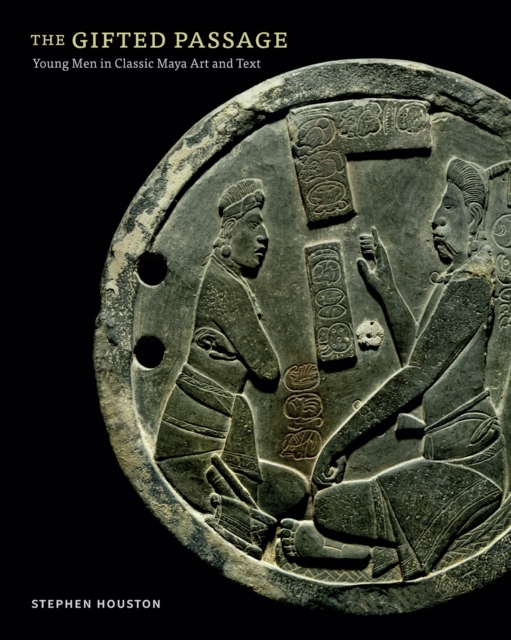
In this thought-provoking book, preeminent scholar Stephen Houston turns his attention to the crucial role of young males in Classic Maya society, drawing on evidence from art, writing, and material culture.
In the 1930s, George Herbert Mead and other leading social scientists established the modern empirical analysis of social interaction and communication, enabling theories of cognitive development, language acquisition, interaction, government, law and legal processes, and the social construction of the self.
Winner of the 2022 Frank Bonilla Book Award, sponsored by the Puerto Rican Studies AssociationWinner of the 2022 Gregory Bateson Book Prize, sponsored by the Society for Cultural AnthropologyBrings to life Afro-Puerto Rican womens creative struggles for environmental justiceWhen Hurricanes Irma and Mara made landfall in Puerto Rico in September 2017, their destructive force further devastated an archipelago already pummeled by economic austerity, political upheaval, and environmental calamities.
Museums--along with books, newspapers, and Wild West shows in the 19th century, movies and television in the 20th--have shaped our perceptions of American Indians.
A groundbreaking volume on the rich 13,000-plus-year history and culture of Connecticut’s indigenous peoples More than 13,000 years ago, people settled on lands that now lie within the boundaries of the state of Connecticut.
With fresh and provocative insights into the everyday reality of politics in post-Soviet Central Asia, this volume moves beyond commonplaces about strong and weak states to ask critical questions about how democracy, authority, and justice are understood in this important region.
The first ethnography devoted to the practice of gambling as its core subject, Gambling Life considers the stakes of social action in one community on the island of Crete.
This first sustained ethnographic study of organic agriculture outside the United States traces its meanings, practices, and politics in two nations typically considered worlds apart: Latvia and Costa Rica.
Forests Are Gold examines the management of Vietnam's forests in the tumultuous twentieth centuryfrom French colonialism to the recent transition to market-oriented economicsas the country united, prospered, and transformed people and landscapes.
The expanding use of money in contemporary Vietnam has been propelled by the rise of new markets, digital telecommunications, and an ideological emphasis on money's autonomy from the state.
The appeal of sacred sites remains undiminished at the start of the twenty-first century, as unprecedented numbers of visitors travel to Lourdes, Rome, Jerusalem, Santiago de Compostela, and even Star Trek conventions.
This anthropological study of a workers village in North Taiwan makes an important contribution to the comparative literature on Chinese and Taiwanese social organization.
This book explores changes in the nature of the relationship between play, media and commercial culture through a comparison of play in the 1950s/60s and the present day, examining the continuities and discontinuities in play over time.
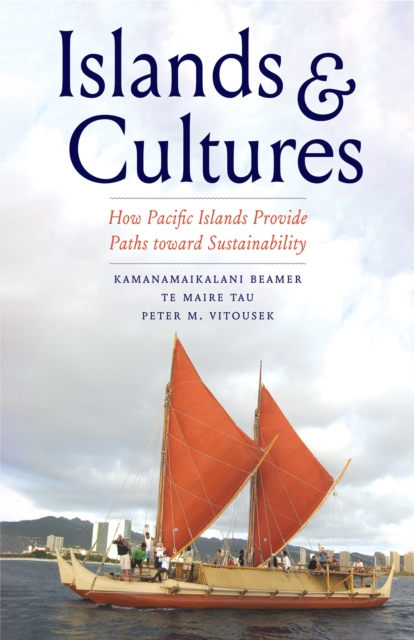
A uniquely collaborative analysis of human adaptation to the Polynesian islands, told through oral histories, biophysical evidence, and historical records Humans began to settle the area we know as Polynesia between 3,000 and 800 years ago, bringing with them material culture, including plants and animals, and ideas about societal organization, and then adapting to the specific biophysical features of the islands they discovered.
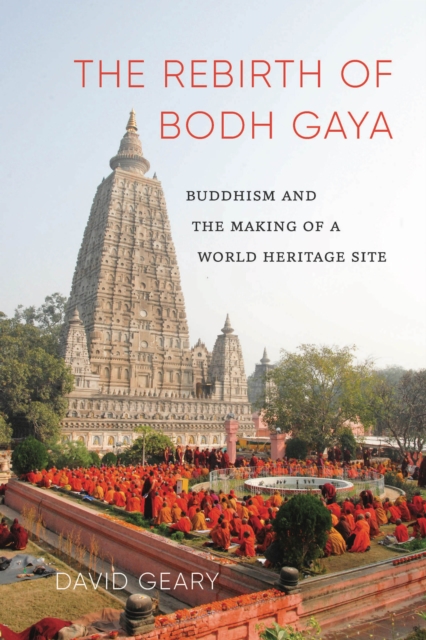
This multilayered historical ethnography of Bodh Gaya the place of Buddhas enlightenment in the north Indian state of Bihar explores the spatial politics surrounding the transformation of the Mahabodhi Temple Complex into a UNESCO World Heritage site in 2002.
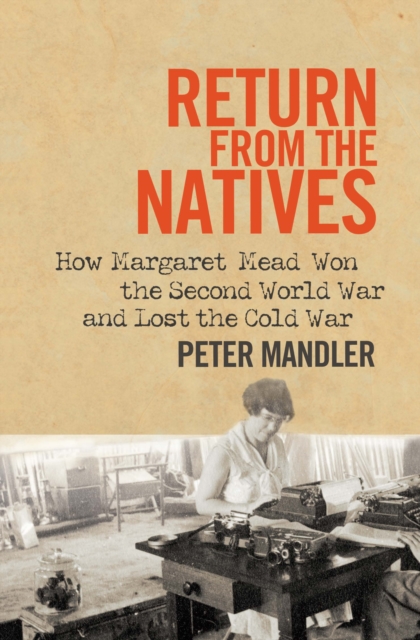
Celebrated anthropologist Margaret Mead, who studied sex in Samoa and child-rearing in New Guinea in the 1920s and '30s, was determined to show that anthropology could tackle the psychology of the most complex, modern societies in ways useful for waging the Second World War.
Throughout the twentieth century, neuronal researchers knew the adult human brain to be a thoroughly fixed and immutable cellular structure, devoid of any developmental potential.
In this riveting book, authors and authorities on modern slavery Kevin Bales and Ron Soodalter expose the disturbing phenomenon of human trafficking and slavery that exists now in the United States.
TodayOs growing fascination with flows of people, commodities, technology, capital, images and ideas across national and other boundaries poses fresh theoretical and methodological challenges to anthropology.
Over the last three decades, migration from Mexico to the United States has moved beyond the borderlands to diverse communities across the country, with the most striking transformations in American suburbs and small towns.
In Rio de Janeiro's favelas, traffickers assert power through conspicuous displays of wealth and force, brandishing high-powered guns, gold jewelry, and piles of cash and narcotics.