In a twenty-first-century global economy, in which multinational companies coordinate and collaborate withpartners and clientele around the world, it is usually English that is the parlance of business, research, technology, and finance.
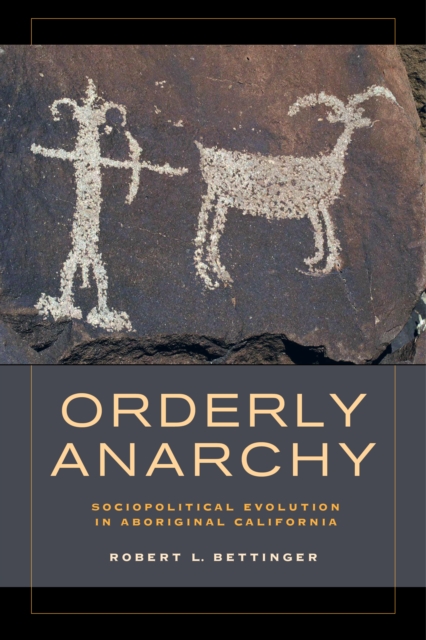
Orderly Anarchy delivers a provocative and innovative reexamination of sociopolitical evolution among Native American groups in California, a region known for its wealth of prehistoric languages, populations, and cultural adaptations.
Corporations are among the most powerful institutions of our time, but they are also responsible for a wide range of harmful social and environmental impacts.
Thank You, Anarchy is an up-close, inside account of Occupy Wall Street's first year in New York City, written by one of the first reporters to cover the phenomenon.
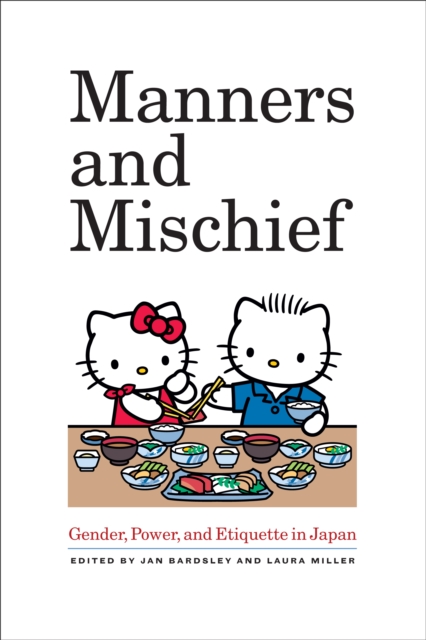
Offering a concise, entertaining snapshot of Japanese society, Manners and Mischief examines etiquette guides, advice literature, and other such instruction for behavior from the early modern period to the present day and discovers how manners do in fact make the nation.
In her new book Gajjala examines online community formations and subjectivities that are produced at the intersection of technologies and globalization.
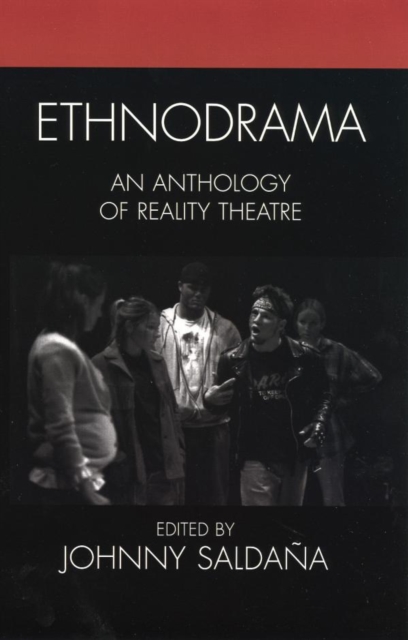
Ethnodrama: An Anthology of Reality Theatre contains seven carefully-selected ethnodramas that best illustrate this emerging genre of arts-based research, a burgeoning but evident trend in the field of theatre production itself.
Originally published in 1843, Fanny Calderon de la Barca, gives her spirited account of living in Mexico-from her travels with her husband through Mexico as the Spanish diplomat to the daily struggles with finding good help-Fanny gives the reader an enlivened picture of the life and times of a country still struggling with independence.
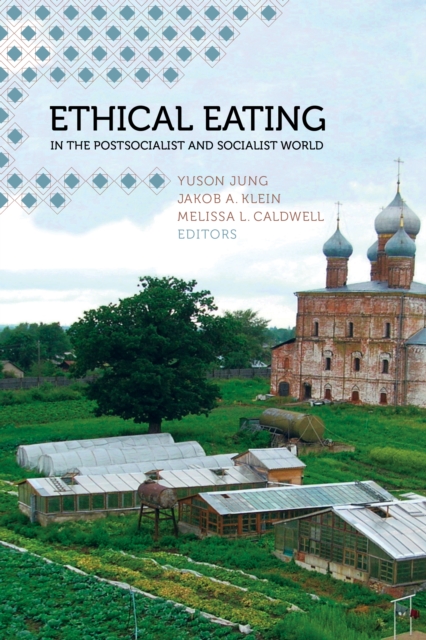
Current discussions of the ethics around alternative food movements--concepts such as "e;local,"e; "e;organic,"e; and "e;fair trade"e;--tend to focus on their growth and significance in advanced capitalist societies.
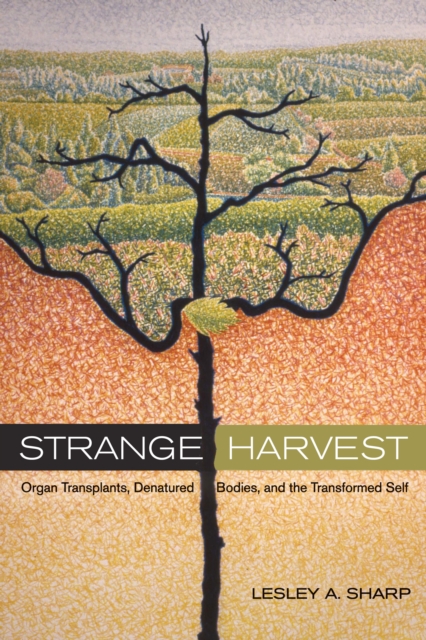
Strange Harvest illuminates the wondrous yet disquieting medical realm of organ transplantation by drawing on the voices of those most deeply involved: transplant recipients, clinical specialists, and the surviving kin of deceased organ donors.
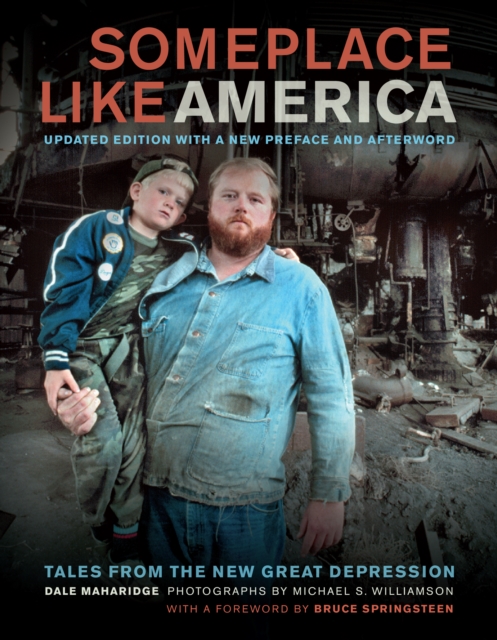
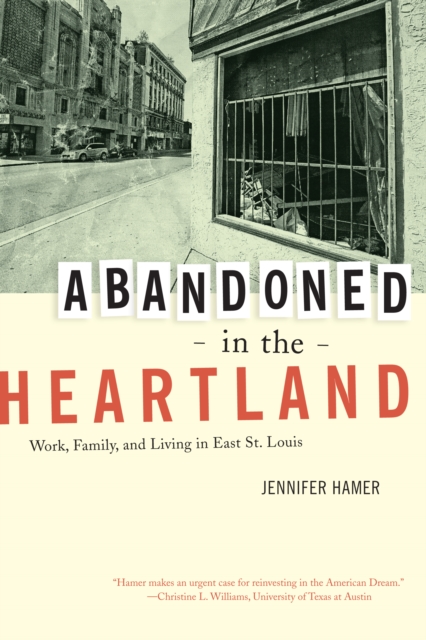
Urban poverty, along with all of its poignant manifestations, is moving from city centers to working-class and industrial suburbs in contemporary America.
Finally, social scientists have begun to attempt to understand religious behavior rather than to discredit it as irrational, ignorant, or foolish-and Rodney Stark and Roger Finke have played a major role in this new approach.
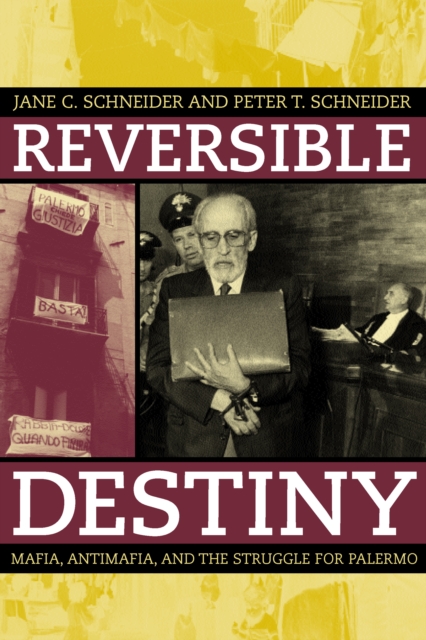
Reversible Destiny traces the history of the Sicilian mafia to its nineteenth-century roots and examines its late twentieth-century involvement in urban real estate and construction as well as drugs.
Arlene Davila brilliantly considers the cultural politics of urban space in this lively exploration of Puerto Rican and Latino experience in New York, the global center of culture and consumption, where Latinos are now the biggest minority group.
In this ethnographic examination of Mexican-American and white girls coming of age in California's Central Valley, Julie Bettie turns class theory on its head, asking what cultural gestures are involved in the performance of class, and how class subjectivity is constructed in relationship to color, ethnicity, gender, and sexuality.
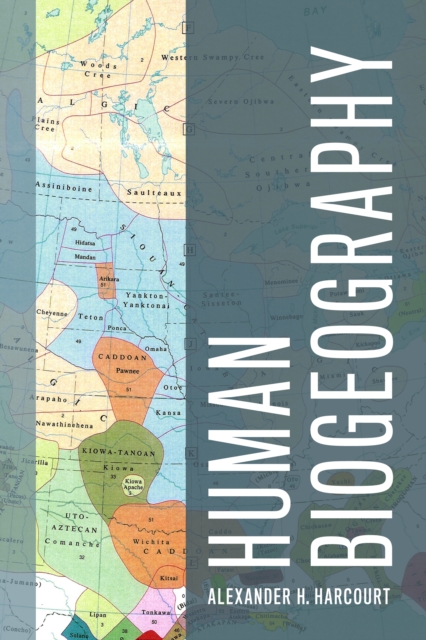
In this innovative, wide-ranging synthesis of anthropology and biogeography, Alexander Harcourt tells how and why our species came to be distributed around the world.
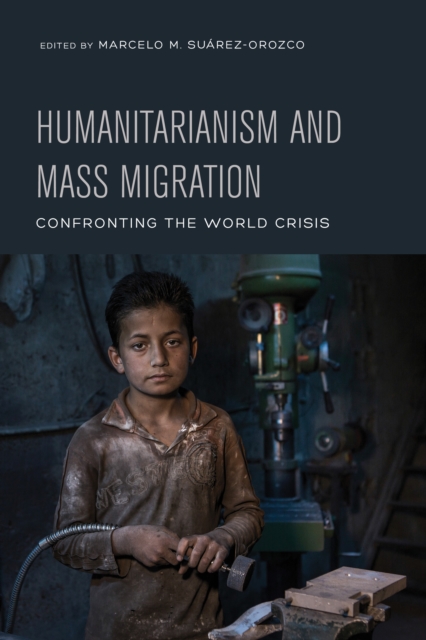
The world is witnessing a rapid rise in the number of victims of human trafficking and of migrantsvoluntary and involuntary, internal and international, authorized and unauthorized.
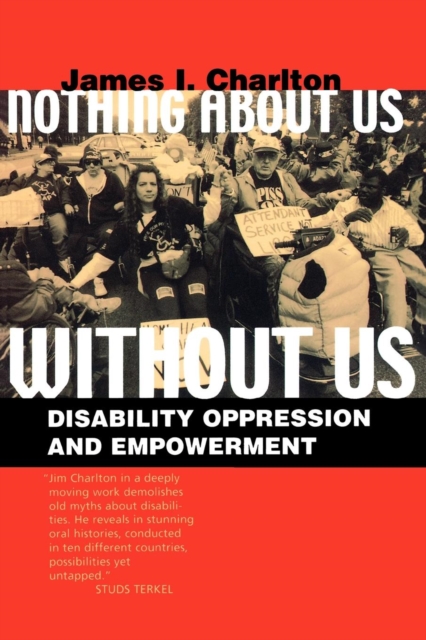
James Charlton has produced a ringing indictment of disability oppression, which, he says, is rooted in degradation, dependency, and powerlessness and is experienced in some form by five hundred million persons throughout the world who have physical, sensory, cognitive, or developmental disabilities.
The Wherewithal of Life engages with current developments in the anthropology of ethics and migration studies to explore in empirical depth and detail the life experiences of three young men - a Ugandan migrant in Copenhagen, a Burkina Faso migrant in Amsterdam, and a Mexican migrant in Boston - in ways that significantly broaden our understanding of the existential situations and ethical dilemmas of those migrating from the global south.
This intercultural communication text reader brings together the many dimensions of ethnic and cultural identity and shows how they are communicated in everyday life.
This riveting book chronicles the lives of a group of fishermen from Ghana who took the long and dangerous journey to Southern Italy in search of work in a cutthroat underground economy.
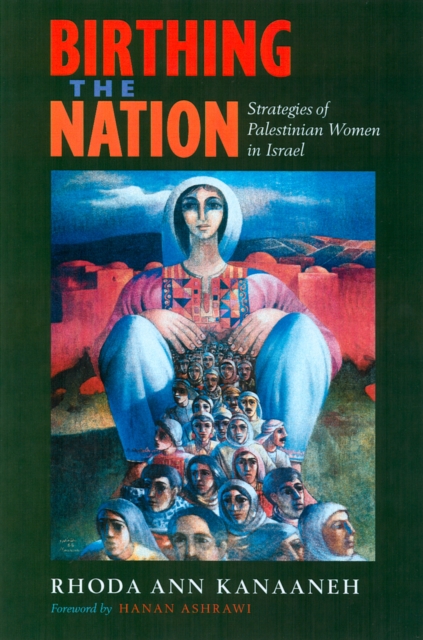
In this rich, evocative study, Rhoda Ann Kanaaneh examines the changing notions of sexuality, family, and reproduction among Palestinians living in Israel.
Orthodox by Design, a groundbreaking exploration of religion and media, examines ArtScroll, the world's largest Orthodox Jewish publishing house, purveyor of handsomely designed editions of sacred texts and a major cultural force in contemporary Jewish public life.
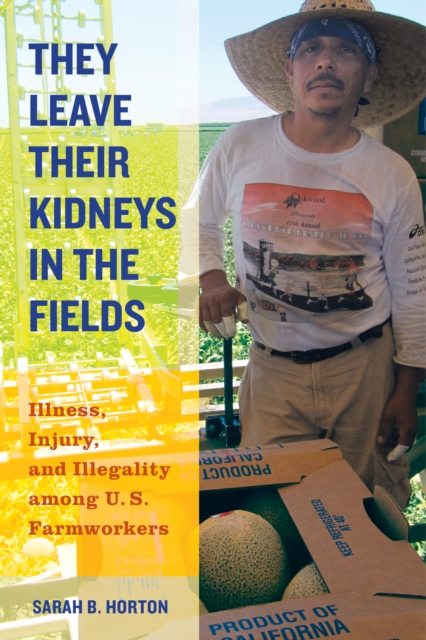
They Leave Their Kidneys in the Fieldstakes the reader on an ethnographic tour of the melon and corn harvesting fields of California's Central Valley to understand why farmworkers suffer heatstroke and chronic illness at rates higher than workers in any other industry.
Winner of the Margaret Mead AwardA classic, moving study of terminally ill children that emphasizes their agency and shows how we can relate to dying children more honestly"e;The death of a child,"e; writes Myra Bluebond-Langner, "e;poignantly underlines the impact of social and cultural factors on the way that we die and the way that we permit others to die.
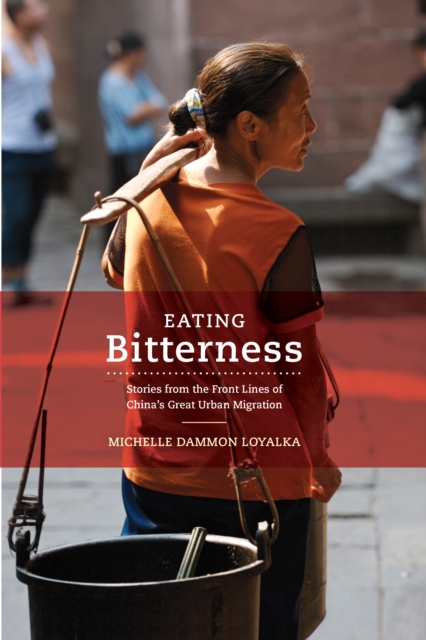
Every year over 200 million peasants flock to China's urban centers, providing a profusion of cheap labor that helps fuel the country's staggering economic growth.