Modern Freemasonry in the United States and Great Britain celebrates its 300th anniversary in 2017 tracing its direct history from the Grand Lodge of England founded in 1717.
The Logical Foundations of Social Theory describes Gert Mueller's argument that physical, biological, social, moral, and cultural reality form an asymmetrical hierarchy of founding and controlling relationships that condition social reality rather than mechanically determining it.
The Passage from Youth to Adulthood explores a society unanchored from culturally endorsed rites of passage, in which young people and adults appear to build their identities within a culture of dependency.
A multidisciplinary and varied perspective on play, Play as Engagement and Communication continues the stimulating and informative volumes in the Play and Culture Studies series.
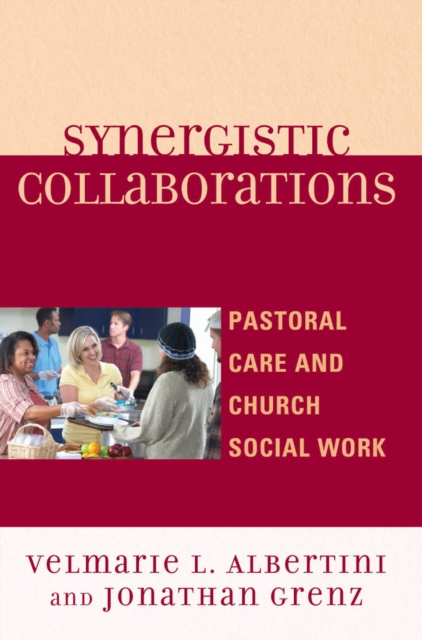
Synergistic Collaborations is a valuable resource for Christian ministers and social workers seeking to extend outreach ministries and new ways to collaborate with community organizations as they serve hurting people.
Using a mixed-method approach, Unintended Consequences of Human Actions documents a wide range of unintended and unanticipated consequences of human actions.
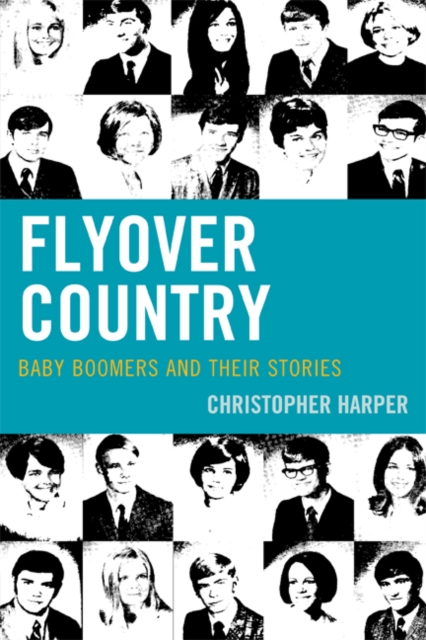
Flyover Country focuses on a group of baby boomers who graduated from high school in 1969 in the Midwest before setting off into the world in a time of turbulence to fight in Vietnam, to protest against that war, to find jobs, to have families, and to live lives throughout the United States and overseas.
The Third World cities have been reinvented by the forces of globalization as the destinations of new investments, causing the migration of a teeming million to the major urban centers without any corresponding increase in the creation of new jobs and other basic amenities required for decent living.
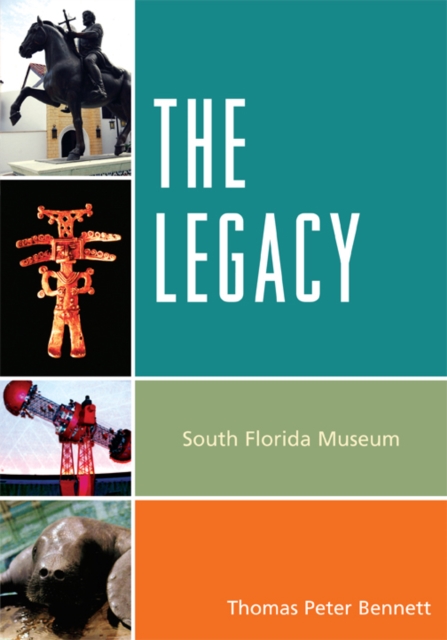
The Legacy: South Florida Museum is an account of the origins, founding, and development in twentieth-century Florida of a people's museum about archeology, Spanish exploration, manatees, and space.
Exit Narratives examines what constitutes good teaching and engaged learning and how to use this knowledge to support teachers in their efforts to create learning environments that encourage academic mastery and nourish students as social beings.
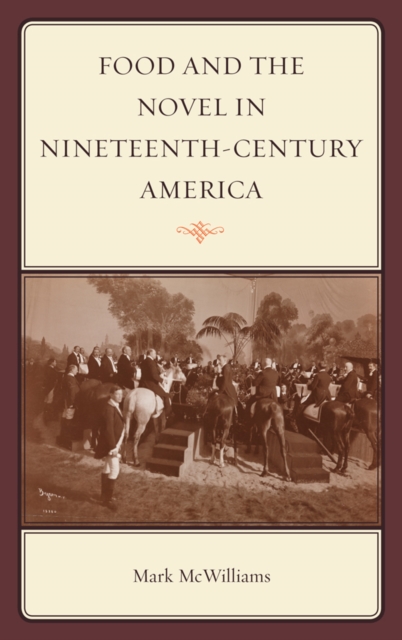
Food and the Novel in Nineteenth-Century America revolves around the 1840 presidential election when, according to campaign slogans, candidates were what they ate.
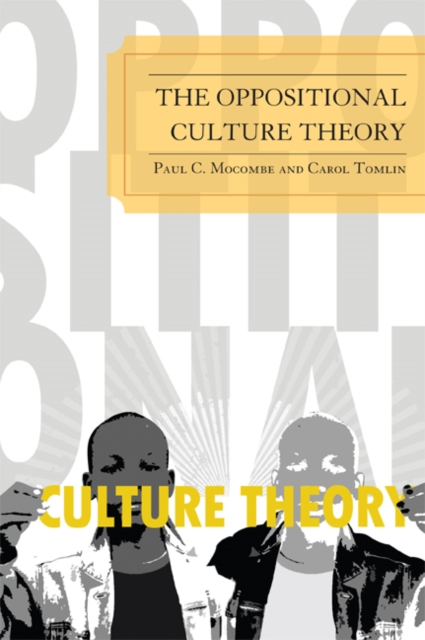
Mocombe and Tomlin explore the black/white achievement gap in America and Great Britain, gaining understanding through black bourgeois living and the labeled pathologies of the black underclass.
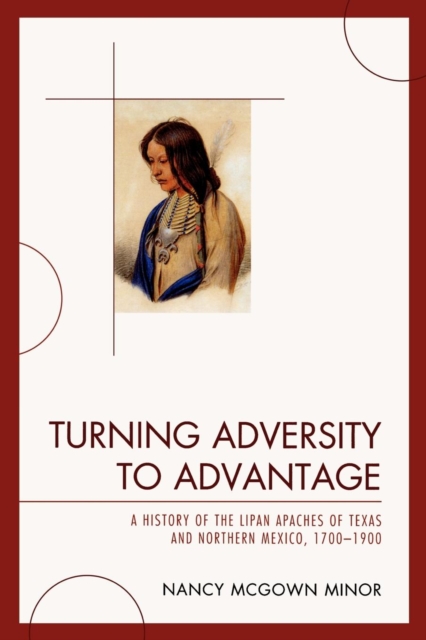
Turning Adversity to Advantage is the story of the Lipan Apaches, who are now one of the forgotten Indian tribes of Texas and northern Mexico, yet they were once one of the largest and most aggressive tribes of the Rio Grande region.
Ecce Educatrix Tua discusses the Apostolic Letter Novo millennio ineunte (NMI), wherein John Paul II outlined the path the Church should adopt in the third millennium.
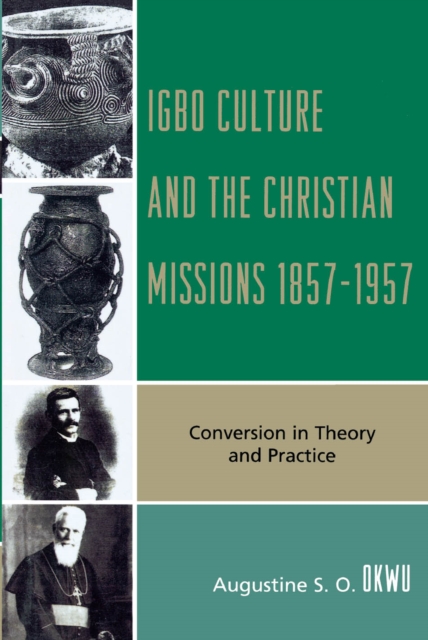
Igbo Culture and the Christian Missions 1857-1957: Conversion in Theory and Practice uses historical perspective to explore strategies and methods of the Protestant and the Roman Catholic missionaries in Igboland and the Igbo response during the mid-nineteenth and mid-twentieth centuries.
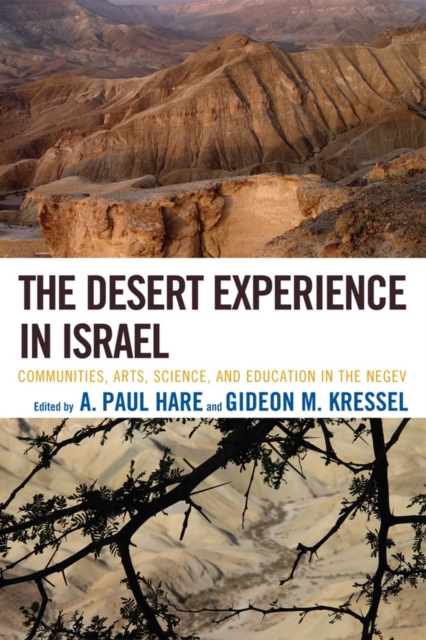
The Desert Experience in Israel shares the responses of settlers, artists, poets, scientists, and educators who lived near the Blaustein Institute in the Negev Desert of Israel as they answer the question, "e;What difference has living in the desert year round made in your work?
Continuing Perspectives on the Black Diaspora is a response to a 1990 publication that studied the persistence and resilience of black (African) diasporic populations in the Caribbean, Latin America, North America, and the United Kingdom.
In the last decade, a new conception of culture has emerged in sociology, out of the ashes of modernism and post-modernism, that has the potential to radically change how we think about cultural objects and groups in archaeology.
Anthropology and Global History explains the origin and development of human societies and cultures from their earliest beginnings to the present-utilizing an anthropological lens but also drawing from sociology, economics, political science, history, and ecological and religious studies.
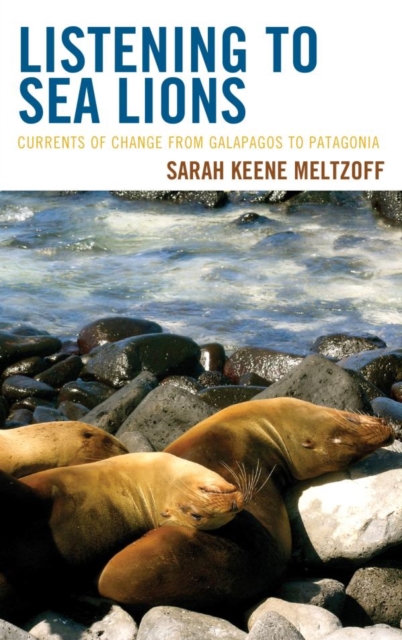
From the Galapagos to the depths of Patagonia and up along the stark desert coast of Chile, Listening to Sea Lions empathic ethnography carries the reader directly into the heart of the ocean world of Latino coastal people.
All peoples and cultures face environmental issues-but as this accessible text shows, how they respond to such issues varies widely around the world and across human history.
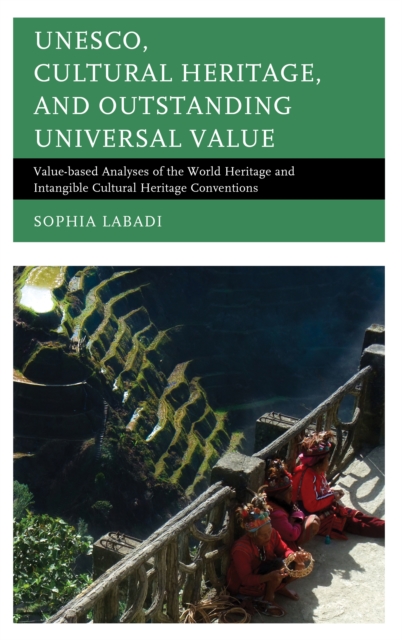
This book explores the international legal framework developed by UNESCO to identify and protect world heritage and its implementation at the national level.