Although much has been written in recent years on what museum visitors actually experience, there is little research-backed guidance available for developing meaningful exhibits and programs for specific educational purposes.
el-Aswad introduces the concepts of worldviews/cosmologies of Muslims, explaining that the different types of worldviews are not constructed solely by religious scholars or intellectual elite, but are latent in Islamic tradition, embedded in popular imagination, and triggered through people's everyday interaction in various countries and communities.
In this thoroughly revised fourth edition, with ten new chapters, the editors provide thought-provoking discussions on the importance of ethnicity in different cultural and social contexts.
Today as in the past there are many cultural and commercial representations of American Indians that, thoughtlessly or otherwise, negatively shape the images of indigenous people.
The culmination of 34 years of ethnographic fieldwork and archival research, this book offers ground-breaking insights into fundamental principles of Huichol shamanism and ritual.
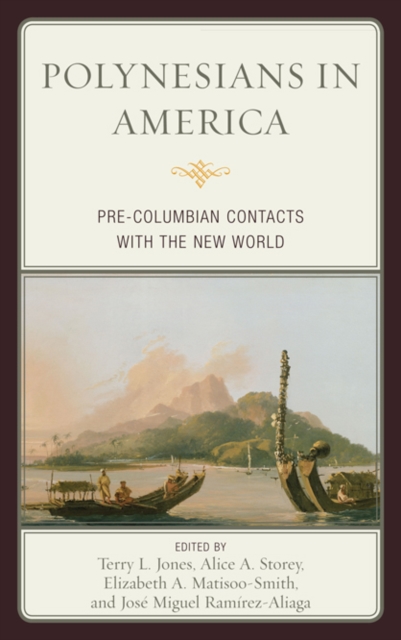
The possibility that Polynesian seafarers made landfall and interacted with the native people of the New World before Columbus has been the topic of academic discussion for well over a century, although American archaeologists have considered the idea verboten since the 1970s.
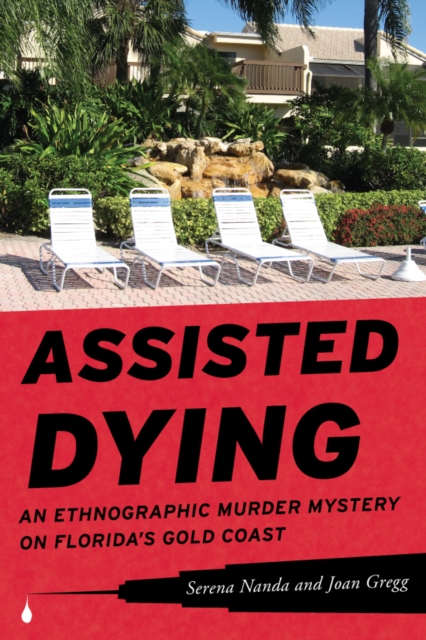
Assisted Dying is an ethnographically based murder mystery that uses the unexplained deaths of elderly people on Florida's Gold Coast as a way of examining American cultural values.
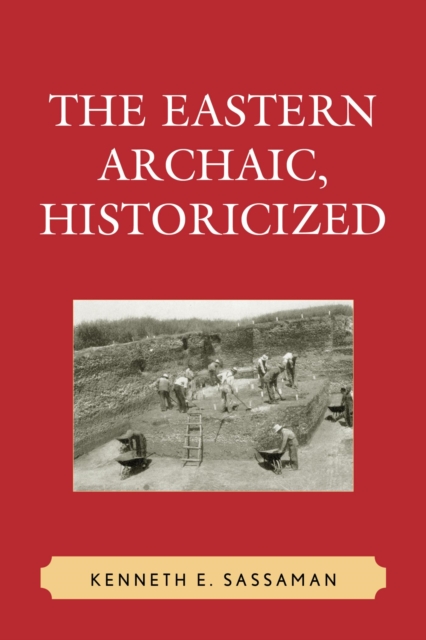
The Eastern Archaic, Historicized offers an alternative perspective on the genesis and transformation of cultural diversity over eight millennia of hunter-gatherer dwelling in eastern North America.
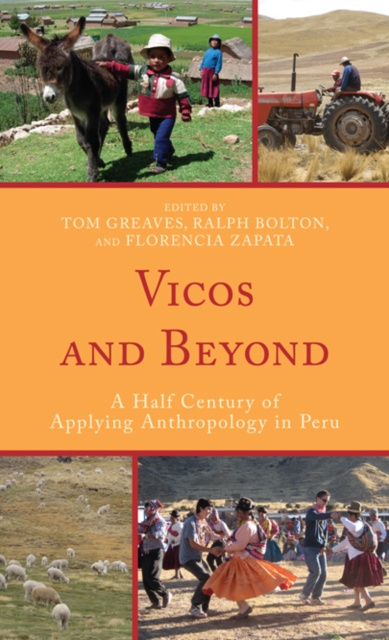
In 1952, Professor Allan Holmberg arranged for Cornell University to lease the Hacienda Vicos, an agricultural estate in the central Peruvian highlands on which some 1800 Quechua-speaking highland peasants resided.
Contested Images: Women of Color in Popular Culture is a collection of 17 essays that analyze representations in popular culture of African American, Asian American, Latina, and Native American women.
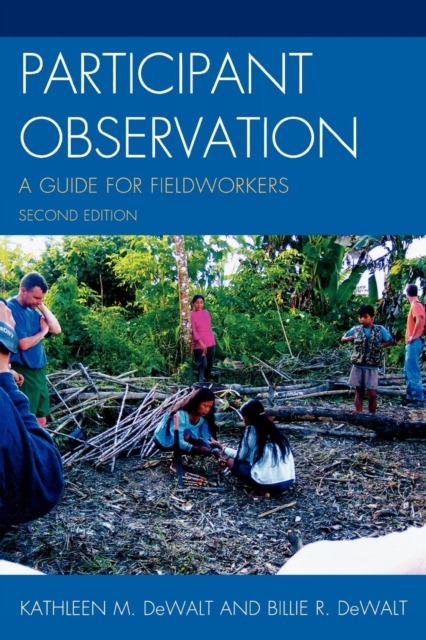
Participant observation is the foundation of ethnographic research design and supports and complements other types of qualitative and quantitative data collection.
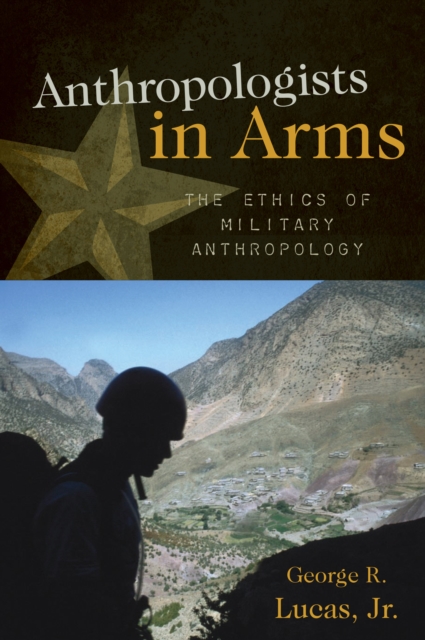
Anthropologists in Arms looks at the moral and ethical debates surrounding the recent development of "e;military anthropology"e;-particularly the practice of embedding anthropologists with combat troops in Iraq and Afghanistan.
The inherent dangers of war zones constrain even the most ardent researchers, with the consequence that little has been known for certain about the effects of war on stable environments.
Methods textbooks generally offer prescriptive advice on how to perform certain techniques, how to develop specific strategies, how to analyze your results.
Hornborg argues that we are caught in a collective illusion about the nature of modern technology that prevents us from imagining solutions to our economic and environmental crises other than technocratic fixes.
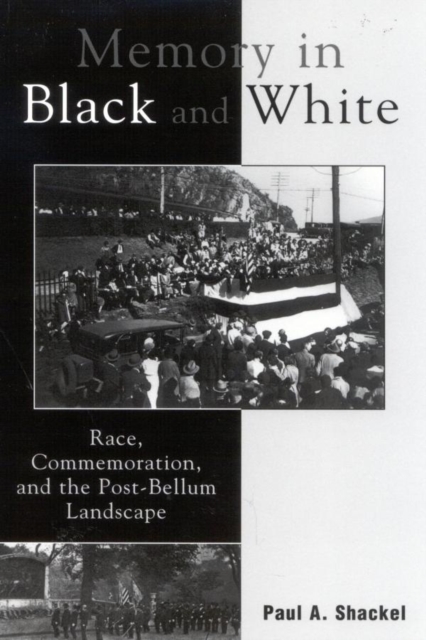
As a nation we bring many perspectives to our commemorative places and our ideas may change over time, especially on difficult topics like slavery and racism.
Economic development is an important focus of anthropological work in rural and urban communities around the world, and in this volume the contributors offer expert analyses on the theory and practice of development.
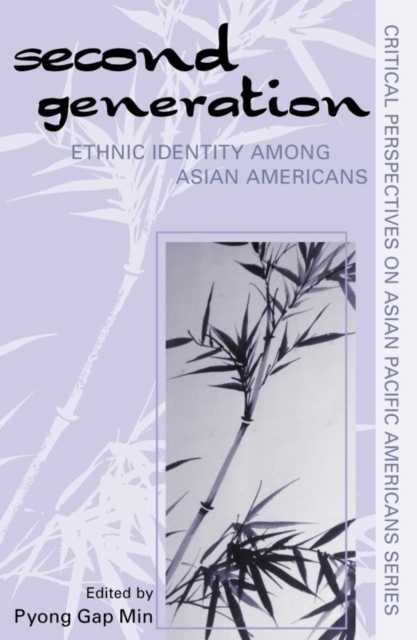
In a series of essays based on original ethnographic research, Pyong Gap Min and his contributors examine the unique identity issues for second generation ethnic Asians, from Chinese, Japanese, Filipino, Korean, Indian, and Vietnamese descent.
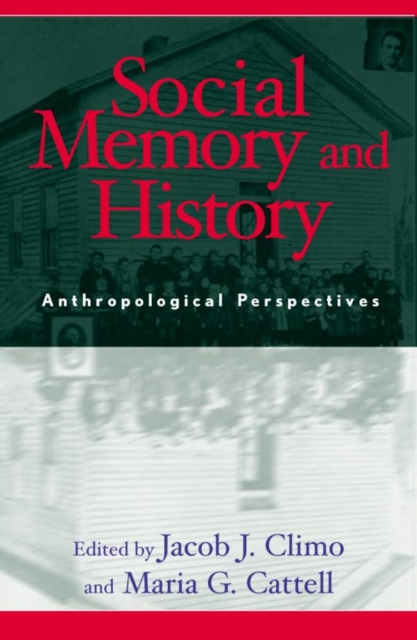
In Social Memory and History, a group of anthropologists, sociologists, social linguists, gerontologists, and historians explore the ways in which memory reconstructs the past and constructs the present.
This book chronicles the transformation of the holistic health movement over the past three decades, as it increasingly influences the delivery of health care in America.
Moving the Rock portrays several generations of African American women whose families migrated from the South to the Pacific Northwest in the 1940s and 1950s.
The San/Bushmen are one of the most studied people in anthropology, subjects of research going back one hundred years, of documentaries, and even of popular movies (The Gods Must Be Crazy).
Ethnic Community Builders: Mexican-Americans in Search of Justice and Power is an oral history of Mexican-American activism in San JosZ, California, over the last half century.