A firsthand look at how business owners in Havana navigate the changing Cuban market and stateThe Struggle for the Market tells the story of Cuba's economic reforms in the 2010s, focusing on the experiences a group of small business owners known as cuentapropistas.
This book explores major shifts and reorientations in the recent history of American Anthropology, reflecting the author's vision of what anthropology is and what it has the potential to become.
Between the late 1970s and the early 1980s, Nayra Atiya gathered the oral histories of five Egyptian men: a fisherman, an attorney, a scholar, a business- man, and a production manager.
The individual and cultural upheavals of early colonial New France were experienced differently by French explorers and settlers, and by Native traditionalists and Catholic converts.
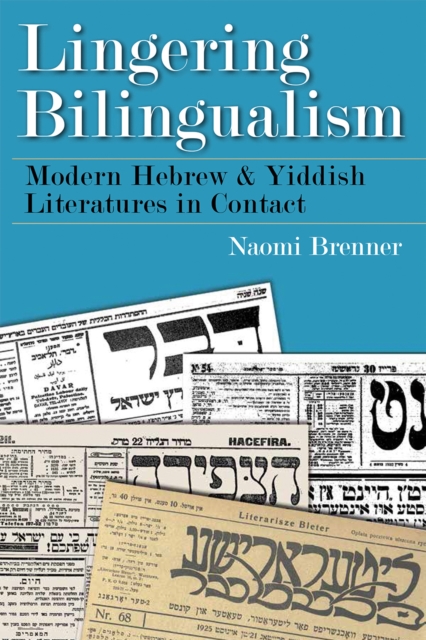
In a famous comment made by the poet Chayim Nachman Bialik, Hebrew-the language of the Jewish religious and intellectual tradition-and Yiddish-the East European Jewish vernacular-were "e;a match made in heaven that cannot be separated.
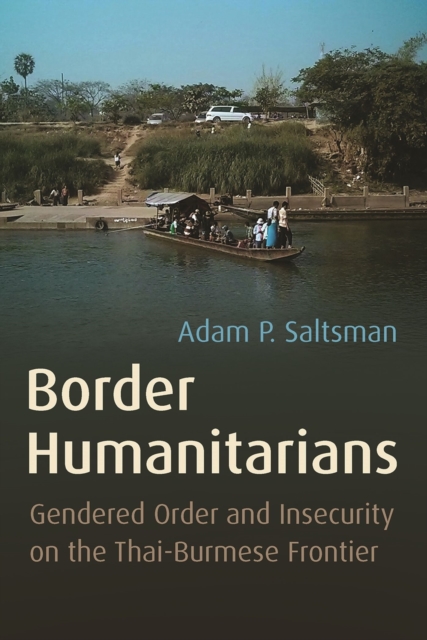
In rich ethnographic detail, Border Humanitarians explores the narratives of Burmese activists in exile who rely on transnational political and social networks to respond to gender violence among the hundreds of thousands of migrants living and working precariously on the Thai border with Myanmar.
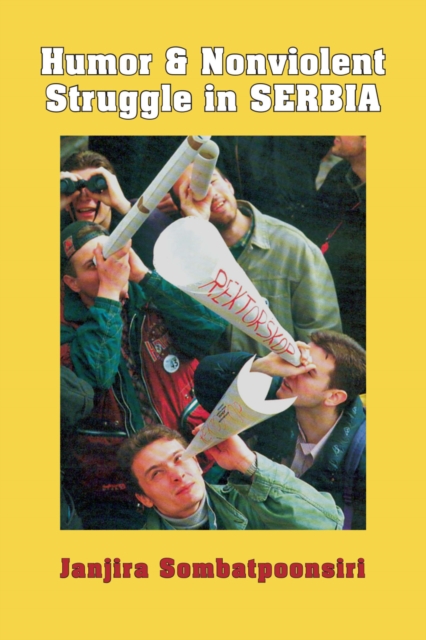
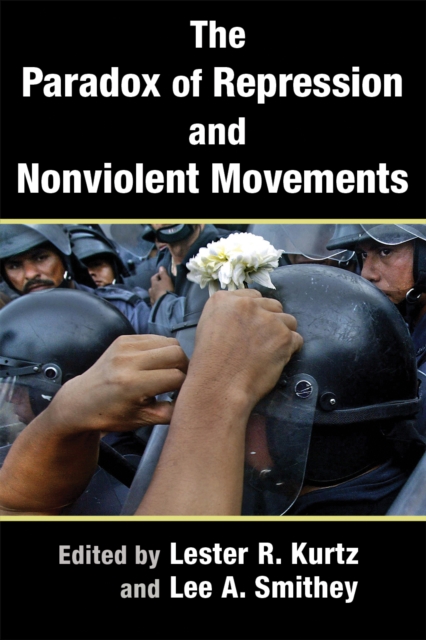
In this highly original and engaging work, Sombatpoonsiri explores the nexus between humor and nonviolent protest, aiming to enhance our understanding of the growing popularity of humor in protest movements around the world.
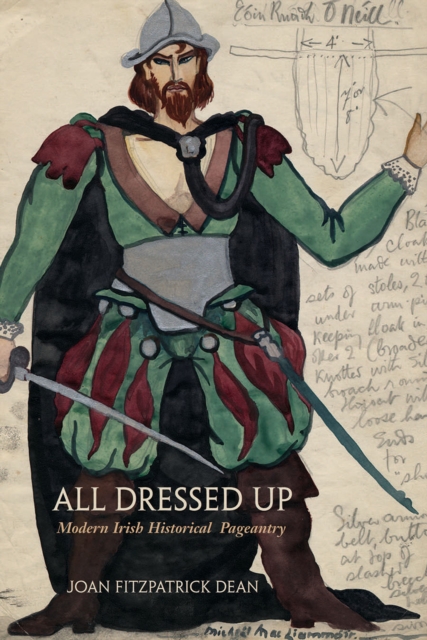
In the early twentieth century, publicly staged productions of significant historical, political, and religious events became increasingly popular-and increasingly grand-in Ireland.
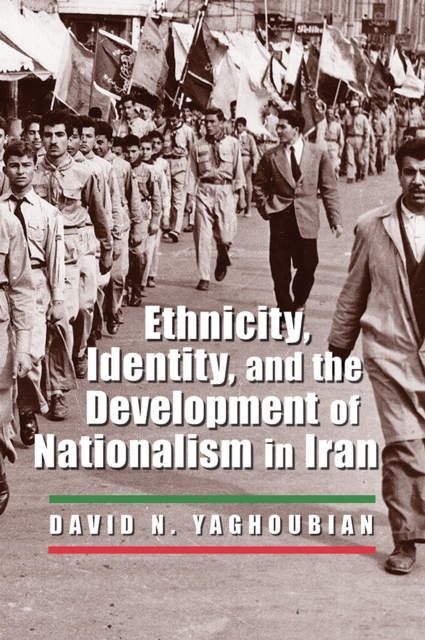
Ethnicity, Identity, and the Development of Nationalism in Iran investigates the ways in which Armenian minorities in Iran encountered Iranian nationalism and participated in its development over the course of the twentieth century.
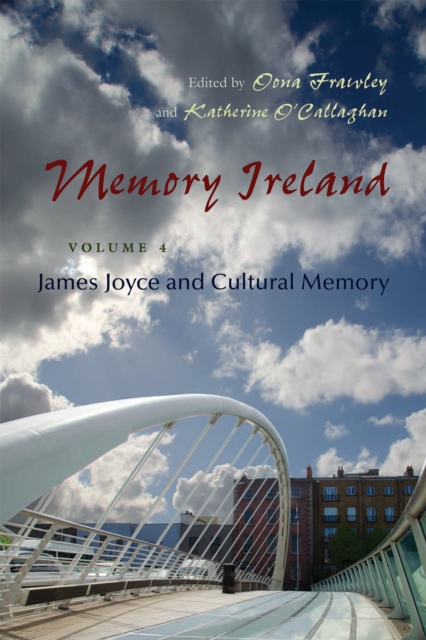
In the fourth and final volume of the Memory Ireland series, Frawley and O'Callaghan explore the manifestations and values of cultural memory in Joyce's Ireland, both real and imagined.
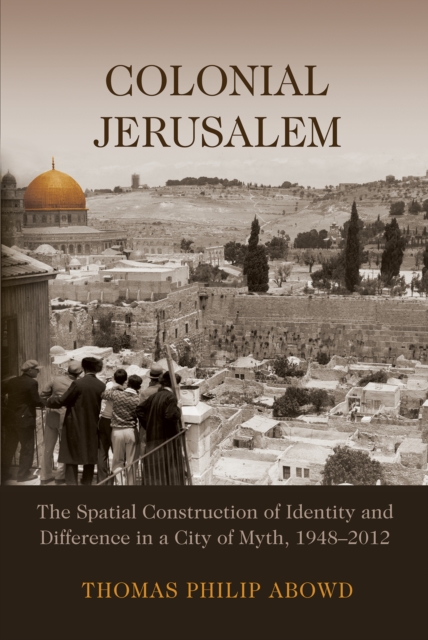
In one of the few anthropological works focusing on a contemporary Middle Eastern city, Colonial Jerusalem explores a vibrant urban center at the core of the decades-long Palestinian-Israeli conflict.
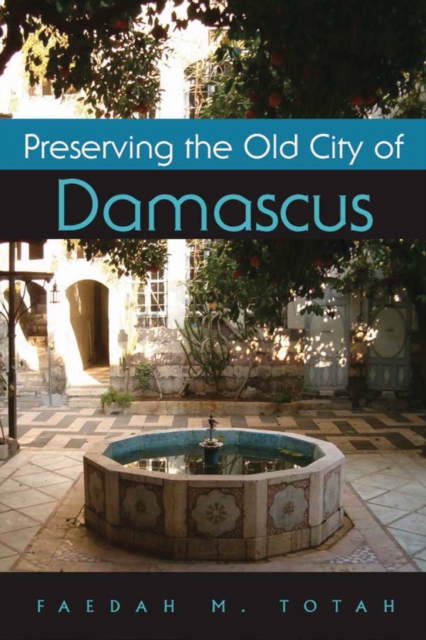
In Preserving the Old City of Damascus, Totah examines the recent gentrification of the historic urban core of the Syrian capital and the ways in which urban space becomes the site for negotiating new economic and social realities.
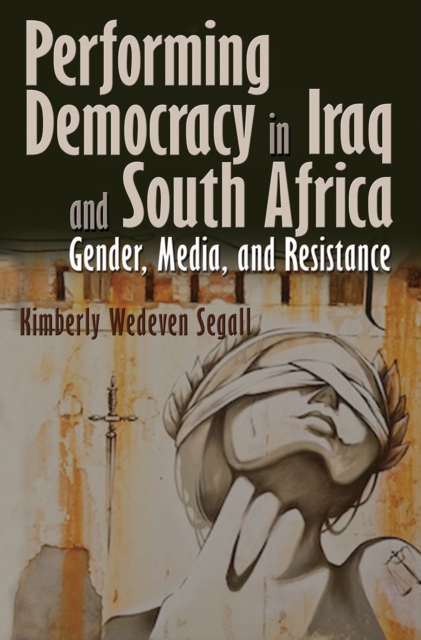
Reflecting twenty years of research and experience-after working with guerrilla fighters in the Kurdish region of northern Iraq, with Iranian refugees in Istanbul, with interreligious reconciliation groups in Morocco, and with former political prisoners in South Africa-Segall offers a groundbreaking study of globalization, gender, and resistance in public spaces.
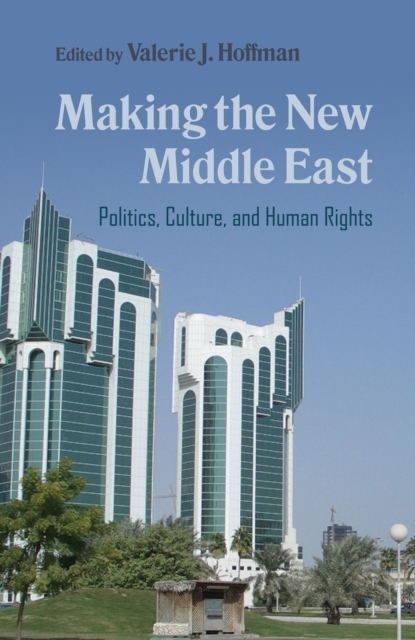
Demands for freedom, justice, and dignity have animated protests and revolutions across the Middle East in recent years, from the Iranian Green Movement and the Arab Spring uprisings to Turkey's March for Justice and the ongoing struggle in Palestine.
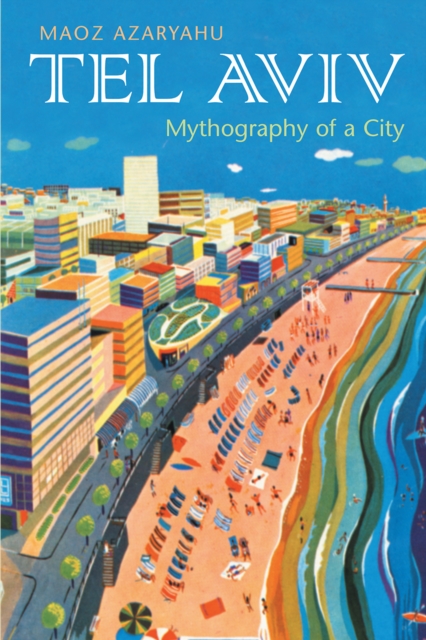
Founded in 1909 as a "e;garden suburb"e; of the Mediterranean port of Jaffa, Tel Aviv soon became a model of Jewish self-rule and was celebrated as a jewel in the crown of Hebrew revival.
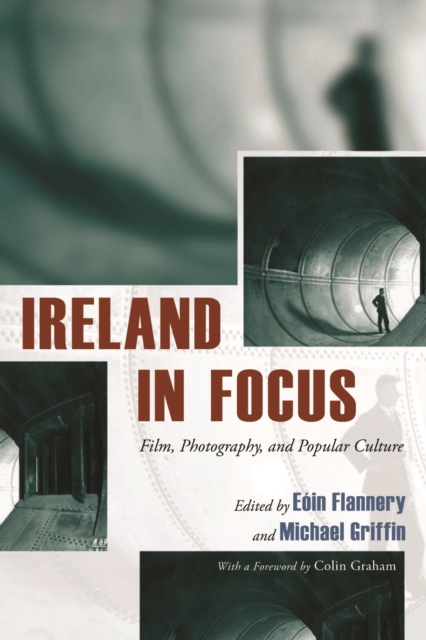
From an analysis of the Guinness brand's reflection of Irish identity to an exploration of murals and film portrayals of political prisoners, this pioneering collection of essays seeks to present Ireland's relationship to visual culture as a whole.
One of our most admired and loved psychologists turns her attention to the essence of the good relationship, and why we need enemies as well as friends.
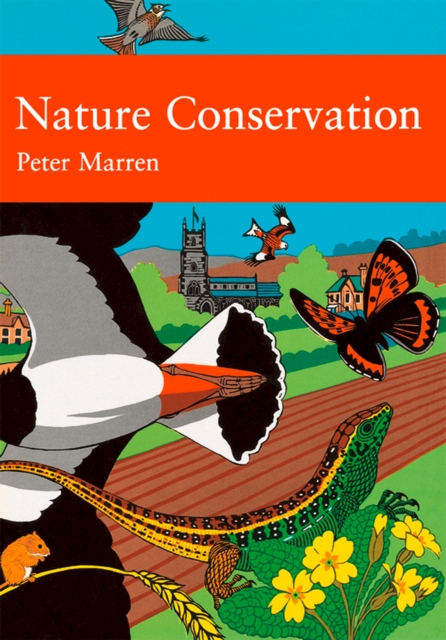
This latest volume in the New Naturalist series provides a comprehensive study of wildlife conservation in Britain, concentrating on events in the last 30 years.
Based on exciting discoveries in mathematics, genetics, psychology and sociology, 'Connected' is an innovative and fascinating exploration of how social networks operate.
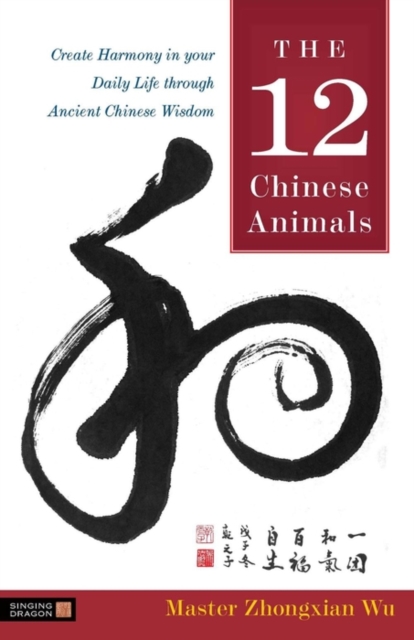
* Silver Medal Winner in the 2010 BOTYA Awards Body, Mind and Spirit Category *The Chinese horoscope holds the key to a better understanding of self and others, and to living a life of harmony.
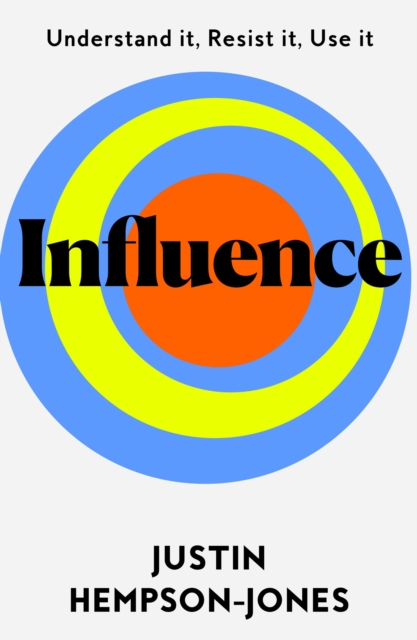
One of the government's former behavioural scientists reveals how you can do what you want, whilst everybody tries to influence you into doing what they want.
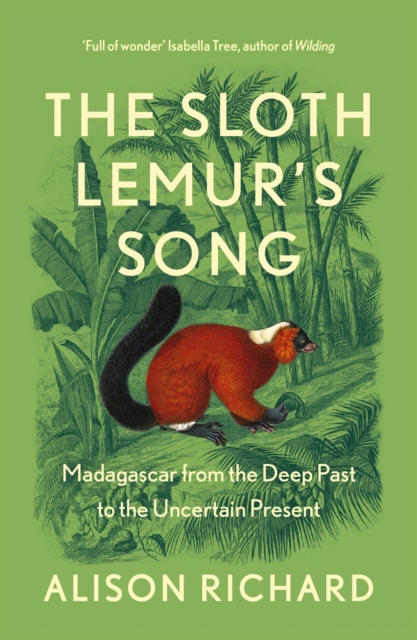
'Full of wonder and forensic intelligence' Isabella Tree, author of WildingA moving account of Madagascar told by a researcher who has spent over fifty years investigating the mysteries of this remarkable island.