This book analyses historic and contemporary border regime developments in East Africa, and draws a complex picture of borders control in Africa beyond stereotypical “Western” imaginations.
This volume provides an overview of a number of different areas of social and cultural life in which nostalgia is shown to be an important prism for understanding and analysing human thoughts, actions and feelings.
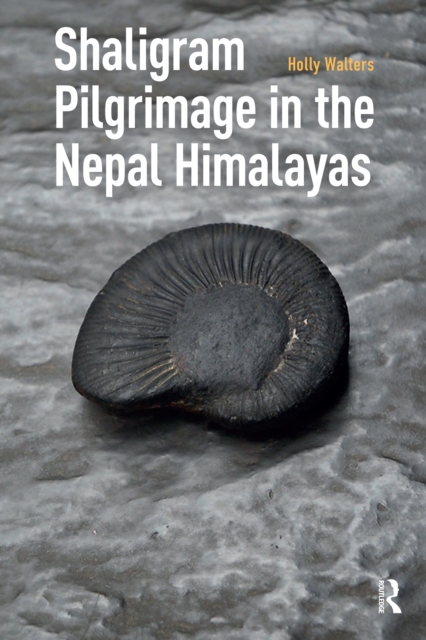
For roughly two thousand years, the veneration of sacred fossil ammonites, called Shaligrams, has been an important part of Hindu and Buddhist ritual practice throughout South Asia and among the global Diaspora.
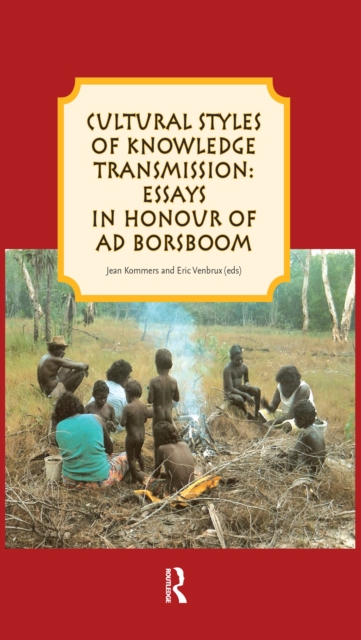
Anthropologist Dr Ad Borsboom, chair of Pacific Studies at Radboud University Nijmegen, devoted his academic career from 1972 onwards to the transmission of cultural knowledge.
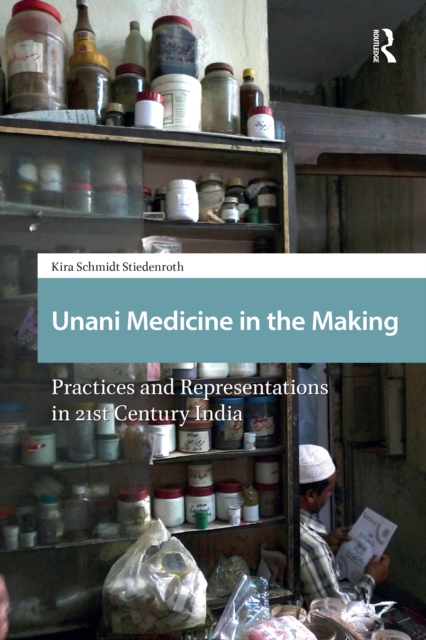
Unani Medicine in the Making examines the institutions and practices of Unani medicine, the Graeco-Islamic healing practice based on the humoral theory attributed to Hippocrates and officially recognized as a system of medicine in India.
Kashmir as a Borderland: The Politics of Space and Belonging across the Line of Control examines the Kashmir dispute from both sides of the Line of Control (LoC) and within the theoretical frame of border studies.
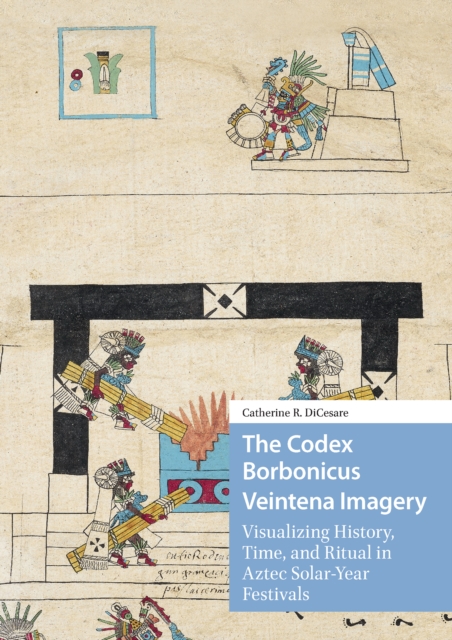
The sixteenth-century pictorial manuscript known as the Codex Borbonicus contains a remarkable record of the eighteen Mexica (or "e;Aztec"e;) festival periods of twenty days, known as veintenas, celebrated during the 365-day solar year.
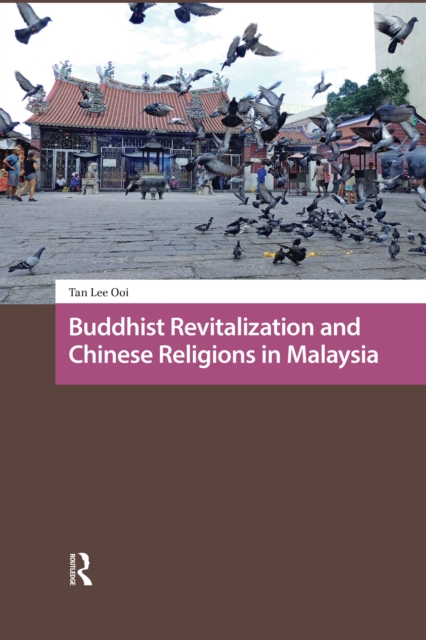
Buddhist Revitalization and Chinese Religions in Malaysia tells the story of how a minority community comes to grips with the challenges of modernity, history, globalization, and cultural assertion in an ever-changing Malaysia.
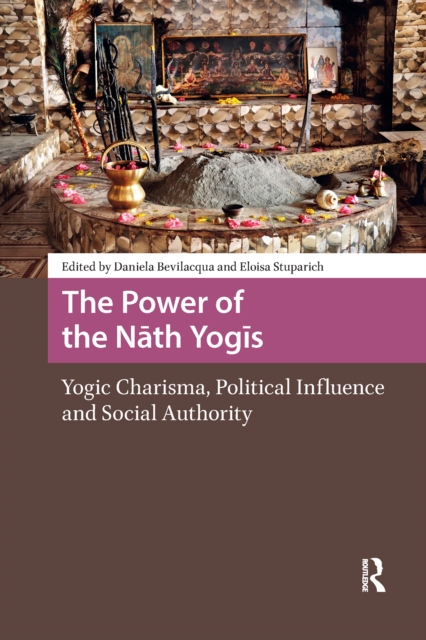
The volume collects a series of contributions that help reconstruct the recent history of the Nath tradition, highlighting important moments of self reinterpretation in the sampradaya's interaction with different social milieus.
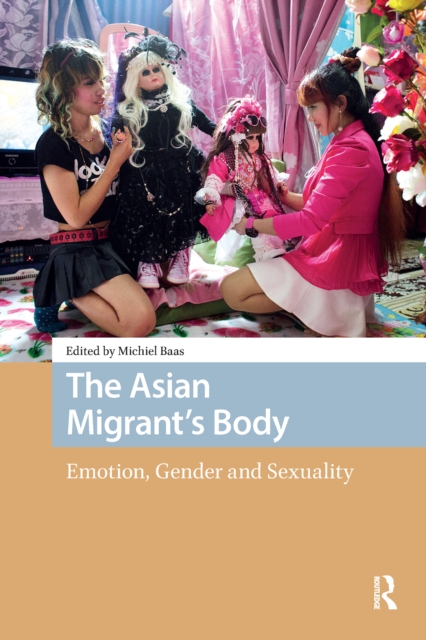
The Asian Migrant's Body: Emotion, Gender and Sexuality brings together papers that investigate the way Asian migrants experience, think about, perceive and utilize their bodies as part of the journeys they have embarked on.
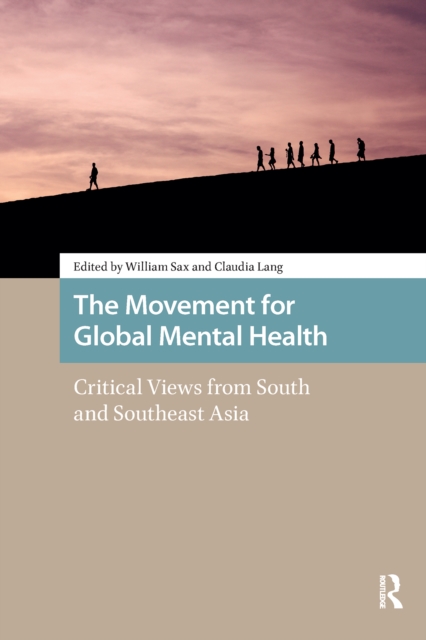
In The Movement for Global Mental Health: Critical Views from South and Southeast Asia, prominent anthropologists, public health physicians, and psychiatrists respond sympathetically but critically to the Movement for Global Mental Health (MGMH).
Unani Medicine in the Making examines the institutions and practices of Unani medicine, the Graeco-Islamic healing practice based on the humoral theory attributed to Hippocrates and officially recognized as a system of medicine in India.
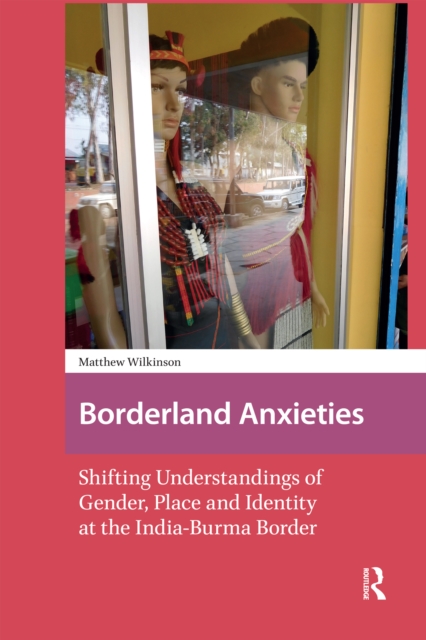
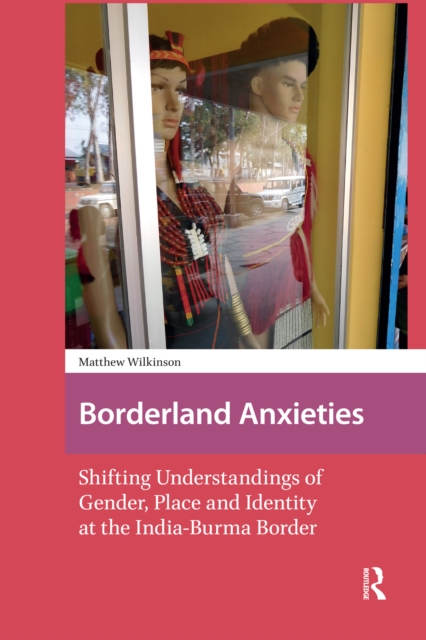
Borderland Anxieties explores the complex relationships between liberalization, gender and migration in Nagaland, a state in Northeast India that is emerging from decades of armed conflict.
While Muslims in Indonesia have begun to turn towards a strict adherence to Islam, the reality of the socio-religious environment is much more complicated than a simple shift towards fundamentalism.
Borderland Anxieties explores the complex relationships between liberalization, gender and migration in Nagaland, a state in Northeast India that is emerging from decades of armed conflict.
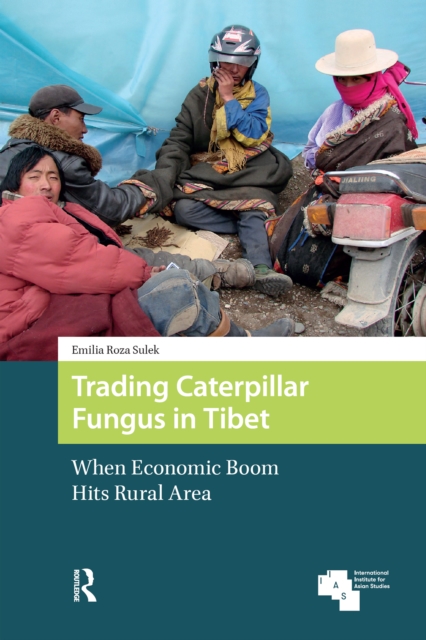
When the demand for, and prices of caterpillar fungus (Ophiocordyceps sinensis, 'the Himalayan Viagra', long a part of traditional Chinese medicine) soared, the pastoralists of Golok on the Tibetan plateau where the fungus is endemic dug up, dried and sold the fungus to traders.
This book explores the historical and contemporary processes that have made and remade Mongolia as it is today: the construction of ethnic and national cultures, the transformations of political economy and a 'nomadic' pastoralism, and the revitalization of a religious and cosmological heritage that has led to new forms of post-socialist politics.
Erich Horl's Sacred Channels is an original take on the history of communication theory and the cultural imaginary of communication understood through the notions of the sacred and the primitive.
The volume collects a series of contributions that help reconstruct the recent history of the Nath tradition, highlighting important moments of self reinterpretation in the sampradaya's interaction with different social milieus.
Zomia is a term coined in 2002 to describe the broad swath of mountainous land in Southeast Asia that has always been beyond the reach of lowland governments despite their technical claims to control.
Northern Laos has become a prominent spot in large-scale, top-down mappings and studies of neoliberal globalisation and infrastructural development linking Thailand and China, and markets further beyond.
This ethnography explores how Balinese citizens produce postcolonial intimacy-a complex interaction of claims to proximity and mutuality between themselves and the Dutch under colonialism that continues today.
While Muslims in Indonesia have begun to turn towards a strict adherence to Islam, the reality of the socio-religious environment is much more complicated than a simple shift towards fundamentalism.
Erich Horl's Sacred Channels is an original take on the history of communication theory and the cultural imaginary of communication understood through the notions of the sacred and the primitive.
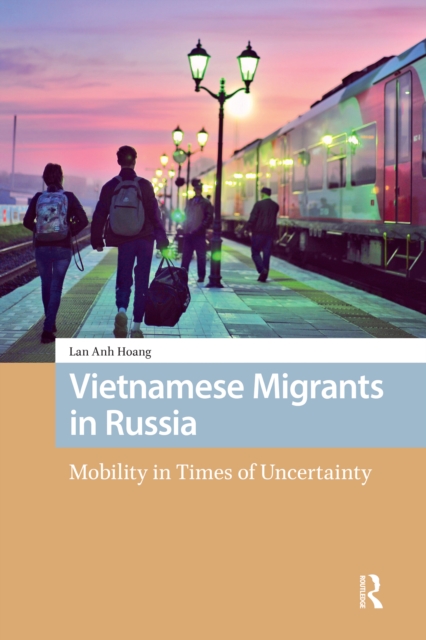
Drawing on ethnographic research conducted at Moscow's wholesale markets from 2013 to 2016, Vietnamese Migrants in Russia: Mobility in Times of Uncertainty provides original insights into how uncertainty shapes social practice, identity and belonging in the context of irregular migration from Vietnam to Russia.