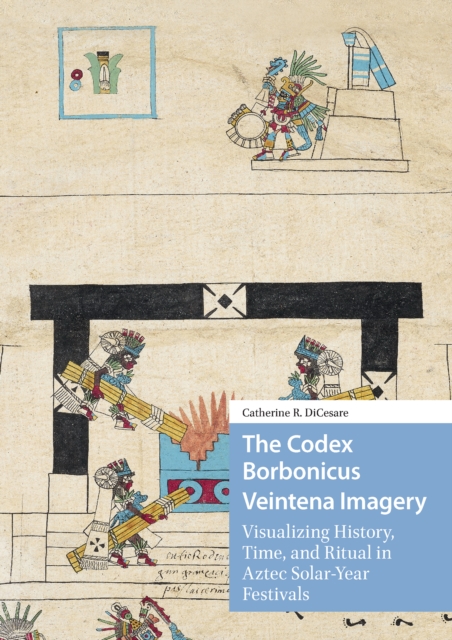
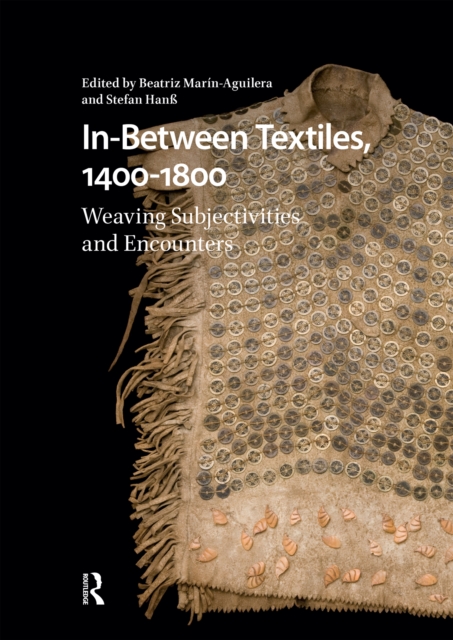
The sixteenth-century pictorial manuscript known as the Codex Borbonicus contains a remarkable record of the eighteen Mexica (or "e;Aztec"e;) festival periods of twenty days, known as veintenas, celebrated during the 365-day solar year.
Bordering Tibetan Languages: Making and Marking Languages in Transnational High Asia examines the complex interactions between state, ethnic, and linguistic borders in the Himalayas.
Based on the author's extensive fieldwork among the Akha people prior to full nation-state integration, this illuminating study critically re-examines assumptions about space, power, and the politics of identity, so often based on modern, western contexts.
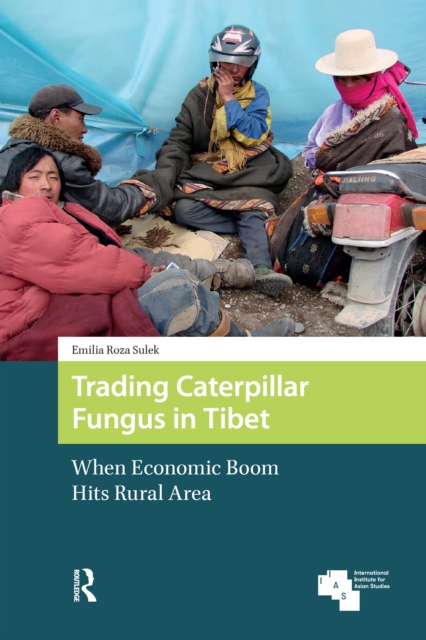
When the demand for, and prices of caterpillar fungus (Ophiocordyceps sinensis, 'the Himalayan Viagra', long a part of traditional Chinese medicine) soared, the pastoralists of Golok on the Tibetan plateau where the fungus is endemic dug up, dried and sold the fungus to traders.
Bordering Tibetan Languages: Making and Marking Languages in Transnational High Asia examines the complex interactions between state, ethnic, and linguistic borders in the Himalayas.
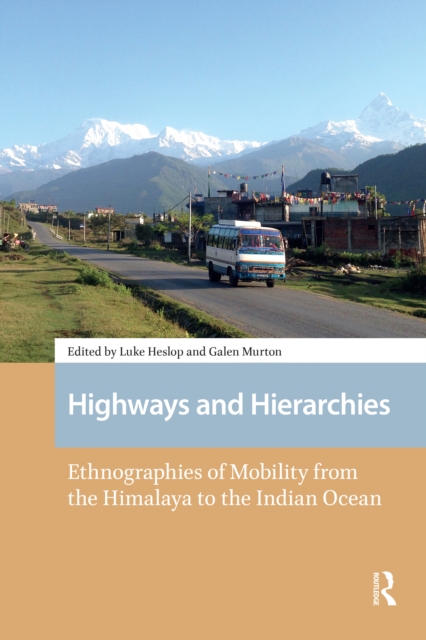
Highways and Hierarchies: Ethnographies of Mobility from the Himalaya to the Indian Ocean explores the contemporary proliferation of roads in South Asia and the Tibet-Himalaya region, showing how new infrastructures simultaneously create fresh connections and reinforce existing inequalities.
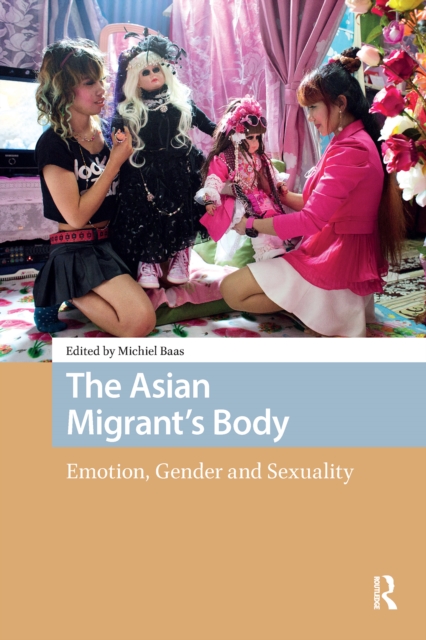
The Asian Migrant's Body: Emotion, Gender and Sexuality brings together papers that investigate the way Asian migrants experience, think about, perceive and utilize their bodies as part of the journeys they have embarked on.
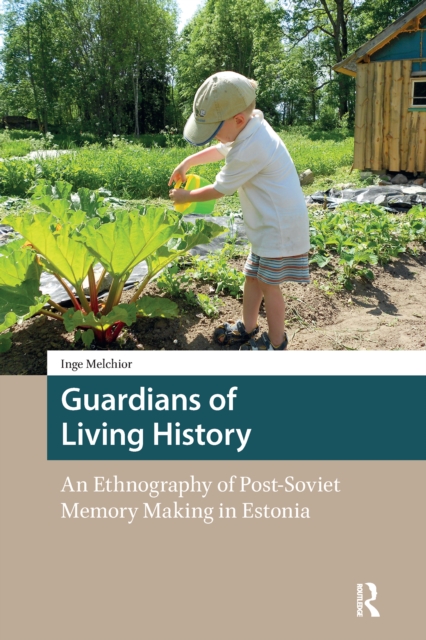
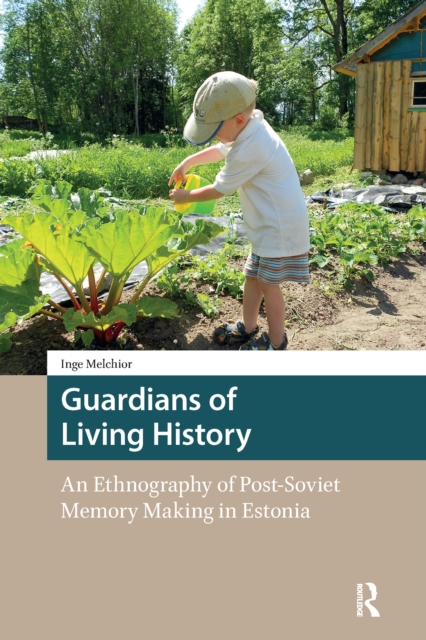
Guardians of Living History: An Ethnography of Post-Soviet Memory Making in Estonia interrogates how people living in a society with an extremely complicated, violent past, only a short history of independence, and a desire to belong to Europe engage with the past, both within their families and as members of a national community.
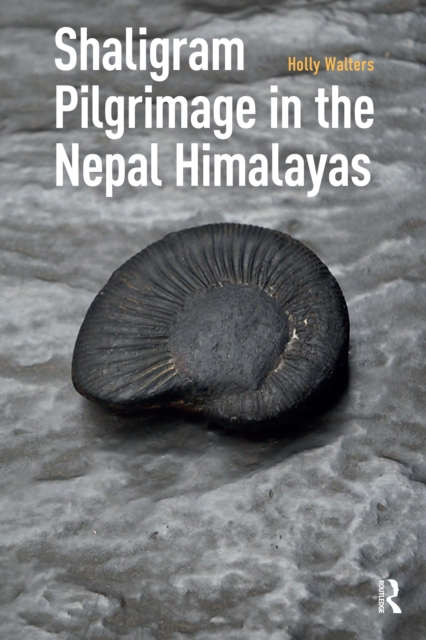
For roughly two thousand years, the veneration of sacred fossil ammonites, called Shaligrams, has been an important part of Hindu and Buddhist ritual practice throughout South Asia and among the global Diaspora.
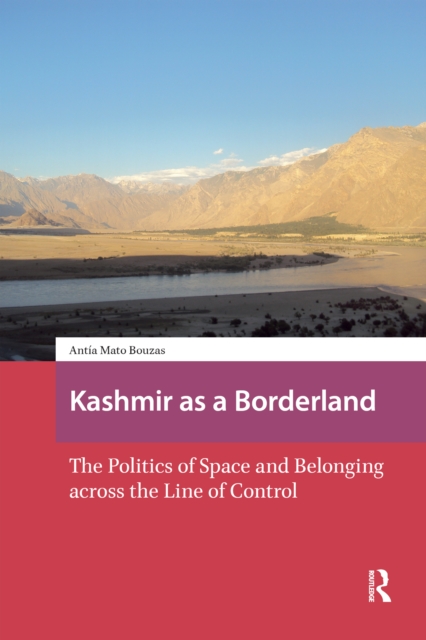
Kashmir as a Borderland: The Politics of Space and Belonging across the Line of Control examines the Kashmir dispute from both sides of the Line of Control (LoC) and within the theoretical frame of border studies.
Imagined Geographies in the Indo-Tibetan Borderlands: Culture, Politics, Place is an ethnography of culture and politics in Monyul, a Tibetan Buddhist cultural region in west Arunachal Pradesh, Northeast India.
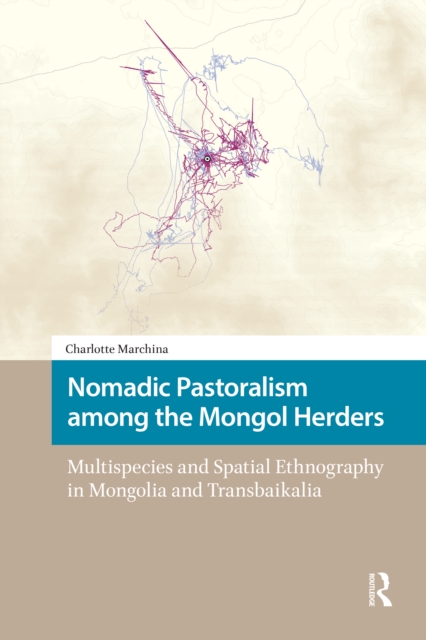
Nomadic Pastoralism among the Mongol Herders: Multispecies and Spatial Ethnography in Mongolia and Transbaikalia is based on anthropological research carried out by the author between 2008 and 2016 and addresses the spatial features of nomadic pastoralism among the Mongol herders of Mongolia and Southern Siberia from a cross-comparative perspective.
This book presents a close look at the growth, success, and proliferation of ethnic politics on the peripheries of modern South Asia, built around a case study of the Nepal ethnic group that lives in the borderlands of Sikkim, Darjeeling, and east Nepal.
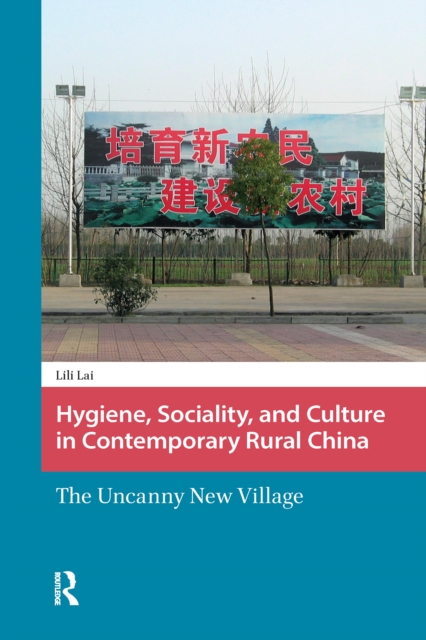
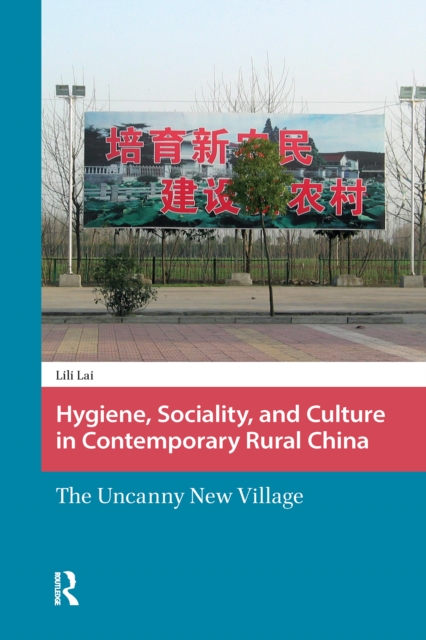
This book presents a new perspective on attempts by the contemporary Chinese government to transform the diverse conditions found in countless rural villages into what the state's social welfare program deems 'socialist new villages'.
Nomadic Pastoralism among the Mongol Herders: Multispecies and Spatial Ethnography in Mongolia and Transbaikalia is based on anthropological research carried out by the author between 2008 and 2016 and addresses the spatial features of nomadic pastoralism among the Mongol herders of Mongolia and Southern Siberia from a cross-comparative perspective.
Buddhist Revitalization and Chinese Religions in Malaysia tells the story of how a minority community comes to grips with the challenges of modernity, history, globalization, and cultural assertion in an ever-changing Malaysia.
Globalization, Nationalism, and Music Education in the Twenty-First Century in Greater China examines the recent developments in school education and music education in Greater China, Mainland China, Hong Kong, and Taiwan, and the relationship between, and integration of, national cultural identity and globalization in their respective school curriculums.
Guardians of Living History: An Ethnography of Post-Soviet Memory Making in Estonia interrogates how people living in a society with an extremely complicated, violent past, only a short history of independence, and a desire to belong to Europe engage with the past, both within their families and as members of a national community.
Zomia is a term coined in 2002 to describe the broad swath of mountainous land in Southeast Asia that has always been beyond the reach of lowland governments despite their technical claims to control.
This book presents a close look at the growth, success, and proliferation of ethnic politics on the peripheries of modern South Asia, built around a case study of the Nepal ethnic group that lives in the borderlands of Sikkim, Darjeeling, and east Nepal.
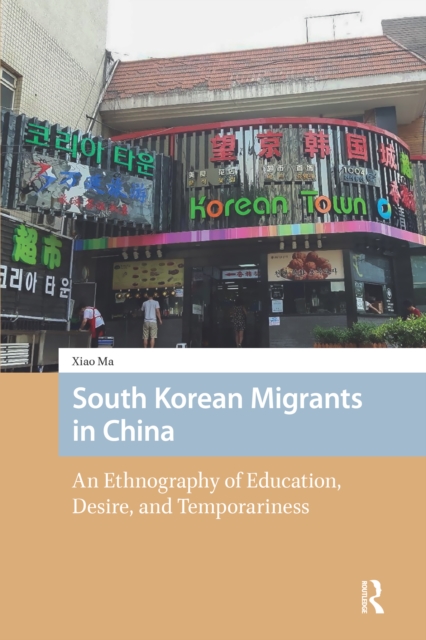
This book is an ethnographic account of education and migration from the perspective of three groups of South Koreans in contemporary China: migrant parents, children/students, and educational agents.
Imagined Geographies in the Indo-Tibetan Borderlands: Culture, Politics, Place is an ethnography of culture and politics in Monyul, a Tibetan Buddhist cultural region in west Arunachal Pradesh, Northeast India.
Highways and Hierarchies: Ethnographies of Mobility from the Himalaya to the Indian Ocean explores the contemporary proliferation of roads in South Asia and the Tibet-Himalaya region, showing how new infrastructures simultaneously create fresh connections and reinforce existing inequalities.
This book is an ethnographic account of education and migration from the perspective of three groups of South Koreans in contemporary China: migrant parents, children/students, and educational agents.
Media Culture in Nomadic Communities examines the ways that new technologies and ICT infrastructures have changed the communicative norms and patterns that regulate mobile and nomadic communities' engagement in local and international deliberative decision-making.
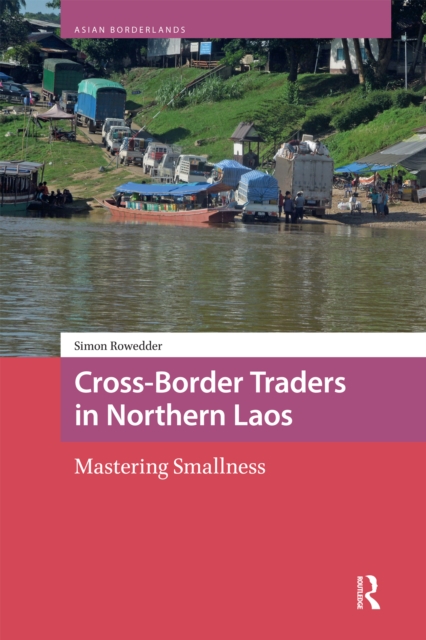
Northern Laos has become a prominent spot in large-scale, top-down mappings and studies of neoliberal globalisation and infrastructural development linking Thailand and China, and markets further beyond.
This book presents a new perspective on attempts by the contemporary Chinese government to transform the diverse conditions found in countless rural villages into what the state's social welfare program deems 'socialist new villages'.
Globalization, Nationalism, and Music Education in the Twenty-First Century in Greater China examines the recent developments in school education and music education in Greater China, Mainland China, Hong Kong, and Taiwan, and the relationship between, and integration of, national cultural identity and globalization in their respective school curriculums.
Drawing on ethnographic research conducted at Moscow's wholesale markets from 2013 to 2016, Vietnamese Migrants in Russia: Mobility in Times of Uncertainty provides original insights into how uncertainty shapes social practice, identity and belonging in the context of irregular migration from Vietnam to Russia.
In The Movement for Global Mental Health: Critical Views from South and Southeast Asia, prominent anthropologists, public health physicians, and psychiatrists respond sympathetically but critically to the Movement for Global Mental Health (MGMH).
Media Culture in Nomadic Communities examines the ways that new technologies and ICT infrastructures have changed the communicative norms and patterns that regulate mobile and nomadic communities' engagement in local and international deliberative decision-making.